

If you’re looking for ways to stay active and maintain a healthy lifestyle without leaving the comfort of your own home, this article is for you. In “How To Exercise Safely And Effectively At Home,” you’ll discover practical tips and strategies to ensure your workouts are both safe and effective. From setting up a dedicated workout space to choosing the right equipment, you’ll gain valuable insights on how to make the most out of your at-home exercise routine. Get ready to embark on a fitness journey that will leave you feeling energized and motivated, all within the confines of your own living space.
Setting Up Your Space
Clearing the area
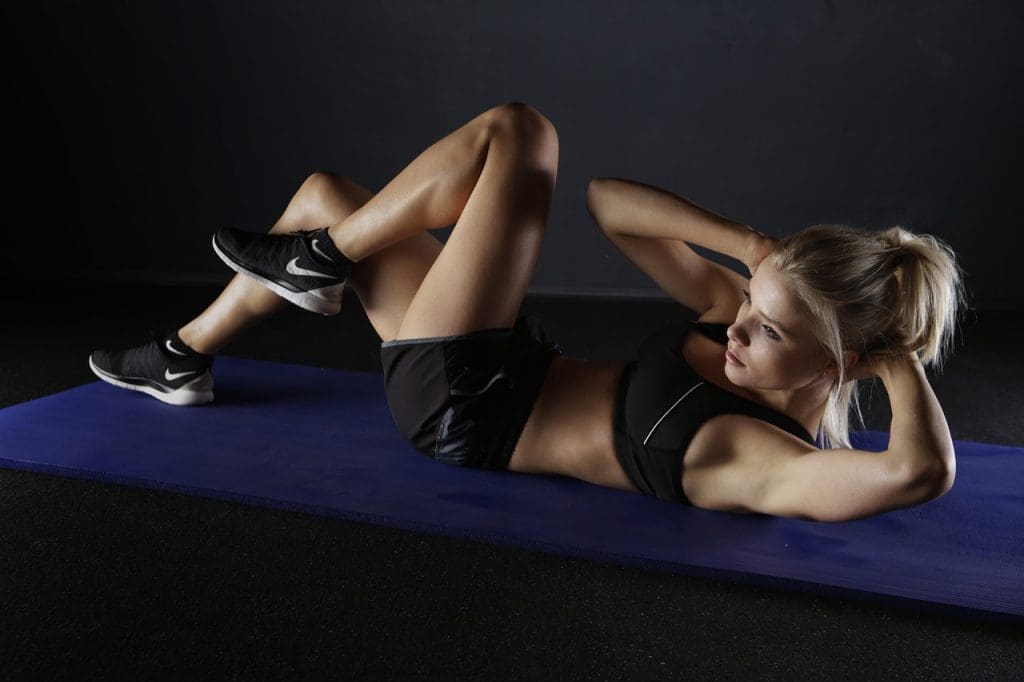
Before you start your home workout routine, it’s essential to clear the area where you’ll be exercising. Remove any obstacles or furniture that could potentially cause accidents or limit your movement. Create a spacious and safe environment that allows you to move freely without any hindrance.
Choosing the right equipment
When setting up your home exercise space, it’s crucial to consider the equipment you’ll need. Depending on your fitness goals, you may want to invest in some basic equipment like resistance bands, dumbbells, or a yoga mat. Choosing the right equipment based on your preferences and requirements will enhance the effectiveness of your workouts.
Creating a comfortable environment
To fully enjoy your home workouts, it’s essential to create a comfortable environment. Set the lighting to your preference, adjust the temperature to ensure it’s neither too hot nor too cold, and play some upbeat music to keep you motivated. Additionally, ensure that the space is well-ventilated to maintain a fresh and energizing atmosphere.
Warming Up
Importance of warm-up exercises
Before diving into your workout routine, it’s crucial to warm up your body properly. Warm-up exercises help increase blood flow to your muscles, loosen your joints, and prepare your body for physical activity. They also reduce the risk of injury and improve your overall performance during the workout.
Dynamic stretches
Dynamic stretches involve moving parts of your body through a full range of motion. These stretches are effective for increasing flexibility, mobility, and core body temperature. Perform exercises like arm circles, leg swings, hip circles, or torso twists to prepare your muscles and joints for the workout ahead.
Light cardio exercises
Incorporating light cardio exercises into your warm-up routine is an excellent way to increase your heart rate and warm up your entire body. You can choose activities such as jogging in place, jumping jacks, or brisk walking for a few minutes to get your blood pumping and raise your body temperature.
Choosing the Right Exercises
Assessing your fitness level
Before selecting exercises for your at-home workout, it’s essential to assess your fitness level objectively. Consider your current strength, endurance, and flexibility to determine what type and intensity of exercises are suitable for you. This self-evaluation will help you choose exercises that challenge you without overwhelming your body.
Determining your goals
Clarifying your fitness goals is vital in choosing the right exercises. Whether you aim to lose weight, gain muscle strength, improve cardiovascular endurance, or increase flexibility, different exercises will enable you to target specific areas of your body and achieve desired results.
Selecting exercises accordingly
Once you have assessed your fitness level and determined your goals, it’s time to select exercises that align with your needs. Consider exercises that work different muscle groups, promote cardiovascular fitness, and improve flexibility. Experiment with various workouts to find what you enjoy and what challenges you appropriately.
Bodyweight Exercises
Push-ups
Push-ups are a classic bodyweight exercise that targets your chest, arms, shoulders, and core. Start in a high plank position with your hands slightly wider than shoulder-width apart. Lower your body by bending your elbows, keeping your back straight, and push back up. Modify the exercise by performing push-ups on your knees, against a wall, or using an elevated surface.
Squats
Squats are an effective lower body exercise that primarily targets your quadriceps, hamstrings, and glutes. Stand with your feet hip-width apart, lower your body as if you’re sitting back into a chair, and ensure your knees stay behind your toes. Return to a standing position and repeat the movement while maintaining proper form.
Planks
Planks are excellent for strengthening your core muscles, including your abdominals, lower back, and glutes. Start in a push-up position, then lower your forearms to the ground. Keep your body in a straight line, engage your core, and hold the position for a specified time or until fatigue. Modify the exercise by performing planks on your knees or against a wall.
Lunges
Lunges target your quadriceps, hamstrings, and glutes while also strengthening your core for stability. Start by standing with your feet hip-width apart, take a step forward with one leg, lower your body until both knees are bent at a 90-degree angle, and then push back up. Repeat the movement on the other leg.
Burpees
Burpees are a full-body exercise that combines strength and cardiovascular fitness. Begin by standing with your feet shoulder-width apart, squat and place your hands on the ground, jump your feet back into a plank position, perform a push-up, jump your feet back to your hands, and explosively jump into the air. Modify this exercise by eliminating the push-up or stepping back instead of jumping.
Mountain climbers
Mountain climbers are a dynamic exercise that engages your core, upper body, and lower body. Start in a push-up position, bring one knee toward your chest, return it to the starting position, and alternate with the other knee. Move as quickly as possible while maintaining control and stability.

Cardiovascular Exercises
Jumping jacks
Jumping jacks are a classic cardiovascular exercise that works your entire body. Begin with your feet together and arms at your sides. Jump your feet out wide while simultaneously raising your arms above your head. Jump back to the starting position and repeat the movement, keeping a steady pace to maintain an elevated heart rate.
High knees
High knees are an excellent way to elevate your heart rate while engaging your core and lower body. Stand upright and bring one knee toward your chest while extending your opposite arm forward. Alternate legs and arms rapidly, aiming to lift your knees as high as possible.
Jump rope
Jumping rope is a cost-effective and efficient way to improve cardiovascular endurance. Choose a rope of appropriate length, stand with your feet shoulder-width apart, rotate the rope using your wrists, and jump over it as it passes under your feet. Start with a moderate pace and gradually increase your speed as you become more comfortable.
Running in place
Running in place is a simple yet effective cardiovascular exercise that requires minimal space and no equipment. Stand with your feet hip-width apart, lift your knees as if you’re running, and keep a steady rhythm. Increase the intensity by incorporating high knees or faster movements.
Dancing
Dancing is a fun and enjoyable way to get your heart rate up and add variety to your cardio workouts. Put on your favorite music and let loose! Incorporating dance moves like jumping, twisting, and shimmying will keep your body moving and your heart pumping.
Strength Training with Dumbbells
Proper form and technique
When performing strength training exercises with dumbbells, it’s crucial to maintain proper form and technique. Start with lighter weights to ensure you can perform the exercises with correct alignment and control. Focus on your posture, engage the targeted muscles, and avoid using momentum to lift the weights.
Choosing the right weight
Selecting the appropriate weight for strength training exercises is essential to challenge your muscles effectively. Opt for dumbbells that allow you to complete a set of repetitions with good form while feeling fatigued by the last few repetitions. Gradually increase the weight as you become stronger.
Targeting different muscle groups
Dumbbell exercises offer versatility in targeting various muscle groups. For example, bicep curls target the muscles in your upper arms, shoulder presses work your deltoids and triceps, and squats with dumbbells engage your lower body muscles along with added resistance. Incorporate a variety of exercises to work different muscle groups and maintain a well-rounded routine.

Flexibility and Stretching
Static stretches
Static stretches involve lengthening and holding specific muscles or muscle groups to improve flexibility. Examples include hamstring stretches, quad stretches, and shoulder stretches. It’s important to perform static stretches after your workout or as a separate routine when your muscles are warm to avoid injury.
Dynamic stretches
Dynamic stretches are active movements that mimic the motions of your workout but at a lower intensity. They help improve flexibility and range of motion while preparing your muscles for the upcoming exercise. Leg swings, arm circles, and walking lunges are examples of dynamic stretches.
Yoga poses
Incorporating yoga poses into your stretching routine can improve flexibility, balance, and overall body awareness. Poses like downward-facing dog, standing forward bend, or pigeon pose can target a range of muscle groups and promote strength and flexibility simultaneously. Consider following online yoga classes or tutorials.
Benefits of flexibility training
Flexibility training offers numerous benefits, such as increased joint mobility, improved posture, reduced muscle tension, and enhanced athletic performance. Regular stretching and flexibility exercises can help prevent injuries, relieve muscle soreness, and promote relaxation. It’s an essential component of a well-rounded exercise routine.
Creating a Routine
Setting a schedule
Establishing a consistent workout schedule is key to maintaining a successful exercise routine at home. Determine the days and times that work best for you, taking into account your daily commitments. Whether it’s early morning, during a lunch break, or in the evening, scheduling your workouts ensures you prioritize your health and fitness.
Balancing different types of exercises
A well-rounded exercise routine includes a balance of cardiovascular exercises, strength training, and flexibility training. By incorporating a variety of exercises, you can target different muscle groups, improve your overall fitness level, and prevent boredom. Aim for a balanced mix of exercises throughout the week.
Tracking progress
Keeping track of your progress is essential for staying motivated and achieving your fitness goals. Take note of how many repetitions or sets you complete, the amount of weight you lift, or the duration and intensity of your cardio workouts. Additionally, consider taking progress photos or measuring your body to visually see your advancements.
Safety Guidelines
Listening to your body
While exercising at home, it’s crucial to listen to your body and pay attention to any discomfort or pain. If you experience sharp or severe pain, dizziness, or shortness of breath, stop exercising immediately. Respect your body’s limits and modify movements or reduce intensity when necessary to avoid injury.
Avoiding overexertion
Though it’s important to challenge yourself during workouts, overexertion can have detrimental effects on your body. Gradually increase the intensity or duration of your workouts to avoid pushing yourself too hard too soon. Remember that rest and recovery are vital aspects of any exercise routine.
Maintaining good form
Proper form during exercises is crucial for both effectiveness and injury prevention. Before starting a new exercise, familiarize yourself with the correct form and technique. If you’re unsure, consider consulting online resources, fitness experts, or videos to ensure you’re performing the exercises correctly.
Using proper equipment
If you choose to use equipment during your home workouts, make sure it is in good condition and appropriate for your exercise routine. Inspect dumbbells, resistance bands, or any other equipment for signs of wear and tear. Additionally, follow safety guidelines and instructions when using equipment to minimize the risk of accidents or injury.
Getting Professional Guidance
Consulting a fitness expert or trainer
If you’re unsure about how to structure your at-home workouts or need personalized guidance, consulting a fitness expert or trainer can be immensely helpful. Fitness professionals can provide tailored advice, create a customized exercise plan, and help you achieve your specific fitness goals.
Joining online fitness classes
In recent years, online fitness classes have become increasingly popular and accessible. Joining virtual fitness classes allows you to work out alongside instructors and fellow participants from the comfort of your home. Whether it’s HIIT, yoga, or dance, there are numerous platforms offering a variety of classes to suit different preferences.
Utilizing exercise apps or videos
Exercise apps and workout videos offer a convenient way to follow structured workout routines at home. Many apps provide a range of exercises, customizable programs, and progress tracking features. Alternatively, you can find workout videos on platforms like YouTube that cater to different fitness levels and target specific areas of the body.
With these comprehensive guidelines and a friendly tone, you’re now equipped to exercise safely and effectively at home. Remember to clear your space, choose the right equipment, warm up properly, select exercises according to your goals, and prioritize safety and proper form throughout your workouts. Establish a routine, track your progress, and don’t hesitate to seek professional guidance when needed. Happy exercising!