
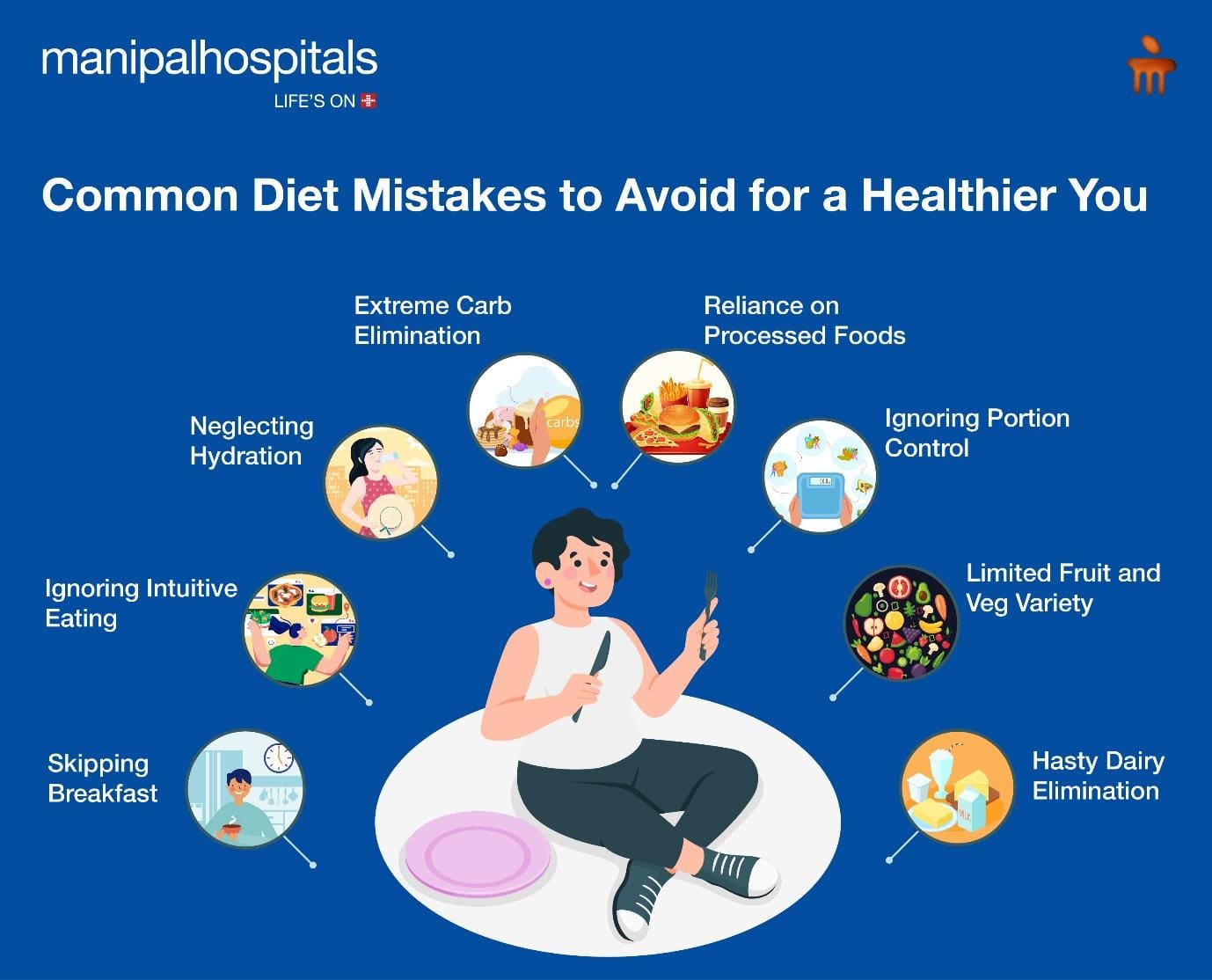
You’re determined to embark on a dieting journey, but you’re worried about making mistakes that could hinder your progress. Don’t fret, because in this article, you’ll discover essential tips on how to identify and avoid common dieting mistakes. By understanding these pitfalls, you’ll be equipped with the knowledge to make informed decisions and set yourself up for success on your path to a healthier lifestyle. So, let’s dive in and ensure you have all the tools to achieve your goals without stumbling along the way.

Setting Unrealistic Goals
Expecting rapid weight loss
When embarking on a weight loss journey, it’s important to set realistic expectations. While it’s natural to want quick results, expecting rapid weight loss can be unrealistic and potentially harmful. Crash diets and extreme exercise routines may lead to temporary weight loss, but they are not sustainable in the long run. Instead, focus on setting smaller, achievable goals that promote gradual and healthy weight loss.
Setting strict restrictions
Another common mistake is setting overly strict dietary restrictions. Completely eliminating certain food groups or severely limiting caloric intake can be challenging to maintain and may lead to feelings of deprivation. Instead, aim for a balanced and varied diet that includes all the essential nutrients. Allow yourself some flexibility and indulge in moderation. Remember, it’s about making sustainable lifestyle changes, not following a restrictive diet that leaves you feeling unsatisfied.
Ignoring individual differences
Every individual is unique, and what works for one person may not work for another. It’s essential to consider your own body and lifestyle when setting weight loss goals. Factors such as age, gender, metabolism, and activity levels play a significant role in determining the most effective approach for you. Don’t compare your progress or results to others; focus on what works best for your body and listen to its needs.
Relying on Fad Diets
Understanding the dangers of fad diets
Fad diets often promise quick and effortless weight loss. However, they typically involve extreme and unsustainable eating patterns. These diets often eliminate entire food groups or restrict caloric intake to extreme levels, leading to nutrient deficiencies, muscle loss, and a slowed metabolism. They can also create an unhealthy relationship with food and lead to a cycle of weight gain and loss. It’s crucial to understand that long-term success comes from adopting healthy eating habits that can be maintained for life.
Seeking professional advice
To avoid falling into the trap of fad diets, it’s essential to seek professional advice. Registered dietitians or nutritionists are trained to provide personalized guidance and support. They can assess your specific needs, preferences, and goals, and design a well-rounded meal plan tailored to you. Additionally, working with a professional can provide accountability and motivation throughout your weight loss journey.
Opting for sustainable eating patterns
Rather than relying on the latest fad diet, opt for sustainable eating patterns that promote long-term health and weight management. Focus on consuming a variety of whole, unprocessed foods, including fruits, vegetables, lean proteins, whole grains, and healthy fats. Incorporate portion control and mindful eating practices to maintain a healthy relationship with food. By adopting sustainable eating patterns, you can achieve and maintain your weight loss goals without subjecting your body to extreme measures.
Skipping Meals
Effects of skipping meals on metabolism
Skipping meals, especially breakfast, is a common mistake people make when trying to lose weight. This practice can negatively impact your metabolism. When you skip meals, your body goes into “starvation mode,” slowing down your metabolism to conserve energy. This can lead to difficulty in losing weight and may even result in weight gain in the long term.
Importance of regular meals
Regular, balanced meals are vital for maintaining a healthy metabolism and providing your body with the energy it needs. Aim to have three main meals and two nutritious snacks throughout the day. Eating regular meals helps maintain stable blood sugar levels, which can prevent overeating and unhealthy food cravings. By fueling your body consistently, you can keep your metabolism functioning optimally, aiding in weight loss and overall well-being.
Balancing caloric intake throughout the day
While it’s important to maintain regular meal patterns, it’s also crucial to balance your caloric intake throughout the day. Instead of consuming one large meal or heavy snacks, distribute your calories evenly across your meals and snacks. This approach helps prevent blood sugar spikes and crashes, keeping your energy levels stable and preventing excessive hunger. Aim for a well-balanced combination of carbohydrates, proteins, and fats at each meal to provide optimal nutrition and support weight loss efforts.
Ignoring Nutritional Needs
Understanding macro and micronutrients
To achieve a well-rounded diet, it’s important to understand the role of macro and micronutrients. Macronutrients, such as carbohydrates, proteins, and fats, provide energy and support bodily functions. Micronutrients, including vitamins and minerals, are essential for overall health and proper functioning of the body. Neglecting any of these nutrients can lead to deficiencies and hinder weight loss efforts. Educate yourself on the nutritional needs specific to your body and ensure your diet includes a variety of foods that provide adequate amounts of these nutrients.
Designing a well-balanced diet plan
To avoid ignoring your nutritional needs, focus on designing a well-balanced diet plan. Incorporate a variety of foods from different food groups, including fruits, vegetables, whole grains, lean proteins, and healthy fats. Aim to include a rainbow of colors on your plate, as different-colored fruits and vegetables provide various vitamins and minerals. Consider portion sizes to ensure you are getting the right balance of macronutrients. Consulting a registered dietitian or nutritionist can be helpful in creating a personalized diet plan that meets your specific nutritional needs.
Considering specific dietary requirements
It’s important to consider any specific dietary requirements you may have, such as food allergies, intolerances, or medical conditions. These factors can greatly impact your food choices and overall nutritional needs. Take the time to educate yourself or consult a healthcare professional to ensure you are making appropriate choices that support your health goals. By catering to your unique dietary requirements, you can continue to make progress towards your weight loss goals without compromising your well-being.
Overly Restrictive Eating
Avoiding extreme calorie reductions
While creating a calorie deficit is necessary for weight loss, it’s important to avoid extreme calorie reductions. Severely restricting calories can slow down your metabolism and increase the risk of nutrient deficiencies. Additionally, it can lead to increased cravings and a higher likelihood of binge eating. Instead, aim for a moderate calorie deficit that allows for sustainable weight loss without compromising your overall health and well-being.
Incorporating variety and flexibility
Restricting yourself to a few select foods or solely focusing on one type of diet can be mentally and physically exhausting. Incorporating variety and flexibility into your eating habits is crucial for long-term success. Explore different flavors, textures, and cooking methods to keep your meals exciting and enjoyable. Don’t be afraid to try new foods or experiment with different recipes. By including a wide range of foods in your diet, you can ensure you’re getting a balanced intake of nutrients while maintaining satisfaction and avoiding feelings of restriction.
Allowing occasional indulgences
Depriving yourself of all your favorite foods can often backfire and lead to binge eating episodes. Instead of completely cutting out indulgent treats, allow yourself occasional indulgences. Incorporating small portions of your favorite foods can help satisfy cravings and prevent feelings of deprivation. By practicing moderation and mindful eating, you can strike a balance between enjoying your favorite treats while still making progress towards your weight loss goals.
Neglecting Physical Activity
Importance of exercise for weight management
While diet plays a significant role in weight loss, physical activity is equally important. Regular exercise not only helps burn calories and increase metabolism but also has numerous health benefits. It aids in building lean muscle mass, improving cardiovascular health, boosting mood, and reducing stress. Aim for at least 150 minutes of moderate-intensity aerobic activity or 75 minutes of vigorous-intensity activity per week. Find activities you enjoy, whether it’s dancing, swimming, hiking, or cycling, to make exercise a sustainable part of your lifestyle.
Finding enjoyable forms of physical activity
To maintain a regular exercise routine, it’s crucial to find activities that you genuinely enjoy. If you dislike running, don’t force yourself to run every day. Instead, explore different forms of exercise until you find something that you genuinely look forward to doing. Whether it’s joining a sports team, taking dance classes, or practicing yoga, engaging in activities you enjoy increases the likelihood of sticking to your exercise routine and making it a long-term habit.
Creating a balanced exercise routine
In addition to finding enjoyable forms of physical activity, create a balanced exercise routine that incorporates both cardiovascular exercises and strength training. Cardiovascular exercises, such as walking, jogging, or cycling, help burn calories and improve cardiovascular health. Strength training exercises, such as lifting weights or using resistance bands, help build muscle and increase metabolism. Combining both types of exercises offers a well-rounded approach to weight loss and overall fitness. Don’t forget to include rest days to allow your body to recover and prevent overexertion.

Not Tracking Food Intake
Benefits of food tracking
Tracking your food intake can be an effective tool for weight loss and overall healthy eating. By keeping a food diary or using a mobile app, you gain insight into your eating patterns and have a better understanding of your overall calorie intake. Food tracking allows you to identify areas where you may be overeating or consuming too many unhealthy foods, helping you make more informed choices. Additionally, it can provide accountability and motivation as you visually see your progress and can make adjustments if needed.
Utilizing technology and apps
In today’s digital age, there are numerous apps and online tools available to help track your food intake effortlessly. These apps often provide comprehensive nutritional information, including calories, macronutrients, and micronutrients, making it easier to monitor your intake and make adjustments as necessary. Choose a user-friendly app that suits your needs and preferences to make food tracking a seamless part of your weight loss journey.
Understanding portion sizes
Accurately tracking your food intake requires an understanding of portion sizes. Many people underestimate portion sizes, leading to unintentional overeating. Familiarize yourself with appropriate serving sizes by using measuring cups, kitchen scales, or visual cues. It’s also helpful to educate yourself on nutrition labels and learn to read them accurately. By understanding portion sizes, you can track your food intake more effectively and make appropriate adjustments to support your weight loss goals.
Emotional Eating
Identifying emotional triggers
Emotional eating is a common pitfall when it comes to weight loss. Many individuals turn to food as a way to cope with stress, sadness, or boredom. Identifying the emotional triggers that lead to overeating is crucial for breaking this cycle. Take note of situations, emotions, or events that trigger the desire to eat when you’re not physically hungry. By recognizing these triggers, you can develop strategies and alternative coping mechanisms to manage your emotions without resorting to food.
Seeking alternative coping mechanisms
Instead of using food as a coping mechanism, seek alternative ways to manage and express your emotions. Engaging in activities such as journaling, meditating, practicing deep breathing exercises, or talking to a trusted friend or family member can help alleviate emotional stress. Find healthy outlets for your emotions, such as exercising, pursuing hobbies, or practicing self-care activities like taking a bath or listening to music. By developing a toolbox of alternative coping mechanisms, you can break the cycle of emotional eating and create healthier habits.
Building a supportive network
Having a supportive network can greatly aid in managing emotional eating. Surround yourself with friends, family, or support groups who understand and respect your weight loss goals. Share your challenges and successes with them, and let them provide encouragement and accountability. Consider joining a weight loss or wellness program where you can connect with like-minded individuals who are on a similar journey. By building a strong support system, you’ll have people who can help you through difficult moments and celebrate your achievements.

Lack of Planning
Importance of meal planning
Meal planning is a crucial component of successful weight loss. By planning your meals in advance, you can make healthier choices and avoid impulsive, unhealthy food decisions. Take some time each week to plan your meals, considering your nutritional needs, preferences, and schedule. This will help you stay organized, ensure you have the necessary ingredients, and prevent unnecessary stress when it comes to mealtime.
Creating a grocery list
Once you have your meals planned, create a grocery list to ensure you have all the necessary ingredients. Stick to your list while shopping to avoid impulse purchases of unhealthy foods. Shopping with a list helps you stay on track and makes grocery shopping more efficient. By having a well-stocked kitchen with nutritious ingredients, you’ll be better equipped to prepare healthy meals and avoid the temptation of ordering takeout or opting for unhealthy convenience foods.
Preparing meals in advance
To stay on track with your weight loss goals, consider preparing meals in advance. Spend a few hours each week cooking and portioning out meals and snacks for the upcoming days. This saves time during the week and prevents relying on unhealthy fast food or processed meals when you’re short on time or energy. Preparing meals in advance also allows you to control the ingredients and portion sizes, ensuring you are sticking to your nutritional goals.
Neglecting Sleep and Stress Management
Effects of sleep deprivation on dieting
Neglecting sleep can have a significant impact on your weight loss efforts. Lack of sleep disrupts the hormonal balance in your body, leading to increased hunger and cravings for unhealthy foods. It also contributes to higher stress levels, decreased motivation, fatigue, and reduced ability to make healthy food choices. Aim for 7-9 hours of quality sleep every night to support your weight loss goals and overall well-being.
Incorporating stress reduction techniques
Stress can often lead to emotional eating or unhealthy food choices. Incorporating stress reduction techniques into your daily routine can help manage stress levels and prevent associated weight gain. Experiment with different methods to find what works best for you, such as mindfulness meditation, yoga, deep breathing exercises, or engaging in hobbies you enjoy. Taking care of your mental and emotional well-being is just as important as watching what you eat.
Prioritizing self-care
As you focus on your weight loss goals, it’s essential to prioritize self-care. Self-care activities, such as taking time for relaxation, engaging in activities you enjoy, and nurturing your mind and body, are crucial for overall well-being. Make sure to schedule moments for self-care throughout the week, whether it’s reading a book, taking a bubble bath, practicing self-reiki, or going for a relaxing walk in nature. By prioritizing self-care, you create a supportive foundation for your weight loss journey and promote a healthy mindset.
In conclusion, identifying and avoiding common dieting mistakes is crucial for long-term success in weight loss. By setting realistic goals, opting for sustainable eating patterns, prioritizing regular and balanced meals, and considering individual nutritional needs, you’ll be well on your way to reaching your weight loss goals. Additionally, incorporating enjoyable physical activity, tracking food intake, managing emotional eating, planning meals, and prioritizing sleep and stress management will further support your overall well-being and help you maintain a healthy lifestyle. Remember, it’s about creating lasting habits and embracing a positive and balanced approach to your health and well-being.
