
Welcome to a guide on how to make healthier choices by learning how to read nutrition labels. By understanding the information on these labels, you can make more informed decisions about the foods you consume. With a few simple tips and tricks, you can start taking control of your diet and prioritize your health. Let’s dive in and discover how easy it can be to make smarter choices with the help of nutrition labels.
How To Read Nutrition Labels And Make Healthier Choices
Have you ever found yourself standing in the grocery store, staring at a nutrition label, feeling overwhelmed and confused? Don’t worry, you’re not alone! Learning how to read nutrition labels is essential for making healthier food choices. In this article, I will guide you through the process of understanding nutrition labels and making informed decisions when it comes to your diet. Let’s get started!
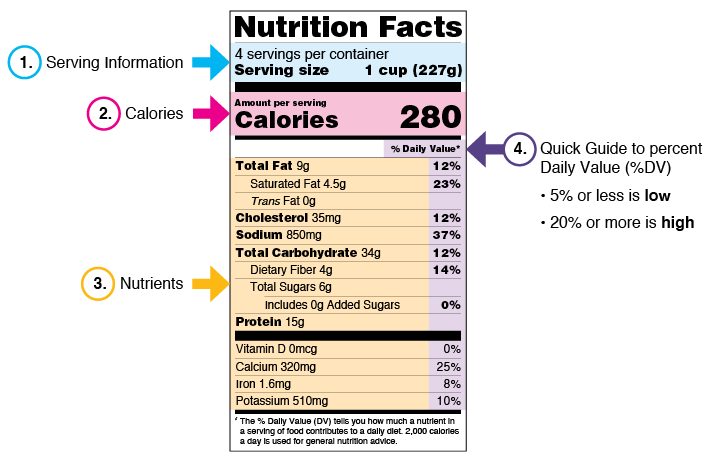
Understanding Serving Sizes
One of the first things you need to pay attention to when reading a nutrition label is the serving size. This is important because all the information on the label is based on this specified serving size. Many people overlook this and end up consuming more calories and nutrients than they realize.
For example, if a serving size is 1 cup of cereal and you eat 2 cups, you need to double all the values listed on the label to determine how much you are actually consuming. Always be mindful of the serving size to avoid overeating.
Calories Per Serving
Next, look at the total number of calories per serving. This will give you an idea of how much energy you will get from consuming that specific food item. If you are trying to maintain or lose weight, keeping track of your calorie intake is crucial.
Remember, the calorie count listed is for one serving, so make sure to adjust based on how much you actually eat. Understanding the calorie content can help you make better choices and manage your weight effectively.
Macronutrients: Carbohydrates, Protein, and Fat
After looking at the calorie count, check the breakdown of macronutrients – carbohydrates, protein, and fat. This information is essential for understanding the nutritional value of the food you are consuming.
Carbohydrates
Carbohydrates are your body’s main source of energy, so it’s important to know how many grams of carbs are in each serving. Look for complex carbohydrates like whole grains, fruits, and vegetables, which provide sustained energy and essential nutrients.
Avoid foods high in added sugars, as they can lead to weight gain and other health issues. Limit your intake of refined carbs like white bread, pasta, and pastries, as they offer little nutritional value.
Protein
Protein is crucial for building and repairing tissues in your body. Look for foods that are high in protein like lean meats, fish, eggs, nuts, and legumes. Protein can help you feel fuller for longer and support muscle growth and recovery.
Try to include a source of protein in every meal to maintain a balanced diet and support your overall health and well-being.
Fat
Fat often gets a bad reputation, but it’s actually an essential nutrient that your body needs for energy, absorbing vitamins, and maintaining healthy cells. Focus on consuming healthy fats like avocados, nuts, seeds, and olive oil.
Avoid trans fats and limit saturated fats, which can increase your risk of heart disease and other health problems. Be mindful of portion sizes when it comes to high-fat foods to prevent excess calorie intake.
Micronutrients: Vitamins and Minerals
In addition to macronutrients, nutrition labels also provide information on micronutrients like vitamins and minerals. These micronutrients are essential for various bodily functions and overall health.
Vitamins
Vitamins are organic compounds that your body needs in small amounts to function properly. Look for foods that are rich in vitamins A, C, D, E, and K, as well as B vitamins like B12, folate, and niacin.
Eating a balanced diet that includes a variety of fruits, vegetables, whole grains, and lean proteins can help you meet your daily vitamin requirements. If you have specific dietary restrictions or deficiencies, consider supplementing with vitamins as needed.
Minerals
Minerals are inorganic compounds that your body needs for various physiological processes. Pay attention to minerals like calcium, iron, potassium, magnesium, and zinc on nutrition labels.
Calcium is essential for bone health, iron for oxygen transport, potassium for muscle function, magnesium for nerve function, and zinc for immune health. Make sure to include a variety of foods rich in minerals to support your overall well-being.
% Daily Value
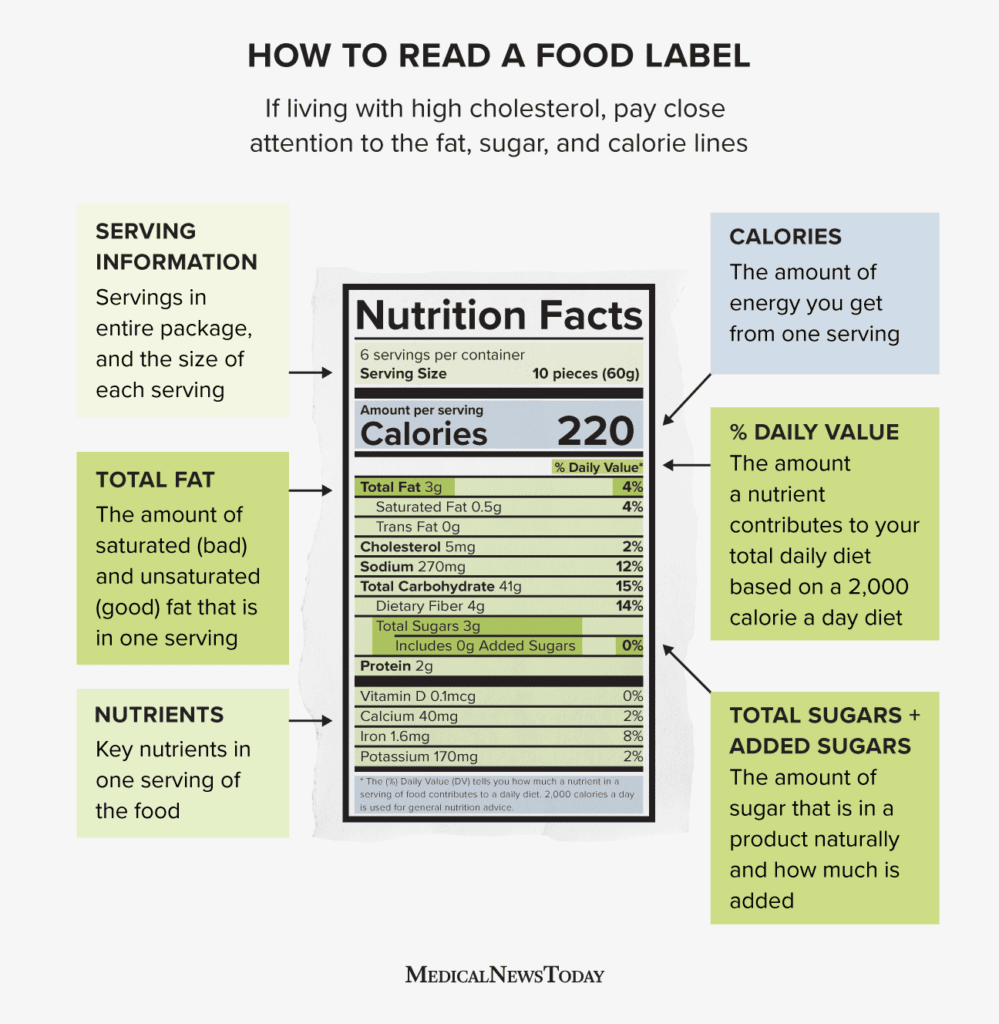
The % Daily Value (%DV) listed on nutrition labels can help you understand how a specific serving of food fits into your overall daily nutrient needs. The %DV is based on a 2,000-calorie diet and provides a general guideline for comparing foods.
Low vs. High %DV
A %DV of 5% or less is considered low, while a %DV of 20% or more is considered high. Try to choose foods that are low in added sugars, sodium, and saturated fats, and high in dietary fiber, vitamins, and minerals.
Using %DV can help you make healthier choices and balance your nutrient intake throughout the day. Remember, this is just a guide, and your individual nutrient needs may vary based on factors like age, gender, activity level, and health conditions.
Ingredient List
Lastly, don’t forget to check the ingredient list on the nutrition label. Ingredients are listed in descending order by weight, so the first few ingredients are the most prominent in the food product.
Look for foods with whole, recognizable ingredients and avoid products with added sugars, artificial flavors, colors, and preservatives. The shorter the ingredient list, the better, as it indicates a simpler, more natural product.

Putting It All Together
Now that you know how to read nutrition labels and understand the key components, you can make healthier choices when shopping for food. Remember to pay attention to serving sizes, calories, macronutrients, micronutrients, %DV, and ingredients.
Focus on incorporating whole, nutrient-dense foods into your diet and limit processed and sugary items. With practice and awareness, you can develop a better understanding of what you are eating and make informed decisions to support your health and well-being.
Start by applying these tips the next time you go grocery shopping and see how it can positively impact your food choices and overall health. Reading nutrition labels may seem daunting at first, but with time and practice, it will become second nature. You’ve got this!