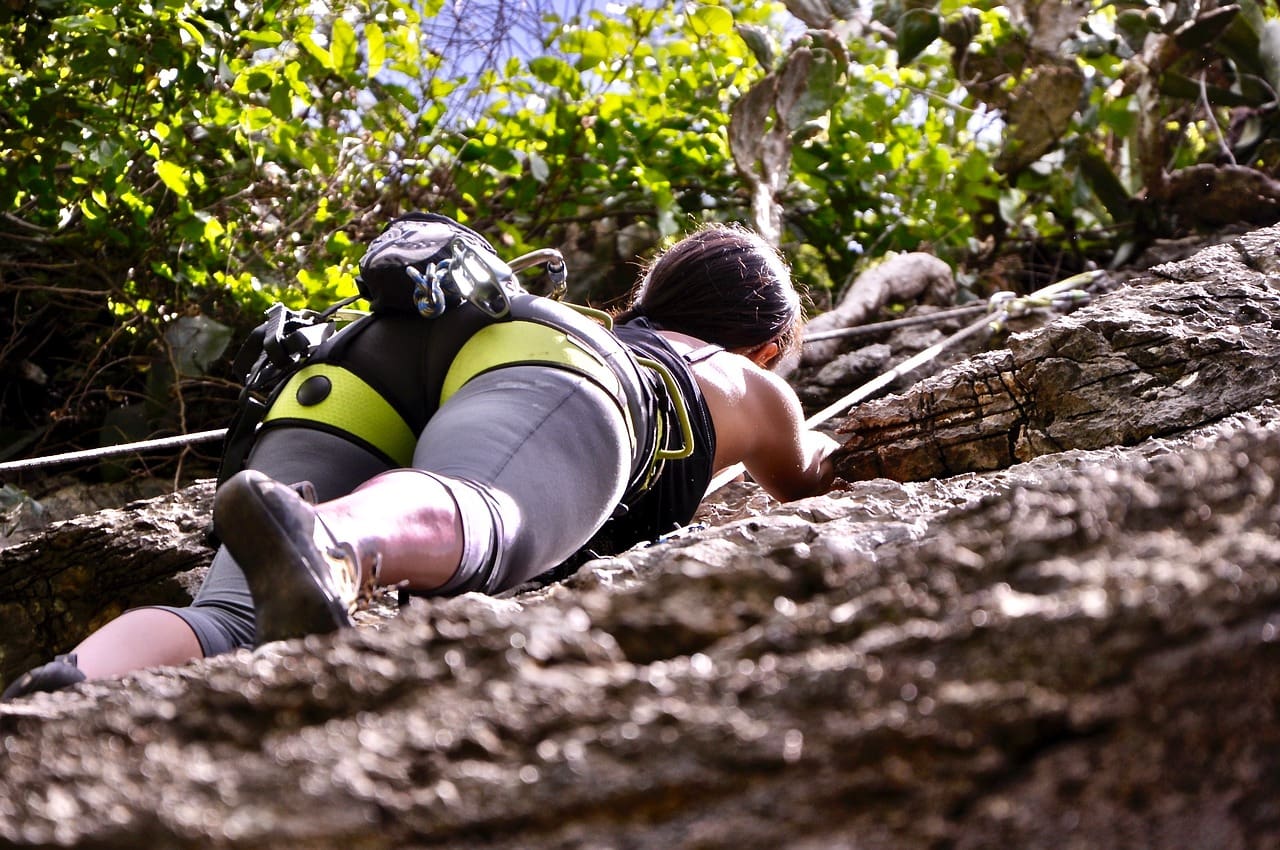
Welcome to the exciting world of rock climbing! In this article, you will discover the amazing benefits of rock climbing for both your physical and mental well-being. By engaging in this exhilarating sport, you will not only build full-body strength but also improve your focus and concentration. Get ready to experience the thrill of reaching new heights while also reaping the rewards of a stronger body and mind. So grab your gear and get ready to climb to new heights!
Have you ever considered trying rock climbing?
Rock climbing is a fantastic way to challenge yourself both physically and mentally. Not only does it provide a full-body workout, but it also helps improve your mental focus and problem-solving skills. In this article, we will explore the benefits of rock climbing for full-body strength and mental focus, and how you can incorporate this exhilarating sport into your fitness routine.
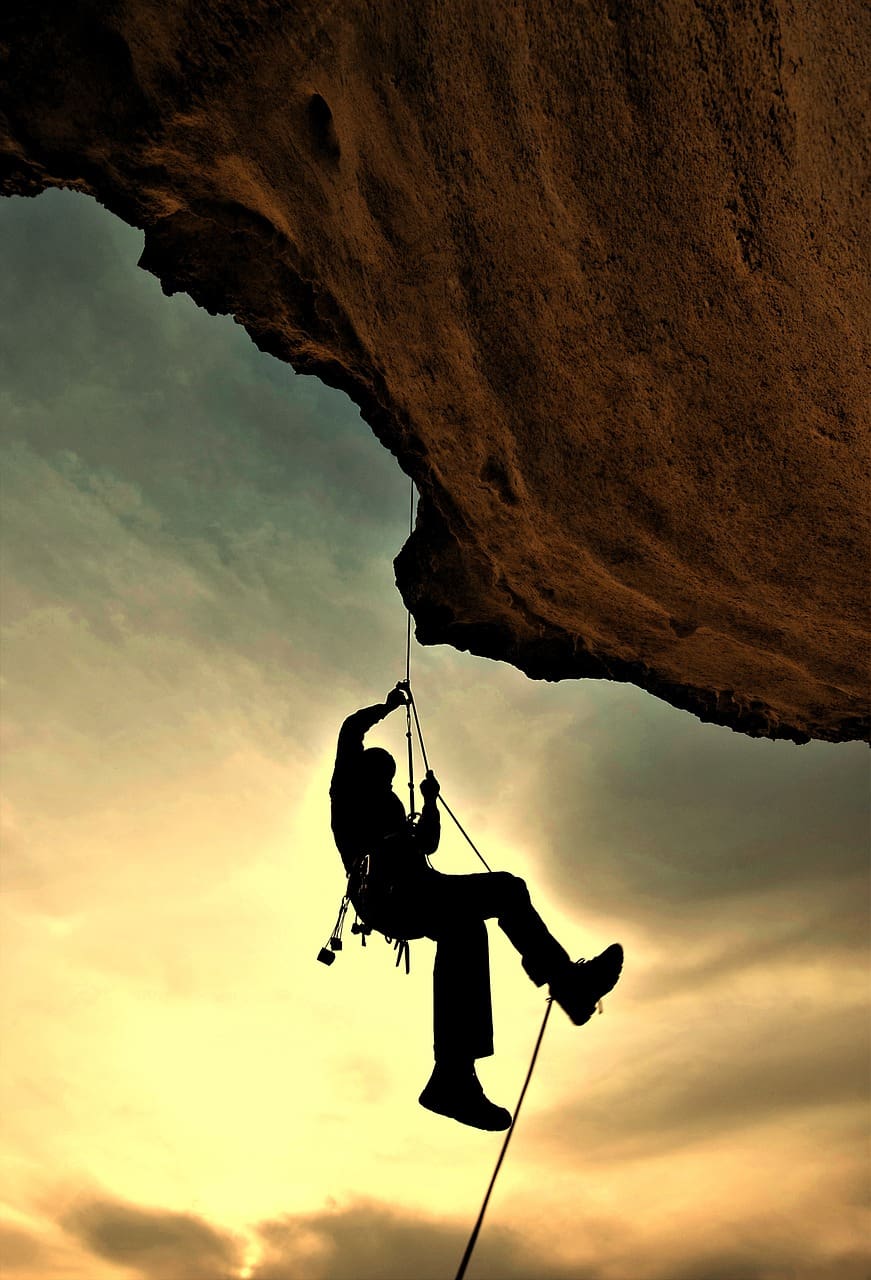
Physical Benefits of Rock Climbing
Rock climbing offers a wide range of physical benefits for your body. From increasing strength and flexibility to improving your overall cardiovascular health, there is much to be gained from this challenging sport.
Strength Building
One of the most significant benefits of rock climbing is the strength it helps you build in various muscle groups throughout your body. Climbing requires the use of your arms, shoulders, back, core, and legs, making it a fantastic full-body workout. Regular climbing sessions can help you develop lean muscle mass and increase your overall strength.
Flexibility Improvement
In addition to strength, rock climbing can also help improve your flexibility. Climbing requires you to stretch and reach for holds that may be out of your comfort zone, helping to increase your range of motion and flexibility over time. This can be beneficial not only for climbing but for your overall daily mobility as well.
Cardiovascular Health
While rock climbing may not seem like a traditional cardiovascular activity, it can still provide significant benefits for your heart and lungs. Climbing challenges your cardiovascular system as you exert energy to make it up the wall or route, helping to increase your endurance and improve your overall cardiovascular health.
Weight Management
Rock climbing can also be an effective way to manage your weight. The intense physical activity involved in climbing can help you burn calories and build muscle, leading to improved body composition and a healthier weight. Whether you are looking to lose weight or maintain a healthy weight, rock climbing can be a great addition to your fitness routine.
Mental Benefits of Rock Climbing
In addition to the physical benefits, rock climbing also offers numerous mental benefits that can have a positive impact on your overall well-being. From enhancing your problem-solving skills to boosting your mental focus and concentration, there is much to gain from challenging yourself on the climbing wall.
Mental Focus
Rock climbing requires a high level of mental focus and concentration. As you navigate your way up the wall, you must stay present in the moment, focusing on your movements and the holds in front of you. This intense focus can help you improve your concentration both on and off the wall, enhancing your overall mental clarity and cognitive function.
Stress Relief
Climbing can also be an excellent way to relieve stress and anxiety. The physical activity involved in climbing releases endorphins, which are known as “feel-good” hormones that can help improve your mood and reduce stress. Climbing can provide a mental escape from the pressures of everyday life, allowing you to focus on the task at hand and leave your worries behind.
Problem-Solving Skills
Rock climbing is essentially a puzzle that challenges you to find the best possible route up the wall. This requires problem-solving skills, critical thinking, and decision-making abilities. Developing these skills through climbing can help you become a more effective problem solver in other areas of your life, improving your ability to overcome challenges and obstacles with ease.
How to Get Started with Rock Climbing
If you are interested in trying rock climbing for the first time, there are several steps you can take to get started and reap the benefits of this exhilarating sport.
Find a Climbing Gym
The first step to getting started with rock climbing is to find a climbing gym near you. Climbing gyms offer a safe and controlled environment where you can learn the basics of climbing, practice your skills, and meet other climbers. Many gyms also offer classes and workshops for beginners to help you get started.
Take a Beginner Lesson
Once you have found a climbing gym, consider taking a beginner lesson to learn the fundamentals of climbing. These lessons are typically led by experienced climbers who can teach you proper technique, safety protocols, and climbing etiquette. Taking a lesson can help you feel more comfortable and confident on the wall as you begin your climbing journey.
Invest in Climbing Gear
To start climbing, you will need the right gear, including climbing shoes, a harness, a chalk bag, and a belay device. Many climbing gyms offer rental gear for beginners, but if you plan to climb regularly, investing in your gear can be a worthwhile investment. Quality climbing gear can help enhance your climbing experience and keep you safe on the wall.
Practice Regularly
Like any physical activity, consistency is key to improving your climbing skills and seeing progress. Make an effort to practice climbing regularly, whether it’s at a climbing gym, an outdoor climbing area, or even a makeshift climbing wall at home. The more you climb, the stronger and more skilled you will become.
Safety Tips for Rock Climbing
Rock climbing can be a thrilling and rewarding sport, but it’s essential to prioritize safety when climbing. By following these safety tips, you can enjoy climbing while minimizing the risk of injury.
Warm-Up Before Climbing
Before you start climbing, it’s crucial to warm up your muscles to prevent injury. Spend a few minutes stretching your arms, legs, and core to prepare your body for the physical demands of climbing. A proper warm-up can help improve your performance and reduce the risk of strains or sprains.
Use Proper Technique
Proper technique is essential for safe and efficient climbing. Focus on using your legs to push yourself up the wall, rather than relying solely on your arms. Engage your core to maintain balance and stability, and pay attention to your footwork to find the best holds and footholds. Using proper technique can help you climb more efficiently and reduce the risk of injury.
Communicate with Your Climbing Partner
If you are climbing with a partner, communication is key to ensuring a safe climbing experience. Discuss climbing routes, safety protocols, and signals before you start climbing to ensure you are on the same page. Check each other’s gear for proper fit and functionality, and communicate clearly throughout your climb to stay safe and coordinated.
Respect Your Limits
It’s essential to know your limits and listen to your body when climbing. Pushing yourself to improve is admirable, but it’s crucial to recognize when you need to take a break or step back. Climbing beyond your abilities can increase the risk of injury, so be honest with yourself about what you can safely accomplish on the wall.
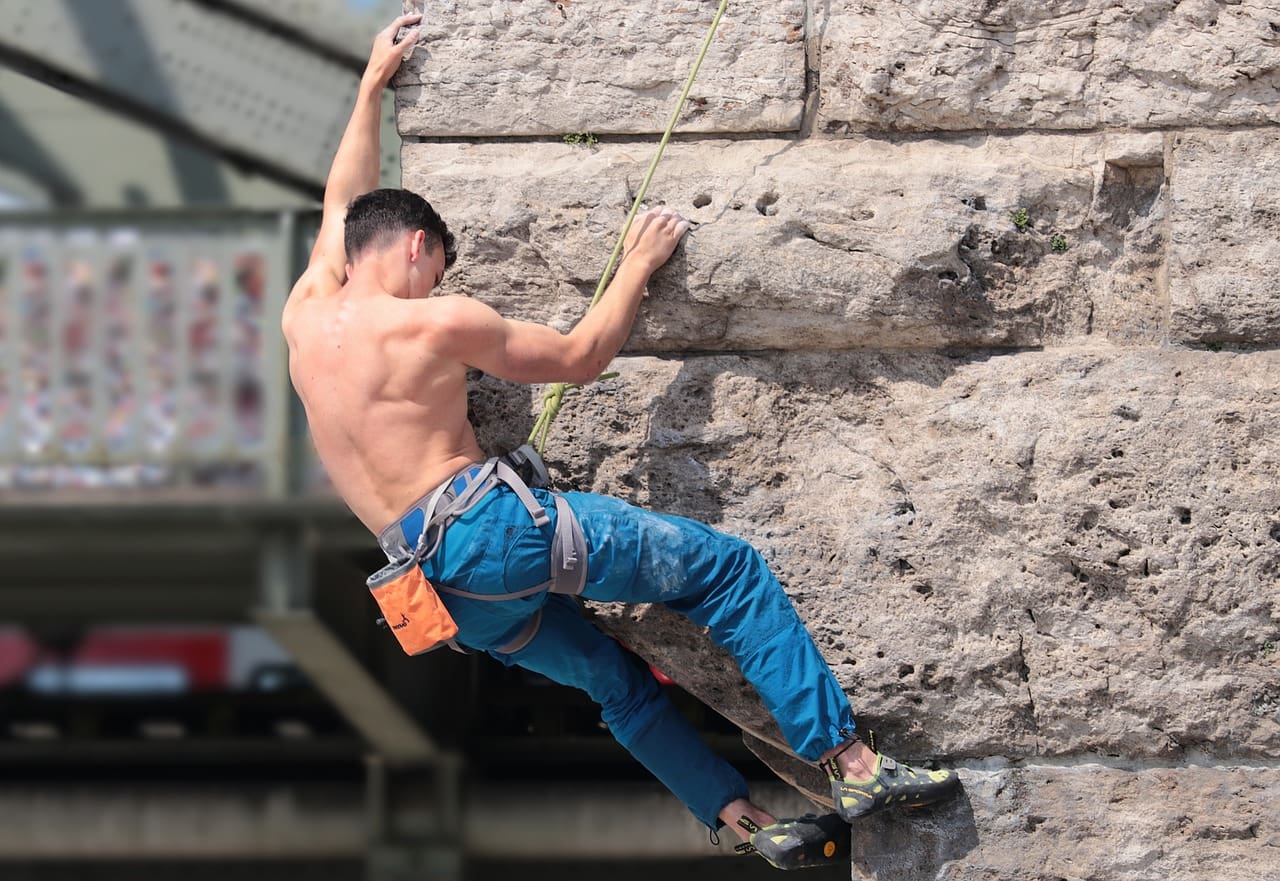
Incorporating Rock Climbing into Your Fitness Routine
Whether you are a seasoned climber or new to the sport, incorporating rock climbing into your fitness routine can offer a unique way to challenge yourself and stay active. Here are some tips for integrating climbing into your fitness regimen.
Cross-Training
Incorporating cross-training into your climbing routine can help improve your overall fitness and prevent injury. Consider incorporating exercises such as yoga, weightlifting, or running to build strength, flexibility, and endurance that can complement your climbing performance. Cross-training can help you develop a well-rounded fitness routine and enhance your climbing abilities.
Set Goals
Setting goals can help you stay motivated and track your progress as a climber. Whether you aim to climb a specific route, improve your endurance, or master a new climbing technique, having goals to work towards can help keep you focused and engaged in your climbing journey. Set both short-term and long-term goals to challenge yourself and push your limits.
Join a Climbing Community
Climbing is a social sport that offers opportunities to connect with other climbers and build a supportive community. Consider joining a climbing club, attending events or workshops at your local climbing gym, or participating in outdoor climbing trips with other climbers. Building relationships with fellow climbers can provide motivation, support, and camaraderie as you pursue your climbing goals.
Listen to Your Body
Listening to your body is essential when incorporating climbing into your fitness routine. Pay attention to how your body feels during and after climbing sessions, and adjust your training as needed to prevent overtraining or injury. Rest and recovery are crucial aspects of any fitness routine, so be sure to prioritize downtime and self-care to support your overall health and well-being.
Conclusion
Rock climbing offers a myriad of benefits for both your physical and mental well-being. From building full-body strength and flexibility to improving your mental focus and problem-solving skills, there is much to gain from challenging yourself on the climbing wall. Whether you are a beginner or experienced climber, integrating rock climbing into your fitness routine can help you stay active, engaged, and motivated to reach your climbing goals. So why not give rock climbing a try and discover the many rewards it has to offer for your body and mind?