
Welcome to our beginner’s guide on living with chronic bronchitis! In this article, we will provide you with valuable information, tips, and advice on managing this condition effectively. From understanding the symptoms to incorporating healthy lifestyle habits, we have got you covered. Living with chronic bronchitis may seem overwhelming at first, but with the right knowledge and support, you can lead a fulfilling and healthy life. Let’s embark on this journey together!
Beginner’s Guide To Living With Chronic Bronchitis
Dealing with chronic bronchitis can be challenging, but it doesn’t have to be overwhelming. In this beginner’s guide, we will walk you through everything you need to know about living with this condition. From understanding the symptoms to managing flare-ups, we’ve got you covered.
What is Chronic Bronchitis?
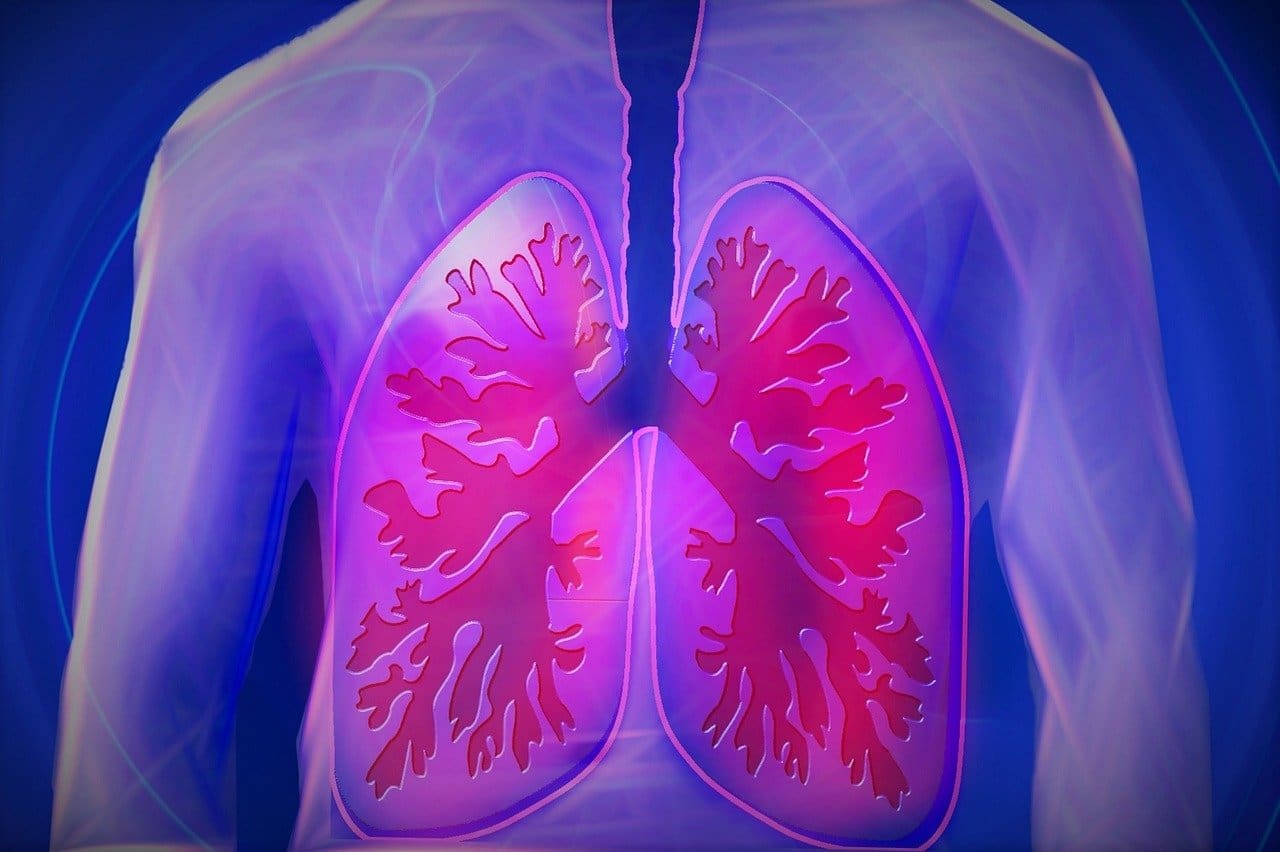
Chronic bronchitis is a type of chronic obstructive pulmonary disease (COPD) that causes inflammation in the bronchial tubes, leading to excessive mucus production. This can result in a persistent cough with phlegm, difficulty breathing, and wheezing.
Living with chronic bronchitis means being mindful of your symptoms and taking steps to manage them effectively. Understanding the nature of this condition is crucial in helping you navigate your daily life with more ease.
Symptoms of Chronic Bronchitis
Recognizing the symptoms of chronic bronchitis is the first step in managing the condition. Some common symptoms include:
- Persistent cough that produces mucus
- Breathlessness
- Wheezing
- Chest tightness
If you experience any of these symptoms regularly, it’s essential to consult with your healthcare provider for a proper diagnosis and treatment plan.
Diagnosing Chronic Bronchitis
Diagnosing chronic bronchitis typically involves a physical exam, a review of your medical history, and pulmonary function tests to evaluate your lung capacity. Your healthcare provider may also order imaging tests such as chest X-rays or CT scans to assess the extent of inflammation in your bronchial tubes.
Understanding how chronic bronchitis is diagnosed can help you prepare for your medical appointments and communicate effectively with your healthcare team.
Treatment Options for Chronic Bronchitis
Managing chronic bronchitis usually involves a combination of medications, lifestyle modifications, and pulmonary rehabilitation. Some common treatment options include:
- Bronchodilators to help open up the airways
- Inhaled corticosteroids to reduce inflammation
- Mucolytics to thin out mucus
- Oxygen therapy for severe cases
Working closely with your healthcare provider to develop a personalized treatment plan is crucial in effectively managing chronic bronchitis.

Lifestyle Modifications for Chronic Bronchitis
In addition to medications, making lifestyle modifications can significantly improve your quality of life with chronic bronchitis. Some tips include:
- Quitting smoking, if you smoke
- Avoiding exposure to respiratory irritants such as air pollution and secondhand smoke
- Staying active with regular exercise, as tolerated
Making small changes to your daily routine can make a big difference in managing your symptoms and preventing flare-ups.
Managing Flare-Ups
Flare-ups, also known as exacerbations, are episodes where your symptoms worsen suddenly. Knowing how to manage flare-ups is essential in preventing complications and hospitalizations. Some key steps to take during a flare-up include:
- Using your rescue inhaler as prescribed
- Following your action plan provided by your healthcare provider
- Seeking medical attention if your symptoms do not improve
Being proactive in managing flare-ups can help you regain control over your symptoms and prevent worsening of your condition.
Creating a COPD Action Plan
A COPD action plan is a personalized document that outlines your treatment goals, medications, and steps to take during exacerbations. Working with your healthcare provider to create an action plan can help you stay organized and proactive in managing your chronic bronchitis.
Having a clear plan in place can give you peace of mind and confidence in managing your symptoms effectively.
Support Resources for Chronic Bronchitis
Living with chronic bronchitis can feel isolating at times, but you are not alone. There are many support resources available to help you navigate this journey, including:
- Online support groups
- Educational materials
- Pulmonary rehabilitation programs
Connecting with others who understand what you’re going through can provide you with invaluable support and encouragement.
The Importance of Self-Care
Self-care is crucial when living with chronic bronchitis. Taking care of your physical and emotional well-being can help you cope with the challenges of this condition. Some self-care practices to consider include:
- Getting enough rest
- Eating a healthy diet
- Practicing stress-reducing techniques such as mindfulness and deep breathing
Prioritizing self-care can help you feel more empowered and resilient in managing your chronic bronchitis.
Finding Joy in Everyday Life
While living with chronic bronchitis may present its challenges, it’s important to find joy in the little things. Whether it’s spending time with loved ones, pursuing hobbies you enjoy, or simply appreciating nature, finding moments of happiness can uplift your spirits and improve your overall well-being.
Remember, you are more than your chronic bronchitis. Embracing positivity and gratitude can cultivate a sense of resilience and optimism in navigating your journey with this condition.
In conclusion, living with chronic bronchitis may pose its challenges, but with the right knowledge, support, and attitude, you can effectively manage your symptoms and lead a fulfilling life. Remember to prioritize self-care, seek support when needed, and find joy in everyday moments. You’ve got this!