Welcome to this beginner’s guide on how to easily incorporate more plant-based meals into your diet. Whether you’re looking to improve your health, reduce your carbon footprint, or simply try something new, adding more plant-based foods to your meals is a great way to achieve these goals. From simple swaps to delicious recipes, this guide will provide you with practical tips and ideas to help you make the transition to a more plant-based diet. Whether you’re a full-time vegan or just looking to eat more greens, this guide is here to support you on your journey to a healthier and more sustainable lifestyle. So let’s dive in and start enjoying the many benefits of plant-based eating!
Are you looking to transition to a more plant-based diet, but not sure where to start?
Making the switch to a plant-based diet can be overwhelming, especially if you’re new to the concept. But fear not, we’re here to guide you through the process with our beginner’s guide to incorporating more plant-based meals into your diet. Whether you’re looking to improve your health, reduce your environmental impact, or simply try something new, we have all the tips and tricks you need to get started on your plant-based journey.

Understanding Plant-Based Diets
Let’s start by defining what a plant-based diet actually means. Contrary to popular belief, a plant-based diet doesn’t necessarily mean you have to become a full-fledged vegan or vegetarian. Instead, it simply means that the majority of your meals are composed of plant-derived foods like fruits, vegetables, whole grains, nuts, seeds, and legumes.
Transitioning to a plant-based diet doesn’t have to be an all-or-nothing approach. You can start by incorporating more plant-based meals into your current eating habits and gradually increase the amount of plant foods on your plate as you become more comfortable with the change.
Benefits of Eating Plant-Based
There are numerous benefits to incorporating more plant-based meals into your diet. Not only can a plant-based diet improve your overall health and well-being, but it can also have a positive impact on the environment and animal welfare. Plant-based diets are typically rich in essential nutrients like fiber, vitamins, and antioxidants, which can help lower your risk of chronic diseases such as heart disease, diabetes, and certain types of cancer.
By reducing your consumption of animal products, you can also reduce your carbon footprint and support sustainable agriculture practices. Additionally, choosing plant-based options over meat and dairy products can help decrease the demand for factory-farmed animals and promote more ethical treatment of animals in the food industry.
What to Eat on a Plant-Based Diet
When transitioning to a plant-based diet, it’s important to familiarize yourself with the wide variety of plant foods available to you. Here are some key food groups to include in your plant-based meals:
Fruits and Vegetables
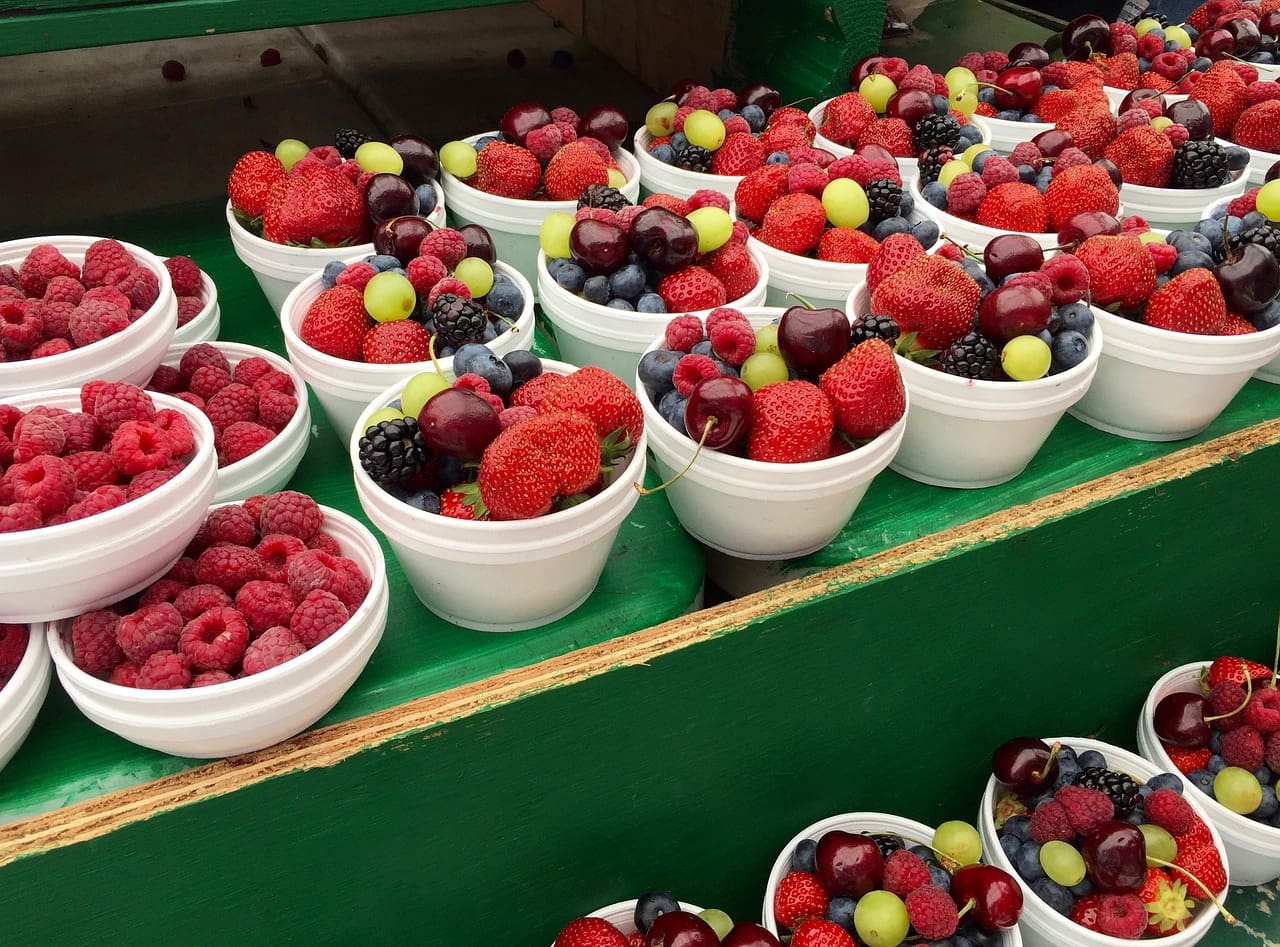
Fruits and vegetables should make up a significant portion of your plant-based diet. Aim to fill half of your plate with colorful fruits and veggies at every meal to ensure you’re getting a wide range of vitamins, minerals, and antioxidants.
Whole Grains
Whole grains like brown rice, quinoa, oats, and whole wheat provide essential nutrients and fiber to keep you feeling full and satisfied. Substitute refined grains like white rice and pasta with whole grain options to boost the nutritional value of your meals.
Legumes
Beans, lentils, and chickpeas are excellent sources of plant-based protein, fiber, and essential minerals like iron and zinc. Incorporate legumes into soups, salads, and stir-fries for a hearty and satisfying meal.
Nuts and Seeds
Almonds, walnuts, chia seeds, and flaxseeds are rich in healthy fats, protein, and micronutrients. Sprinkle nuts and seeds on top of salads, yogurt, or oatmeal for added crunch and flavor.
Plant-Based Proteins
If you’re looking to replace meat in your meals, there are plenty of plant-based protein options to choose from. Tofu, tempeh, seitan, and plant-based burgers are all excellent sources of protein that can easily be incorporated into your favorite recipes.
Tips for Transitioning to a Plant-Based Diet
Now that you’re familiar with the basics of a plant-based diet, let’s dive into some practical tips for making the transition a smooth and enjoyable experience:
Start Slow
Transitioning to a plant-based diet doesn’t have to happen overnight. Start by incorporating one plant-based meal into your day and gradually increase the number of plant-based meals as you become more comfortable with the change.
Experiment with New Recipes
Trying out new plant-based recipes is a fun and creative way to explore different flavors and cooking techniques. Look for plant-based cookbooks, online resources, and cooking classes to discover a variety of delicious plant-based meals to add to your repertoire.
Meal Prep and Planning
Meal prepping and planning can make it easier to stick to a plant-based diet, especially on busy days. Spend some time each week preparing and storing plant-based meals and snacks so you always have healthy options on hand when hunger strikes.
Get Creative with Flavors
Don’t be afraid to experiment with herbs, spices, and condiments to enhance the flavors of your plant-based meals. Fresh herbs like basil, cilantro, and mint can add a pop of freshness to your dishes, while spices like cumin, turmeric, and paprika can elevate the taste of your meals.
Stay Mindful of Nutritional Needs
While a plant-based diet can be incredibly nutritious, it’s important to pay attention to certain nutrients that may be lacking in plant foods. Make sure you’re getting an adequate intake of protein, iron, calcium, vitamin B12, and omega-3 fatty acids by including a variety of plant-based sources in your diet or considering supplements if necessary.
Common Questions About Plant-Based Diets
Are plant-based diets suitable for everyone?
Plant-based diets can be suitable for people of all ages and life stages, including children, pregnant women, and athletes. However, it’s important to ensure you’re meeting your nutritional needs through a well-balanced diet that provides all the essential nutrients your body requires.
Can plant-based diets help with weight loss?
Plant-based diets have been shown to be effective for weight loss and weight management due to their high fiber content and lower calorie density compared to animal-based diets. By focusing on whole, plant-derived foods and limiting processed foods and added sugars, you can achieve and maintain a healthy weight on a plant-based diet.
Are plant-based diets more expensive than traditional diets?
While some specialty plant-based products and ingredients may be more expensive, a plant-based diet can actually be more budget-friendly than a diet that includes meat and dairy products. Staples like beans, grains, fruits, and vegetables are often more affordable and can be purchased in bulk to save money on groceries.
Will I miss meat and dairy on a plant-based diet?
Transitioning to a plant-based diet may initially feel challenging if you’re used to eating meat and dairy products regularly. However, with time and experimentation, you may find that plant-based alternatives are just as satisfying and delicious as their animal-based counterparts. There are also countless plant-based versions of your favorite dishes to explore, so you’ll never feel like you’re missing out.
Final Thoughts
Incorporating more plant-based meals into your diet is a rewarding and fulfilling journey that can have a positive impact on your health, the environment, and animal welfare. By starting slow, experimenting with new recipes, and staying mindful of your nutritional needs, you’ll be well on your way to enjoying a diverse and delicious plant-based diet. Whether you’re looking to try out Meatless Mondays or fully commit to a plant-based lifestyle, remember that every step you take towards a more plant-focused diet is a step in the right direction. Happy eating!