
Hey there! Looking to shed those stubborn pounds but overwhelmed by the endless options out there? Don’t worry, we’ve got you covered. In this article, we’ll be exploring the most popular diets for weight loss, giving you a brief overview of each so you can determine which one might work best for you. From intermittent fasting to the ketogenic diet, we’ll break down the basics and offer some insights to help you make an informed decision. So, let’s jump right in and discover the key features of these diets that have captured the attention of weight loss enthusiasts everywhere!
1. The Mediterranean Diet
Origins and principles
The Mediterranean Diet is inspired by the traditional eating habits of people from Mediterranean countries such as Greece, Italy, and Spain. This diet emphasizes consuming plant-based foods, including fruits, vegetables, whole grains, legumes, and nuts. It also promotes the consumption of healthy fats, such as olive oil, and moderate intake of fish, poultry, and dairy products. Red meat and sugary foods should be limited.
Foods to include
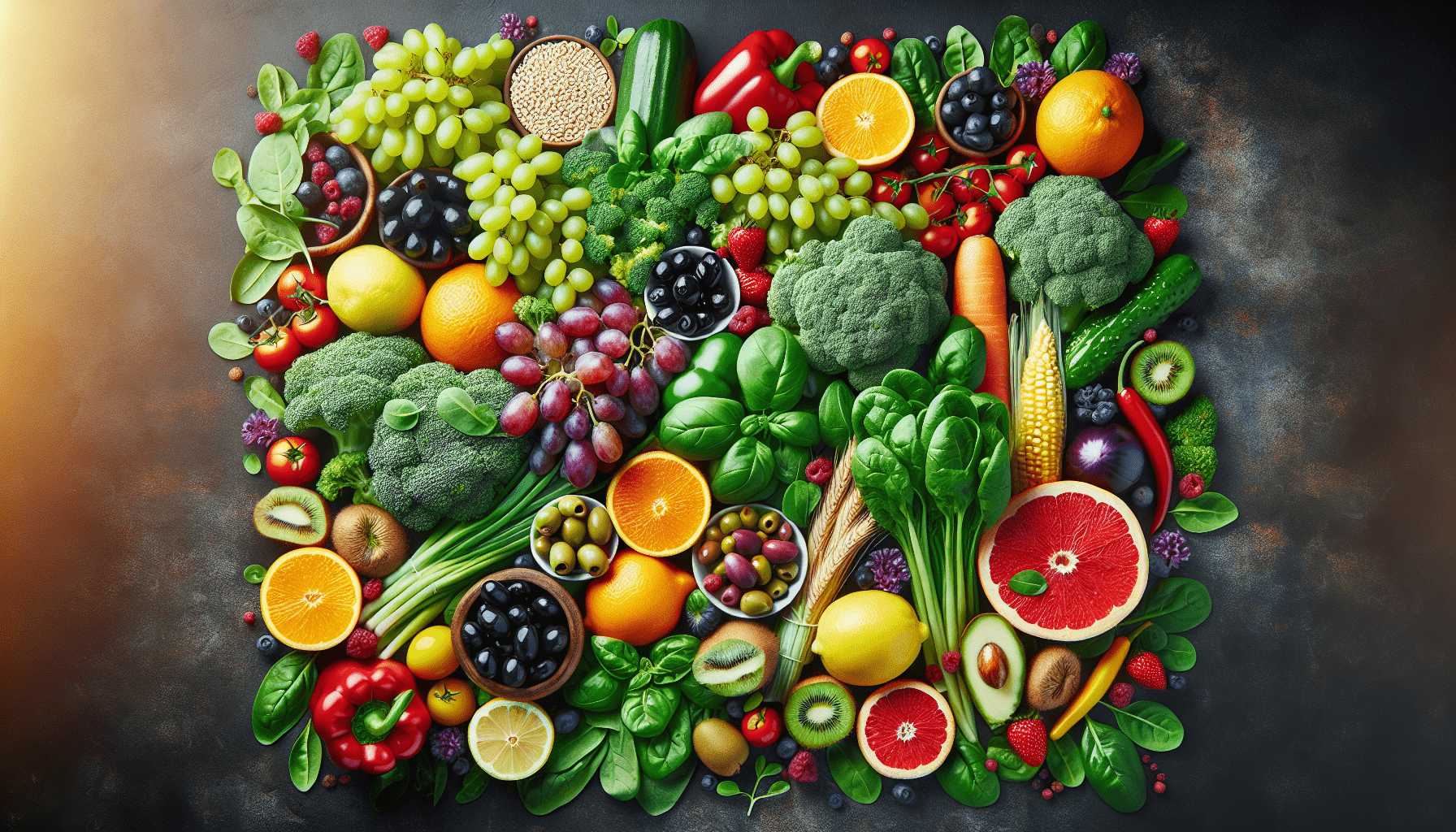
The Mediterranean Diet encourages you to include a variety of foods in your meals. You can enjoy colorful and flavorful fruits and vegetables, such as tomatoes, spinach, broccoli, and citrus fruits. Whole grains like brown rice and quinoa provide a great source of fiber and nutrients. Legumes like chickpeas and lentils are also rich in protein.
To add healthy fats to your diet, use olive oil as your primary cooking oil and enjoy olives and avocados. Fish, especially fatty fish like salmon and sardines, provides omega-3 fatty acids. Moderate amounts of poultry, eggs, and dairy products like Greek yogurt and cheese can also be included.
Benefits for weight loss
The Mediterranean Diet is known for its numerous health benefits, including weight loss. By focusing on nutrient-rich whole foods, this diet helps you feel satisfied and promotes portion control. It also encourages the consumption of lean proteins, which can help build lean muscle mass and boost your metabolism.
The high fiber content in fruits, vegetables, and whole grains helps regulate blood sugar levels and keeps you feeling full for longer. The inclusion of healthy fats supports satiety and reduces cravings for unhealthy snacks. This diet also encourages regular physical activity, which contributes to weight loss and overall well-being.
Cautions and considerations
While the Mediterranean Diet is generally considered safe and balanced, it may not be suitable for everyone. Individuals with certain medical conditions, such as kidney disease, may need to modify their intake of certain foods, such as legumes. It’s important to consult with a healthcare professional or a registered dietitian before making any significant changes to your diet, especially if you have any underlying health concerns.
It’s also important to be mindful of portion sizes, as overeating even healthy foods can hinder weight loss efforts. Lastly, although the Mediterranean Diet encourages the consumption of healthy fats, those aiming for weight loss should still consider their overall calorie intake and the energy balance equation.
2. The Keto Diet
Origins and principles
The Keto Diet, short for ketogenic diet, is a low-carbohydrate, high-fat diet that promotes the body’s transition into a state of ketosis. This metabolic state occurs when the body receives a minimal amount of carbohydrates, forcing it to burn stored fat for energy. The diet originated as a medical intervention for children with epilepsy but gained popularity for weight loss.
Foods to include
The Keto Diet focuses on consuming foods that are high in healthy fats and low in carbohydrates. For example, foods like avocados, coconut oil, and olive oil are encouraged, as they provide essential fats. Nuts, seeds, and nut butters also contribute to overall fat intake.
Non-starchy vegetables like leafy greens and cruciferous vegetables are allowed in moderation, as they are low in net carbohydrates. Protein sources like meat, fish, and poultry can be included, but in controlled portions.
Benefits for weight loss
One of the primary benefits of the Keto Diet for weight loss is its ability to promote fat burning. By restricting carbohydrates, the body relies on stored fat as its main source of energy. This can lead to significant weight loss, especially in the initial stages of the diet.
The high-fat content of the diet also contributes to increased satiety, helping individuals feel full and satisfied with their meals. This can lead to a reduced calorie intake and may result in weight loss over time. Additionally, the diet helps stabilize blood sugar levels and reduces cravings, which can further support weight loss efforts.
Cautions and considerations
The Keto Diet is a highly restrictive diet and may not be sustainable for everyone. It requires significant changes in eating habits, which can be challenging to maintain in the long term. It’s important to be aware of potential side effects, such as the “keto flu” experienced during the initial transition period, which may include symptoms like fatigue, headache, and nausea.
This diet may not be suitable for individuals with certain medical conditions, such as diabetes or pancreatitis, or those who are pregnant or breastfeeding. It’s crucial to consult with a healthcare professional before starting the Keto Diet, especially if you have any underlying health concerns.
3. The Paleo Diet
Origins and principles
The Paleo Diet, also known as the Caveman Diet or Paleolithic Diet, is based on the presumed eating patterns of our ancient ancestors during the Paleolithic era. The concept behind this diet is to mimic the diet of our hunter-gatherer ancestors before the advent of agriculture. It emphasizes whole, unprocessed foods and excludes grains, legumes, and dairy products.
Foods to include
The Paleo Diet encourages the consumption of lean proteins, such as grass-fed meat, poultry, and eggs. Fish and seafood, including oily fish like salmon, are also recommended. Fruits and vegetables, especially non-starchy varieties, are a significant part of this diet.
Nuts and seeds, excluding peanuts, are allowed in moderation. Healthy fats from sources like avocados, olive oil, and coconut oil are included. Some versions of the Paleo Diet may allow small amounts of honey or maple syrup as natural sweeteners.
Benefits for weight loss
The Paleo Diet advocates for nutrient-dense foods and minimizes processed and refined foods. This can promote weight loss by reducing overall calorie intake and improving the quality of food consumed.
The emphasis on lean proteins and high-fiber fruits and vegetables helps increase satiety, keeping you full for longer periods. The elimination of grains and legumes, which are higher in carbohydrates, may lead to improved blood sugar control and reduced cravings for sugary and starchy foods.
Cautions and considerations
While the Paleo Diet encourages the consumption of whole foods, it may restrict essential nutrients found in grains, legumes, and dairy products. Therefore, careful planning and attention to nutrient intake are necessary to prevent deficiencies.
The elimination of entire food groups may also make it more challenging to meet certain dietary requirements, such as calcium from dairy or vitamin B12 from fortified grains. It’s crucial to consult with a registered dietitian or healthcare professional to ensure a balanced and adequate nutrient intake while following the Paleo Diet.
4. The Vegan Diet
Origins and principles
The Vegan Diet is a plant-based eating pattern that excludes all animal products, including meat, fish, poultry, dairy, and eggs. It originated as a lifestyle choice based on ethical, environmental, and health considerations.
Foods to include
The Vegan Diet focuses on whole plant foods, including fruits, vegetables, whole grains, legumes, nuts, and seeds. These foods provide a wide range of essential nutrients such as vitamins, minerals, and dietary fiber.
To ensure adequate protein intake, vegans can consume plant-based protein sources like tofu, tempeh, seitan, lentils, beans, and legumes. Fortified plant-based milk alternatives, such as soy or almond milk, can be included to meet calcium needs. Healthy fats can be obtained from sources like avocados, nuts, and seeds.
Benefits for weight loss
The Vegan Diet can be effective for weight loss due to its emphasis on nutrient-dense, low-calorie foods. Plant-based diets are generally lower in saturated fats and higher in fiber, which can promote weight loss and help maintain a healthy weight.
The high fiber content of plant-based foods contributes to increased satiety, reducing overall calorie intake. Additionally, plant-based diets are generally lower in energy density, meaning you can consume larger portions of food with fewer calories, further supporting weight loss efforts.
Cautions and considerations
While a well-planned Vegan Diet can meet all nutrient needs, it requires careful attention to certain nutrients that may be lacking in a plant-based diet. Vitamin B12, for example, is primarily found in animal-based products and may require supplementation or fortified foods.
Iron, calcium, omega-3 fatty acids, and vitamin D are other nutrients that need careful consideration and may require supplementation or the inclusion of fortified foods. It’s important to work with a registered dietitian or healthcare professional to ensure a nutritionally balanced and adequate vegan diet.
5. The Atkins Diet
Origins and principles
The Atkins Diet is a low-carbohydrate diet developed by Dr. Robert Atkins in the 1960s. This diet focuses on reducing carbohydrate intake, primarily in the form of refined and processed carbohydrates, while increasing protein and fat intake.
Foods to include
The Atkins Diet allows for a variety of protein-rich foods, including meat, poultry, fish, and eggs. Healthy fats like avocados, olive oil, and nuts are also included. Low-carbohydrate vegetables, such as leafy greens, broccoli, and cauliflower, can be consumed in generous amounts.
The diet restricts or limits foods high in carbohydrates, such as grains, starchy vegetables, and sugary foods. These include bread, pasta, rice, potatoes, and sweets.
Benefits for weight loss
The Atkins Diet’s primary benefit for weight loss is its ability to promote a state of ketosis, similar to the Keto Diet. By restricting carbohydrates, the body shifts into burning fat for fuel, leading to weight loss.
Reducing refined carbohydrates and increasing protein intake helps increase satiety and reduce cravings. This can lead to a decreased calorie intake and facilitate weight loss. Additionally, the initial water weight loss due to reduced carbohydrate intake can provide rapid weight loss, which can be motivating for some individuals.
Cautions and considerations
The Atkins Diet’s restrictive nature can make it challenging to meet nutrient needs, especially for long-term adherence. The elimination or significant reduction of entire food groups, such as fruits, whole grains, and legumes, may lead to inadequate intake of essential vitamins, minerals, and dietary fiber.
The high intake of saturated fats from animal sources may also raise concerns about cardiovascular health. It’s important to consult with a healthcare professional or registered dietitian before starting the Atkins Diet, especially if you have any underlying health concerns.
6. The DASH Diet
Origins and principles
The DASH (Dietary Approaches to Stop Hypertension) Diet originated through research funded by the National Heart, Lung, and Blood Institute. It is designed to lower blood pressure and improve overall health.
Foods to include
The DASH Diet focuses on consuming nutrient-rich foods that are low in sodium and saturated fats. It encourages the consumption of fruits, vegetables, whole grains, lean proteins, and low-fat dairy products.
Fruits and vegetables should make up a significant portion of meals, providing a variety of vitamins, minerals, and dietary fiber. Whole grains like brown rice, quinoa, and whole wheat bread are recommended for their higher nutrient content.
Lean sources of protein, such as skinless poultry, fish, beans, and nuts, promote heart health. Low-fat dairy products, like skim milk and yogurt, provide calcium and other essential nutrients.
Benefits for weight loss
While the primary focus of the DASH Diet is to lower blood pressure, it can also support weight loss. By emphasizing nutrient-dense foods and reducing the intake of sodium and processed foods, individuals can naturally reduce their calorie intake and maintain a healthy weight.
The high fiber content found in fruits, vegetables, and whole grains helps maintain satiety and regulate blood sugar levels. The inclusion of lean proteins and low-fat dairy products can also support muscle maintenance and promote weight loss.
Cautions and considerations
The DASH Diet is generally considered a safe and balanced approach to eating. However, individuals with certain dietary restrictions, such as lactose intolerance or gluten sensitivity, may need to modify the diet to accommodate their needs.
It’s also important to be mindful of portion sizes and calorie intake to ensure weight loss if that is the goal. Additionally, the DASH Diet is more focused on overall health and blood pressure management rather than rapid weight loss. It may be better suited for those looking for a long-term lifestyle change rather than a quick fix.
7. The Flexitarian Diet
Origins and principles
The Flexitarian Diet, a portmanteau of flexible and vegetarian, is a flexible approach to eating that encourages the consumption of plant-based foods while allowing for occasional consumption of meat, poultry, and fish.
Foods to include
The Flexitarian Diet places emphasis on plant-based foods like fruits, vegetables, whole grains, legumes, nuts, and seeds. These foods provide essential nutrients and are rich in dietary fiber.
While meat, poultry, and fish can be included in this diet, they are consumed in smaller quantities and less frequently. The focus is on choosing quality and sustainably sourced animal products when consumed.
Benefits for weight loss
The Flexitarian Diet’s flexibility allows for a sustainable approach to weight loss. By promoting the consumption of plant-based foods, individuals can increase their intake of fiber and nutrients while reducing calorie-dense foods.
The higher fiber content in plant-based foods promotes satiety, helping individuals feel full and satisfied with their meals. This can lead to reduced calorie intake and support weight loss efforts.
The reduced intake of animal products can also contribute to weight loss as they tend to be higher in saturated fats and cholesterol. Replacing animal-based proteins with plant-based proteins can also support weight management.
Cautions and considerations
While the Flexitarian Diet offers flexibility, it’s important to ensure that the diet remains balanced and provides all essential nutrients. Individuals need to be mindful of nutrient intake, especially vitamins like B12, iron, and omega-3 fatty acids, which are predominantly found in animal-based foods.
It’s crucial to plan meals carefully to ensure sufficient amounts of protein, calcium, iron, and other essential nutrients. Consulting with a registered dietitian or healthcare professional can help ensure that the diet is nutritionally balanced and adequately meets individual needs.
8. The WW (Weight Watchers) Diet
Origins and principles
The WW (Weight Watchers) Diet is a popular weight loss program that focuses on a point-based system. It assigns points to different foods based on their nutritional value, with the goal of encouraging a balanced and sustainable approach to eating.
Foods to include
The WW Diet does not restrict any specific foods. Instead, it assigns a point value to foods based on their nutritional content, with a focus on minimizing saturated fats and added sugars. The program encourages the consumption of fruits, vegetables, lean proteins, and whole grains.
Portion control is a key aspect of the WW Diet, as each individual is assigned a daily points allowance based on their weight, age, gender, and activity level. The program provides tools and resources to track and manage points throughout the day.
Benefits for weight loss
The WW Diet’s point system provides a structured approach to weight loss by promoting portion control and encouraging the consumption of nutrient-dense foods. By assigning values to foods, it helps individuals make more informed choices and promotes daily calorie control.
The program also provides support and community through meetings, online platforms, and resources to help individuals stay motivated and accountable. This support system can contribute to successful weight loss and long-term weight management.
Cautions and considerations
While the WW Diet is generally considered safe and effective for weight loss, it’s important to remember that counting points is just one aspect of a healthy lifestyle. It’s essential to focus on the overall quality of the diet and prioritize nutrient-dense foods.
Individuals may need to be mindful of their individual needs and seek additional support, such as consulting with a registered dietitian or healthcare professional, to ensure that they are meeting their nutrient requirements while following the WW Diet.
9. The Zone Diet
Origins and principles
The Zone Diet was developed by Dr. Barry Sears and is based on the concept of balancing macronutrients to control insulin levels. The diet aims to maintain stable blood sugar levels and optimize hormonal balance.
Foods to include
The Zone Diet emphasizes a balance of macronutrients, with each meal consisting of 40% carbohydrates, 30% protein, and 30% fat. It encourages the consumption of whole, unprocessed foods.
Lean proteins like chicken, fish, and tofu provide a source of high-quality protein. Complex carbohydrates like fruits, vegetables, and whole grains are recommended. Healthy fats like olive oil, nuts, and avocados are also included.
Benefits for weight loss
The Zone Diet’s focus on balanced portion sizes and macronutrient ratios can support weight loss efforts. The balanced meals help regulate blood sugar levels and reduce cravings for unhealthy snacks.
The inclusion of lean proteins and healthy fats promotes satiety and can help control hunger between meals. The diet’s emphasis on whole, unprocessed foods also supports overall health and can contribute to weight loss.
Cautions and considerations
While the Zone Diet offers a balanced approach to eating, it can be restrictive for some individuals. The prescribed macronutrient ratios may not be suitable for everyone, especially those with specific medical conditions or individual dietary needs.
Individuals may also need to be mindful of portion sizes and overall calorie intake to ensure weight loss. It’s important to consult with a registered dietitian or healthcare professional to ensure that the diet is tailored to individual needs and goals.
10. Intermittent Fasting
Origins and principles
Intermittent Fasting (IF) is not a diet in the traditional sense but rather an eating pattern that cycles between periods of fasting and eating. There are several different methods of intermittent fasting, but they all involve restricting eating to specific time windows.
Different fasting methods
Popular methods of intermittent fasting include the 16/8 method, where you fast for 16 hours and restrict eating to an 8-hour window, and alternate-day fasting, where you fast every other day or severely restrict calorie intake on fasting days.
Other methods include the 5:2 diet, where you eat normally for five days and restrict calorie intake to 500-600 calories on two non-consecutive days, and spontaneous meal skipping, where you skip meals when convenient or not hungry.
Benefits for weight loss
Intermittent Fasting can be an effective tool for weight loss due to its calorie restriction and potential metabolic benefits. By limiting the eating window, individuals naturally consume fewer calories.
Intermittent Fasting has also been shown to improve insulin sensitivity and increase human growth hormone levels, which can enhance fat burning and muscle growth. The autophagy process, where the body removes damaged cells, may also be increased during fasting.
Cautions and considerations
Intermittent Fasting is not suitable for everyone, especially those with certain medical conditions like diabetes or a history of eating disorders. It’s important to consult with a healthcare professional or registered dietitian before starting any fasting regimen.
Individuals may experience initial discomfort, such as hunger or irritability, during the adjustment period. It’s essential to listen to your body and ensure that you are still meeting your nutrient needs during the eating window.
It’s important to remember that Intermittent Fasting should be seen as a tool for weight loss and not a magic solution. A balanced and healthy diet during the eating window is crucial for overall health and successful weight loss.
In conclusion, there are numerous popular diets for weight loss, each with its own unique principles, foods to include, and potential benefits. It’s important to choose a diet that aligns with your personal preferences, lifestyle, and health goals. Consulting with a registered dietitian or healthcare professional can provide personalized guidance and ensure that your chosen diet meets your nutritional needs. Remember, sustainable weight loss is best achieved through a balanced and varied diet, regular physical activity, and a lifestyle that supports overall health and well-being.