

You’ve probably experienced moments where you struggled to touch your toes or reach for something on a high shelf. Flexibility and mobility play a crucial role in our daily lives, allowing us to move freely and perform everyday tasks with ease. Whether you’re an athlete looking to enhance your performance or someone simply seeking to improve your overall well-being, this article will provide you with valuable tips and techniques to boost your flexibility and mobility. Discover effective stretches, exercises, and lifestyle changes that will help you move with grace and ensure a more active and fulfilling life.
Understanding Flexibility and Mobility
Flexibility refers to the ability of your muscles and joints to move through a full range of motion. It is determined by the elasticity of your muscles, tendons, and ligaments. In contrast, mobility refers to the ability of your joints to move freely and without pain. It is influenced by factors such as joint structure, muscle strength, and joint stability.
Both flexibility and mobility are important for maintaining overall physical health and preventing injuries. Having good flexibility allows you to perform daily activities with ease and reduces the risk of muscle strains or tears. On the other hand, optimal mobility helps improve your posture, balance, and coordination, enabling you to move efficiently in various physical activities.
Flexibility Exercises
There are various exercises you can incorporate into your fitness routine to improve flexibility.
Static stretching
Static stretching involves holding a stretch for a prolonged period, typically for about 30 seconds. This exercise is beneficial for lengthening muscles and increasing their flexibility. It is often performed after a workout or as part of a cool-down routine.
Dynamic stretching
Dynamic stretching involves moving your body through a full range of motion, targeting multiple muscle groups. Unlike static stretching, dynamic stretching is performed in a controlled and rhythmic manner, promoting blood flow and warming up the muscles. It is commonly used as part of a warm-up routine before physical activities.
PNF stretching
Proprioceptive neuromuscular facilitation (PNF) stretching is a technique that combines both static stretching and isometric contractions. It involves stretching a muscle to its maximum length, then contracting the opposing muscle group for a few seconds, followed by another static stretch. PNF stretching is known to effectively increase flexibility and range of motion.
Yoga poses for flexibility
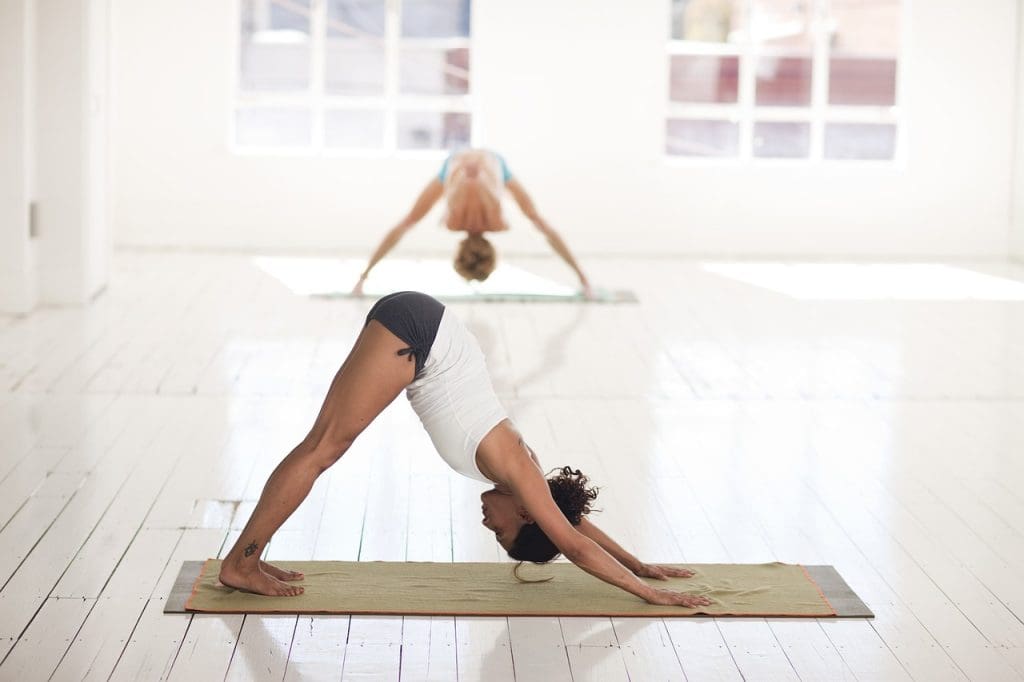
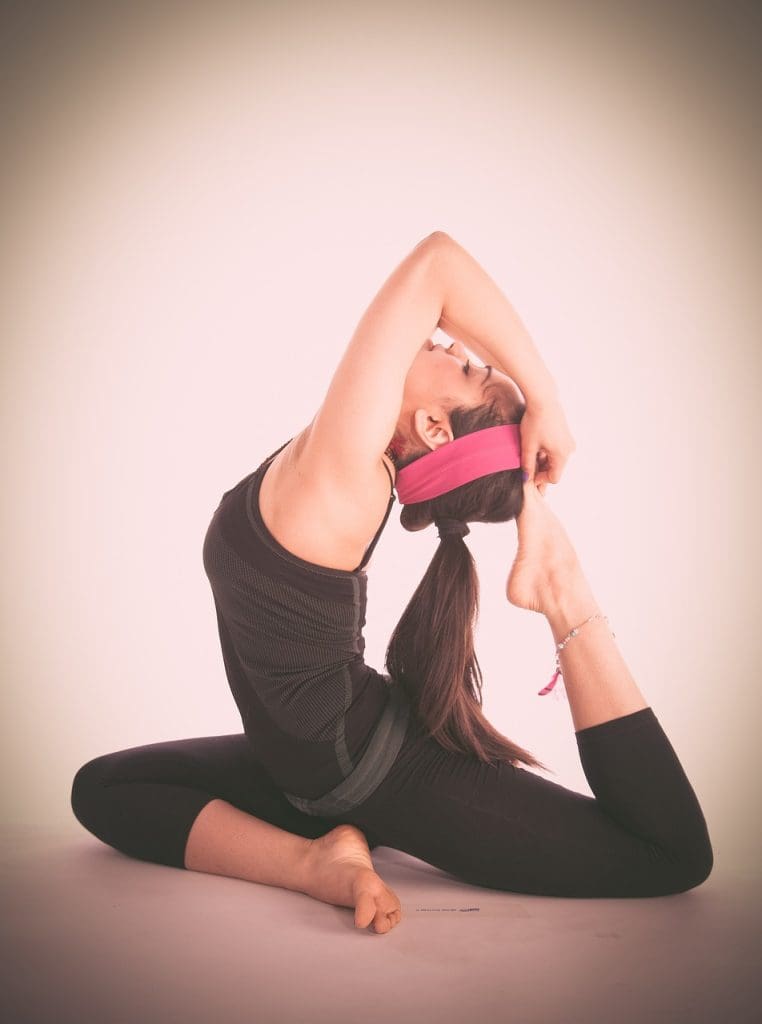
Yoga is a discipline that combines physical postures, breath control, and meditation. Many yoga poses focus on stretching and lengthening muscles, promoting flexibility and mobility. Poses such as downward dog, standing forward bend, and pigeon pose can help improve flexibility in the hips, hamstrings, and back.
Mobility Exercises
Mobility exercises specifically target joint mobility and function. Here are some exercises to enhance your joint mobility:
Joint mobility exercises
Joint mobility exercises involve actively moving your joints through their full range of motion. These exercises help lubricate the joints, improve their stability, and prevent stiffness. Examples of joint mobility exercises include shoulder circles, hip rotations, and ankle alphabet.
Foam rolling
Foam rolling, also known as self-myofascial release, is a technique that uses a foam roller to apply gentle pressure on specific muscles or muscle groups. This helps alleviate muscle tension and trigger points, enhancing mobility and flexibility. Foam rolling is commonly performed before or after a workout.
Active mobility drills
Active mobility drills involve performing movements that challenge your joint mobility and stability. These drills require active muscle engagement and control throughout the exercise. Examples of active mobility drills include inchworms, walking lunges, and spinal rotations.
Pilates exercises for mobility
Pilates is a low-impact exercise method that focuses on strengthening the core and improving flexibility and mobility. Many Pilates exercises involve controlled movements and precise alignment, targeting areas such as the spine, hips, and shoulders. Exercises like the hundred, spine stretch forward, and saw can help enhance mobility.
Warm-up and Cool-down
Before diving into your workout, it’s essential to warm up your muscles and prepare your body for physical activity. Similarly, cooling down after exercise helps your body recover and gradually return to its resting state.
Benefits of warming up
A proper warm-up increases blood flow to your muscles, raises your body temperature, and improves joint lubrication. It also helps mentally prepare you for the workout ahead, reducing the risk of injuries and enhancing overall performance. Warming up can increase your flexibility and mobility, making it easier to perform exercises with a full range of motion.
Dynamic warm-up exercises
Dynamic warm-up exercises involve active movements that replicate the motions you’ll perform during your workout. These exercises effectively activate your muscles, boost circulation, and increase flexibility. Examples of dynamic warm-up exercises include arm circles, walking lunges, high knees, and leg swings.
Importance of cooling down
Cooling down after exercise allows your body to gradually return to its pre-exercise state. It helps reduce heart rate and blood pressure, prevent muscle soreness and stiffness, and promote the removal of metabolic waste products. A proper cool-down routine aids in recovery and improves flexibility and mobility.
Static stretches for cool-down
Static stretches are often performed during the cool-down phase to maintain or improve flexibility. They involve stretching a muscle to its comfortable limit and holding the position for about 15-30 seconds. Focus on major muscle groups, such as the quadriceps, hamstrings, and calves. Static stretches can help relax the muscles and prevent post-workout stiffness.

Proper Posture and Alignment
Maintaining proper posture and alignment is crucial for overall health and well-being. Poor posture can lead to muscle imbalances, joint misalignments, and an increased risk of injuries. Here’s how you can work on improving your posture and alignment:
Understanding correct posture
Correct posture involves aligning your body in a way that maintains the natural curves of your spine. It promotes a balanced distribution of weight through your bones and joints, reducing strain on muscles and ligaments. To maintain correct posture, envision a straight line connecting your earlobe, shoulder, hip, knee, and ankle.
Exercises for improving posture
Certain exercises can help strengthen the muscles responsible for proper posture. These exercises typically target the core, back, and shoulder muscles. Examples include planks, deadlifts, rows, and shoulder retractions. Incorporating these exercises into your routine can help improve your posture over time.
Ergonomic modifications for better alignment
In addition to exercises, making ergonomic modifications to your everyday life can contribute to better posture and alignment. Adjusting your workspace, using ergonomic chairs or desks, and maintaining a neutral spine position while sitting or standing can make a significant difference. These modifications provide support to your body and promote good posture throughout the day.
Strengthening for Flexibility and Mobility
Strengthening exercises play a vital role in improving flexibility and mobility. By developing strength in the muscles that support your joints, you enhance stability and move more efficiently. Here are some exercises to consider:
Resistance training
Resistance training, using weights or resistance bands, helps build strength in specific muscle groups. Focus on exercises that target major muscle groups, such as squats, lunges, deadlifts, and push-ups. Strengthening these muscles enhances joint stability and improves overall mobility.
Core exercises for stability
A strong core is essential for maintaining good posture and balance. Core exercises target the muscles in your abdomen, lower back, and pelvis. Planks, Russian twists, bridges, and bicycle crunches are effective for strengthening your core and improving stability.
Balance exercises for improved mobility
Enhancing your balance is crucial for better mobility. Balance exercises challenge your stabilizer muscles and improve joint stability. Examples include single-leg balance, heel-to-toe walk, yoga tree pose, and tai chi movements. Regularly practicing these exercises can help improve your overall mobility and reduce the risk of falls or injuries.
Incorporating Mobility Training into Workouts
To fully reap the benefits of mobility training, it’s important to incorporate it into your workouts. Here’s how you can do that:
Types of workouts for mobility
Choose workouts that prioritize mobility, such as yoga, Pilates, or functional training. These workouts often involve a combination of flexibility, mobility, and strength exercises. They focus on improving movement patterns and overall body control.
Mobility warm-up routines
Start your workouts with a dedicated mobility warm-up routine. This routine should include dynamic stretches and mobility drills that target the muscles and joints you’ll be using during the workout. By preparing your body for movement, you’ll be able to perform exercises with better form and increased range of motion.
Mobility drills during workout
Incorporate mobility drills into your workout routine. These drills can be performed in between sets or exercises to keep your muscles and joints activated. For example, you can perform hip circles or arm swings to promote mobility and flexibility during a strength training session.
Cool-down routine for improved mobility
Finish your workouts with a cool-down routine that focuses on maintaining or improving your flexibility and mobility. Perform static stretches for major muscle groups, paying extra attention to areas that feel tight or restricted. This cool-down routine will help your body recover and aid in improving long-term flexibility and mobility.
Flexibility and Mobility for Specific Sports
Different sports have varying flexibility and mobility requirements. Here are some considerations for specific sports:
Flexibility needs in endurance sports
Endurance sports, such as running or cycling, require good flexibility in the lower body. Stretching the hip flexors, quadriceps, hamstrings, and calves is important for maintaining proper running or cycling form. Incorporate targeted stretching exercises for these muscle groups into your training routine.
Mobility requirements in strength training
Strength training often involves compound movements that require a wide range of motion. Having good mobility in the hips, shoulders, and spine is essential for proper execution of exercises like squats, deadlifts, and overhead presses. Performing mobility exercises specific to these areas can help improve your strength training performance and reduce the risk of injuries.
Specific exercises for different sports
Certain sports may require specific flexibility and mobility training. For example, gymnastics or martial arts may benefit from exercises that emphasize flexibility in the hips, shoulders, and spine. Consult with a coach or trainer familiar with your sport to identify specific exercises that will enhance your performance and reduce the risk of sport-specific injuries.
Injury Prevention through Flexibility and Mobility
Flexibility and mobility training are crucial for injury prevention. Here’s how they can help:
Reducing the risk of muscle strains
Improving flexibility in muscles and tendons reduces the risk of strains or tears. By regularly stretching and ensuring proper mobility, you promote healthy muscle elasticity, allowing muscles to absorb impact and handle movements more effectively.
Preventing joint injuries
Maintaining good joint mobility and stability can help prevent common joint injuries, such as sprains or dislocations. Properly aligned joints withstand external forces better, reducing the risk of undue stress on ligaments or other supportive structures.
Stretching and mobility exercises for injury prevention
Incorporating a regular stretching and mobility routine into your fitness regimen can significantly reduce the risk of injuries. By targeting key muscle groups and joints, you can improve their flexibility, enhance range of motion, and minimize muscle imbalances.
Progressive Overload in Flexibility and Mobility Training
Progressive overload is a principle commonly applied in strength training, but it can also be applied to flexibility and mobility training. Here’s how it works:
Understanding progressive overload principle
The progressive overload principle involves gradually increasing the demands placed on your body to stimulate adaptations. In the context of flexibility and mobility training, this means progressively challenging your muscles and joints to achieve greater flexibility and improved range of motion.
Gradual increase in flexibility exercises
To apply progressive overload to your flexibility training, gradually increase the intensity and duration of your stretches over time. This can be done by applying slightly more force or holding the stretch for a longer period. Be patient and avoid pushing beyond your comfort zone too quickly to prevent injury.
Modifiers and advancements for mobility training
For mobility training, you can apply the progressive overload principle by gradually progressing to more challenging exercises or increasing the range of motion in existing exercises. For example, if you’re performing shoulder mobility exercises, you can start with simple shoulder circles and gradually progress to more complex movements, such as external rotations with resistance bands.
By consistently challenging yourself with increased intensity or difficulty, you can continue to improve your flexibility and mobility over time.
In conclusion, improving flexibility and mobility is crucial for overall physical health, injury prevention, and performance enhancement. By incorporating a variety of exercises and techniques targeted at flexibility and mobility, you can enhance your range of motion, prevent injuries, and optimize your body’s movement capabilities. Whether you’re a dedicated athlete or simply aiming to maintain a healthy and active lifestyle, incorporating flexibility and mobility training into your routine will benefit you in the long run.