

Whether you’re new to the world of homeopathic remedies or simply curious about natural healing, this beginner’s guide will provide you with a comprehensive overview of the benefits and uses of homeopathic remedies. Discover how these natural remedies can support your body’s ability to heal itself, boost immunity, and address a wide range of common ailments. From the basics of homeopathy to practical tips for incorporating remedies into your everyday life, this guide will equip you with the knowledge you need to embark on your journey towards holistic health and wellness.
Understanding Homeopathy
What is homeopathy?
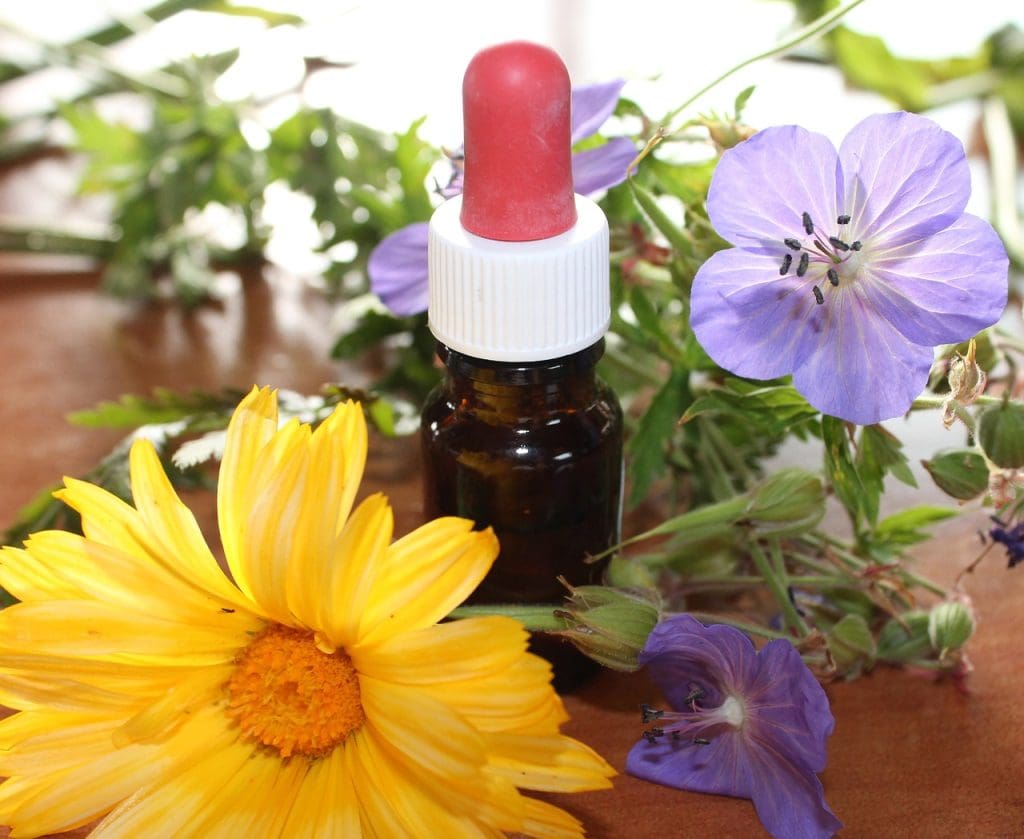
Homeopathy is a holistic system of medicine that aims to stimulate the body’s natural healing abilities. It was developed in the late 18th century by Samuel Hahnemann, a German physician. Homeopathic remedies are made from natural substances such as plants, minerals, and animals, which are then diluted and potentized to make them safe and effective. Homeopathy operates on the principle of “like cures like,” meaning that a substance that causes symptoms in a healthy person can be used to treat similar symptoms in a sick person.
Principles of homeopathy
Homeopathy is guided by three principles:
-
Like cures like: As mentioned earlier, a substance that can cause symptoms in a healthy person can stimulate the body’s natural healing response to treat similar symptoms in an ill person.
-
Minimum dose: Homeopathic remedies are prepared through a process of serial dilutions and succussions, which makes them highly diluted yet energetically potent. The belief is that the more a remedy is diluted, the greater its healing power becomes.
-
Individualized treatment: Homeopathy recognizes that each person is unique and experiences illness in their own way. Therefore, treatment is tailored to the individual’s specific symptoms and overall constitution rather than a one-size-fits-all approach.
How does homeopathy work?
Homeopathy works by stimulating the body’s vital force, which is believed to maintain balance and harmony within the body. When the vital force is disrupted, illness occurs. By administering a homeopathic remedy that matches the person’s symptoms, the vital force is gently nudged back into balance, allowing the body to heal itself. Homeopathy is not merely symptom-driven; it seeks to address the underlying cause of illness rather than suppress symptoms.
Difference between homeopathy and conventional medicine
Homeopathy and conventional medicine differ in their approach to healing. Conventional medicine tends to focus on suppressing symptoms with drugs or surgical interventions, while homeopathy focuses on stimulating the body’s innate healing abilities. Conventional medicine often uses larger doses of medications, whereas homeopathy employs highly diluted remedies. Additionally, homeopathy considers the whole person, including their physical, mental, and emotional health, while conventional medicine tends to isolate symptoms and treat them separately. Both approaches have their merits, and many people find that combining the strengths of both paradigms can lead to optimal health outcomes.
Common Homeopathic Remedies
Arnica montana
Arnica montana, commonly known as Arnica, is frequently used for treating bruises, muscle soreness, and trauma. It is also known to reduce swelling and alleviate pain associated with injuries. Arnica is particularly popular among athletes and those who engage in physical activities.
Belladonna
Belladonna, derived from a poisonous plant called Deadly Nightshade, is often used to treat symptoms of acute inflammation, high fever, intense throbbing headaches, and redness of the skin. It may be helpful in cases of sudden onset ailments and is known for its rapid action.
Chamomilla
Chamomilla, obtained from the chamomile plant, is frequently used for treating teething pain in infants, colic, and irritability. It is also considered beneficial for menstrual discomfort and digestive complaints accompanied by restlessness.
Nux vomica
Nux vomica, derived from the seeds of the Strychnine tree, is commonly used to address digestive issues such as indigestion, heartburn, and constipation. It is also believed to be helpful for alleviating symptoms of hangovers, stress, and irritability.
Apis mellifica
Apis mellifica, made from honeybee venom, is often used to relieve symptoms of insect bites, hives, and swelling caused by allergic reactions. It may also be beneficial for certain types of edema and urinary tract infections.
Pulsatilla
Pulsatilla, derived from the windflower, is frequently used in cases of respiratory congestion, colds with thick yellow-green discharge, and ear infections. It is often recommended for individuals who experience changeable symptoms and have a craving for fresh air.
Rhus toxicodendron
Rhus toxicodendron, obtained from poison ivy, is commonly used for joint and muscle pain that worsens with initial movement and improves with continued motion. It is often recommended for conditions such as arthritis and sprains.
Ignatia
Ignatia, derived from the seeds of the St. Ignatius bean, is often used for emotional distress, grief, and symptoms related to sudden emotional shocks. It may also be beneficial for headaches and digestive complaints triggered by emotional upset.
Gelsemium
Gelsemium, obtained from the yellow jasmine plant, is commonly used for flu-like symptoms, such as fatigue, weakness, heaviness, and trembling. It is often recommended for anticipatory anxiety and fear.
Natrum muriaticum
Natrum muriaticum, commonly known as table salt, is frequently used for conditions related to fluid balance, such as excessive thirst, dryness, and watery nasal discharge. It is also believed to be helpful in cases of grief and emotional hardships.
Choosing and Preparing Homeopathic Remedies
Consulting a homeopath
To ensure the most effective and appropriate treatment, it is advisable to consult a qualified homeopath. A homeopath will consider your unique symptoms, overall health, and medical history to select the most suitable remedy for you. They may also provide guidance on the dosage and administration of the remedy.
Matching symptoms to remedies
Homeopathic remedies are chosen based on the principle of similarity, where the remedy chosen should closely match the person’s symptoms. It is important to carefully observe and describe your symptoms to your homeopath, including any accompanying emotional or mental symptoms. This will help in finding the remedy that best suits your individual case.
Understanding potency and dilution
Homeopathic remedies are diluted and succussed to increase their potency while minimizing any potential side effects. The level of dilution, known as the potency, is indicated by a number and letter (e.g., 30C). Higher potencies are more diluted and are often used for treating chronic conditions, while lower potencies are used for acute conditions. The choice of potency depends on the individual and the nature of their symptoms.
Choosing the right dosage form
Homeopathic remedies are available in various forms, including pellets, tablets, liquids, and topical creams. The choice of dosage form depends on the individual’s preferences and the nature of the condition being treated. Pellets and tablets are typically taken orally, while liquid remedies can be administered orally or topically.
Administering remedies
Homeopathic remedies are typically taken orally, either by dissolving them under the tongue or mixing them with water before ingestion. It is essential to follow the recommended dosage and frequency prescribed by the homeopath. Avoid consuming anything immediately before or after taking the remedy to ensure its optimum absorption.
Storing remedies properly
Homeopathic remedies should be stored in a cool and dry place, away from strong odors and sunlight. Avoid touching the pellets or tablets directly, as oils and moisture from your hands may contaminate them. It is recommended to keep remedies in their original packaging or in a labeled container to prevent mixing them up.
Treating Common Ailments with Homeopathy
Headaches and migraines
For occasional headaches or migraines, different homeopathic remedies may be indicated depending on the nature of the pain and accompanying symptoms. Remedies such as Belladonna, Bryonia, and Natrum muriaticum may be effective for various types of headaches. However, it is important to consult a homeopath to ensure an accurate diagnosis and appropriate remedy selection.
Colds and sinusitis
Homeopathic remedies like Aconite, Allium cepa, and Pulsatilla can be used to alleviate symptoms of colds and sinusitis, such as nasal congestion, runny nose, and sneezing. These remedies may help stimulate the body’s healing response and minimize the duration and severity of symptoms.
Digestive issues
Homeopathy offers remedies for various digestive complaints, including indigestion, bloating, and heartburn. Nux vomica, Carbo vegetabilis, and Lycopodium are commonly used remedies that may provide relief. However, chronic or severe digestive issues should be evaluated by a healthcare professional.
Muscle and joint pain
Arnica montana and Rhus toxicodendron are often recommended for muscle and joint pain, particularly when caused by overexertion or injury. These remedies can help reduce pain, inflammation, and promote the healing process. Consultation with a healthcare professional is advisable for chronic or worsening pain.
Anxiety and stress
Homeopathic remedies such as Ignatia and Gelsemium may help alleviate symptoms of anxiety and stress. These remedies are selected based on the individual’s emotional and mental state. However, it is important to seek professional help if anxiety or stress persists or significantly impacts daily functioning.
Insomnia
Homeopathic remedies like Coffea cruda and Nux vomica can be useful for treating occasional insomnia or sleep disturbances. These remedies may address issues such as difficulty falling asleep, restless sleep, or waking up too early. Chronic insomnia should be evaluated by a healthcare professional.
Allergies
Homeopathy offers remedies for various allergies, including hay fever, food allergies, and skin allergies. Remedies such as Allium cepa, Sabadilla, and Urtica urens may help alleviate symptoms like itching, sneezing, and watery eyes. It is advisable to consult a healthcare professional for severe or persistent allergies.
Skin conditions
Homeopathy provides remedies for various skin conditions, including eczema, psoriasis, and acne. Remedies such as Sulphur, Graphites, and Hepar sulphuris are frequently used to address skin symptoms. However, chronic or severe skin conditions may require additional medical intervention.
Women’s health
Homeopathic remedies can be beneficial for various women’s health concerns, including menstrual irregularities, menopause symptoms, and premenstrual syndrome (PMS). Remedies such as Sepia, Pulsatilla, and Lachesis may be suggested based on individual symptoms and hormonal imbalances. Seeking guidance from a healthcare professional who specializes in women’s health is recommended.
Children’s health
Homeopathy can be a gentle and effective form of treatment for various childhood conditions, including colic, teething pain, and common childhood illnesses. Chamomilla, Calcarea carbonica, and Aconite are commonly used remedies in pediatric homeopathy. It is essential to consult a qualified homeopath for accurate diagnosis and appropriate remedy selection for children.

Safety and Side Effects
Safety considerations
Homeopathic remedies are generally considered safe when used according to the recommended dosages and under the guidance of a qualified homeopath. However, it is important to disclose any pre-existing health conditions, allergies, or medications being taken to ensure compatibility and avoid potential complications.
Drug interactions
Like any form of medicine, homeopathic remedies can interact with other medications. It is crucial to inform your healthcare provider about the homeopathic remedies you are using, especially if you are taking prescription medications. They can help assess potential interactions and adjust treatment accordingly.
Possible side effects
Homeopathic remedies are highly diluted and generally considered to have minimal side effects. However, in rare cases, some individuals may experience temporary aggravation of symptoms or a mild hypersensitivity reaction. These effects are transient and usually resolve on their own. If any concerning symptoms persist or worsen, consult a healthcare professional.
When to seek professional help
Homeopathy can be a valuable component of comprehensive healthcare, but it is essential to know when professional help is necessary. Seek medical attention if symptoms worsen, persist, or are accompanied by severe pain, high fever, or any other alarming signs. Professional guidance is important for accurate diagnosis and appropriate treatment.
Integrating Homeopathy with Conventional Medicine
Consulting with healthcare professionals
Integrating homeopathy with conventional medicine requires open communication and collaboration with healthcare professionals. Inform your primary care physician and specialists about your use of homeopathic remedies to facilitate comprehensive care and avoid potential conflicts or interactions.
Combining homeopathy with other therapies
Homeopathy can complement other forms of therapy, such as physiotherapy, acupuncture, or counseling. Integrative treatment plans that combine multiple modalities can offer a holistic approach to healing and enhance overall well-being. Consultation with experienced practitioners in each field can optimize treatment outcomes.
Building a complementary treatment plan
When using both homeopathy and conventional medicine, it is beneficial to develop a complementary treatment plan. Work with your healthcare team to prioritize and coordinate treatments, ensuring they align with your goals and needs. Collaborative care can optimize results and provide a well-rounded approach to health.
Research and Evidence
Scientific studies on homeopathy
The field of homeopathy has faced scrutiny due to its reliance on highly diluted remedies. While research on homeopathy is ongoing, there is a growing body of scientific literature exploring its effects. Some studies suggest positive outcomes, while others highlight limitations or placebo effects. It is important to critically evaluate research findings and consult multiple sources for a balanced perspective.
Controversies and skepticism
Homeopathy has faced skepticism and controversy from various quarters, particularly regarding its mechanisms of action and efficacy beyond placebo effects. Critics argue that the highly diluted nature of homeopathic remedies renders them biologically inactive. However, proponents of homeopathy maintain that its effectiveness lies in its holistic approach and subtle energetic effects. The debate continues, and individuals are encouraged to make informed decisions based on their personal experiences and available evidence.
Finding reliable sources of information
When seeking information about homeopathy, it is crucial to rely on reliable and evidence-based sources. Organizations affiliated with homeopathy, reputable medical journals, and recognized academic institutions can provide accurate and unbiased information. It is also helpful to consult qualified healthcare professionals who have experience and knowledge in both conventional and homeopathic medicine.
Tips for Success with Homeopathy
Keeping a symptom journal
Maintaining a symptom journal can be valuable when using homeopathy. Recording specific symptoms, their intensity, and any triggering factors can help both you and your homeopath identify patterns and select the most appropriate remedy. It can also be useful for tracking progress and determining the effectiveness of treatments over time.
Being patient and consistent
Homeopathy takes a holistic approach to healing, focusing on long-term results rather than immediate relief of symptoms. It is important to be patient and consistent with your treatment plan, allowing sufficient time for the body to respond and rebalance. Consistency in taking remedies as prescribed and attending follow-up appointments can enhance the likelihood of successful outcomes.
Taking care of your overall health
Homeopathy is most effective when combined with a healthy lifestyle. Prioritize proper nutrition, regular exercise, adequate sleep, and stress management. Pay attention to your emotional well-being, as emotional imbalances can influence physical health. By taking a proactive role in your general well-being, you create a solid foundation for the effectiveness of homeopathic treatment.
Exploring self-help resources
There are various self-help resources available that can enhance your understanding and application of homeopathy. Books, online articles, and reputable websites can provide valuable insights into remedy selection, dosage, and self-care practices. However, remember that professional guidance is essential to ensure accurate diagnosis and appropriate treatment.
Building a support network
Seeking support from like-minded individuals can alleviate any doubts or concerns you may have about homeopathy. Joining local or online homeopathy support groups, attending workshops, or engaging with practitioners can provide a sense of community and additional resources to help you navigate your health journey.
Common Misconceptions About Homeopathy
Placebo effect
Critics often attribute the perceived effectiveness of homeopathy to the placebo effect, where a person’s belief in a treatment influences their response. While the placebo effect is a recognized phenomenon, research suggests that certain homeopathic remedies may offer benefits beyond placebo effects. The intricate nature of homeopathic remedies and their energetic properties are areas of ongoing scientific investigation.
Lack of scientific evidence
Homeopathy has been the subject of numerous scientific studies, but the interpretation of the results remains controversial. Some studies have shown positive outcomes, while others have highlighted limitations or inconclusive evidence. The complex nature of homeopathy and the challenges in designing suitable research methodologies contribute to the diversity of findings. It is important to stay informed and seek well-designed studies from reputable sources.
Misunderstanding the principles of homeopathy
Homeopathy’s principles, such as the concept of dilution and potentization, can be difficult to comprehend from a conventional medical perspective. This often leads to misconceptions about the efficacy and validity of homeopathy. Engaging with credible sources of information, consulting qualified practitioners, and keeping an open mind can help overcome these misunderstandings.
Confusion with herbal remedies
Homeopathy is frequently confused with herbal medicine due to their shared use of natural substances. While both practices utilize remedies derived from plants, minerals, and animals, the preparation and principles differ significantly. Homeopathy involves potentization and dilution to an extent where the original substance may be undetectable, focusing on energetics rather than biochemical actions. Understanding the distinction between homeopathy and herbal remedies is crucial in making informed choices.
Conclusion
Empowering yourself with knowledge about homeopathy is key when exploring natural healing alternatives. Understanding the principles of homeopathy, choosing appropriate remedies, and integrating homeopathy with conventional medicine can contribute to your overall well-being. Remember to consult qualified healthcare professionals, maintain open communication with your healthcare team, and critically evaluate available research and evidence. By making informed choices and taking an active role in your health, you can optimize the benefits of homeopathy and enhance your journey towards natural healing.