
Welcome to an insightful article on the important role of physical activity in preventive health. By incorporating regular exercise into your daily routine, you can significantly reduce your risk of chronic diseases such as heart disease, diabetes, and obesity. Not only does physical activity improve your overall physical health, but it also has numerous benefits for your mental well-being. Stay tuned to learn more about how staying active can help prevent illness and promote a healthier lifestyle for you.
Have You Been Wondering About the Role of Physical Activity in Preventive Health?
If you’ve been thinking about how physical activity can impact your overall health and well-being, you’ve come to the right place. In this article, we’ll explore the importance of physical activity in preventive health and how it can help you live a longer, healthier life. So, let’s dive in and discover the many benefits of staying active!
Understanding the Basics of Physical Activity
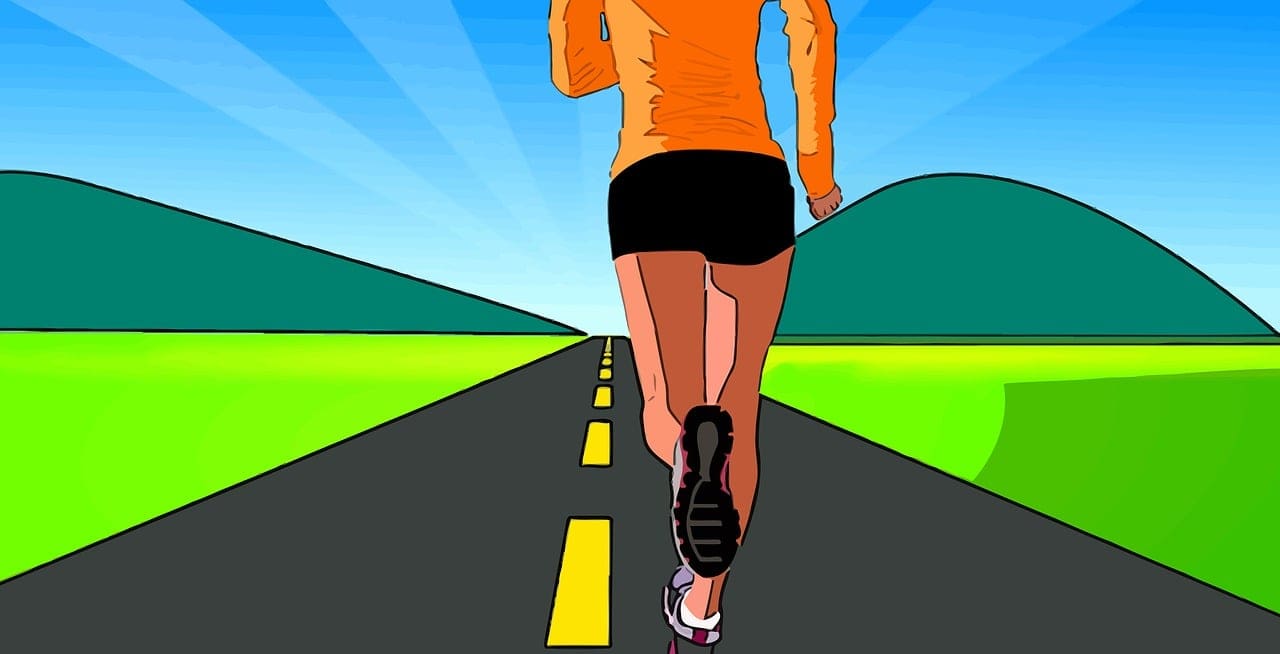
Before we delve into the specifics of how physical activity can improve your health, let’s first define what physical activity actually is. Physical activity refers to any movement that requires energy expenditure, such as walking, running, cycling, swimming, or dancing. It’s not just about going to the gym or participating in organized sports; even simple activities like gardening or taking the stairs instead of the elevator count as physical activity.
Why Physical Activity is Important for Preventive Health
Now that we know what physical activity is, let’s explore why it’s so crucial for preventive health. Regular physical activity has been shown to have numerous benefits for both your physical and mental well-being. From reducing the risk of chronic diseases to improving mood and cognition, staying active can significantly impact your overall health in a positive way.
The Benefits of Physical Activity for Preventive Health
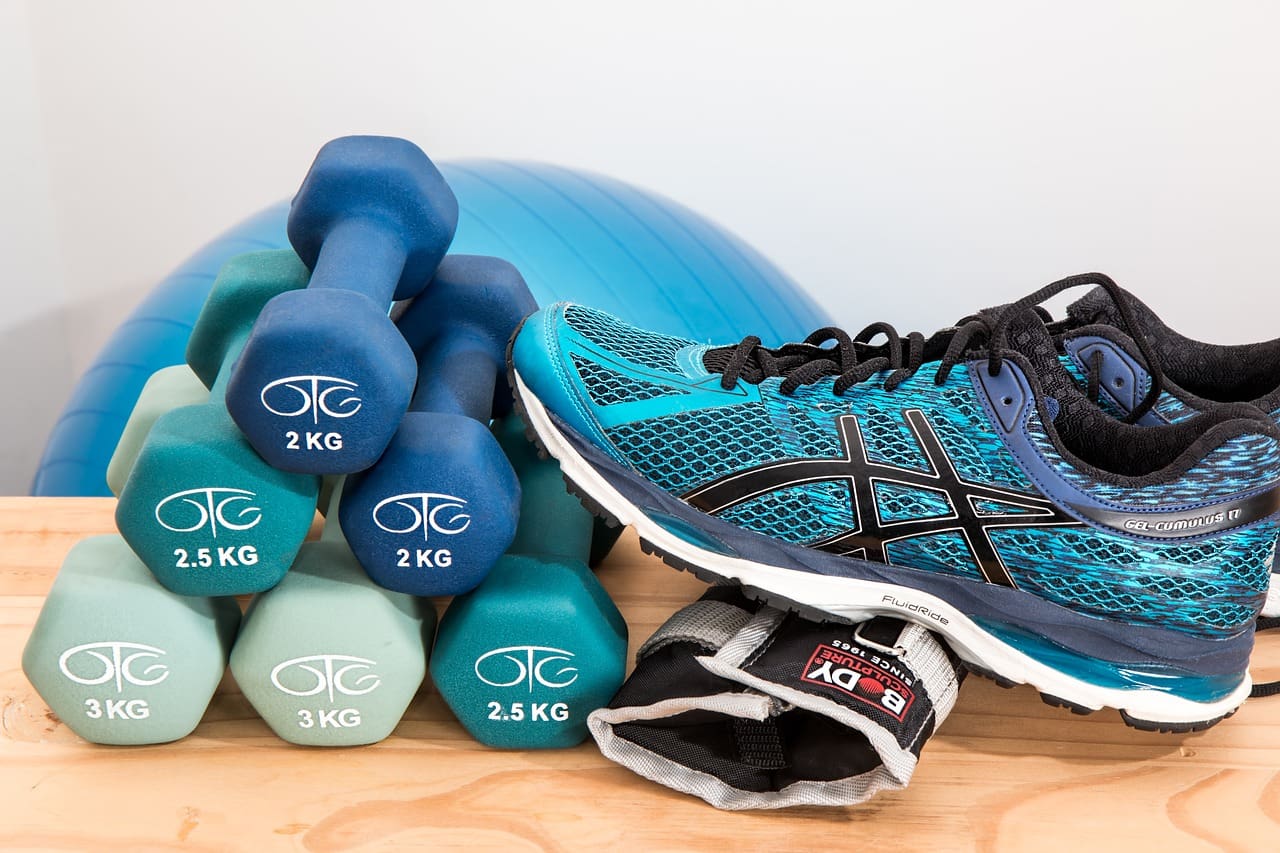
Below is a table outlining some of the key benefits of physical activity for preventive health:
| Benefit | Description |
|---|---|
| Reduces the risk of heart disease | Regular physical activity can help lower blood pressure, improve cholesterol levels, and reduce the risk of heart attacks and strokes. |
| Helps maintain a healthy weight | Physical activity burns calories, which can help you manage your weight and prevent obesity and its associated health risks. |
| Increases muscle strength and flexibility | Engaging in resistance training and flexibility exercises can help you build and maintain muscle mass, improve joint health, and reduce the risk of injuries. |
| Supports mental health and well-being | Physical activity releases endorphins, the “feel-good” hormones, which can help reduce stress, anxiety, and depression while boosting your mood and cognitive function. |
| Improves overall quality of life | Staying active can enhance your energy levels, sleep quality, and overall physical function, allowing you to enjoy a higher quality of life as you age. |
By incorporating physical activity into your daily routine, you can reap the many benefits it offers and take proactive steps towards better health.
How Much Physical Activity Do You Need?
One common question that often arises is: how much physical activity do you really need to maintain good health? The Department of Health and Human Services recommends that adults aim for at least 150 minutes of moderate-intensity aerobic activity or 75 minutes of vigorous-intensity aerobic activity each week, along with muscle-strengthening activities on two or more days per week.

Types of Physical Activity for Preventive Health
Physical activity comes in many forms, and it’s important to find activities that you enjoy and that suit your fitness level. Here are some common types of physical activity that can benefit your preventive health:
Aerobic Activities
Aerobic activities, also known as cardiovascular or endurance exercises, are great for improving your heart and lung health. Examples include:
- Walking
- Running
- Cycling
- Swimming
- Dancing
Strength Training
Strength training, also called resistance training, helps build muscle mass and strength, improve bone density, and boost metabolism. Some examples of strength training exercises include:
- Weightlifting
- Bodyweight exercises
- Resistance band workouts
Flexibility Exercises
Flexibility exercises, like stretching and yoga, can improve your range of motion, reduce muscle tension, and enhance joint flexibility. These exercises are important for overall physical function and injury prevention.
Balance and Coordination Activities
Balance and coordination activities, such as tai chi, Pilates, and specific balance exercises, can help improve stability, prevent falls, and enhance overall body control. These activities are especially beneficial for older adults.
Incorporating Physical Activity into Your Daily Routine
To make physical activity a regular part of your life, it’s essential to find activities that you enjoy and that fit into your schedule. Here are some tips for incorporating physical activity into your daily routine:
- Set realistic goals: Start with small, achievable goals and gradually increase the intensity and duration of your activities.
- Mix it up: Try a variety of activities to keep things interesting and prevent boredom.
- Schedule it in: Treat physical activity like any other appointment and block off time in your calendar for exercise.
- Find a buddy: Exercising with a friend or family member can make activities more enjoyable and help keep you accountable.
- Make it convenient: Choose activities that are easy to access and fit into your daily routine, like walking or biking to work.
By making physical activity a priority and finding activities that you enjoy, you can make significant strides towards improving your preventive health and overall well-being.
Overcoming Barriers to Physical Activity
While the benefits of physical activity are clear, many people still face barriers to staying active. Whether it’s lack of time, motivation, or resources, overcoming these barriers is essential for maintaining a regular exercise routine. Here are some common barriers to physical activity and tips for overcoming them:
Lack of Time
If you struggle to find time for physical activity in your busy schedule, try breaking up your workouts into shorter, more manageable sessions throughout the day. Even 10 minutes of exercise at a time can add up to significant health benefits over time.
Lack of Motivation
Finding the motivation to exercise can be challenging, especially when you’re feeling tired or stressed. To stay motivated, set clear goals, track your progress, and reward yourself for reaching milestones. Also, remind yourself of the reasons why staying active is important to you and how good it makes you feel.
Lack of Resources
If you don’t have access to a gym or expensive equipment, don’t let that stop you from being active. There are plenty of bodyweight exercises, outdoor activities, and free workout videos available online that require little to no equipment. Get creative with your workouts and use what you have available to you.
Health Concerns
If you have underlying health conditions or physical limitations that make certain activities challenging, it’s essential to talk to your healthcare provider before starting a new exercise routine. They can provide guidance on safe and appropriate activities based on your individual needs.
By identifying and addressing these barriers, you can cultivate a positive mindset towards physical activity and make it a sustainable and enjoyable part of your daily life.
Monitoring Your Progress and Staying Motivated
To stay motivated and track your progress with physical activity, consider setting specific goals and keeping a log of your workouts. Whether you use a fitness app, a journal, or a simple spreadsheet, keeping track of your activities can help you stay accountable and celebrate your achievements along the way. Additionally, consider finding a workout buddy or joining a group fitness class to stay motivated and make exercise more enjoyable.
The Importance of Rest and Recovery
While staying active is crucial for preventive health, it’s also essential to prioritize rest and recovery in your routine. Giving your body time to recover between workouts allows your muscles to repair and grow, reduces the risk of overuse injuries, and helps prevent burnout. Make sure to incorporate rest days into your exercise schedule, practice proper stretching and self-care, and listen to your body’s cues to avoid overtraining.
Conclusion
In conclusion, physical activity plays a significant role in preventive health by reducing the risk of chronic diseases, promoting mental well-being, and enhancing overall quality of life. By incorporating a variety of physical activities into your routine, setting realistic goals, and overcoming barriers, you can enjoy the many benefits that staying active offers. Remember to listen to your body, prioritize rest and recovery, and make physical activity a sustainable and enjoyable part of your daily life. Here’s to your health and well-being!