
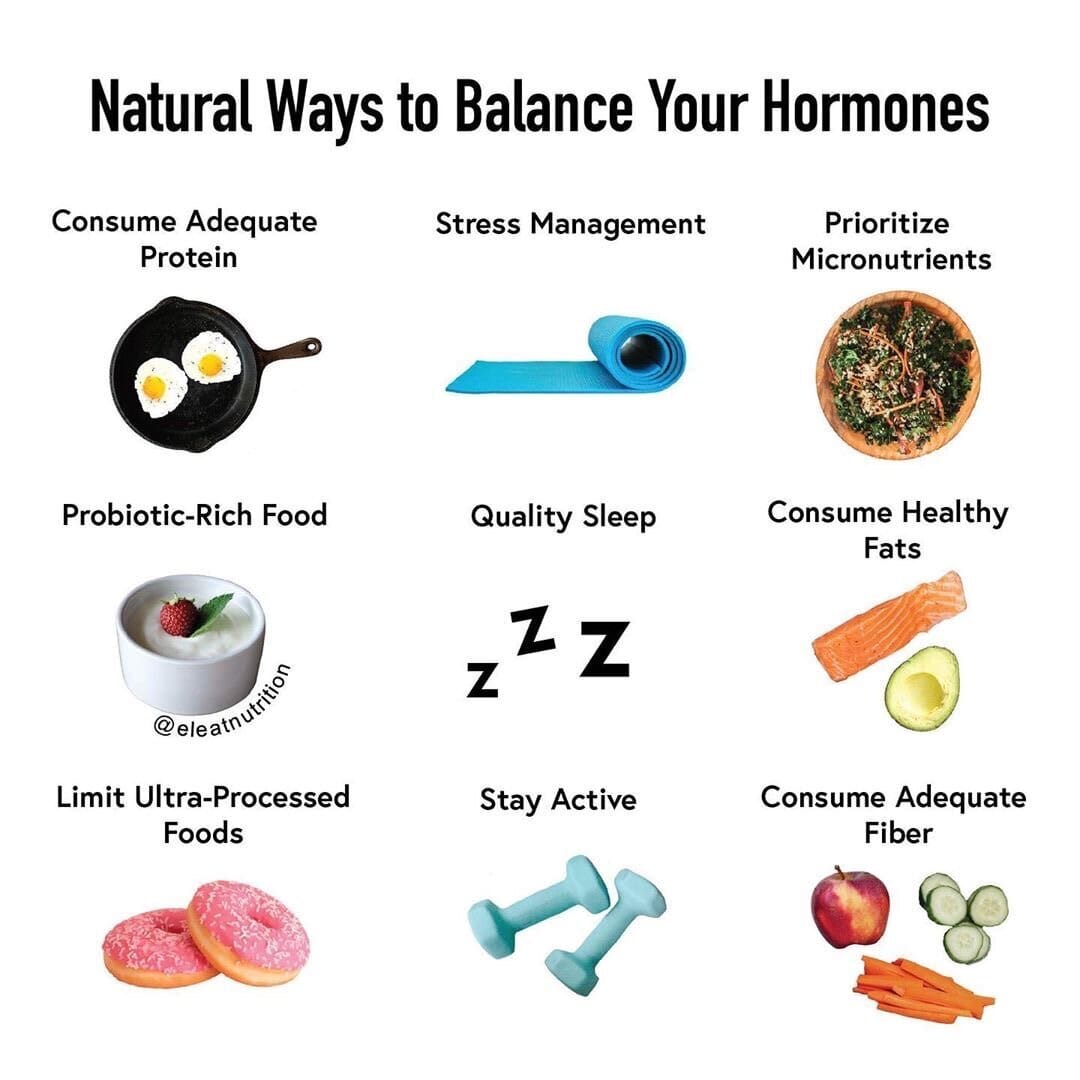
Welcome to a quick guide on how to improve your hormonal health naturally! Taking care of your hormones is crucial for overall well-being and can impact your mood, energy levels, weight management, and much more. By focusing on key lifestyle factors such as nutrition, exercise, stress management, and adequate sleep, you can support your body’s hormone balance in a gentle and sustainable way. Embracing these natural strategies can help you feel your best and thrive in all aspects of life. Have you been struggling with hormonal imbalances and looking for natural ways to improve your overall hormonal health? You’ve come to the right place! In this article, we will explore various tips, tricks, and lifestyle changes that can help you improve your hormonal health naturally. From dietary changes to stress management techniques, we’ve got you covered. So, let’s dive in and learn how to balance your hormones the natural way!
Understanding Hormones
Before we dive into the ways to improve your hormonal health naturally, it’s essential to understand what hormones are and how they function in the body. Hormones are chemical messengers that regulate various bodily functions, including metabolism, mood, reproduction, and growth. When your hormones are in balance, you feel energetic, focused, and overall healthy. However, imbalances in hormone levels can lead to a variety of health issues, such as weight gain, fatigue, mood swings, and even infertility. By understanding how hormones work and the factors that can disrupt their balance, you can better address any hormonal issues you may be experiencing.
What are Hormonal Imbalances?
Hormonal imbalances occur when there is either too much or too little of a particular hormone in the body. These imbalances can be caused by a variety of factors, including stress, poor diet, lack of exercise, and environmental toxins. Common signs of hormonal imbalances include irregular periods, weight gain, hair loss, acne, and mood swings. If you suspect that you have a hormonal imbalance, it’s essential to consult with a healthcare professional to determine the underlying cause and develop a treatment plan.
Diet and Nutrition
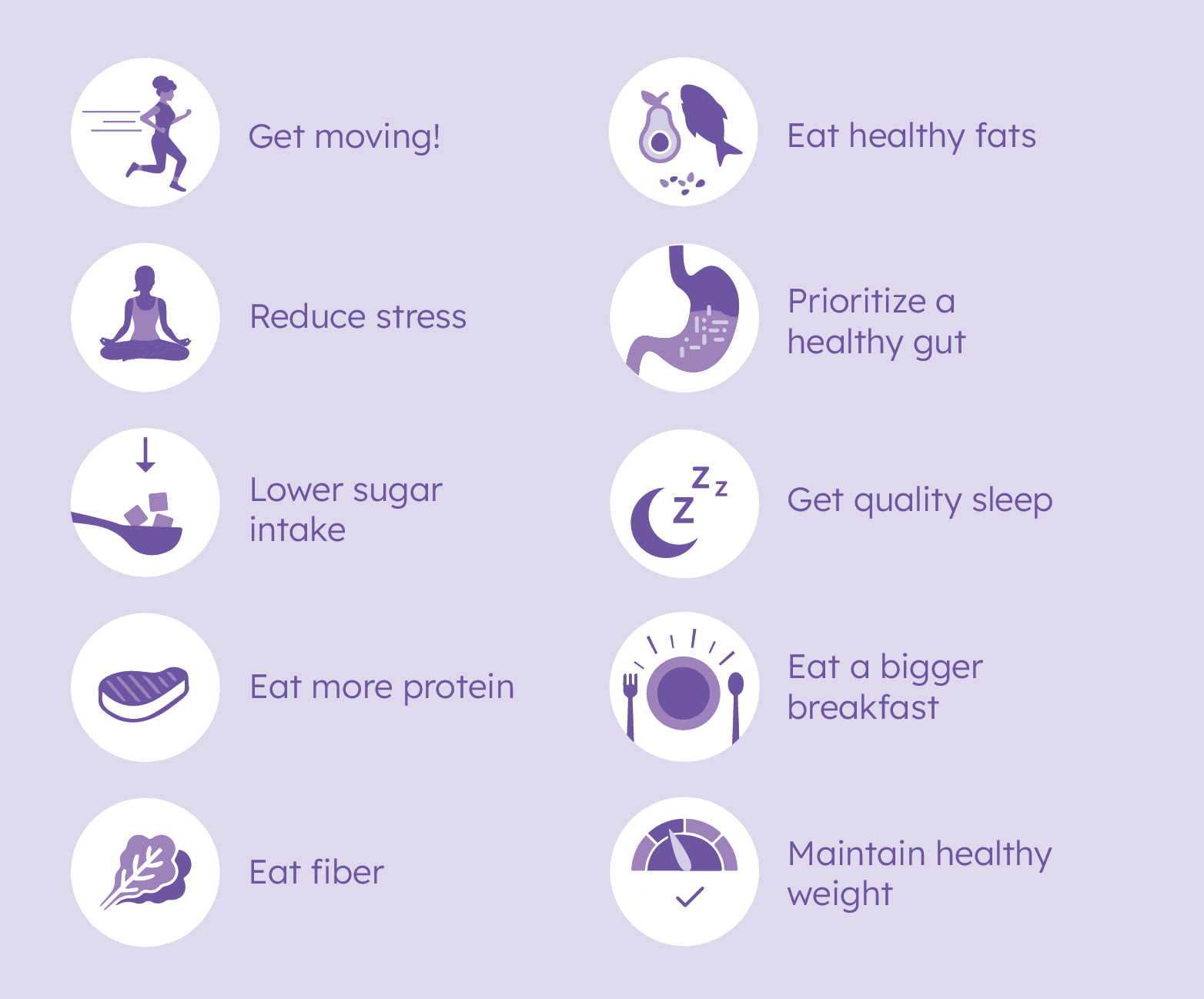
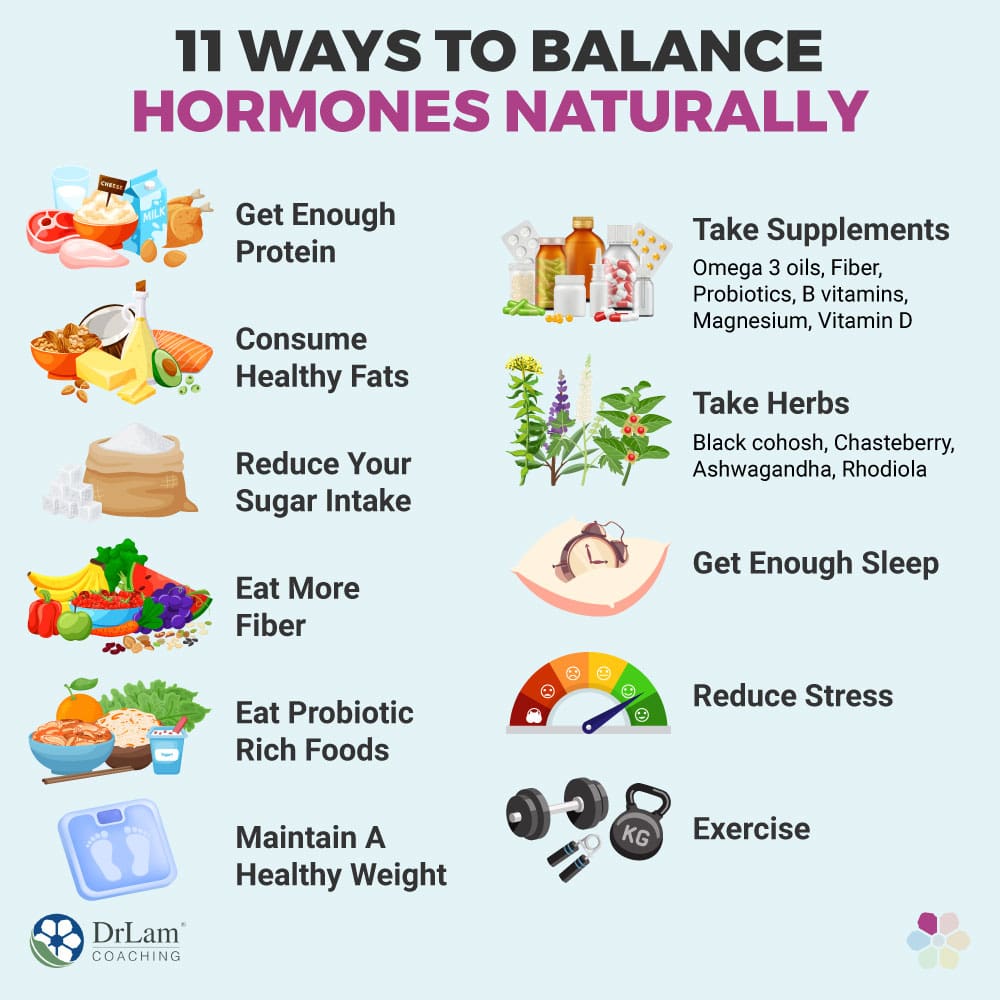
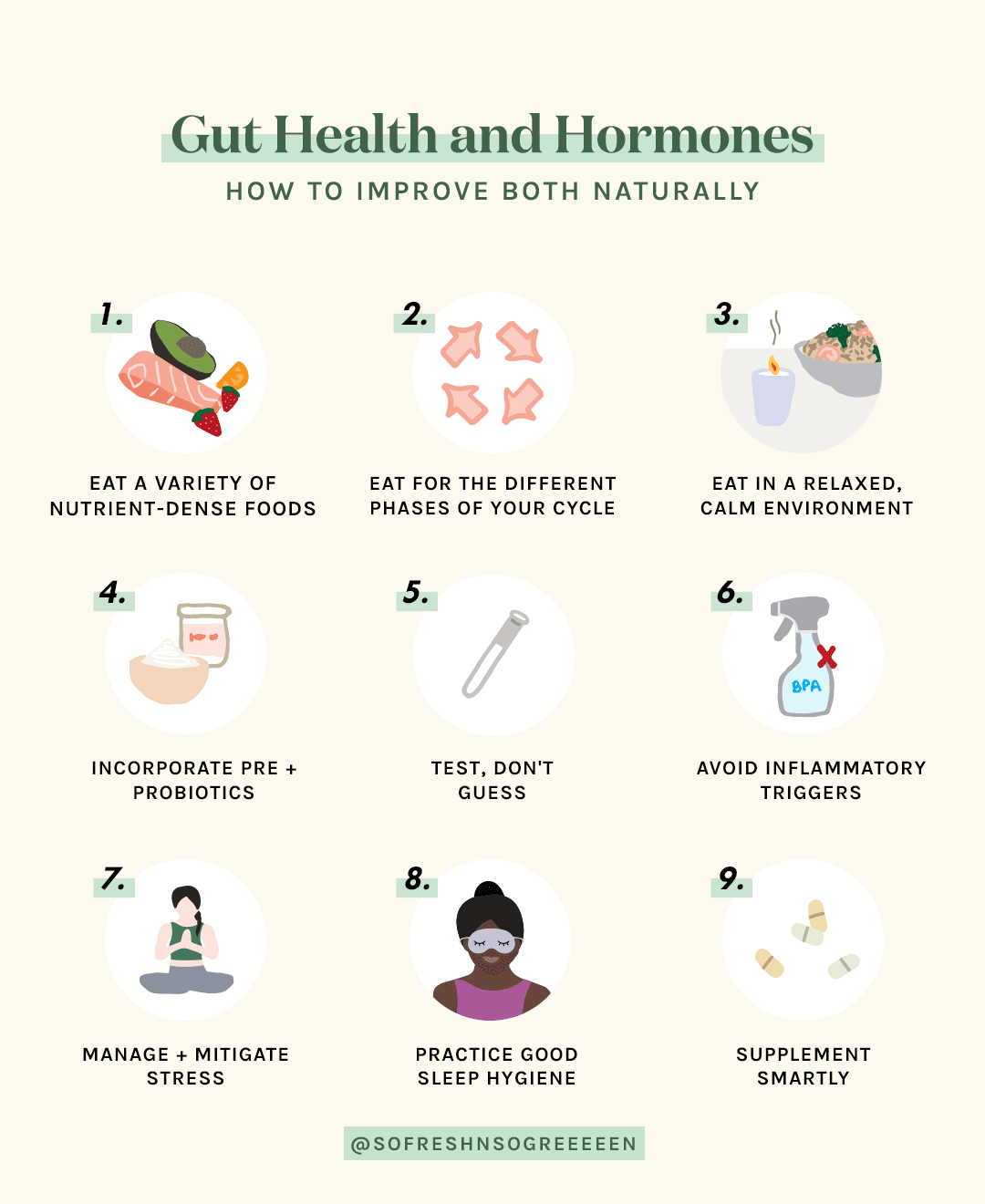
One of the most effective ways to improve your hormonal health naturally is by making dietary changes. The foods you eat play a significant role in regulating hormone levels and promoting overall health and well-being. By incorporating nutrient-dense foods and avoiding processed and inflammatory foods, you can help restore balance to your hormones and support optimal functioning of your endocrine system.
Foods to Support Hormonal Health
Certain foods are known to be beneficial for hormonal health due to their nutrient content and impact on hormone levels. Including the following foods in your diet can help improve your hormonal balance and overall health:
| Food | Benefits |
|---|---|
| Leafy greens | Rich in vitamins and minerals that support hormone production |
| Salmon | High in omega-3 fatty acids, which help reduce inflammation and support hormone balance |
| Avocado | Contains healthy fats that are essential for hormone production |
| Berries | Packed with antioxidants that help protect against hormonal imbalances |
| Fermented foods | Rich in probiotics that support gut health, which is essential for hormone balance |
Foods to Avoid for Hormonal Health
On the other hand, certain foods can disrupt hormone balance and should be avoided or limited in your diet. These include:
- Sugar and refined carbohydrates: These can lead to spikes and crashes in blood sugar levels, affecting insulin and other hormone levels.
- Processed foods: Often contain artificial ingredients and preservatives that can disrupt hormonal balance.
- Trans fats: Found in fried and processed foods, trans fats can interfere with hormone production and function.
- Caffeine: Can increase cortisol levels, leading to hormonal imbalances and increased stress.
- Alcohol: Can disrupt hormone balance, especially when consumed in excess.
By making conscious choices about the foods you eat and prioritizing nutrient-dense whole foods, you can support your hormonal health and overall well-being.
Exercise and Physical Activity
Regular physical activity is another essential factor in maintaining hormonal balance and overall health. Exercise has been shown to have a positive impact on hormone levels, reducing stress, improving mood, and supporting metabolism. By incorporating a mix of cardiovascular, strength training, and flexibility exercises into your routine, you can help regulate hormone levels and promote optimal functioning of your endocrine system.
Types of Exercise for Hormonal Health
Different types of exercise can have varying effects on hormone levels and overall health. Here are some key types of exercise to consider for hormonal balance:
- Cardiovascular exercise: Activities such as running, cycling, and swimming can help reduce stress and improve cardiovascular health, which is essential for hormone balance.
- Strength training: Lifting weights or doing bodyweight exercises can help increase muscle mass, which can support hormone production and metabolism.
- Yoga and Pilates: These mind-body practices can help reduce stress, improve flexibility, and promote relaxation, all of which are beneficial for hormonal health.
- High-intensity interval training (HIIT): This type of exercise involves short bursts of intense activity followed by brief rest periods and has been shown to improve hormone levels and metabolic function.
By incorporating a mix of these exercise types into your routine and staying active on a regular basis, you can support your hormonal health and overall well-being.
Sleep and Stress Management
Sleep and stress play a significant role in regulating hormone levels and overall health. Poor sleep quality and chronic stress can disrupt the body’s natural hormone production and lead to imbalances that can affect your mood, energy levels, and overall well-being. By prioritizing adequate sleep and adopting stress management techniques, you can help restore balance to your hormones and support optimal functioning of your endocrine system.
Importance of Sleep for Hormonal Health
Sleep is essential for hormone regulation, with many hormones being produced and released during specific stages of the sleep cycle. Adequate sleep has been linked to improved hormone balance, mood regulation, and overall health. To support your hormonal health, aim for 7-9 hours of quality sleep each night, and establish a bedtime routine that promotes relaxation and restful sleep.
Stress Management Techniques for Hormonal Balance
Chronic stress can lead to imbalances in hormone levels, particularly cortisol, the body’s primary stress hormone. To support your hormonal health, it’s essential to adopt stress management techniques, such as:
- Mindfulness meditation: Practicing mindfulness can help reduce stress, improve mood, and support hormone balance.
- Deep breathing exercises: Taking slow, deep breaths can help activate the body’s relaxation response and reduce stress hormone levels.
- Regular physical activity: Exercise has been shown to reduce stress levels and improve mood, which can support hormonal balance.
- Spending time in nature: Connecting with nature has been shown to reduce stress and promote relaxation, which can benefit hormone levels.
By incorporating these stress management techniques into your daily routine and prioritizing self-care, you can support your hormonal health and overall well-being.
Environmental Toxins and Hormonal Health
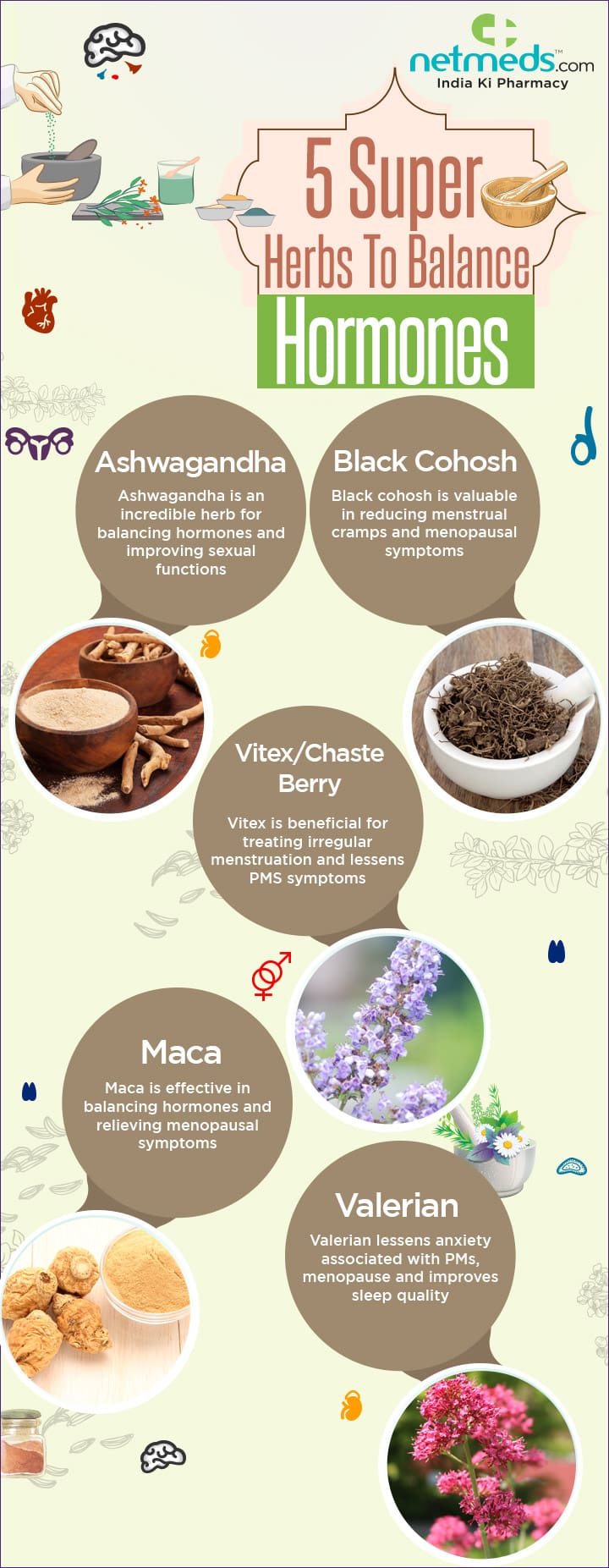
Environmental toxins are substances found in the air, water, and food supply that can disrupt hormone levels and lead to imbalances in the body. These toxins, known as endocrine disruptors, can mimic or interfere with the body’s natural hormones, leading to a variety of health issues. By reducing your exposure to environmental toxins and adopting lifestyle practices that support detoxification, you can help protect your hormonal health and overall well-being.
Common Environmental Toxins and Sources
There are many sources of environmental toxins that can impact hormone levels and overall health. Some common environmental toxins and their sources include:
- BPA and phthalates: Found in plastics, food packaging, and personal care products, these chemicals can disrupt hormone balance and have been linked to reproductive issues.
- Pesticides and herbicides: Used in conventional agriculture, these chemicals can interfere with hormone production and metabolism.
- Heavy metals: Found in contaminated water, seafood, and certain products, heavy metals can disrupt hormone levels and lead to various health issues.
- Parabens and sulfates: Found in personal care products, these chemicals can mimic estrogen and disrupt hormonal balance.
Ways to Reduce Exposure to Environmental Toxins
To reduce your exposure to environmental toxins and support your hormonal health, consider the following tips:
- Choose organic produce whenever possible to avoid pesticides and herbicides.
- Opt for glass or stainless steel containers for food storage instead of plastic.
- Use natural personal care products free of parabens, sulfates, and other harmful chemicals.
- Filter your water to remove heavy metals and other contaminants.
- Support your body’s natural detoxification process with regular exercise, adequate hydration, and a healthy diet rich in fiber and antioxidants.
By being mindful of the environmental toxins to which you are exposed and taking steps to reduce your exposure, you can support your hormonal health and overall well-being.
Conclusion
Improving your hormonal health naturally is possible with the right knowledge, tools, and lifestyle practices. By making dietary changes, incorporating regular physical activity, prioritizing sleep and stress management, and reducing your exposure to environmental toxins, you can support your hormone balance and overall well-being. Remember that hormonal health is a journey, and it may take time to see significant changes. Be patient with yourself, listen to your body, and consult with a healthcare professional if you have concerns about your hormonal health. By taking a holistic approach to health and wellness, you can achieve optimal hormonal balance and live your best life.