

If you’re a guy looking to up your skincare game, you’ve come to the right place. Taking care of your skin is not only beneficial for your appearance but also for your overall health. In this article, we will explore some simple yet effective tips on how to improve skincare for men. From choosing the right products to establishing a consistent routine, you’ll learn the essential steps to achieve healthier, more radiant skin. So, let’s get started on your journey to better skincare!
Follow a daily skincare routine
Creating a regular skincare routine is the first and most important step towards improving the health and appearance of your skin. By incorporating certain habits into your daily life, you can effectively maintain and improve the quality of your skin.
Cleanse your skin properly
One of the most crucial steps in any skincare routine is proper cleansing. Cleansing helps to remove dirt, sweat, bacteria, and excess oils from your skin, preventing clogged pores and breakouts. When choosing a cleanser, opt for a gentle formula that suits your skin type. Avoid harsh cleansers that can strip away natural oils and leave your skin feeling dry and tight.
Exfoliate regularly
Regular exfoliation is another essential aspect of skincare for men. Exfoliating helps to remove dead skin cells, unclog pores, and promote cell turnover. It can also improve the effectiveness of the skincare products you use afterward. However, be mindful not to over-exfoliate as it can lead to irritation and sensitivity. Choose a gentle exfoliator and use it once or twice a week, depending on your skin’s sensitivity.
Moisturize to keep your skin hydrated
Many men often overlook the importance of moisturizing, assuming it’s only necessary for those with dry skin. However, moisturizing is crucial for all skin types, as it helps to hydrate and nourish your skin, restoring its natural moisture balance. Look for a moisturizer that suits your skin type, whether it’s oily, dry, or combination. Apply it twice daily, in the morning and at night, for optimal hydration and protection.
Apply sunscreen daily
Protecting your skin from the harmful effects of the sun is vital for maintaining healthy skin. Daily sunscreen application helps to shield your skin from UVA and UVB rays, preventing sunburn, premature aging, and the risk of skin cancer. Choose a broad-spectrum sunscreen with an SPF of at least 30, and apply it generously to all exposed areas of skin, including your face, neck, and hands.
Use a quality shaving cream or gel
For men who shave regularly, using a quality shaving cream or gel is essential for preventing irritation, razor burns, and ingrown hairs. These products create a protective layer between your skin and the razor blade, allowing for a smoother, more comfortable shave. Look for shaving creams or gels that are suitable for your skin type and contain hydrating and soothing ingredients like aloe vera or chamomile.
Choose skincare products suitable for your skin type
Using skincare products that are tailored to your specific skin type can make a noticeable difference in the health and appearance of your skin. Understanding your skin type and addressing its unique needs is crucial to achieving desired results.
Identify your skin type
Before selecting skincare products, it’s important to identify your skin type. Common skin types include oily, dry, combination, and sensitive. Oily skin tends to produce excess sebum and is prone to acne, while dry skin lacks moisture and can feel tight or flaky. Combination skin has characteristics of both oily and dry skin, with an oily T-zone and drier cheeks. Sensitive skin is easily irritated and often reacts to certain ingredients or environmental factors.
Consult a dermatologist if unsure
If you’re unsure about your skin type or have specific concerns, it may be beneficial to consult a dermatologist. A dermatologist can assess your skin, help determine your skin type, and provide recommendations tailored to your needs. They can also address any specific skin concerns you may have, such as acne, rosacea, or signs of aging.
Avoid harsh and drying products
Regardless of your skin type, it’s important to avoid products that are overly harsh or drying. These can strip away the skin’s natural oils, leading to dryness, irritation, and even excessive oil production. Look for products that are gentle and formulated to maintain or restore the skin’s natural balance.
Opt for gentle cleansers and moisturizers
When it comes to choosing skincare products, opt for gentle cleansers and moisturizers that are specifically designed for your skin type. For example, if you have oily skin, choose a cleanser that helps to control excess oil and a lightweight, oil-free moisturizer. If you have dry skin, opt for a creamy cleanser and a rich, hydrating moisturizer.
Look for products with beneficial ingredients like retinol or hyaluronic acid
Skincare products that contain beneficial ingredients can further enhance the effectiveness of your routine. Ingredients like retinol, vitamin C, hyaluronic acid, and niacinamide can address specific concerns, such as signs of aging, dullness, hyperpigmentation, or hydration. Incorporating products with these ingredients into your routine can help optimize your skincare results.

Pay attention to your shaving routine
For men who shave, paying attention to your shaving routine can significantly impact the health and appearance of your skin. By following a few simple steps, you can minimize irritation, ingrown hairs, and other common shaving-related problems.
Use a sharp and clean razor
Using a sharp and clean razor is essential for a clean and comfortable shave. Dull blades can tug at the hair and irritate the skin, leading to redness, razor burns, and ingrown hairs. Make sure to change your razor blades regularly to ensure a smooth and safe shaving experience.
Prep your skin with warm water and a pre-shave product
Before starting your shave, it’s important to prepare your skin properly. Begin by washing your face with warm water to soften the hair and open up the pores. This will make shaving easier and more comfortable. Additionally, consider using a pre-shave product, such as an oil or lotion, to further lubricate the skin and protect it from irritation.
Shave in the direction of hair growth
To minimize irritation and ingrown hairs, shave in the direction of hair growth. Going against the grain may give you a closer shave, but it increases the risk of nicks, cuts, and irritation. Take short and gentle strokes, rinsing the razor frequently to remove excess hair and shaving cream.
Rinse with cold water and apply an aftershave balm
After shaving, rinse your face with cold water to close the pores and soothe the skin. Coldwater helps to tighten the skin and reduce redness. Once your face is cool and refreshed, pat it dry gently with a clean towel and apply an aftershave balm. Look for a balm that contains soothing ingredients like aloe vera or chamomile to calm the skin and prevent post-shave irritation.
Avoid applying too much pressure while shaving
While it may be tempting to apply pressure while shaving, it’s essential to avoid this common mistake. Pressing too hard can cause irritation, razor burns, and cuts. Instead, let the sharpness of the razor do the work, allowing it to glide smoothly over your skin without applying excessive force. It’s better to go over an area more than once with a light touch than to apply heavy pressure in a single stroke.
Maintain a healthy lifestyle for better skin
Your skin’s appearance is not solely determined by the products you use externally but also by your overall lifestyle. By adopting healthy habits, you can support your skin from the inside out and enhance the results of your skincare routine.
Eat a balanced diet with fruits, vegetables, and whole grains
A balanced diet rich in fruits, vegetables, and whole grains provides essential vitamins, minerals, and antioxidants that promote healthy skin. These nutrients help protect your skin from damage caused by environmental factors, maintain its elasticity, and support the production of collagen. Incorporate a variety of colorful fruits and vegetables into your meals to ensure you’re getting a wide range of beneficial nutrients.
Stay hydrated by drinking plenty of water
Proper hydration is crucial for the health and appearance of your skin. Drink plenty of water throughout the day to keep your skin hydrated from within. This helps to maintain its elasticity, minimize dryness, and flush out toxins. Aim to drink at least 8 glasses of water per day, and increase your intake if you’re physically active or in hot weather.
Get regular exercise to improve blood circulation
Regular exercise not only benefits your overall health but also improves blood circulation, which is essential for healthy skin. Exercise promotes the delivery of oxygen and nutrients to your skin cells, enhancing their function and supporting the production of collagen. Aim for at least 30 minutes of moderate-intensity exercise most days of the week, whether it’s jogging, cycling, swimming, or any physical activity you enjoy.
Avoid smoking and excessive alcohol consumption
Smoking and excessive alcohol consumption can have detrimental effects on your skin. Smoking damages collagen and elastin, leading to premature aging, wrinkles, and a dull complexion. Alcohol, on the other hand, dehydrates the skin and can exacerbate existing skin conditions like acne or rosacea. Quit smoking, or at least reduce your smoking habits, and consume alcohol in moderation to maintain healthy skin.
Manage stress levels as it can affect your skin
Stress not only affects your mental well-being but also has a significant impact on your skin. High-stress levels can disrupt the skin’s natural barrier function, leading to increased dryness, sensitivity, and inflammation. Find healthy ways to manage stress, such as practicing relaxation techniques, exercising, or engaging in hobbies. Taking care of your mental health will reflect positively on your skin.

Protect your skin from environmental factors
Environmental factors like the sun, pollution, and extreme weather conditions can damage your skin and contribute to premature aging. Taking steps to protect your skin from these elements is crucial for maintaining its health and youthful appearance.
Wear protective clothing and accessories in the sun
When spending time outdoors, especially during peak sun hours, it’s important to protect your skin from harmful UV rays. Wear protective clothing, such as long-sleeved shirts, wide-brimmed hats, and sunglasses with UV protection. These items provide an extra layer of defense against the sun and help prevent sunburn and sun damage.
Use lip balm with SPF
Lips are often overlooked when it comes to sun protection, but they are susceptible to damage and can become dry and chapped. Choose a lip balm with SPF to shield your lips from the sun’s harmful rays. Apply it generously throughout the day, especially before going out in the sun.
Avoid excessive exposure to cold or hot weather
Extreme temperatures, whether freezing cold or excessively hot, can be harsh on your skin. Both cold and hot weather conditions can lead to dryness, redness, and even sunburn. Protect your skin by dressing appropriately for the weather, using moisturizers to maintain hydration, and seeking shelter or shade when necessary.
Keep your skin clean from pollution and dirt
Pollution and dirt particles can accumulate on your skin throughout the day, clogging pores and causing inflammation. Make sure to cleanse your skin thoroughly every evening to remove these impurities. Consider using a cleanser with detoxifying properties to help remove pollutants and restore your skin’s natural balance.
Use a humidifier in dry environments
Dry environments, whether it’s due to central heating or air conditioning, can cause your skin to become parched and dehydrated. Using a humidifier in your home or office can help restore moisture to the air, preventing your skin from drying out. This is particularly important during the winter months when indoor heating tends to be drier.
Don’t overlook skincare for your body
While facial skincare often takes center stage, it’s important not to overlook the rest of your body. Paying attention to your body’s skincare needs can contribute to overall skin health.
Use a gentle body wash or soap
When cleansing your body, opt for a gentle body wash or soap that doesn’t strip away the skin’s natural moisture. Avoid harsh, drying ingredients like sulfates and opt for products enriched with hydrating and soothing ingredients such as aloe vera or shea butter. This will help to maintain your skin’s natural moisture barrier and prevent dryness.
Moisturize your body after showering
Just as you moisturize your face, it’s important to also moisturize your body after showering. Applying a nourishing body lotion or cream locks in moisture and keeps your skin hydrated throughout the day. Look for products that are suited to your skin type and address any specific concerns you may have, such as dryness or sensitivity.
Avoid long hot showers as it can dry your skin
While a hot shower may feel relaxing, prolonged exposure to hot water can strip away the natural oils from your skin, leading to dryness and irritation. Opt for lukewarm water instead and limit your shower time to 10-15 minutes. Afterward, pat your skin dry gently with a towel, leaving it slightly damp before applying moisturizer.
Exfoliate your body regularly
Similar to exfoliating your face, exfoliating your body regularly can help remove dead skin cells and reveal smoother, healthier-looking skin. Use a gentle body scrub or exfoliating mitt to buff away rough, dry patches. Pay attention to areas that are prone to roughness, such as elbows, knees, and feet.
Pay attention to areas prone to dryness like elbows and knees
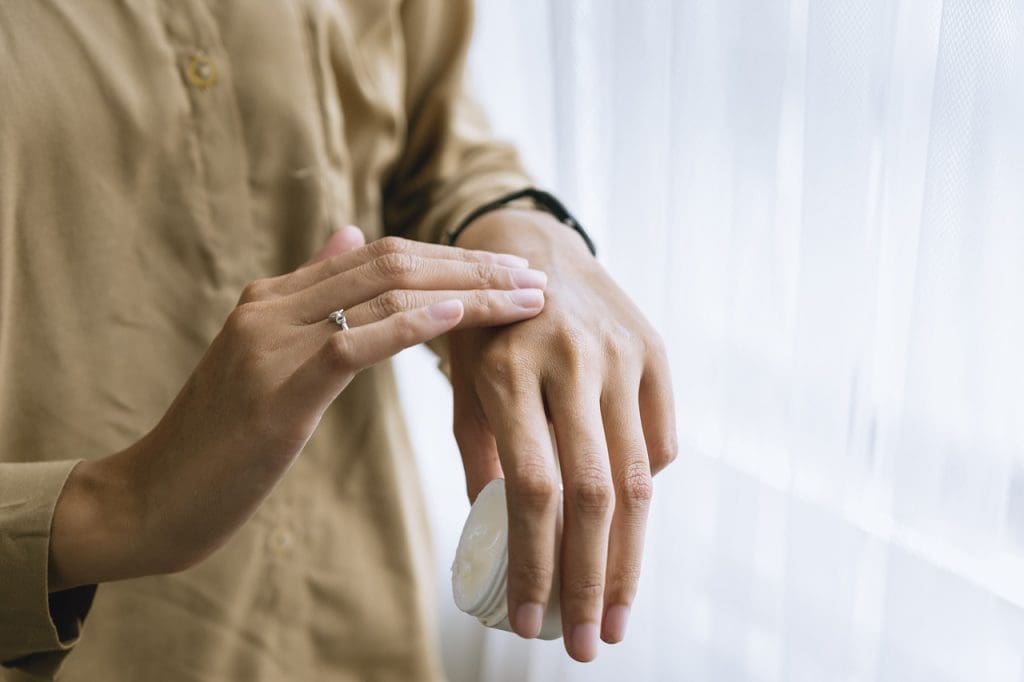
Certain areas of your body, such as elbows and knees, are more prone to dryness and roughness. These areas can benefit from extra attention and moisturization. Use a rich, hydrating cream or lotion on these spots to keep them smooth and moisturized.
Get enough sleep and manage stress
Getting enough sleep and managing stress are crucial aspects of skincare that can often be overlooked. By incorporating healthy sleeping habits and stress management techniques into your daily routine, you can support your skin’s overall health and appearance.
Adequate sleep promotes healthy skin
Sleep is a time for your body to repair and rejuvenate, and your skin is no exception. Adequate sleep promotes healthy skin by allowing for skin cell regeneration and collagen production. Lack of sleep can lead to dull, tired-looking skin, dark circles, and an increased likelihood of breakouts. Make it a priority to get 7-8 hours of quality sleep each night to give your skin the rest it needs to thrive.
Make sleep a priority and aim for 7-8 hours a night
Incorporating healthy sleep habits into your daily routine is essential for overall well-being, including your skin’s health. Make sleep a priority and try to establish a consistent sleep schedule. Aim for 7-8 hours of quality sleep each night, ensuring your bedroom environment is conducive to relaxation and restful sleep.
Practice stress management techniques like meditation or yoga
Stress can have a significant impact on your overall health, including your skin. Chronic stress can disrupt hormonal balance, increase inflammation, and exacerbate skin conditions like acne or eczema. Find healthy ways to manage stress, such as practicing mindfulness meditation, engaging in physical activity, or participating in activities you enjoy, like yoga or painting. These practices can help reduce stress levels and promote overall well-being, including healthy skin.
Reduce caffeine intake, especially before bed
While a cup of coffee or tea can provide a temporary energy boost, excessive caffeine consumption can interfere with quality sleep. Caffeine stimulates the nervous system and can make it difficult to fall asleep or stay asleep. Limit your caffeine intake, especially in the hours leading up to bedtime, to ensure a good night’s sleep.
Create a relaxing bedtime routine
Establishing a relaxing bedtime routine can signal to your body that it’s time to wind down and prepare for sleep. Create a routine that includes activities that promote relaxation and calmness, such as reading a book, taking a warm bath, or practicing gentle stretching. Avoid stimulating activities, bright screens, and intense workouts close to bedtime, as these can interfere with your ability to fall asleep.
Stay consistent with your skincare routine
Consistency is key when it comes to skincare. It’s important to follow your daily skincare routine consistently to see noticeable and long-lasting results. Regardless of whether you’re using high-end or budget-friendly products, the key to successfully improving your skin lies in the commitment to a routine that works for you.
Consistency is key for seeing results
Skincare is not a quick fix, but rather an ongoing commitment. Consistency in following your skincare routine is crucial for achieving desired results. Commit to a routine that fits your lifestyle and ensure that you’re performing the necessary steps every day, without skipping or rushing through them.
Stick to your daily skincare routine even when traveling
Traveling can disrupt your daily routine, but it’s important to stay committed to your skincare even while on the go. Invest in travel-sized versions of your skincare products so that you can maintain your routine wherever you are. If you’re unable to bring all your products with you, prioritize the most essential steps like cleansing, moisturizing, and sun protection.
Keep your products organized and easily accessible
To ensure that you stick to your skincare routine consistently, keep your products organized and easily accessible. Have a designated space in your bathroom or bedroom for your skincare products, making it convenient to find and use them every day. This organization will not only save you time but also help you maintain the habit of taking care of your skin.
Make skincare a habit to maintain healthy skin in the long run
Think of skincare as a long-term investment in your skin’s health and appearance. By making it a habit and integrating it into your daily routine, you prioritize your skin’s well-being. Just like brushing your teeth or washing your hair, skincare should become a non-negotiable aspect of your self-care routine.
Don’t give up if you don’t see immediate improvements
Results from skincare routines can take time, and it’s important to have realistic expectations. Don’t give up if you don’t see immediate improvements. Consistency and patience are key. It may take weeks or even months to notice significant changes in your skin. Remember that everyone’s skin is unique, and what works for someone else may not work the same way for you. Stay dedicated to your routine, and over time, you’ll begin to see the benefits.
Take extra care with specific skincare concerns
While a general skincare routine is beneficial for overall skin health, specific skincare concerns may require additional attention. Here are some tips for taking extra care of common skin concerns that men often face.
Address oily skin with oil-free products and regular cleansing
If you have oily skin, you may struggle with excess sebum production, shine, and the risk of breakouts. Combat oily skin by using oil-free or non-comedogenic products specifically formulated for this skin type. Regularly cleanse your skin to remove excess oil and impurities without stripping away its natural moisture.
Combat acne with targeted treatments and avoid harsh scrubbing
Acne is a common concern for many men, especially during adolescence or hormonal changes. To combat acne, incorporate targeted treatments into your skincare routine, such as benzoyl peroxide or salicylic acid. These ingredients help to unclog pores and reduce inflammation. However, be gentle with your skin and avoid harsh scrubbing or picking at acne, as it can worsen inflammation and lead to scarring.
Treat dry skin with hydrating products and moisturizers
If you have dry skin, it’s important to focus on hydration and moisturization. Look for skincare products that contain hydrating ingredients like hyaluronic acid or ceramides. These ingredients help to attract and retain moisture, preventing dryness and flakiness. Use a rich, nourishing moisturizer daily and consider incorporating a hydrating serum or face oil into your routine for an added boost of hydration.
Deal with signs of aging using anti-aging products and sunscreen
As men age, signs of aging, such as fine lines, wrinkles, and sunspots, may become more prominent. Incorporate anti-aging products into your routine to help minimize these signs. Look for ingredients like retinol, peptides, or antioxidants that can help reduce the appearance of wrinkles and promote collagen production. Additionally, protect your skin from further damage by consistently applying sunscreen with a high SPF.
Consult a dermatologist for serious skin conditions or concerns
If you have severe or persistent skin concerns, it’s important to consult a dermatologist. Dermatologists specialize in diagnosing and treating various skin conditions and can provide personalized advice and treatment options. Whether you’re dealing with severe acne, eczema, psoriasis, or any other skin issue, a dermatologist can help you find the most suitable solutions for your specific needs.
Educate yourself about skincare
Education is essential for improving your understanding of skincare and making informed choices about the products you use. By staying informed, you can adapt your skincare routine to your changing needs and explore new options that may better suit your skin.
Keep up with skincare trends and research
Skincare is a constantly evolving field, with new technologies and ingredients being introduced regularly. Stay up to date with skincare trends and research by reading reputable sources, following trusted skincare experts and influencers, or subscribing to skincare-focused magazines or newsletters. This will keep you informed about the latest advancements and best practices in skincare.
Read articles and books about skincare for men
There is a wealth of information available on skincare for men, ranging from articles and blog posts to well-researched books. Take the time to explore resources dedicated to men’s skincare, as these often provide valuable insights, tips, and product recommendations tailored specifically to men’s unique skincare needs.
Watch educational videos or attend workshops
Technology has made it easier than ever to access educational content on skincare. Watch informative videos by skincare experts on platforms like YouTube or attend workshops or seminars held by skincare professionals. These resources can provide valuable guidance, product knowledge, and practical skincare tips.
Stay informed about ingredients and their benefits
Understanding the ingredients used in skincare products can help you make more informed choices about what you’re applying to your skin. Familiarize yourself with common skincare ingredients and their benefits. Look for ingredients that match your skin’s needs and avoid those that may trigger sensitivities or allergies.
Don’t hesitate to seek professional advice when needed
While self-education is valuable, it’s important to recognize that everyone’s skin is unique, and generalized information may not always be applicable to your specific situation. If you have questions or concerns, don’t hesitate to seek professional advice from a dermatologist or skincare specialist who can provide personalized recommendations based on your skin type and concerns. They can guide you towards the most suitable products and techniques to achieve your skincare goals.
In conclusion, improving your skincare routine is a worthwhile investment in your overall well-being, confidence, and appearance. By following a daily skincare routine, choosing products suitable for your skin type, paying attention to your shaving routine, maintaining a healthy lifestyle, protecting your skin from environmental factors, caring for your body, getting enough sleep, and staying consistent, you can achieve healthier and more radiant skin. Remember to take extra care for specific skincare concerns, educate yourself about skincare, and seek professional advice when needed. With commitment and time, you’ll be on your way to achieving the best version of your skin. Happy skincare journey!