
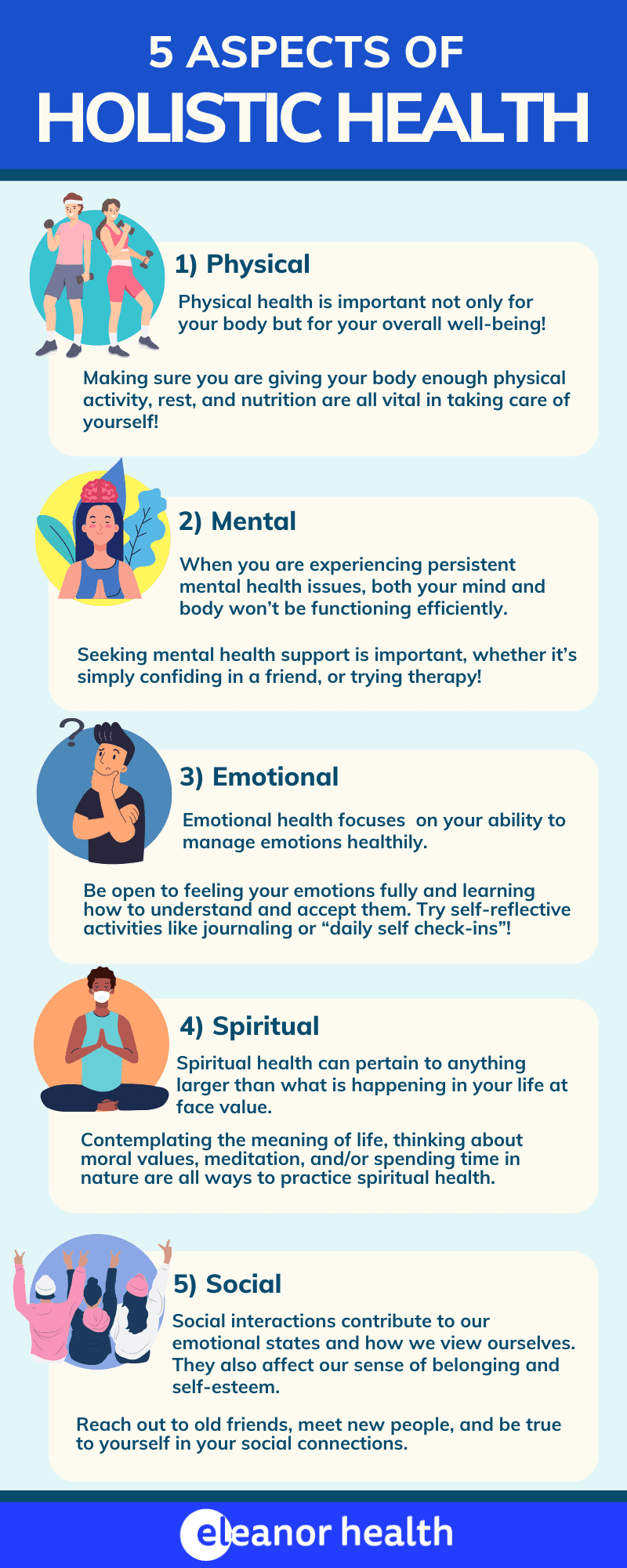
Are you looking to enhance your overall well-being and incorporate holistic health and alternative medicine into your daily routine? In this article, we will explore simple yet effective ways to seamlessly integrate these practices into your life. From mindfulness exercises to natural remedies and self-care techniques, you will discover how to harness the power of holistic health and alternative medicine to elevate your physical, mental, and emotional health. Get ready to embark on a journey of self-discovery and transformation as we guide you towards a more balanced and harmonious lifestyle.
1. Understand Holistic Health and Alternative Medicine
Holistic health is an approach that considers the whole person, including their physical, mental, emotional, and spiritual well-being, as interconnected and inseparable. It recognizes that each aspect of our lives affects our overall health and seeks to address imbalances in all areas. On the other hand, alternative medicine refers to practices and treatments that are used in place of conventional medical interventions. These approaches are often based on traditional healing systems and emphasize natural remedies and therapies.
Incorporating holistic health and alternative medicine into your daily routine can offer numerous benefits. It can help improve your overall well-being and enhance your body’s natural healing abilities. By embracing this approach, you can gain a deeper understanding of your body, mind, and spirit, and become an active participant in your own health and wellness journey.
2. Create a Mind-Body Connection
Establishing a strong mind-body connection is essential for achieving optimal health and well-being. By cultivating awareness and mindfulness, you can create a harmonious relationship between your thoughts, emotions, and physical sensations. Here are some practices to help you develop this connection:
Practice mindfulness and meditation
To become more present and attuned to your body’s needs, incorporate mindfulness and meditation into your daily routine. Carve out a few minutes each day to sit quietly, focus on your breath, and observe your thoughts without judgment. These practices can help reduce stress, increase self-awareness, and improve overall mental and emotional well-being.
Engage in yoga or tai chi
Yoga and tai chi are ancient practices that combine movement, breath control, and meditation. These gentle forms of exercise can improve flexibility, balance, and strength while promoting mental clarity and relaxation. Find a style that resonates with you and dedicate regular time to practice. You’ll not only experience physical benefits but also develop a deeper mind-body connection.
Connect with nature
Spending time in nature is a powerful way to reconnect with yourself and find inner balance. Take a walk in a park, hike in the mountains, or simply sit under a tree and listen to the sounds of nature. Being in natural surroundings can help reduce stress, enhance mood, and foster a sense of peace and well-being.
3. Nourish Your Body with Wholesome Foods
The food we consume plays a vital role in our health and well-being. Opting for wholesome, nutrient-dense foods can support our body’s natural healing processes and boost overall vitality. Consider the following suggestions to nourish your body from the inside out:
Adopt a whole foods diet
A whole foods diet focuses on consuming minimally processed, nutrient-rich foods in their natural state. Emphasize whole grains, lean proteins, fruits, vegetables, healthy fats, and legumes in your meals. Avoid highly processed foods, refined sugars, and artificial additives. A balanced diet that provides essential nutrients can contribute to improved energy levels, enhanced immune function, and overall well-being.
Increase consumption of fruits and vegetables
Fruits and vegetables are rich in vitamins, minerals, and antioxidants that support a healthy immune system and help protect against chronic diseases. Aim to include a variety of colorful produce in your meals and snacks. Consider experimenting with different cooking methods and trying local, seasonal options to maximize their nutritional benefits.
Choose organic and locally sourced options
Opting for organic produce and locally sourced foods can limit exposure to harmful pesticides and support sustainable farming practices. Organic fruits and vegetables are grown without synthetic chemicals, while locally sourced foods are often fresher and have a lower carbon footprint. Check out local farmers’ markets or consider joining a community-supported agriculture (CSA) program to access fresh, seasonal produce.
4. Explore Natural and Herbal Remedies
Natural and herbal remedies have been used for centuries to promote healing and well-being. They offer alternative options to conventional medications and treatments, aligning with a holistic approach to health. Here are some ways to incorporate natural and herbal remedies into your daily routine:
Learn about the healing properties of herbs
Herbs possess various medicinal properties and can be used to support specific health needs. Take the time to research and learn about different herbs, their potential benefits, and safety precautions. Experiment with herbal teas, tinctures, or supplements that align with your wellness goals. However, it’s important to consult with a knowledgeable healthcare professional before incorporating herbal remedies, especially if you have underlying health conditions or are taking medications.
Use essential oils for aromatherapy
Essential oils derived from plants can be utilized for aromatherapy, a practice that harnesses the power of scents to promote relaxation, uplift mood, and support overall well-being. Explore different essential oils and experiment with diffusing them in your home, incorporating them into massage oils, or adding them to bath products. However, it’s crucial to use essential oils safely and dilute them properly before topical application or internal use.
Try natural remedies for common ailments
Many common ailments, such as headaches, digestive issues, or sleep disturbances, can be effectively addressed with natural remedies. Consider exploring options like ginger for nausea, peppermint for headaches, or chamomile for better sleep. Keep in mind that natural remedies may have varying results for different individuals, so it’s important to listen to your body and seek professional advice if needed.
5. Incorporate Energy Healing Practices
Energy healing approaches are based on the principle that our bodies possess energy fields that can be balanced and manipulated to promote healing and well-being. Here are some energy healing practices to consider:
Learn about Reiki and energy healing
Reiki is a popular form of energy healing that originated in Japan. It involves the gentle laying of hands on or near the body to transmit healing energy. You can learn Reiki from a qualified practitioner or explore other energy healing modalities like acupuncture, qigong, or Healing Touch. These practices can help restore balance, promote relaxation, and support the body’s natural healing abilities.
Practice self-healing techniques
You have the power to tap into your body’s innate healing abilities through self-healing techniques. This can involve visualization, breathwork, or simply directing loving intention to areas of discomfort or imbalance. Experiment with different techniques and find what feels most effective for you. Incorporating regular self-healing practices can contribute to overall well-being and a stronger mind-body connection.
Explore acupuncture or acupressure
Acupuncture and acupressure are based on Traditional Chinese Medicine principles and involve stimulating specific points on the body to promote healing and balance. Acupuncture utilizes thin needles, while acupressure involves applying pressure with fingers or hands. These practices can help relieve pain, reduce stress, and improve overall energy flow. Consult a licensed practitioner to explore these modalities and receive personalized guidance.
6. Embrace Holistic Exercise Methods
Physical exercise is a key component of holistic health, and there are various forms of exercise that promote overall well-being. Consider incorporating the following holistic exercise methods into your routine:
Try holistic forms of exercise like Pilates or qigong
Pilates and qigong are both mind-body exercises that focus on developing strength, flexibility, and body awareness. Pilates emphasizes core strength and alignment, while qigong combines gentle movements, breath control, and mental focus. These practices can improve posture, enhance balance, and promote overall physical and mental well-being.
Engage in regular physical activity
Engaging in regular physical activity is crucial for maintaining a healthy body and mind. Find activities that you enjoy and make them a part of your daily routine. Whether it’s walking, swimming, dancing, or playing a sport, aim for at least 150 minutes of moderate-intensity exercise or 75 minutes of vigorous-intensity exercise each week. Regular physical activity can improve cardiovascular health, boost mood, and increase overall energy levels.
Create a balanced workout routine
To optimize the benefits of exercise, create a balanced workout routine that incorporates cardiovascular activities, strength training, and flexibility exercises. Include activities that target different muscle groups and focus on varying intensity levels to challenge your body in different ways. Consulting with a fitness professional can help you design a tailored routine that suits your specific needs and goals.
7. Prioritize Rest and Sleep
Rest and sleep are crucial aspects of holistic health, allowing your body to repair and recharge. Prioritizing adequate rest can support overall well-being and enhance your ability to cope with daily stressors. Consider the following tips for optimizing your rest and sleep:
Establish a consistent sleep schedule
Create a consistent sleep schedule by going to bed and waking up at the same time each day, even on weekends. This routine helps regulate your body’s internal clock and promotes better sleep quality. Aim for 7-9 hours of sleep per night, as individual sleep needs vary. Experiment with different routines and determine what works best for you.
Create a relaxing bedtime routine
Engage in relaxing activities before bed to signal to your body that it’s time to wind down. This can include taking a warm bath, practicing gentle stretches, or reading a book. Avoid stimulating activities and electronic devices that emit blue light, as they can interfere with your sleep quality. By establishing a consistent bedtime routine, you can condition your body to relax and prepare for restful sleep.
Practice restorative activities like meditation or reading
In addition to sleep, engaging in restorative activities throughout the day can support your overall well-being. Consider incorporating meditation, deep breathing exercises, or restful hobbies like reading or journaling. These activities can help reduce stress, promote mental clarity, and create moments of calm in your daily life.
8. Foster Healthy Relationships and Social Support
Healthy relationships and social support are essential for overall well-being and can significantly impact your mental and emotional health. Nurture meaningful connections and seek out positive relationships with others to enhance your daily life.
Nurture meaningful connections with others
Cultivate meaningful connections with friends, family, and loved ones. Invest time and energy into nurturing these relationships through regular communication, shared activities, and emotional support. Developing deep connections with others can foster a sense of belonging, provide a support system during challenging times, and contribute to overall happiness.
Seek supportive and positive relationships
Surround yourself with individuals who uplift and encourage you. Seek out relationships that are based on mutual respect, trust, and support. Distance yourself from toxic or negative influences that drain your energy and undermine your well-being. Building a network of supportive relationships can contribute to a healthier mindset and a more fulfilling life.
Join a community or support group
Consider joining a community or support group centered around shared interests, hobbies, or personal experiences. Engaging with like-minded individuals can provide a sense of belonging and offer valuable support and encouragement. By connecting with others who share similar goals or challenges, you can establish a support network that helps you stay motivated and empowered.
9. Reduce Stress and Manage Emotional Well-being
Stress and emotional well-being play significant roles in holistic health. Unmanaged stress can negatively impact your physical and mental health, so it’s crucial to develop strategies to mitigate its effects. Consider the following tips to reduce stress and prioritize emotional well-being:
Identify sources of stress in your life
Take stock of the factors in your life that contribute to stress. This could include work demands, relationship issues, financial pressures, or personal responsibilities. By identifying these stressors, you can develop targeted strategies to manage and reduce their impact on your overall well-being.
Practice stress management techniques
Explore different stress management techniques to find what works best for you. This could involve deep breathing exercises, progressive muscle relaxation, guided imagery, or engaging in creative pursuits. Experiment with various techniques and incorporate them into your daily routine to create moments of calm and relaxation.
Engage in activities that promote emotional well-being
Engaging in activities that promote emotional well-being can significantly enhance your overall quality of life. This can include hobbies such as painting, playing an instrument, writing, or dancing. Dedicate time to activities that bring you joy, allow for self-expression, and provide an outlet for stress and emotions.
10. Make Self-Care a Priority
Self-care is an essential aspect of holistic health and emphasizes the importance of taking care of your physical, mental, and emotional well-being. Here are some suggestions to incorporate self-care activities into your daily routine:
Set aside time for self-care activities
Make self-care a non-negotiable part of your daily routine by setting aside dedicated time for activities that prioritize your well-being. This could include taking a relaxing bath, practicing yoga, reading a book, or enjoying a hobby. Even small acts of self-care can have a significant impact on your overall health and happiness.
Engage in activities that bring joy and relaxation
Identify activities that bring you joy, relaxation, and a sense of fulfillment. This could be anything from spending time in nature, listening to music, or cooking a nourishing meal. By incorporating activities that align with your passions and interests, you can foster a positive mindset and cultivate a greater sense of self-fulfillment.
Listen to your body’s needs and honor them
Your body constantly provides signals about what it needs, whether it’s rest, movement, nourishment, or emotional support. Learn to listen to these signals and honor them by providing what your body requires. This could mean adjusting your schedule to prioritize rest, nourishing yourself with wholesome foods, or seeking professional help when needed. By prioritizing self-care and responding to your body’s needs, you can maintain a balanced and holistic approach to your overall health and well-being.
Incorporating holistic health and alternative medicine into your daily routine is a journey of self-discovery and self-care. By embracing these practices, you can empower yourself to take an active role in your own well-being and create a more balanced and fulfilling life. Remember, small steps taken consistently can lead to significant positive changes. So start implementing some of these suggestions today, and enjoy the transformative effects they can have on your holistic health journey.