
Imagine a world where you can tap into an energy source that can heal both your body and mind, promoting a sense of peace and harmony. Well, this is not merely a dream – it’s the power of Reiki Healing. Reiki, a Japanese technique for stress reduction and relaxation, has gained popularity worldwide for its remarkable ability to channel universal life force energy. By understanding the transformative power of Reiki Healing, you can unlock a whole new level of well-being and self-discovery.
What is Reiki Healing?
Reiki Healing is a spiritual practice that originated in Japan in the early 20th century. It is a form of energy healing that focuses on balancing and restoring the body’s natural energy flow. Reiki practitioners believe that by channeling this universal life force energy, they can promote healing, relaxation, and overall well-being.
Origins of Reiki
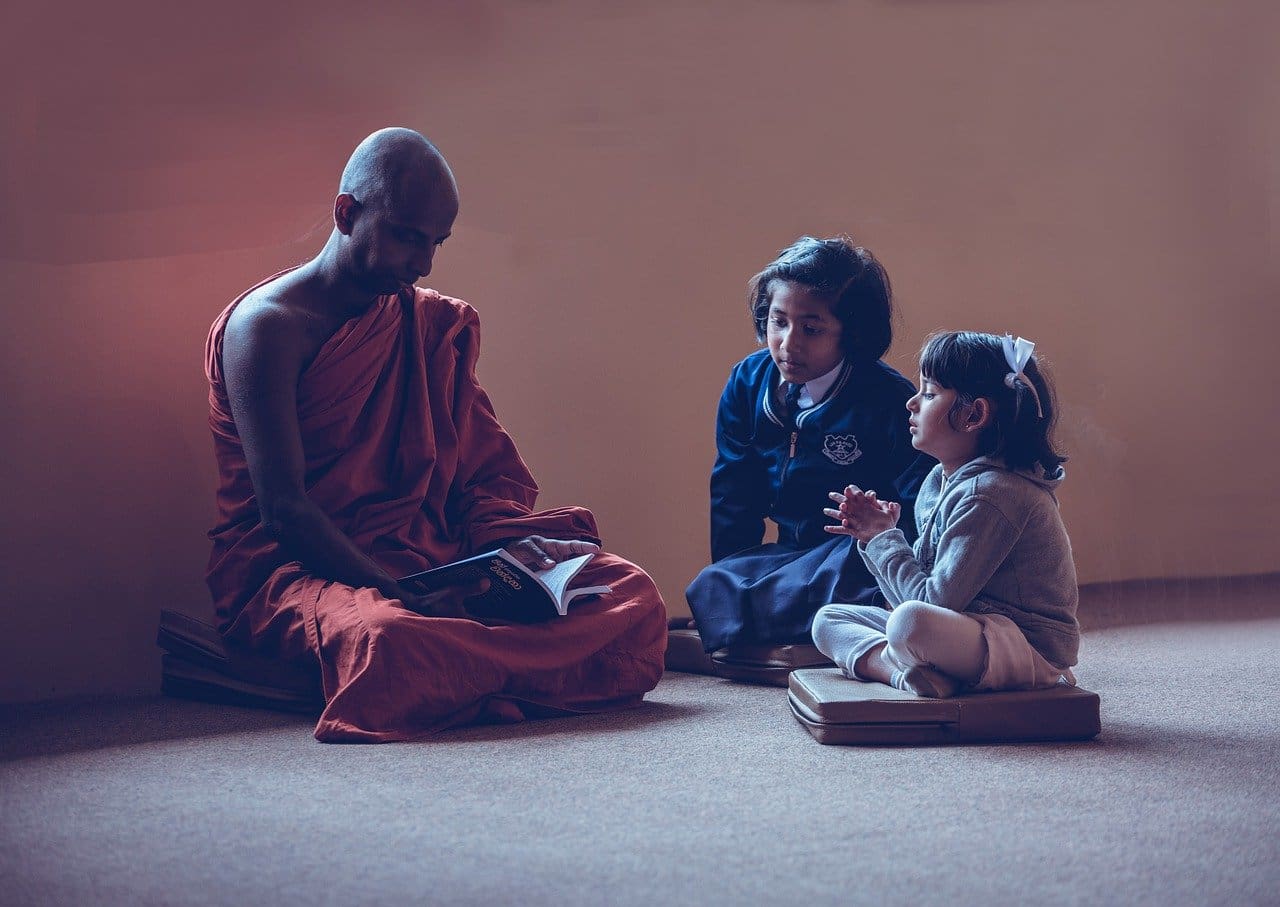
Reiki was developed by a Japanese Buddhist monk named Mikao Usui in the 1920s. Usui was searching for a way to heal others and himself through a spiritual practice. After a period of fasting and meditation on Mount Kurama, he claimed to have received a powerful awakening and the ability to heal by transmitting energy through his hands. This became the foundation of Reiki as we know it today.
Definition of Reiki Healing
Reiki Healing can be defined as a non-invasive, gentle, and holistic approach to healing that promotes balance and harmony in the body, mind, and spirit. The word “Reiki” is derived from two Japanese words: “Rei,” meaning universal or higher power, and “Ki,” meaning life force energy. Together, they represent the belief that there is an abundant source of energy that flows through all living things and can be accessed for healing purposes.
Principles of Reiki
Reiki Healing is guided by five principles, also known as the Reiki principles or the Five Reiki Principles:
- Just for today, I will not be angry.
- Just for today, I will not worry.
- Just for today, I will be grateful.
- Just for today, I will do my work honestly.
- Just for today, I will be kind to every living thing.
These principles serve as a guide for living a balanced and mindful life, and they are incorporated into the practice of Reiki to promote healing on a deeper level.
The Mechanism of Reiki Healing
The Flow of Energy
At the core of Reiki Healing is the belief in the existence of a vital life force energy that flows through all living things. This energy is known as “Ki” in Japan, “Prana” in India, and “Chi” in China. Reiki practitioners believe that this energy can become blocked or imbalanced, leading to physical or emotional dis-ease. By using their hands and intention, Reiki practitioners can tap into this universal energy and facilitate its flow, promoting healing and well-being.
Chakras and Energy Centers
Reiki Healing also incorporates the concept of chakras, which are energy centers located along the body’s midline. There are seven main chakras, each associated with different aspects of our physical, emotional, and spiritual well-being. Reiki practitioners often focus on these chakras during a session, using hand positions and intention to balance and restore the energy flow within them.
Balancing and Restoring Energy
The ultimate goal of Reiki Healing is to restore balance and harmony to the body, mind, and spirit. By clearing blockages and rebalancing the flow of energy, Reiki practitioners aim to promote physical healing, reduce stress, and enhance overall well-being. This restoration of energy can lead to improvements in various areas of life, including physical health, emotional well-being, and spiritual growth.
Benefits of Reiki Healing
Physical Benefits
Reiki Healing has been reported to have numerous physical benefits. It is said to promote relaxation, reduce stress, and alleviate pain and discomfort. Many individuals who have undergone Reiki sessions have reported improvements in their sleep patterns, increased energy levels, and a greater sense of overall vitality. Additionally, Reiki has been shown to support the body’s natural healing processes and enhance the effectiveness of other medical treatments.
Emotional and Mental Benefits
Reiki Healing also holds great potential for emotional and mental well-being. By promoting relaxation and reducing stress, Reiki can help alleviate symptoms of anxiety and depression. It has been known to promote a sense of peace, clarity, and emotional balance. Additionally, Reiki sessions can provide individuals with a safe space to release emotional baggage and promote healing on a deeper level.
Spiritual Benefits
Reiki Healing is deeply rooted in spirituality and can have profound effects on one’s spiritual growth and development. Many individuals who receive Reiki report experiencing a greater sense of connection to something greater than themselves, whether it be a higher power, the universe, or their own spiritual essence. Reiki can facilitate a sense of inner peace, clarity, and a deeper understanding of oneself and the world.
Reiki Healing Techniques
Hand Positions
During a Reiki session, the practitioner will use a series of standard hand positions to channel energy into specific areas of the body. These hand positions generally follow a specific sequence, starting at the head and moving down to the feet. The hands are placed gently on or just above the body, allowing the energy to flow through the practitioner’s hands and into the recipient’s body. These hand positions are designed to address different physical, emotional, and energetic imbalances.
Distance Healing
In addition to in-person sessions, Reiki practitioners are also able to perform distance healing. Distance healing involves sending Reiki energy to someone who is not physically present. It utilizes the belief that energy is not limited by time or space and can be transmitted across any distance. Practitioners often use symbols and visualization techniques to connect with the recipient and send healing energy remotely.
Symbols and Mantras
Reiki practitioners often work with a set of symbols and mantras that are believed to enhance the healing energy and focus intention. These symbols and mantras are passed down through a lineage and are considered sacred. They are used in conjunction with hand positions and visualization techniques to increase the effectiveness of a Reiki session. Each symbol and mantra has its own specific intent and purpose, such as promoting mental clarity, emotional healing, or physical well-being.
The Role of Reiki Practitioners
Training and Certification
To become a Reiki practitioner, individuals typically undergo specific training and certification programs. These programs vary in length and content but generally include learning about the history and principles of Reiki, understanding energy anatomy and chakras, practicing hands-on healing techniques, and receiving attunements to strengthen one’s ability to channel Reiki energy. Certification levels often range from Reiki Level 1 (practitioner) to Reiki Master/Teacher, allowing individuals to deepen their understanding and practice of Reiki.
Code of Ethics
Reiki practitioners are guided by a code of ethics, which outlines appropriate conduct and professional behavior. This code emphasizes the importance of respecting clients’ autonomy, maintaining confidentiality, and providing a safe and non-judgmental space for healing. Practitioners are expected to act with integrity, honesty, and compassion, and to continuously work on their personal and spiritual growth.
Client Interaction
Reiki practitioners interact with clients in a compassionate and respectful manner. Before a session, practitioners often engage in a consultation to understand the client’s needs, goals, and any relevant health conditions. During the session, practitioners ensure the client’s comfort and well-being, providing a safe and nurturing environment. After the session, practitioners may offer guidance and support, and may suggest follow-up sessions or self-care practices to enhance the healing process.
Scientific Studies on Reiki Healing
Research Findings
While Reiki Healing is considered a complementary therapy and not a substitute for medical treatment, there have been various scientific studies exploring its effects. Some studies have shown promising results in terms of pain reduction, relaxation, and improvement in certain health conditions. However, the scientific evidence on Reiki’s effectiveness is still limited, and more research is needed to fully understand its mechanisms and potential benefits.
Exploration of Energy Healing
Scientific studies on Reiki Healing have contributed to the broader exploration of energy healing modalities. Researchers have been studying the effects of energy healing techniques and their potential impact on the human body and mind. These studies aim to shed light on the role of energy in healing processes and to expand our understanding of the mind-body connection.
Critiques and Controversies
As with any alternative healing modality, Reiki Healing has faced critiques and controversies. Skeptics argue that the effects of Reiki may be attributed to a placebo effect or contextual factors, rather than the actual transmission of energy. Additionally, some critics express concerns regarding the lack of standardized training and regulation in the field of Reiki. However, proponents of Reiki argue that the subjective experiences and reported benefits of Reiki warrant further investigation and acknowledgement.

Integrating Reiki Healing with Other Modalities
Complementary Therapies
Reiki Healing is often used in conjunction with other complementary therapies to enhance the overall healing experience. It can complement therapies such as acupuncture, massage therapy, aromatherapy, and meditation. By combining different modalities, individuals can access a holistic approach to healing, addressing different aspects of their well-being.
Traditional Medicine
Reiki Healing can also be integrated into traditional medicine practices. Many healthcare professionals recognize the potential benefits of Reiki in supporting patients’ physical and emotional well-being. Some hospitals and medical facilities have even started offering Reiki sessions as a part of their complementary and integrative medicine programs.
Psychotherapy and Counseling
Reiki Healing can be a valuable addition to psychotherapy and counseling sessions. Many therapists and counselors incorporate Reiki as a tool to support their clients’ healing process. Reiki’s ability to promote relaxation, reduce stress, and facilitate emotional release can complement traditional talk therapy approaches and provide clients with a holistic and supportive healing experience.
Reiki Healing and Self-Care
Daily Practices
Reiki Healing extends beyond the practitioner-client dynamic and can be incorporated into daily self-care practices. Many individuals who have received Reiki training are encouraged to practice self-treatment regularly. Self-treatment involves using hand positions to channel Reiki energy into one’s own body. By dedicating time for self-care practices, individuals can promote their own well-being and maintain a balanced energy flow.
Self-Treatment Techniques
There are various self-treatment techniques that individuals can use to enhance their personal Reiki practice. These can include hand placements on the head, torso, and limbs, as well as visualization techniques and the use of symbols and mantras. By exploring and adapting these techniques, individuals can customize their self-treatment routines to address their specific needs and promote overall well-being.
Preventing Energy Imbalances
Reiki Healing can also be used as a preventive measure to maintain a healthy energy flow and prevent imbalances from occurring. Regular Reiki sessions or self-treatments can help individuals become more attuned to their own energy and address imbalances as they arise. By maintaining a balanced energy flow, individuals can support their physical, emotional, and spiritual well-being.
Receiving Reiki Healing
Preparing for a Session
Before a Reiki session, it is beneficial to prepare yourself to receive the healing energy. This can involve wearing comfortable clothing, finding a calm and quiet space, and setting an intention for the session. It is also important to communicate any specific needs, concerns, or health conditions with the practitioner so that they can tailor the session to your needs.
What to Expect
During a Reiki session, you can expect to lie down on a comfortable table or sit in a chair, fully clothed. The practitioner will use gentle hand placements on or just above your body, focusing on different areas as guided by intuition or a predetermined sequence. You may feel warmth, tingling, or a sense of relaxation during the session. Some individuals also report experiencing emotions or insights. Each person’s experience with Reiki is unique.
Post-Session Recommendations
After a Reiki session, it is important to take care of yourself and integrate the healing energy that was received. This can involve drinking plenty of water, eating nourishing foods, and engaging in activities that promote relaxation and self-care. It is common to feel a sense of heightened sensitivity or emotional release after a session, so be gentle with yourself and allow yourself time to process any experiences or insights that may have arisen.
The Global Reach of Reiki Healing
Reiki Organizations and Communities
Reiki Healing has gained global recognition and has been embraced by various organizations and communities. There are international Reiki organizations and associations that promote education, research, and professional standards for Reiki practitioners. These organizations often provide resources, training programs, and networking opportunities for individuals interested in Reiki.
Reiki in Healthcare
The integration of Reiki Healing into healthcare settings has grown significantly in recent years. Many hospitals, clinics, and cancer centers now offer Reiki sessions to complement traditional medical treatments. Reiki has been found to be particularly beneficial for patients undergoing surgery, chemotherapy, or other medical procedures, helping to reduce stress, alleviate pain, and support the body’s healing process.
Cultural and International Adaptations
Reiki Healing has adapted to various cultural contexts and has been embraced by different communities around the world. In addition to the traditional Japanese lineage, there are now various Reiki styles and techniques that have emerged, each with its own unique approach and teachings. These adaptations have allowed Reiki Healing to be more accessible and adaptable to different cultural beliefs and practices.
In conclusion, Reiki Healing is a powerful and versatile practice that harnesses the universal life force energy to promote healing, relaxation, and overall well-being. Its origins in Japan, coupled with its integration into various cultures and healthcare settings globally, speaks to its enduring popularity and potential benefits. Whether used as a standalone therapy or in conjunction with other modalities, Reiki has the potential to support individuals on their healing journeys by restoring balance and harmony to the body, mind, and spirit.