
If you’re looking to boost your overall health and wellness, incorporating more omega-3 fatty acids into your diet is definitely worth considering. Omega-3s have been shown to provide numerous benefits, from reducing inflammation to supporting heart and brain health. Luckily, adding these beneficial fats to your diet doesn’t have to be complicated or time-consuming. With a few simple adjustments and some delicious food choices, you can easily increase your intake of omega-3 fatty acids and reap the rewards for your body and mind. Omega-3 fatty acids are essential for maintaining overall health and well-being. These fatty acids play a crucial role in brain function, heart health, and even reducing inflammation in the body. While many people recognize the importance of omega-3s, they may not know how to incorporate them into their daily diet. Thankfully, there are several delicious and easy ways to add more omega-3 fatty acids to your meals. Whether you prefer seafood, plant-based sources, or supplements, there are options for everyone. So, let’s dive in and discover how you can boost your omega-3 intake and enjoy the numerous health benefits they provide.
Choose Fatty Fish
When it comes to omega-3 fatty acids, fatty fish is one of the richest sources available. They not only contain high levels of omega-3s but also provide valuable protein. Here are a few examples of fatty fish that you can add to your diet:
Salmon
Salmon is a popular choice for its rich flavor and health benefits. It is an excellent source of omega-3 fatty acids, particularly EPA and DHA, which are highly beneficial for brain health and heart function. Grilling or baking salmon is a fantastic way to retain its nutrients while adding a delicious touch to your meals.
Mackerel
Mackerel is another fatty fish that is full of omega-3 fatty acids. It is rich in DHA and EPA, which are known for their anti-inflammatory properties. Grilling or pan-searing mackerel can create a crispy exterior while keeping the fish moist and tender on the inside.
Sardines
Sardines may not be the first choice for everyone, but they are an excellent option for omega-3s. These small, oily fish are packed with essential fatty acids, calcium, and vitamin D. Try adding sardines to salads or sandwiches for a quick and nutritious meal.
Trout
Trout is a freshwater fish that offers a good amount of omega-3 fatty acids, along with other nutrients like vitamin B6, phosphorus, and selenium. Grilling or baking trout with a squeeze of lemon can enhance its natural flavors and make for a satisfying meal.
Explore Plant-Based Sources
If you prefer a plant-based diet or are looking for additional sources of omega-3 fatty acids, there are plenty of options for you. Incorporating these plant-based sources into your meals can provide you with the omega-3s your body needs:
Chia Seeds
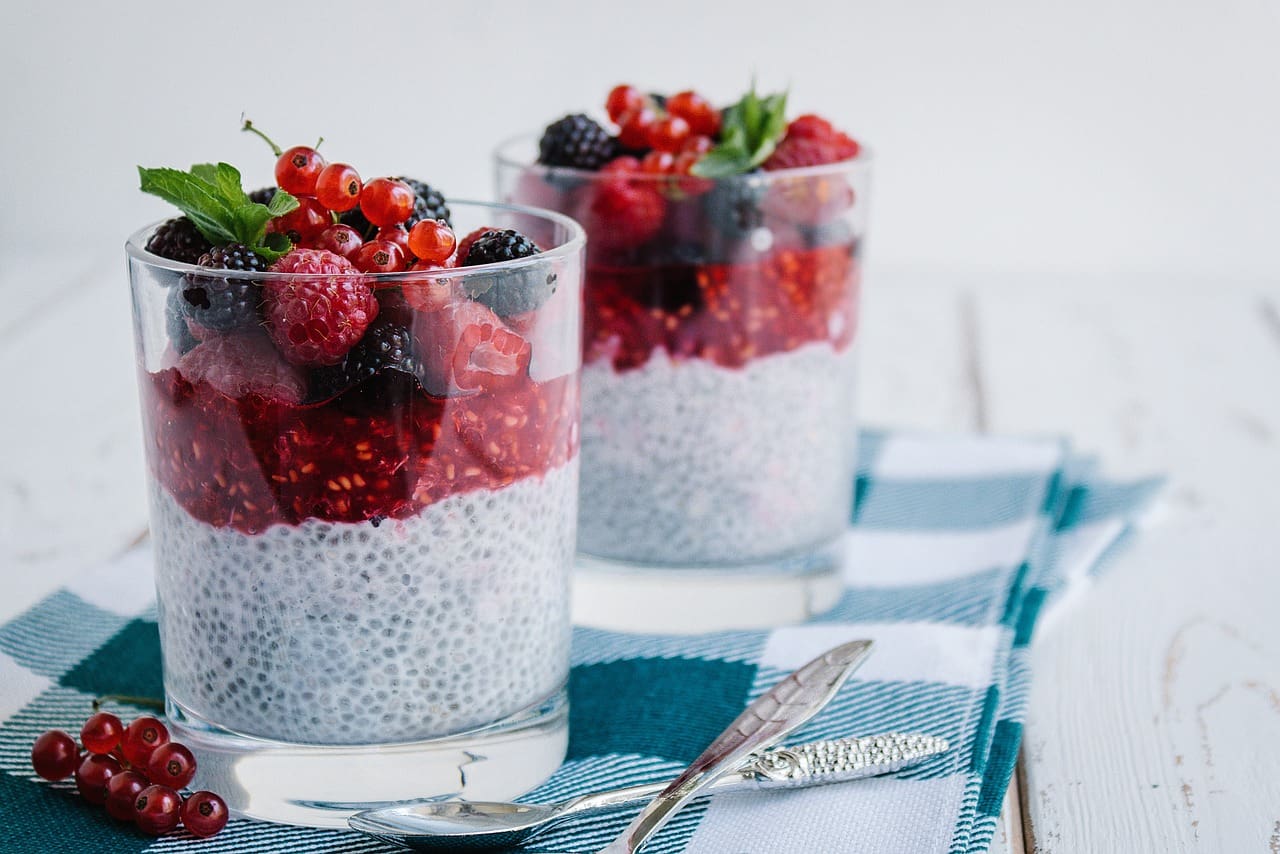
Chia seeds are a versatile and nutrient-dense superfood that contains omega-3 fatty acids, fiber, and antioxidants. They can be added to smoothies, oatmeal, or yogurt for a quick boost of omega-3s. When soaked in a liquid, chia seeds develop a gel-like texture, making them great for puddings or as an egg substitute in baking.
Flaxseeds
Flaxseeds are another excellent plant-based source of omega-3 fatty acids. They are also a rich source of lignans, which are beneficial for heart health. Grinding flaxseeds before eating or using flaxseed oil can help your body absorb omega-3s more effectively. Sprinkling ground flaxseeds on top of cereal or mixing them into baked goods are great ways to incorporate them into your diet.
Walnuts
Walnuts not only provide a satisfying crunch but are also packed with omega-3 fatty acids. They are rich in alpha-linolenic acid (ALA), a plant-based omega-3 that offers numerous health benefits. You can snack on walnuts as they are, toss them in salads, or even use them as a topping for desserts.
Soybeans
Soybeans, and products made from them, such as tofu and edamame, are excellent plant-based sources of omega-3 fatty acids. They are not only high in omega-3s but also contain high-quality protein. Incorporate tofu into stir-fries or add edamame to salads for a delicious and nutritious boost of omega-3s.
Include Omega-3 Rich Oils
Omega-3-rich oils are an easy and versatile way to increase your intake of these essential fatty acids. They can be used in cooking, salad dressings, or as a finishing touch to your dishes. Here are a few examples of oils that are rich in omega-3s:
Canola Oil
Canola oil is derived from the seeds of the canola plant and contains a good amount of omega-3 fatty acids. It has a mild flavor, making it suitable for cooking various dishes. Use canola oil for stir-frying, sautéing, or baking to add a dose of omega-3s to your meals.
Flaxseed Oil
Flaxseed oil is extracted from flaxseeds and is an excellent source of alpha-linolenic acid (ALA), a plant-based omega-3 fatty acid. It has a nutty flavor and should not be used for high-heat cooking. Instead, drizzle it on salads or use it as a finishing oil to enhance the flavors of your dishes.
Walnut Oil
Walnut oil is derived from walnuts and offers a rich, nutty flavor. It is high in omega-3 fatty acids, specifically ALA. Walnut oil is best used as a finishing oil or in salad dressings to preserve its delicate flavors and nutritional benefits.
Add Seafood to Your Meals
Incorporating seafood into your meals is an excellent way to enjoy the taste and benefits of omega-3 fatty acids. Here are a few seafood options that you can include in your diet:
Use Shrimp in Stir-Fries
Shrimp is a low-calorie and protein-rich seafood option that can be easily incorporated into various dishes. Stir-frying shrimp with vegetables and a drizzle of olive oil is a quick and healthy way to enjoy a meal packed with omega-3s.
Make Tuna Salad
Tuna is a versatile fish that can be used in various dishes, including sandwiches, salads, and wraps. It is a great source of omega-3 fatty acids and can be combined with flavorful ingredients to create a delicious and nutritious tuna salad.
Try Crab Cakes
Crab cakes are a delightful seafood option that combines the goodness of omega-3s with a burst of flavors. They can be made using fresh crab meat, breadcrumbs, and seasonings. Whether enjoyed as an appetizer or main course, crab cakes are a tasty way to incorporate more omega-3s into your diet.
Consume Omega-3 Fortified Foods
If you’re looking for additional ways to boost your omega-3 intake without making significant changes to your diet, consider adding omega-3 fortified foods to your meals. While these foods may not be as rich in omega-3s as the previously mentioned options, they can still contribute to your daily intake:
Eggs
Omega-3 fortified eggs are produced by hens that have been fed a diet rich in flaxseeds or fish oil. These eggs contain higher levels of omega-3 fatty acids compared to regular eggs. Start your day with a delicious omelet made with omega-3 fortified eggs to get a healthy dose of these essential fatty acids.
Milk
Omega-3 fortified milk is made by adding omega-3 fatty acids derived from algae or fish oil to cow’s milk. It provides a convenient way to incorporate omega-3s into your diet, especially if you regularly consume milk. Enjoy a glass of omega-3 fortified milk with your breakfast or use it in smoothies and cereal for a nutritious boost.
Yogurt
Yogurt is a versatile and nutritious food that can be enjoyed in various ways. Choose omega-3 fortified yogurt for an additional source of these essential fatty acids. You can also add chia seeds or flaxseeds to plain yogurt to further increase your omega-3 intake.
Cereal
Omega-3 fortified cereals are a convenient option for adding more of these essential fatty acids to your daily diet. Choose cereals that are specifically labeled as fortified with omega-3s and enjoy them as part of a well-balanced breakfast.
Try Omega-3 Supplements
If you struggle to incorporate enough omega-3s into your diet through food alone, you may consider omega-3 supplements. These supplements provide a concentrated dose of these essential fatty acids and can be a convenient option for some individuals. Here are a couple of common types of omega-3 supplements:
Fish Oil Capsules
Fish oil capsules are a popular omega-3 supplement derived from fatty fish, such as salmon or mackerel. They contain EPA and DHA, the two types of omega-3 fatty acids that offer significant health benefits. Ensure to choose high-quality fish oil capsules and consult with a healthcare professional to determine the appropriate dosage for your needs.
Algae Oil Capsules
Algae oil capsules are a plant-based alternative to fish oil capsules for those following a vegetarian or vegan lifestyle. These capsules contain omega-3 fatty acids derived from algae, providing a sustainable source of DHA and EPA. Consider adding algae oil capsules to your supplement routine after consulting with a healthcare professional.
Include Omega-3 Seeds in Your Diet
Seeds are small powerhouses of nutrition and are an excellent source of omega-3 fatty acids. Adding these seeds to your meals can provide a significant boost of these essential fatty acids:
Hemp Seeds
Hemp seeds are highly nutritious seeds that contain omega-3 fatty acids, along with protein, fiber, and various minerals. Sprinkle hemp seeds over salads, yogurt, or blend them into smoothies for a nutty flavor and omega-3 goodness.
Pumpkin Seeds
Pumpkin seeds are a tasty and crunchy snack that also offers a decent amount of omega-3 fatty acids. Roast pumpkin seeds with a sprinkle of salt for a delicious and nutritious treat. You can also add them to salads, soups, or use them as a topping for various dishes.
Enjoy Omega-3 Rich Spreads and Dips
If you’re a fan of spreads and dips, there are options available that can provide you with a dose of omega-3s:
Peanut Butter
Peanut butter is a beloved spread that pairs well with various foods, from toast to apple slices. It is a good source of omega-3 fatty acids, along with protein and healthy fats. Look for natural peanut butter that contains only peanuts and salt, and enjoy it as a tasty and nutritious addition to your meals.
Avocado Dip
Avocado dip, commonly known as guacamole, is a creamy and flavorful dip that contains omega-3 fatty acids. Avocados are rich in healthy fats, vitamins, and minerals, making them an excellent choice for adding nutritional value to your meals. Enjoy avocado dip with vegetable sticks, whole-grain crackers, or as a spread on sandwiches and wraps.
Wrap It Up with Seaweed
Seaweed is a nutrient-dense food that is incredibly rich in omega-3 fatty acids and other essential nutrients. Incorporating seaweed into your diet can provide several health benefits. Here are a couple of ways to enjoy omega-3-rich seaweed:
Sushi Rolls
Sushi rolls, also known as maki rolls, are a delicious way to enjoy seaweed, along with other ingredients like fish, vegetables, and rice. Opt for rolls that include seaweed such as nori to get a healthy dose of omega-3s. Experiment with different sushi roll combinations to find your favorite flavors.
Seaweed Salad
Seaweed salad is a popular appetizer or side dish that combines a variety of seaweed with simple, flavorful dressings. Enjoy a refreshing and nutritious seaweed salad as part of your meal or as a light snack. Seaweed salads are widely available in Asian grocery stores or can be made at home using a mix of different seaweed varieties.
Be Mindful of Cooking Methods
Lastly, it’s essential to be mindful of the cooking methods you choose when preparing omega-3-rich foods. Some cooking techniques may result in the loss of omega-3s, while others can help retain their nutritional value. Here are a few cooking methods to consider:
Grilling
Grilling is a popular cooking method that can help preserve the omega-3 fatty acids in fish and seafood. Whether you’re grilling salmon, shrimp, or other omega-3 rich foods, this technique adds a delicious smoky flavor while keeping the nutrients intact.
Baking
Baking is another great method for maintaining the omega-3 content in your meals. Bake fish fillets, like trout or mackerel, with a drizzle of olive oil and your choice of herbs and spices for a healthy and flavorful dish.
Poaching
Poaching is a gentle cooking method that involves cooking foods in liquid, such as water or broth, at a low temperature. This technique helps retain the omega-3 fatty acids in fish while adding moisture and tenderness to the meat. Poached salmon or other fatty fish can be a great addition to salads or served with steamed vegetables.
In conclusion, incorporating more omega-3 fatty acids into your diet is easier than you may think. By choosing fatty fish, exploring plant-based sources, consuming omega-3 rich oils, adding seafood to your meals, including omega-3 fortified foods, trying supplements, incorporating omega-3 seeds, enjoying omega-3 rich spreads and dips, wrapping it up with seaweed, and being mindful of cooking methods, you can boost your intake of these essential fatty acids. Remember to consult with a healthcare professional or registered dietitian if you have specific dietary needs or concerns. With a little creativity and knowledge, you can enjoy a diet rich in omega-3s and reap the numerous health benefits they offer. So, start making small changes today, and your body will thank you for it!