
Are you looking to improve your gut health and boost your overall well-being? Incorporating more prebiotics and probiotics into your diet might be the answer! Prebiotics are a type of fiber that nurture the good bacteria in your gut, while probiotics are live bacteria that provide numerous health benefits. In this article, we will explore various simple and practical ways to incorporate more prebiotics and probiotics into your daily meals and snacks. From adding fermented foods to your plate to including fiber-rich fruits and vegetables, we will guide you on a journey to a happier and healthier gut.
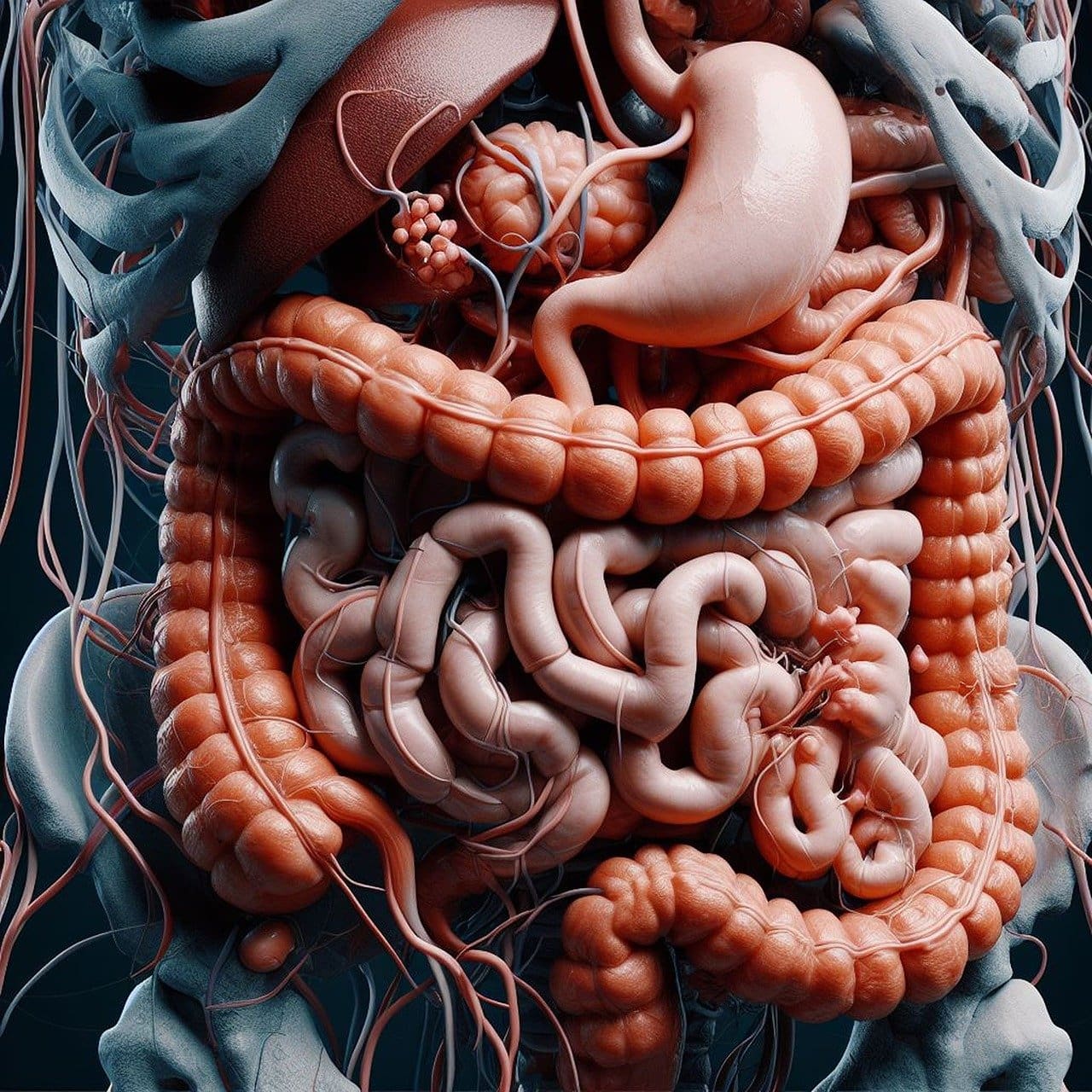
Eat foods high in prebiotics
Prebiotics are a type of fiber that act as food for the beneficial bacteria in your gut. By including more prebiotics in your diet, you can help to nourish and support the growth of these important bacteria. One simple way to do this is by increasing your fiber intake. Fiber can be found in a variety of foods, including fruits, vegetables, and whole grains. By including more fiber-rich foods in your meals, you can naturally increase your prebiotic intake.
Include more fiber in your diet
Fiber is an essential nutrient that is often overlooked in our diets. It not only helps to regulate your bowel movements but also provides a range of health benefits, including promoting a healthy gut microbiome. To include more fiber in your diet, try incorporating whole grains, such as brown rice and whole wheat bread, into your meals. Additionally, opt for whole fruits and vegetables instead of their juices, as the whole versions contain more fiber.
Consume foods rich in inulin
Inulin is a type of prebiotic fiber that can be found in a variety of foods. It is especially abundant in foods like onions, garlic, leeks, and asparagus. By adding these foods to your meals, you can easily increase your inulin intake and support a healthy gut microbiome. Try sautéing onions and garlic as a flavorful base for your dishes or adding asparagus to your stir-fries for an extra boost of prebiotic goodness.
Add onions and garlic to your meals
Onions and garlic not only add flavor to your meals but also provide a host of health benefits. These aromatic vegetables contain prebiotic fibers that can help to feed the good bacteria in your gut. Whether you’re adding them to a stir-fry, roasting them with vegetables, or sautéing them as a base for soups and sauces, don’t be shy about including onions and garlic in your meals. Your taste buds and your gut will thank you!
Include fermented foods in your meals
Fermented foods are a fantastic source of probiotics, which are live bacteria and yeasts that provide numerous health benefits. By incorporating these foods into your diet, you can introduce beneficial bacteria into your gut and support a healthy balance of microorganisms.
Try yogurt or kefir
Yogurt and kefir are two excellent sources of probiotics. These dairy products contain live cultures of bacteria that can help to improve your gut health. When choosing yogurt or kefir, opt for varieties that have live and active cultures to ensure you are getting the maximum benefits. Enjoy a serving of yogurt or kefir as a snack, mix them into your smoothies, or use them as a base for a refreshing bowl of overnight oats.
Incorporate sauerkraut into your meals
Sauerkraut is another fermented food that can be easily incorporated into your meals. Made from fermented cabbage, sauerkraut contains live bacteria that can help to support a healthy gut microbiome. Use sauerkraut as a topping for sandwiches or hot dogs, add it to salads or grain bowls, or simply enjoy it as a side dish. The tangy flavor and probiotic benefits make it a versatile and healthy addition to your diet.
Experiment with kimchi
Kimchi is a traditional Korean dish made from fermented vegetables, primarily cabbage and radishes. It is packed with probiotics and adds a spicy kick to your meals. Try adding kimchi to your stir-fries, rice bowls, or as a tangy topping for tacos or sandwiches. The unique flavors and gut-boosting benefits of kimchi make it a great choice for those looking to incorporate more fermented foods into their diet.
Take probiotic supplements
While it’s best to obtain probiotics from food sources, sometimes it’s necessary to supplement your intake. When considering probiotic supplements, it’s important to consult with a healthcare professional to determine the best option for you and to ensure it won’t interfere with any existing health conditions or medications you may be taking.
Consult with a healthcare professional
Before starting any new supplement regimen, it’s important to consult with a healthcare professional. They can help determine if you truly need probiotic supplements and recommend a suitable product based on your individual needs. Consulting with a healthcare professional will ensure you make an informed decision and avoid any potential risks or interactions.
Choose a reputable brand
When it comes to choosing probiotic supplements, it’s essential to opt for a reputable brand. Look for products that have been tested for safety and efficacy by third-party organizations like ConsumerLab or the U.S. Pharmacopeia. Additionally, check for a guaranteed potency and the presence of specific strains of bacteria that have been shown to provide health benefits.
Follow the recommended dosage
To get the most benefit from probiotic supplements, it’s important to follow the recommended dosage instructions. Taking more than the recommended amount won’t necessarily provide additional benefits and may even cause unwanted side effects. Stick to the recommended dosage and give your body time to adjust to the new influx of bacteria.
Opt for whole grain products
When it comes to choosing grains, opt for whole grain products instead of refined versions. Whole grains retain the bran and germ, which are rich in fiber and other nutrients. By including more whole grain products in your diet, you can support a healthy gut microbiome and provide your body with essential nutrients.
Choose whole grain bread and cereals
Next time you’re at the grocery store, reach for whole grain varieties of bread and cereals. Whole grain bread is typically denser and has a heartier texture compared to white bread, but it is also more nutritious and contains more fiber. Choose whole grain cereals that are low in added sugars and high in fiber to start your day off on a healthy note.
Include whole wheat pasta in your meals
Instead of regular pasta, choose whole wheat pasta when preparing your favorite dishes. Whole wheat pasta is made from whole grain flour, which means it retains the bran and germ, providing more fiber and nutrients than its refined counterpart. Pair it with your favorite sauce, toss it with roasted vegetables, or use it as a base for a nutritious pasta salad.
Explore alternatives like quinoa and barley
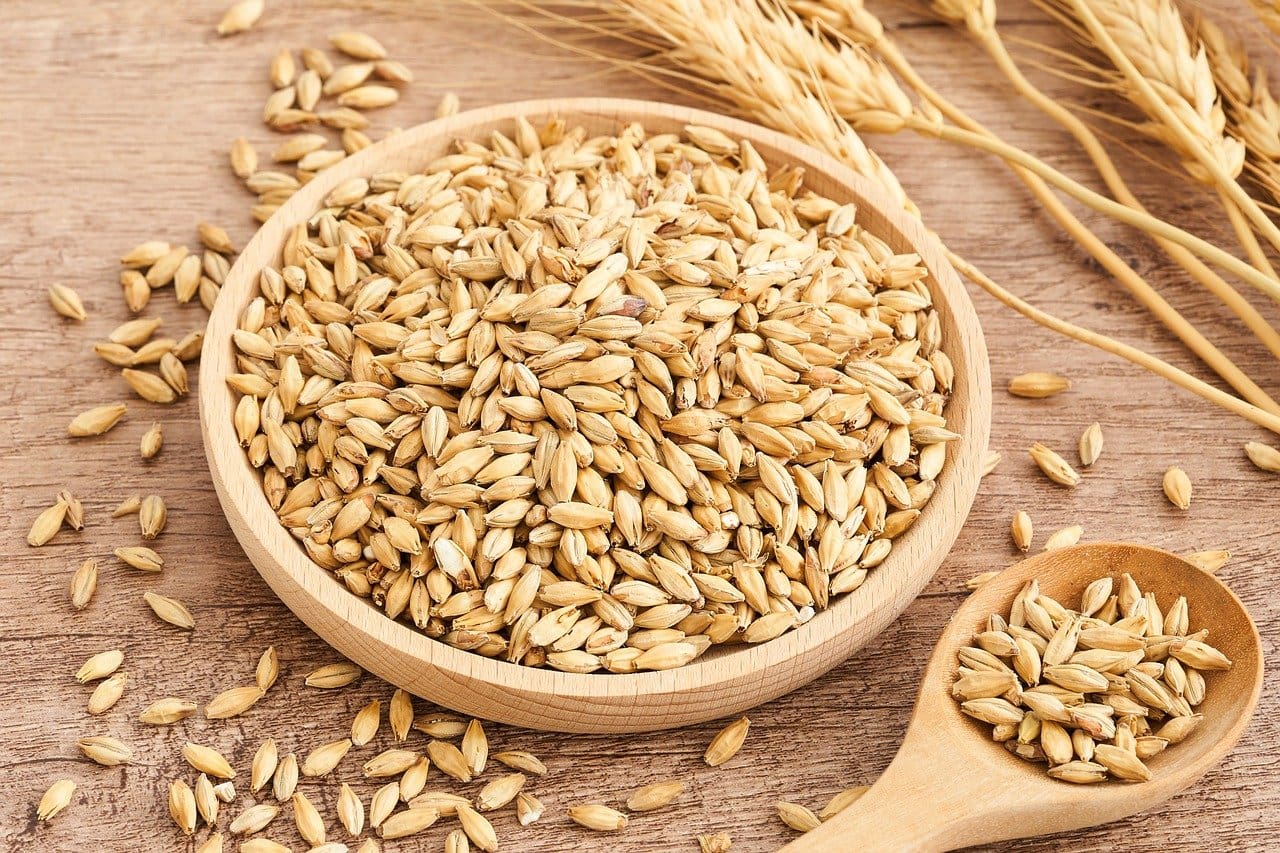
If you’re looking to mix things up, explore alternative whole grains like quinoa and barley. Quinoa is a complete protein, meaning it contains all nine essential amino acids, and is also high in fiber. Use it as a base for grain bowls or as a substitute for rice in your favorite dishes. Barley is another nutritious whole grain that is high in fiber and packed with vitamins and minerals. Add it to soups, stews, or salads for an extra nutritional boost.
Consume more fruits and vegetables
Fruits and vegetables are not only rich in vitamins and minerals but also provide essential fiber and prebiotics. By including more fruits and vegetables in your diet, you can support the growth of beneficial gut bacteria and promote a healthy digestive system.
Add berries to your breakfast
Berries, such as strawberries, blueberries, and raspberries, are not only delicious but also packed with fiber and antioxidants. Add a handful of berries to your breakfast cereal or oatmeal, blend them into your smoothies, or simply enjoy them as a snack. The natural sweetness and fiber content of berries make them a perfect choice for a nutritious and gut-friendly option.
Include leafy greens in your salads
Leafy greens, like spinach, kale, and arugula, are nutritional powerhouses that provide a range of health benefits. They are rich in fiber and contain a variety of vitamins and minerals. Include a generous portion of leafy greens in your salads or use them as a base for your sandwiches and wraps. The vibrant colors and crisp textures of leafy greens add both flavor and nutrition to your meals.
Snack on crunchy vegetables like carrots and bell peppers
Crunchy vegetables, such as carrots and bell peppers, not only offer a satisfying crunch but also provide fiber and essential nutrients. Slice them into sticks and enjoy them with a nutritious dip like hummus or add them to your salads and stir-fries for a pop of color and crunch. Snacking on crunchy vegetables is a great way to satisfy your cravings while also supporting a healthy gut.
Try fermented beverages
Fermented beverages are another tasty and convenient way to incorporate probiotics into your diet. These drinks are created by fermenting certain ingredients, such as tea, milk, or vegetables, with beneficial bacteria or yeast, resulting in a fizzy and probiotic-rich beverage.
Experiment with kombucha
Kombucha is a fermented tea beverage that has gained popularity in recent years. It is made by fermenting sweetened tea with a culture of bacteria and yeast. The fermentation process results in a tangy and slightly effervescent drink that is packed with probiotics. Kombucha is available in a variety of flavors and can be enjoyed on its own or used as a base for refreshing mocktails.
Incorporate kefir smoothies into your routine
Kefir is a fermented milk drink that has a similar taste and consistency to yogurt. It is rich in probiotics and provides a creamy and tangy base for smoothies. Blend kefir with your favorite fruits, add a handful of greens, and top it off with some nuts or seeds for a nutrient-packed and gut-friendly smoothie option.
Consider drinking kvass
Kvass is a traditional fermented beverage that originated in Eastern Europe. It is made by fermenting rye bread or beets with water and optional flavors like fruits or herbs. Kvass has a slight tangy flavor and is often enjoyed as a refreshing beverage. While it may not be as widely available as other fermented beverages, homemade kvass can be a fun and flavorful addition to your diet.

Incorporate legumes into your meals
Legumes, such as beans, chickpeas, and lentils, are not only a great source of plant-based protein but also provide a range of health benefits. They are high in fiber and contain resistant starch, a type of prebiotic that can help promote a healthy gut microbiome.
Add chickpeas to your salads
Chickpeas, also known as garbanzo beans, are a versatile legume that can be easily incorporated into your meals. They are rich in fiber and protein, making them a filling addition to salads. Try roasting chickpeas with your favorite spices for a crunchy snack, or add them to your salads for a boost of protein, fiber, and prebiotics.
Experiment with lentil soups and stews
Lentils are another nutritious legume that can be used in a variety of dishes. They are high in fiber and contain a good amount of protein. Lentil soups and stews are hearty and satisfying, making them a perfect choice for a warm and comforting meal. Get creative with flavors and spices to create delicious and gut-friendly lentil dishes.
Snack on roasted edamame
Edamame, which are young soybeans, are a popular snack that is not only delicious but also nutritious. They are a great source of plant-based protein, fiber, and prebiotics. Roast edamame with your favorite seasonings for a crunchy and satisfying snack option that can be enjoyed on its own or added to trail mixes.
Choose probiotic-rich dairy products
Dairy products can also be a source of probiotics, especially those that contain live and active cultures. Including these probiotic-rich dairy products in your diet can be a tasty way to support your gut health.
Opt for yogurt with live cultures
Yogurt is a classic dairy product that contains live and active cultures of bacteria. When choosing yogurt, make sure to look for varieties that state on the packaging that they contain live cultures. You can enjoy yogurt on its own or use it as a base for smoothies, parfaits, or even as a substitute for sour cream.
Include cottage cheese in your diet
Cottage cheese is another dairy product that can provide probiotics for gut health. It is creamy and versatile and can be enjoyed on its own or used as a topping for fruits or salads. Opt for varieties that contain live and active cultures to maximize the probiotic benefits.
Try probiotic-enhanced milk
Some brands offer milk that has been enhanced with probiotics. These products provide an additional source of beneficial bacteria and can be enjoyed on their own or used in your favorite recipes. Look for milk that specifies the presence of live and active cultures to ensure you are getting the probiotic benefits.
Include prebiotic-rich supplements or powders
If you’re having trouble getting enough prebiotics through your diet alone, supplements or powders can be a convenient way to boost your intake. These products contain concentrated amounts of prebiotics and can be easily incorporated into your daily routine.
Consider adding acacia fiber to your smoothies
Acacia fiber is a prebiotic fiber supplement that can be added to your smoothies or beverages. It dissolves easily and is tasteless, making it a convenient option for those who want to increase their prebiotic intake without altering the taste of their favorite drinks. Start with a small amount and gradually increase the dosage based on your needs.
Try chicory root fiber supplements
Chicory root fiber is another popular prebiotic supplement that can be taken in powder or capsule form. It is derived from the root of the chicory plant and contains a high concentration of prebiotic fibers. Mix chicory root fiber powder into your favorite foods or beverages, or take it in capsule form as directed by the manufacturer.
Experiment with resistant starch powders
Resistant starch is a type of prebiotic that can help promote a healthy gut microbiome. It can be found naturally in foods like green bananas, cooked and cooled potatoes, and legumes. If you can’t incorporate these foods into your diet, resistant starch powders are available as a supplement. Mix them into your smoothies, baked goods, or other recipes to increase your prebiotic intake.
Stay educated about prebiotic and probiotic foods
As with any dietary changes, it’s important to stay educated and up to date on the latest information about prebiotic and probiotic foods. There is ongoing research in this field, and new findings may influence the recommendations for optimal gut health.
Read reputable sources
When seeking information about prebiotic and probiotic foods, it’s important to rely on reputable sources. Look for information from trusted authorities in the field of nutrition and gut health, such as registered dietitians, scientific journals, or reputable health websites. By staying informed, you can make well-informed decisions about your dietary choices.
Stay updated on the latest research
The field of gut health is constantly evolving, and new research is being conducted regularly. Make an effort to stay updated on the latest findings by following reputable scientific journals, attending webinars or conferences related to nutrition and gut health, or subscribing to newsletters from trusted sources. By staying abreast of the latest research, you can ensure that your dietary choices align with the current scientific understanding.
Consult with a nutritionist or dietitian
If you have specific questions or concerns about incorporating prebiotics and probiotics into your diet, consider consulting with a nutritionist or dietitian. These professionals can provide personalized advice tailored to your specific needs and help you navigate the abundance of information available. They can work with you to develop a dietary plan that supports your gut health goals while taking into consideration your individual preferences and any existing health conditions.