
If you or a loved one is living with diabetes, finding the right diabetes monitor is crucial for managing the condition effectively. With so many options available in the market, it can be overwhelming and confusing to know which monitor is the best fit for your needs. That’s where this buyer’s guide comes in. We have carefully curated a list of factors to consider and features to look out for when selecting a diabetes monitor, ensuring that you make an informed decision that aligns with your unique requirements. From accuracy and ease of use to connectivity and price point, this guide will serve as your trusted companion in navigating the world of diabetes monitors. So let’s dive in and find the perfect diabetes monitor to help you take control of your health.
Types of Diabetes Monitors
Blood Glucose Meters
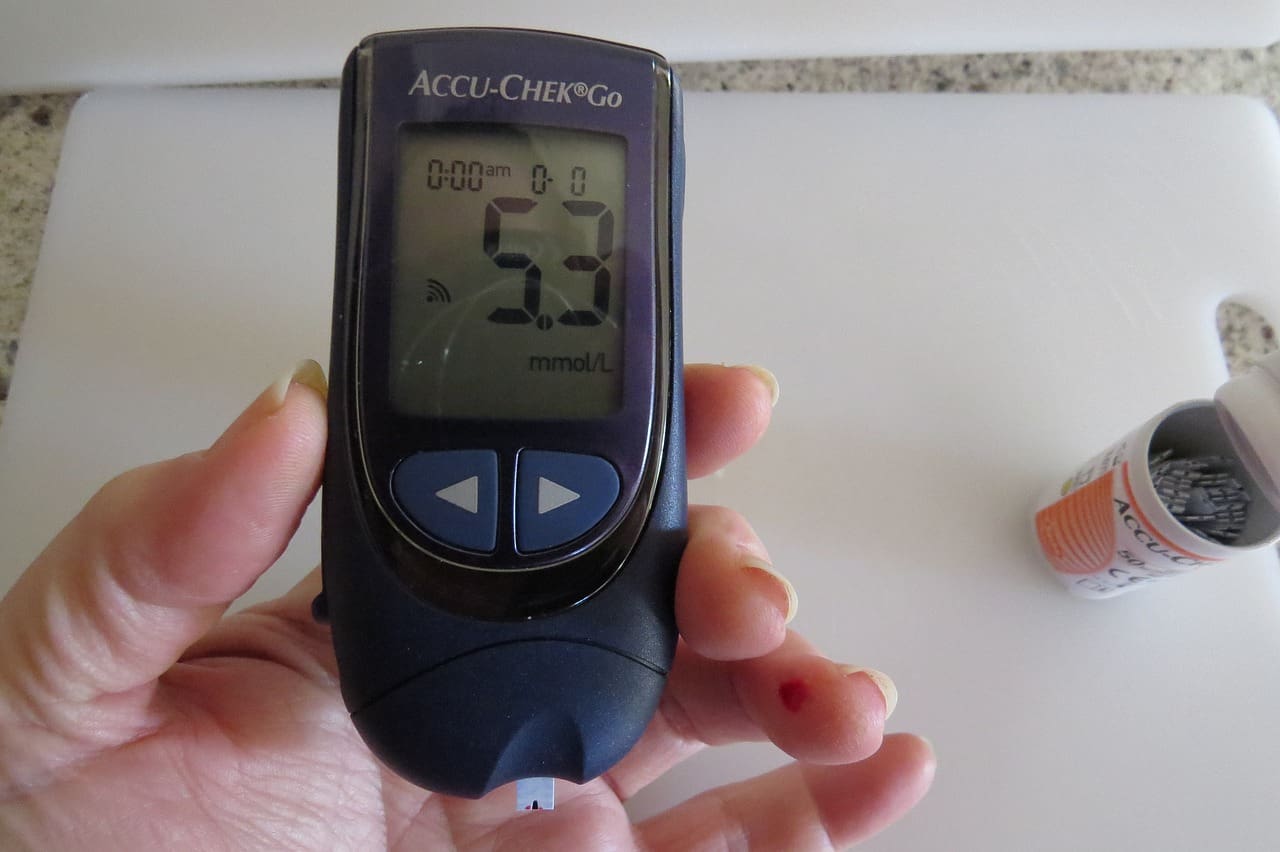
Blood glucose meters are the most common type of diabetes monitor and are widely available. They require a small blood sample, usually obtained from a finger prick, which is then placed on a test strip and inserted into the meter for analysis. These devices provide instant results, allowing you to monitor your blood sugar levels quickly and easily. Blood glucose meters are portable and convenient, making them suitable for everyday use.
Continuous Glucose Monitors (CGMs)
Continuous glucose monitors, also known as CGMs, are becoming increasingly popular among people with diabetes. These devices use a tiny sensor that is inserted under the skin to continuously measure glucose levels in the interstitial fluid. CGMs provide real-time data and can alert you to fluctuations in your blood sugar levels, allowing you to take immediate action. They are particularly useful for individuals who require frequent testing or have difficulty with finger pricks.
Flash Glucose Monitoring Systems (FGMs)
Flash glucose monitoring systems, or FGMs, have revolutionized diabetes monitoring by eliminating the need for finger pricks altogether. These systems consist of a small sensor that is attached to the skin and a reader device that scans the sensor to obtain glucose readings. FGMs provide you with a comprehensive profile of your glucose levels over the past several hours, without the need for constant monitoring. They are discreet, convenient, and offer a non-invasive alternative to traditional monitoring methods.
Accuracy and Precision
FDA-approved Devices
When selecting a diabetes monitor, it is essential to choose an FDA-approved device. FDA approval ensures that the device meets strict quality and safety standards, giving you peace of mind and confidence in its accuracy and reliability. Look for the FDA logo or approval information on the packaging or product information.
Clinical Studies and Reviews
It is always a good idea to check for clinical studies and reviews of the diabetes monitor you are considering. These studies provide valuable insights into the device’s accuracy, precision, and performance. Reading reviews from other users can also offer real-world experiences and help you make an informed decision.
User Feedback and Ratings
User feedback and ratings are another valuable resource when choosing a diabetes monitor. Online platforms and communities provide a platform for users to share their experiences and opinions on different devices. Pay attention to feedback regarding accuracy, ease of use, and reliability to ensure that you select a monitor that meets your specific needs.

Glucose Testing Features
Sample Size Requirements
Different diabetes monitors require varying sample sizes for glucose testing. Some meters require smaller blood samples, which can be beneficial if you have difficulty obtaining larger samples. Consider your individual comfort level and the convenience of sample size requirements when choosing a monitor.
Testing Time
The testing time of a diabetes monitor refers to how quickly it provides results after obtaining a blood sample. Some meters offer rapid results within seconds, while others may require a longer wait time. Consider your needs and lifestyle when selecting a monitor, as faster testing times can be advantageous for busy individuals.
Memory Capacity
Memory capacity refers to the number of glucose readings that a monitor can store. If you prefer to track and analyze your glucose levels over time, a monitor with a larger memory capacity may be beneficial. Consider the frequency of your testing and the amount of historical data you would like to store when evaluating memory capacity.
Data Transfer Options
Many diabetes monitors now offer data transfer options for seamless integration with other devices or software. These options can include Bluetooth or Wi-Fi connectivity, mobile app integration, or compatibility with diabetes management systems. Consider your preferences and how you would like to track and manage your glucose data when selecting a monitor with data transfer capabilities.
Insulin Dosage Support
Insulin Calculator
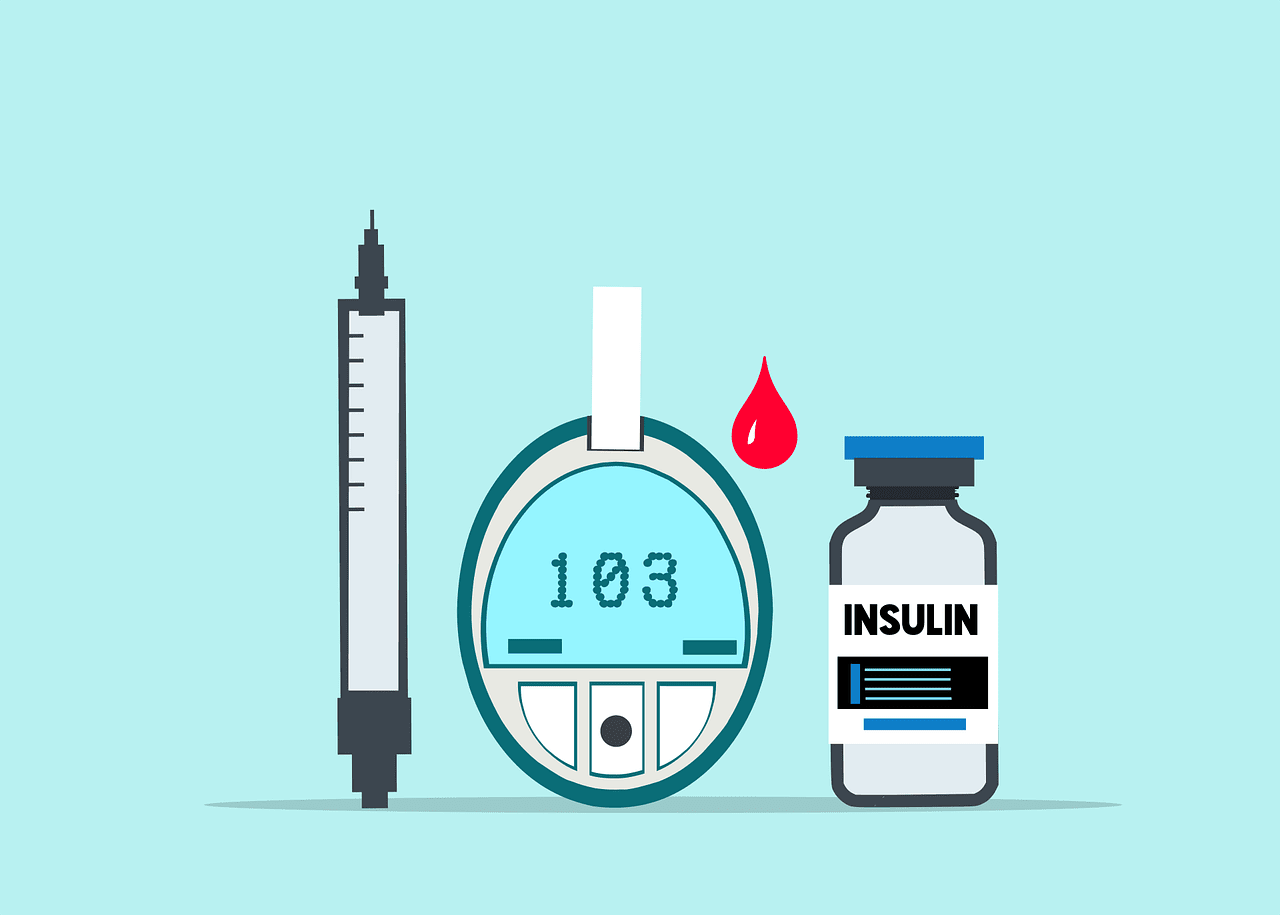
Some diabetes monitors come equipped with an insulin calculator feature, which helps you determine the appropriate insulin dosage based on your current glucose level, carbohydrate intake, and insulin sensitivity. This feature can be a valuable tool for individuals who require insulin therapy and need assistance with dosage calculations.
Insulin Reminders and Alarms
Insulin reminders and alarms can be particularly helpful for those who need assistance in remembering to take their insulin doses at specific times. Look for a monitor that provides customizable reminders and alarms to suit your individual needs and medication schedules.
Insulin Compatibility
If you use an insulin pump or other insulin delivery systems, it is essential to ensure that your chosen diabetes monitor is compatible. Some monitors may have specific features or connectivity options that integrate seamlessly with insulin pumps, allowing for more efficient diabetes management.
Accessibility and User-friendliness
Large Display and Clear Readings
Consider the display size and clarity when choosing a diabetes monitor. A large, easy-to-read display with clear readings can be especially beneficial for individuals with visual impairments or those who prefer a more user-friendly interface. Ensure that the monitor’s display suits your individual needs and preferences.
Intuitive User Interface
An intuitive user interface makes operating a diabetes monitor easier and more efficient. Look for a monitor with a straightforward menu layout, clearly labeled buttons, and easy-to-understand instructions. User-friendly interfaces can enhance your overall experience and make glucose monitoring more accessible.
Audio and Visual Alerts
For individuals with hearing impairments or those who prefer auditory cues, audio alerts can provide additional support. Look for a diabetes monitor that offers customizable audio alerts to notify you of high or low glucose levels or other important information. Visual alerts, such as color-coded indicators or icons, can also be helpful for individuals with visual impairments.
Adaptive Technology (for visually impaired users)
Some diabetes monitors incorporate adaptive technology features specifically designed for visually impaired users. These features may include text-to-speech capabilities, high contrast displays, or tactile buttons. If you have visual impairments, consider a monitor that offers these adaptive technologies to enhance usability.
Connectivity and Compatibility
Bluetooth and Wi-Fi Connectivity
Bluetooth and Wi-Fi connectivity options allow for seamless data transfer between your diabetes monitor and other devices or applications. This feature enables real-time monitoring, automatic data syncing, and other advanced functionalities. If you value connectivity and integration with other devices or systems, consider a monitor with Bluetooth and/or Wi-Fi capabilities.
Mobile Apps Integration
Mobile app integration is increasingly common in diabetes monitoring devices. Many monitors now offer companion mobile apps that allow you to track and manage your glucose levels, receive alerts and reminders, and share data with healthcare providers easily. Consider your preference for mobile app usage and look for monitors that offer integration with a user-friendly app.
Compatibility with Insulin Pumps and Continuous Glucose Monitoring Systems
If you already use an insulin pump or continuous glucose monitoring system, ensure that your chosen diabetes monitor is compatible. Compatibility allows for seamless integration, enabling more efficient diabetes management and consolidated data tracking. Check the monitor’s specifications and consult with your healthcare provider to ensure compatibility with your existing systems.
Battery Life and Power Options
Battery Life
Consider the battery life of a diabetes monitor when making your selection. Longer battery life means less frequent battery changes or charging, providing added convenience and reducing the risk of running out of power at crucial moments. Look for monitors with extended battery life to ensure consistent and reliable use.
Battery Type (Disposable or Rechargeable)
Diabetes monitors can use either disposable or rechargeable batteries. Disposable batteries may be more convenient for individuals who travel frequently or have limited access to charging options. On the other hand, rechargeable batteries can offer cost savings and sustainability. Consider your lifestyle and preferences when choosing between disposable or rechargeable battery options.
Power Source Options (USB, AC Adapter, Battery Pack)
Different diabetes monitors offer various power source options, such as USB charging, AC adapters, or battery packs. Consider your access to power sources and how you plan to use your monitor when evaluating the available power options. USB charging and AC adapters can be convenient for at-home use, while battery packs are ideal for on-the-go monitoring.
Cost and Affordability
Device Price
Cost is an important factor when selecting a diabetes monitor. Prices can range from affordable to more expensive, depending on the features and functionalities offered. Set a budget and consider the value provided by each monitor within your price range. Remember to factor in long-term costs, such as test strips and supplies.
Insurance Coverage
Check with your insurance provider to determine if diabetes monitors are covered under your policy. Some insurance plans may cover specific monitors or provide reimbursement for a portion of the cost. Understanding your insurance coverage can help make your monitor more affordable.
Cost of Test Strips and Supplies
Test strips and supplies can be ongoing expenses when using a diabetes monitor. Different monitors may require specific test strips or accessories, which can vary in price. Consider the cost of these consumables and ensure their availability in your area. Opt for a monitor with affordable and easily accessible test strips and supplies.
Customer Support and Warranty
Manufacturer’s Warranty
A manufacturer’s warranty provides protection against defects or malfunctions in your diabetes monitor. It is important to check the warranty period and terms when purchasing a monitor. A longer warranty period can give you peace of mind and assurance in the device’s quality and durability.
Access to Customer Support
Having access to customer support is crucial when using a diabetes monitor. Ensure that the manufacturer provides reliable customer support, such as a helpline or online chat, for any technical or operational queries. Timely and responsive customer support can help address issues or concerns efficiently.
Online Resources and Communities
Consider the availability of online resources and communities associated with the diabetes monitor you are considering. Websites, forums, and online communities can provide additional information, troubleshooting tips, and support from other users. Access to these resources can enhance your overall experience and help you navigate any challenges effectively.
Additional Features and Accessories
Data Analysis and Reports
Some diabetes monitors offer data analysis and reporting features, allowing you to gain insights into your glucose levels and trends over time. These features often include graphical representations and customizable reports that can be shared with healthcare providers. Consider whether data analysis and reporting capabilities are essential to your diabetes management plan.
Hypo and Hyperglycemia Alerts
Hypo and hyperglycemia alerts are valuable features that notify you when your glucose levels fall below or exceed your target range. These alerts can serve as important reminders to take action and prevent potential complications. Look for a monitor that provides customizable hypo and hyperglycemia alerts to suit your individual needs.
Travel-friendly Design
For individuals who frequently travel, a diabetes monitor with a travel-friendly design can be advantageous. Look for compact and portable monitors that are convenient to pack and use on the go. Consider features such as protective cases, easy storage options, and durability when selecting a monitor for travel.
Carrying Cases and Storage Options
Many diabetes monitors come with carrying cases or storage options, providing a convenient and organized solution for keeping your monitor and supplies together. Consider the design and size of the carrying case or storage option to ensure it meets your needs for portability, accessibility, and protection.
In conclusion, selecting the right diabetes monitor is an important decision that can greatly impact your diabetes management and overall well-being. Consider the various types of monitors available, their accuracy and precision, glucose testing features, insulin dosage support, accessibility and user-friendliness, connectivity and compatibility, battery life and power options, cost and affordability, customer support and warranty, and any additional features or accessories that may enhance your monitoring experience. By carefully evaluating these factors and considering your individual needs and preferences, you can choose a diabetes monitor that best suits you and empowers you to take control of your health. Remember to consult with your healthcare provider for guidance and recommendations based on your specific medical requirements.