Want to keep your blood sugar levels in check and reduce the risk of developing type 2 diabetes? Look no further! In this article, we will explore some practical tips and lifestyle changes that can significantly lower the chances of developing this chronic condition. By incorporating these simple yet effective adjustments into your daily routine, you’ll be taking a big step towards ensuring your long-term health and well-being. So let’s get started on this journey towards a healthier you!
Maintain a Healthy Weight
Eat a balanced diet
Maintaining a healthy weight is crucial in reducing the risk of developing type 2 diabetes. One way to achieve this is by following a balanced diet. This means including a variety of foods from different food groups in your meals. Aim to have a good mix of carbohydrates, proteins, and fats in your diet. Include plenty of fruits and vegetables, lean proteins like chicken and fish, and healthy fats such as nuts and olive oil. Avoid excessive consumption of processed and sugary foods as they can contribute to weight gain and increase the risk of diabetes.
Exercise regularly
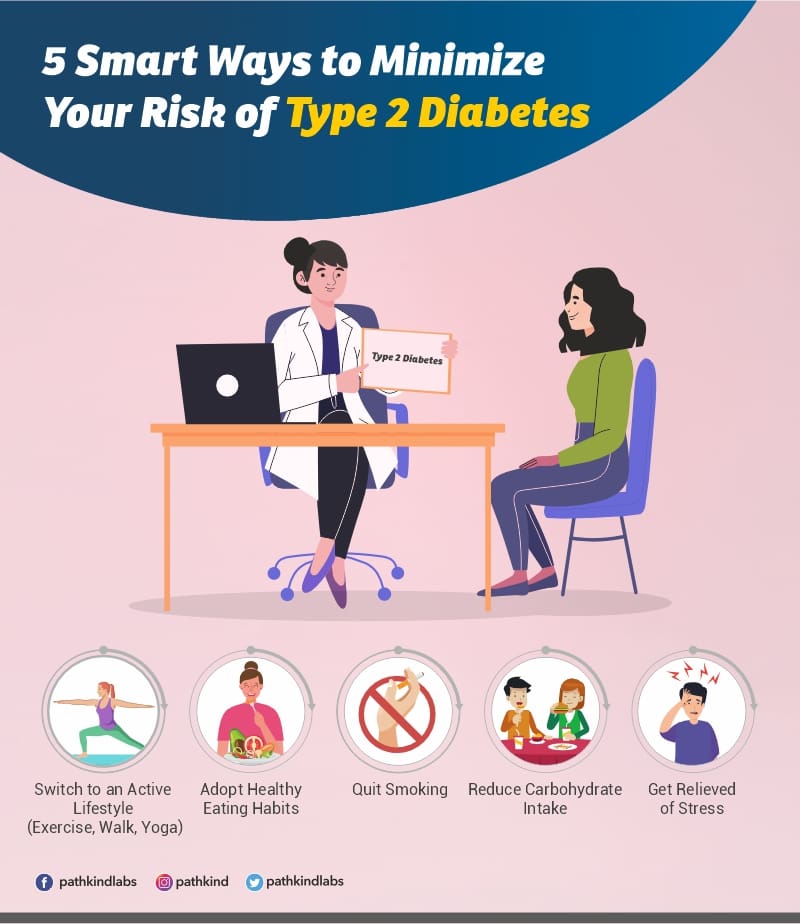
In addition to eating a balanced diet, regular exercise is essential in maintaining a healthy weight and lowering the risk of type 2 diabetes. Engaging in physical activity helps to burn calories and build lean muscle mass, both of which contribute to weight management. Aim for at least 150 minutes of moderate-intensity aerobic exercise, such as brisk walking, cycling, or swimming, per week. Additionally, include strength training exercises to help build muscle and boost metabolism. Find activities that you enjoy and make exercise a regular part of your routine.
Monitor portion sizes
Monitoring portion sizes is another key factor in maintaining a healthy weight and reducing the risk of diabetes. It’s important to be mindful of how much food you’re consuming to avoid overeating. Consider using smaller plates or bowls to help control portion sizes. Pay attention to hunger and fullness cues, and try to eat slowly and mindfully. Avoid distractions, such as eating in front of the TV or while working, as this can lead to overeating. By keeping an eye on portion sizes, you can better manage your weight and promote overall health.
Follow a Balanced Diet
Limit sugar intake
When it comes to reducing the risk of type 2 diabetes, it’s vital to limit your sugar intake. Consuming excessive amounts of sugar can lead to weight gain, insulin resistance, and an increased risk of developing diabetes. Limit your consumption of sugary beverages, such as soda and fruit juices, and opt for water or unsweetened drinks instead. Additionally, be mindful of hidden sugars in processed foods, such as cereals, snacks, and condiments. Read food labels and choose products with lower sugar content. By reducing your sugar intake, you can help maintain stable blood sugar levels and protect against diabetes.
Increase fiber intake
Increasing your fiber intake is another important aspect of a balanced diet to lower the risk of type 2 diabetes. Fiber-rich foods help regulate blood sugar levels and improve insulin sensitivity. Include plenty of fruits, vegetables, whole grains, legumes, and nuts in your meals to increase your fiber intake. These foods not only provide essential nutrients but also help you feel full and satisfied, reducing the likelihood of overeating. Choose whole fruits over fruit juices and opt for whole grain products like whole wheat bread and brown rice. By incorporating fiber-rich foods into your diet, you can support a healthy metabolism and decrease the risk of diabetes.
Choose whole grains
When choosing carbohydrates, opt for whole grain varieties to reduce the risk of type 2 diabetes. Whole grains, such as brown rice, whole wheat bread, and oats, are higher in fiber and have a lower glycemic index compared to refined grains. This means they have a slower, steadier impact on your blood sugar levels, helping to regulate insulin response. By incorporating whole grains into your diet, you can promote better blood sugar control and decrease your risk of developing diabetes. Be sure to check food labels and choose products that are made with whole grains for maximum health benefits.

Engage in Regular Physical Activity
Aerobic exercises
Regular aerobic exercise plays a significant role in lowering the risk of type 2 diabetes. Engaging in activities that increase your heart rate and breathing, such as brisk walking, jogging, cycling, or dancing, can help improve insulin sensitivity and blood sugar control. Aim for at least 150 minutes of moderate-intensity aerobic exercise each week, or 75 minutes of vigorous-intensity exercise if you prefer higher-intensity workouts. Remember to start slowly and gradually increase the intensity and duration of your workouts to avoid injury. Consistency is key, so find activities you enjoy and make them a regular part of your routine.
Strength training
In addition to aerobic exercise, incorporating strength training into your fitness routine can also have a positive impact on your risk of developing type 2 diabetes. Strength training exercises, like lifting weights or using resistance bands, help build muscle mass and increase metabolism. This can lead to improved insulin sensitivity and better blood sugar control. Aim for at least two days of strength training activities per week, targeting all major muscle groups. If you’re new to strength training, consider working with a qualified fitness professional to ensure proper form and technique.
Incorporate daily movement
Incorporating daily movement into your routine is essential for lowering the risk of type 2 diabetes. Being sedentary for long periods can increase the likelihood of weight gain and insulin resistance. Look for opportunities to move throughout the day, even if you have a desk job. Take short breaks to stretch and walk around, use the stairs instead of the elevator, and park farther away from your destination to get some extra steps in. Small changes like these can add up and contribute to overall better health. Consider wearing an activity tracker to monitor your daily steps and set goals for yourself.
Manage Stress Levels
Practice relaxation techniques
Managing stress levels is crucial in reducing the risk of type 2 diabetes. Chronic stress can lead to unhealthy coping behaviors, such as overeating and adopting a sedentary lifestyle, which contribute to weight gain and insulin resistance. Take time to engage in relaxation techniques, such as deep breathing exercises, meditation, or yoga, to help reduce stress. These practices can help lower cortisol levels, the stress hormone, and promote a sense of calm and well-being. Find activities that you enjoy and make them a regular part of your routine to effectively manage stress and protect against diabetes.
Get enough sleep
Adequate sleep is essential for maintaining overall health and lowering the risk of type 2 diabetes. Lack of sleep has been linked to an increased risk of weight gain, insulin resistance, and diabetes. Aim for seven to eight hours of quality sleep each night. Establish a regular sleep schedule by going to bed and waking up at the same time every day, even on weekends. Create a relaxing bedtime routine to signal to your body that it’s time to unwind and prepare for sleep. Avoid electronic devices, caffeine, and stimulating activities close to bedtime. By prioritizing sleep, you can support healthy metabolism and reduce your risk of developing diabetes.
Seek support from others
Seeking support from others is an essential component of managing stress and reducing the risk of type 2 diabetes. Connecting with loved ones, friends, or support groups can provide emotional support, encouragement, and guidance during challenging times. Talking about your concerns, sharing experiences, and seeking advice or information can help alleviate stress and promote overall well-being. Consider joining a diabetes prevention program or participating in online communities dedicated to healthy lifestyle choices. Remember, you don’t have to face the risk of diabetes alone, and seeking support can make a significant difference.

Limit Alcohol Consumption
Drink in moderation
While moderate alcohol consumption has been associated with some health benefits, excessive drinking can increase the risk of type 2 diabetes. Consuming too much alcohol can lead to weight gain, raise blood sugar levels, and contribute to insulin resistance. It’s important to drink alcohol in moderation. For men, moderation means up to two standard drinks per day, while for women, it’s one standard drink per day. One standard drink is typically equivalent to a 5-ounce glass of wine, 12 ounces of beer, or 1.5 ounces of distilled spirits. It’s crucial to be aware of your alcohol intake and make mindful choices to protect your health.
Choose lower calorie options
When it comes to alcohol, certain choices can be more diabetes-friendly than others. Opt for lower calorie options to reduce the risk of type 2 diabetes. Light beers, dry wines, or spirits mixed with calorie-free mixers, such as soda water or diet soda, are generally lower in calories and sugar compared to sugary cocktails or sweet wines. Be mindful of portion sizes and avoid excessive consumption of alcohol in one sitting. Remember that alcohol can lower inhibitions and lead to poor food choices, so it’s important to drink responsibly and make conscious decisions about what and how much you consume.
Avoid binge drinking
Binge drinking, which is defined as consuming a large amount of alcohol within a short period, significantly increases the risk of type 2 diabetes. Binge drinking can lead to severe spikes in blood sugar levels, stress the liver, and negatively impact overall health. It’s crucial to avoid binge drinking and practice responsible alcohol consumption. Spread your alcohol intake over the course of an evening and alternate alcoholic beverages with non-alcoholic ones. Establishing clear boundaries and being mindful of your alcohol consumption can help protect against the risk of diabetes and promote better overall health.
Quit Smoking
Find support to quit
If you smoke, quitting is one of the most important steps you can take to lower the risk of type 2 diabetes. Smoking not only damages your lungs and increases the risk of various diseases but also significantly raises the likelihood of developing diabetes. Seek support to quit smoking, whether it’s through counseling, support groups, or nicotine replacement therapy. Talk to your doctor about the best quitting strategies for you. Surround yourself with a supportive environment, let your loved ones know about your decision to quit, and ask them to help you stay motivated. Quitting smoking is challenging, but the benefits for your health are immense.
Set a quit date
Setting a quit date can help you mentally prepare for your journey to quit smoking and lower the risk of type 2 diabetes. Choose a date within the next month, giving yourself enough time to plan and gather resources to support your quit attempt. Consider picking a significant day, such as a birthday or anniversary, to make it more meaningful. Use the time leading up to your quit date to educate yourself about the benefits of quitting and develop coping strategies to deal with cravings and withdrawal symptoms. By setting a quit date, you take a proactive step towards a healthier future.
Use nicotine replacement therapy
Nicotine replacement therapy (NRT) can be an effective tool to help you quit smoking and reduce the risk of type 2 diabetes. NRT works by providing a controlled dose of nicotine without the harmful toxins found in cigarettes. This can help alleviate withdrawal symptoms and cravings associated with quitting. There are various forms of NRT available, including patches, gum, lozenges, inhalers, and nasal sprays. Talk to your doctor or pharmacist to determine the best NRT option for you and learn about proper usage. NRT, combined with behavioral support, can substantially increase your chances of successfully quitting smoking and improving your overall health.

Get Regular Check-ups
Visit your doctor regularly
Regular check-ups with your doctor are essential in managing your health and reducing the risk of type 2 diabetes. Schedule routine appointments to monitor your overall well-being, including blood sugar levels, blood pressure, cholesterol, and other relevant health markers. Your doctor can provide personalized advice, educate you about diabetes prevention strategies, and recommend necessary lifestyle modifications. Collaborating with your healthcare provider is crucial in maintaining optimal health and reducing the risk of diabetes. Be proactive in seeking medical guidance and ensuring that you are on the right path towards a healthy future.
Monitor blood sugar levels
Regular monitoring of blood sugar levels is vital in lowering the risk of type 2 diabetes or catching the disease in its early stages. If you have prediabetes or are at high risk, your doctor may recommend periodic blood sugar testing. This can help detect any abnormal elevations in blood sugar levels and prompt early intervention. Depending on your individual circumstances, your doctor will advise you on the appropriate frequency and method for monitoring your blood sugar. By staying vigilant and aware of your blood sugar levels, you can take necessary action to prevent or manage diabetes effectively.
Check cholesterol and blood pressure levels
Monitoring cholesterol and blood pressure levels is crucial in reducing the risk of type 2 diabetes and maintaining overall cardiovascular health. Elevated cholesterol levels and high blood pressure increase the likelihood of developing diabetes and various heart-related conditions. Regular screenings can help identify any abnormalities and enable appropriate interventions. Ensure that you follow your doctor’s recommendations regarding cholesterol and blood pressure management, which may include lifestyle modifications, medication, or a combination of both. By staying informed and proactively addressing any issues, you can protect your health and mitigate the risk of developing diabetes.
Limit Processed and Packaged Foods
Read food labels
Limiting the consumption of processed and packaged foods is essential in reducing the risk of type 2 diabetes. These products are often high in added sugars, unhealthy fats, and refined carbohydrates, which can contribute to weight gain and insulin resistance. When shopping, take the time to read food labels and look for ingredients that you can understand and recognize. Opt for whole foods and minimally processed options whenever possible. Fresh produce, lean proteins, and whole grains should be the focus of your meals, while highly processed snacks and convenience foods should be limited. By being mindful of the food choices you make, you can support a healthier lifestyle and protect against diabetes.
Cook at home
Cooking at home is an excellent way to take control of your diet and reduce the consumption of processed foods. By preparing meals from scratch, you have the power to choose fresh ingredients and control portion sizes. Experiment with different recipes and get creative with flavors and spices to make your meals enjoyable and satisfying. Plan your meals in advance, create a grocery list, and stock your kitchen with wholesome ingredients. Cooking at home can not only help you make healthier choices but also save you money in the long run. Embrace the joy of cooking and reap the benefits of a more nutritious diet.
Choose fresh ingredients
When it comes to reducing the risk of type 2 diabetes, choosing fresh ingredients is essential. Fresh fruits, vegetables, lean proteins, and whole grains should form the foundation of your diet. Opt for seasonal produce whenever possible, as these foods are often more nutritious and flavorful. Incorporate a variety of colors into your meals to ensure a wide range of vitamins, minerals, and antioxidants. Consider visiting local farmers’ markets or joining a community-supported agriculture (CSA) program to access fresh, locally sourced ingredients. By prioritizing fresh foods, you can support overall health and lower the risk of developing diabetes.
Stay Hydrated
Drink plenty of water
Staying hydrated is a simple yet effective way to promote overall health and reduce the risk of type 2 diabetes. Water is essential for maintaining optimal bodily functions, including regulating blood sugar levels and supporting metabolism. Aim to drink at least eight 8-ounce glasses of water daily, or more if you engage in physical activity or live in a hot climate. Carry a reusable water bottle with you to ensure easy access to water throughout the day. If you find plain water boring, infuse it with fresh fruits or herbs for added flavor. By staying hydrated, you can support your body’s natural processes and maintain better overall health.
Limit sugary beverages
Sugary beverages, such as soda, fruit drinks, and sweetened teas, are major contributors to weight gain and an increased risk of type 2 diabetes. These drinks are often high in calories and added sugars, which can negatively impact blood sugar levels and insulin response. Limit your consumption of sugary beverages and opt for healthier alternatives. Choose water, unsweetened tea or coffee, or naturally flavored water as your primary hydration sources. If you enjoy the occasional sweet drink, have it in moderation and be mindful of portion sizes. By making conscious choices to limit sugary beverages, you can protect your health and reduce the risk of diabetes.
Avoid excessive caffeine intake
While moderate caffeine intake is generally safe, excessive caffeine consumption can disrupt sleep patterns, increase stress levels, and potentially impact blood sugar control. It’s important to be mindful of your caffeine intake and avoid excessive amounts. Limit your consumption of caffeinated beverages, such as coffee, tea, and energy drinks, to moderate levels. Aim to consume no more than 400 milligrams of caffeine per day, equivalent to about four cups of coffee. If you’re sensitive to caffeine or have difficulty sleeping, consider switching to decaffeinated options or herbal teas. By being mindful of your caffeine intake, you can support healthy sleep patterns and overall well-being.
Maintain a Healthy Sleep Routine
Establish a regular sleep schedule
Maintaining a healthy sleep routine is a crucial aspect of reducing the risk of type 2 diabetes. Establish a regular sleep schedule by going to bed and waking up at the same time every day, even on weekends. This helps regulate your body’s internal clock and promotes better sleep quality. Aim for seven to eight hours of uninterrupted sleep each night to support overall health and well-being. If you struggle with falling asleep or staying asleep, try implementing relaxation techniques or creating a calming bedtime routine. By prioritizing a consistent sleep schedule, you can improve your sleep quality and decrease the risk of diabetes.
Create a relaxing bedtime routine
Creating a relaxing bedtime routine can help signal to your body that it’s time to wind down and prepare for sleep. Engage in activities that promote relaxation and reduce stress in the hours leading up to bedtime. Consider taking a warm bath, reading a book, practicing meditation or deep breathing exercises, or listening to calming music. Avoid electronic devices, bright lights, and stimulating activities close to bedtime, as they can interfere with your ability to fall asleep. Make your bedroom a peaceful and comfortable environment by keeping it cool, dark, and quiet. By creating a relaxing bedtime routine, you can optimize your sleep and support overall health.
Ensure a comfortable sleep environment
Ensuring a comfortable sleep environment is essential in promoting quality sleep and reducing the risk of type 2 diabetes. Your bedroom should be cool, dark, and quiet to create the ideal conditions for restorative sleep. Invest in a comfortable mattress and pillows that support your body and align your spine. Make sure your bedding and sleepwear are suited to the temperature and your personal preferences. Maintain good bedroom hygiene by keeping your sleep environment clean and free from allergens. By optimizing your sleep environment, you can enhance your sleep quality and contribute to a healthy lifestyle.