
Are you considering adopting a plant-based lifestyle but concerned about maintaining a healthy diet? Look no further! In this article, we will provide you with valuable tips and strategies to ensure that you can successfully navigate the challenges of a plant-based diet without compromising your nutritional needs. Discover the secrets to incorporating a variety of nutrient-rich plant-based foods into your meals, managing your protein intake, and maintaining balanced energy levels throughout the day. With our expert advice, you’ll be well-equipped to embrace a plant-based lifestyle with confidence and vitality.
Understanding a Plant-Based Lifestyle
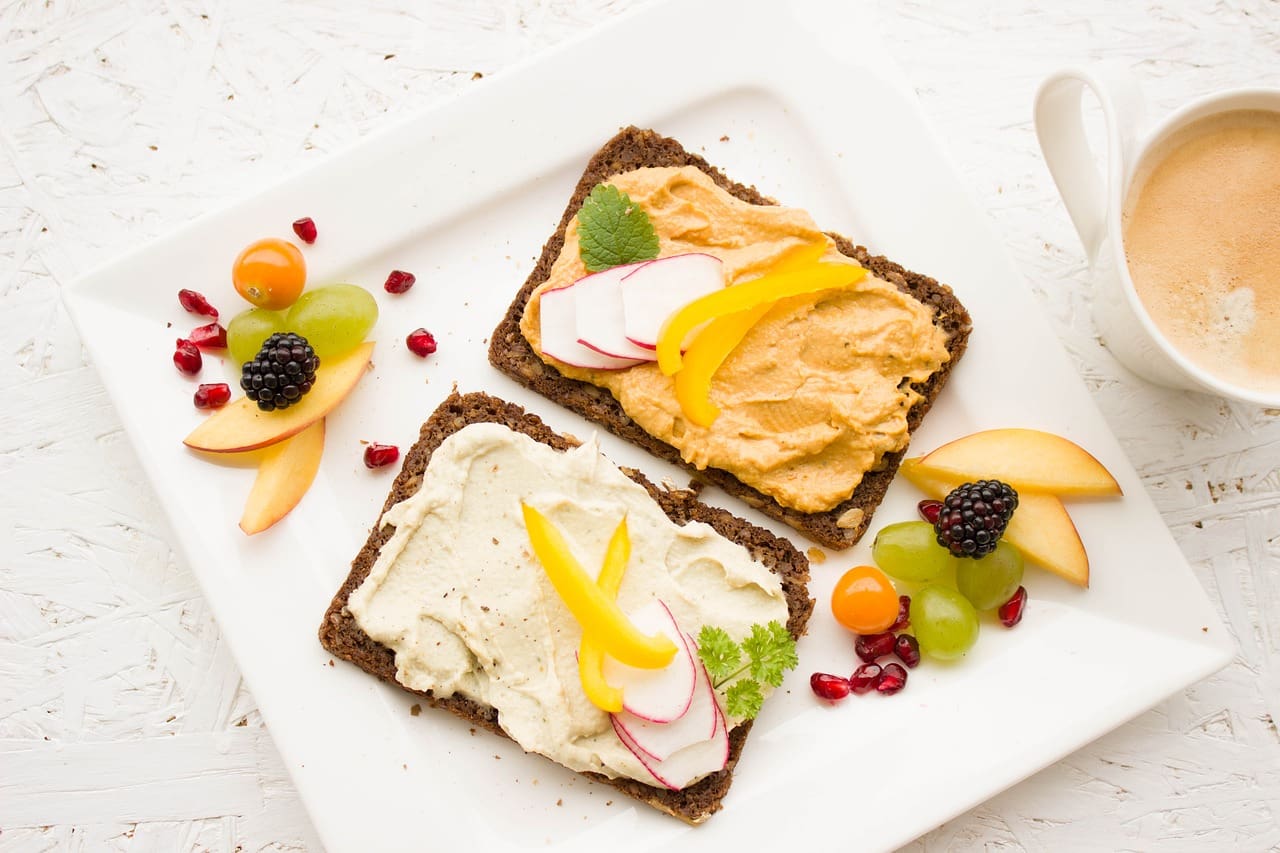
A plant-based lifestyle refers to a way of eating that focuses on consuming primarily plants, such as fruits, vegetables, whole grains, legumes, nuts, and seeds. It excludes or minimizes the intake of animal products, including meat, poultry, seafood, dairy, and eggs. Many people choose to adopt a plant-based lifestyle for various reasons, including ethical concerns, environmental sustainability, and health benefits.
Benefits of a Plant-Based Lifestyle
Embracing a plant-based lifestyle can bring about numerous benefits for both your health and the environment. By consuming a diet rich in plant-based foods, you can significantly reduce the risk of chronic diseases like heart disease, type 2 diabetes, and certain types of cancer. Plant-based diets are typically lower in saturated fats and higher in fiber, vitamins, minerals, and antioxidants, all of which contribute to improved overall health.
Furthermore, a plant-based lifestyle can have positive environmental impacts. Animal agriculture is a major contributor to greenhouse gas emissions and deforestation. By reducing our reliance on animal products and shifting towards plant-based alternatives, we can help protect the planet for future generations.
Common Misconceptions about Plant-Based Diets
There are often misconceptions surrounding plant-based diets, which can deter individuals from considering this lifestyle. One common misconception is that plant-based diets lack sufficient protein. However, by including a variety of plant-based protein sources such as legumes, tofu, tempeh, seitan, and quinoa, you can easily meet your protein needs.
Another misconception is that plant-based diets are boring and lack flavor. On the contrary, plant-based eating allows for a wide array of delicious and creative meals. With the right ingredients and recipes, you can explore a world of exciting flavors while nourishing your body.
The Importance of a Balanced Plant-Based Diet
When following a plant-based lifestyle, it is crucial to ensure you are consuming a balanced diet that meets all your nutritional needs. A balanced plant-based diet should include a variety of foods from different plant sources to ensure you’re getting all essential nutrients.
By incorporating a wide range of fruits, vegetables, whole grains, legumes, nuts, and seeds, you can provide your body with an abundance of vitamins, minerals, and antioxidants. It is also important to pay attention to portion sizes and avoid relying too heavily on processed plant-based foods, which may be high in added sugars, unhealthy fats, and sodium.
Setting Nutritional Goals
Before embarking on a plant-based lifestyle, it is essential to identify your nutritional needs and set goals accordingly. This will help ensure that you are getting all the necessary nutrients for optimal health.
Identify Your Nutritional Needs
Consulting with a registered dietitian can be immensely helpful in identifying your specific nutritional needs. They can assess your current diet, consider any medical conditions you may have, and provide personalized recommendations. This will enable you to tailor your plant-based diet to meet your unique requirements.
Ensure Adequate Protein Intake
Protein is an essential macronutrient that plays a vital role in building and repairing tissues, as well as supporting various bodily functions. While plant-based protein sources may differ from animal-based ones, it is entirely possible to meet your protein needs on a plant-based diet.
Including a variety of protein-rich foods such as legumes, tofu, tempeh, seitan, edamame, and quinoa in your meals can ensure adequate protein intake. Aim for a combination of different plant-based protein sources throughout the day to provide a complete range of essential amino acids.
Get Enough Vitamins and Minerals
Plant-based diets are typically abundant in vitamins and minerals due to the high consumption of fruits, vegetables, whole grains, and legumes. However, it is still important to pay attention to specific nutrients that may require additional consideration.
For example, vitamin B12, which is primarily found in animal-based products, may be lacking in plant-based diets. It is advisable to either consume B12-fortified foods or consider supplementation. Additionally, adequate intake of calcium, iron, zinc, omega-3 fatty acids, and vitamin D should also be taken into account and may require some planning and attention.
Building a Plant-Based Meal Plan
Creating a well-rounded and satisfying plant-based meal plan is essential for maintaining a healthy diet. By including a variety of plant-based foods, focusing on whole grains and legumes, and incorporating a rainbow of fruits and vegetables, you can ensure a nutrient-rich and diverse diet.
Include a Variety of Plant-Based Foods
To ensure you are getting a diverse range of nutrients, aim to incorporate a wide variety of plant-based foods into your meals. This can include different types of fruits, vegetables, whole grains, legumes, nuts, and seeds. Consuming an assortment of colorful and seasonal produce can provide a range of vitamins, minerals, and antioxidants that are essential for optimal health.
Focus on Whole Grains and Legumes
Whole grains, such as brown rice, quinoa, barley, and whole wheat, are excellent sources of complex carbohydrates, fiber, and various essential nutrients. They can provide sustained energy and promote feelings of fullness.
Legumes, including beans, lentils, chickpeas, and soy-based products like tofu and tempeh, are rich in protein and fiber. They can be versatile additions to your meals and contribute to a balanced plant-based diet.
Incorporate a Rainbow of Fruits and Vegetables
Fruits and vegetables are essential components of a plant-based lifestyle. They are naturally low in calories and packed with vitamins, minerals, antioxidants, and dietary fiber. Including a wide variety of different-colored fruits and vegetables in your meals can ensure you are obtaining a broad spectrum of nutrients.
By regularly incorporating these wholesome plant-based foods into your meal plan, you can create a balanced diet that supports your overall health and well-being.
Protein Sources for Plant-Based Diets
Protein is a vital nutrient for the body, supporting various functions such as muscle growth, repair, and hormone synthesis. While animal products are commonly associated with protein, plant-based diets can also provide ample protein when approached thoughtfully.
Plant-Based Protein Options
There are numerous plant-based protein options that can easily be incorporated into your meals. Legumes, such as beans, lentils, and chickpeas, are rich sources of protein and fiber. Tofu, tempeh, and edamame are soy-based products that offer complete protein and can be used in a variety of dishes.
Nuts and seeds, including almonds, walnuts, chia seeds, and hemp seeds, also contain protein and healthy fats. Additionally, whole grains like quinoa, amaranth, and brown rice contribute to your protein intake.
Combining Plant Proteins for Complete Amino Acids
While plant-based proteins can provide all essential amino acids, some may be lacking in certain amino acids compared to animal-based proteins. However, by combining different plant-based protein sources, you can ensure a complete range of amino acids in your diet.
For example, combining legumes with whole grains creates a complementary protein profile. The legumes provide the amino acid methionine, while the whole grains offer the amino acid lysine. Together, they form a complete protein source.
Calcium-Rich Plant-Based Foods
Calcium is crucial for bone health, and many individuals rely on dairy products as the primary source of this mineral. However, there are numerous plant-based calcium sources that can be incorporated into your diet.
Dark leafy greens, such as kale, collard greens, and bok choy, are excellent sources of calcium. Additionally, fortified plant-based milk alternatives like soy milk and almond milk can provide calcium. Other calcium-rich foods include tahini, tofu made with calcium sulfate, and certain legumes like white beans and chickpeas.

Essential Nutrients to Watch Out For
While plant-based diets can be highly nutritious, there are a few key nutrients that may require some extra attention to ensure adequate intake.
Sources of Omega-3 Fatty Acids
Omega-3 fatty acids are essential fats that play a crucial role in heart health, brain function, and reducing inflammation. While fish is a common source of omega-3s, plant-based alternatives are available.
Flaxseeds, chia seeds, hemp seeds, and walnuts are rich in alpha-linolenic acid (ALA), a type of omega-3 fatty acid. Including these sources in your diet can help fulfill your omega-3 requirements. However, it is important to note that the conversion of ALA to the active forms of omega-3s (EPA and DHA) in the body is limited. If desired, you can also consider algae-based omega-3 supplements, which provide a direct source of EPA and DHA from marine algae.
Getting Enough Iron and Zinc
Iron and zinc are essential minerals that play vital roles in various bodily functions, including immune function and energy metabolism. While plant-based sources of these minerals are available, they may be less readily absorbed than their animal-based counterparts.
To ensure adequate iron intake, focus on consuming iron-rich plant foods such as lentils, chickpeas, tofu, tempeh, spinach, and fortified cereals. Combining these foods with sources of vitamin C, like citrus fruits or bell peppers, can enhance iron absorption.
For zinc, include foods such as legumes (especially chickpeas and lentils), pumpkin seeds, quinoa, and fortified cereals. Soaking or sprouting legumes and grains can also improve zinc absorption.
Vitamin B12 Supplementation
Vitamin B12 is primarily found in animal-based products and is essential for nerve function and red blood cell production. It is challenging to obtain adequate B12 from plant-based sources alone, so supplementation is often necessary.
There are several B12 supplements available, including regular tablets, sublingual tablets, and fortified nutritional yeast. Consult with a healthcare professional to determine the most appropriate form and dosage for your specific needs.
Meal Prepping and Batch Cooking
Meal prepping and batch cooking can be immensely helpful in maintaining a plant-based lifestyle. These practices allow you to save time, reduce stress, and ensure you always have nutritious meals readily available.
Benefits of Meal Prepping on a Plant-Based Diet
By meal prepping, you can plan your meals in advance, reducing the need to make impulsive food choices. This allows you to prioritize your health and well-being by ensuring you have nourishing meals readily available. Meal prepping can also save money, as you can buy ingredients in bulk and avoid relying on takeout meals.
Tips for Successful Meal Prepping
To successfully meal prep on a plant-based diet, start by planning your meals for the week. Consider your nutritional needs and choose recipes that incorporate a variety of plant-based foods. Make a grocery list based on these recipes and purchase all the necessary ingredients.
Once you have your ingredients, choose a day when you have some spare time to dedicate to meal prepping. Cook a large batch of grains, beans, or vegetables that can serve as a base for multiple meals. Portion out your meals into individual containers and store them in the refrigerator or freezer for later use.
Batch Cooking for Convenience and Variety
Batch cooking involves preparing a large quantity of a specific meal or dish and then dividing it into smaller portions for individual servings. This can be particularly useful when you have limited time or when you want to ensure consistency in your meals.
By batch cooking, you can prepare staples like soups, stews, chili, or curry that can be frozen in individual portions. This way, you can easily thaw and reheat a delicious and nutritious meal whenever needed. Batch cooking also allows you to experiment with different flavors and cuisines, providing variety and excitement in your plant-based meals.
Staying Hydrated
Hydration is essential for overall health and well-being, regardless of your dietary choices. When following a plant-based lifestyle, it is important to prioritize adequate water intake for optimal bodily functions.
Importance of Water Intake on a Plant-Based Lifestyle
Water is essential for digestion, nutrient absorption, circulation, temperature regulation, and many other bodily functions. It is crucial to stay hydrated to support optimal health and ensure your body operates efficiently.
On a plant-based diet, which tends to be rich in fiber, proper hydration is especially important. Fiber absorbs water, aiding in digestion and promoting regular bowel movements. By drinking an adequate amount of water throughout the day, you can support your digestive system and prevent dehydration.
Alternatives to Plain Water
While plain water should be the primary source of hydration, there are other plant-based alternatives to consider. Herbal teas, infused water with fruits or herbs, and coconut water can add flavor and variety to your hydration routine. However, it is essential to be mindful of added sugars in certain beverages and opt for unsweetened options whenever possible.
Including water-rich foods in your meals, such as cucumbers, melons, citrus fruits, and leafy greens, can also contribute to your overall hydration. These foods not only provide essential nutrients but also contain high amounts of water, helping to keep you hydrated throughout the day.
Tips for Tracking and Increasing Water Consumption
To ensure you are getting enough water on a plant-based lifestyle, consider tracking your daily intake. You can use various smartphone apps or simply keep a daily log to monitor how much water you are consuming.
If you struggle to meet your hydration goals, try incorporating habits that promote regular water intake. For example, always carry a reusable water bottle with you, set reminders to drink water throughout the day, or infuse your water with fruits and herbs to make it more enticing.
Navigating Social Situations
When following a plant-based lifestyle, it is important to navigate various social situations, especially when dining out or attending events where plant-based options may be limited.
Eating Out at Restaurants with Limited Options
When dining out, it is essential to plan ahead and do some research. Many restaurants now offer plant-based options or can accommodate dietary restrictions upon request. Check the menu beforehand and look for dishes that can be easily modified or customized to meet your needs.
If there are limited options available, consider reaching out to the restaurant in advance to inquire about suitable plant-based alternatives. Some chefs may be willing to prepare a special meal if given sufficient notice.
Communicating Your Dietary Needs to Others
When attending social gatherings or eating at someone else’s home, it is beneficial to communicate your dietary needs to others. Letting your friends, family, or hosts know in advance about your plant-based lifestyle can help them plan meals that are inclusive and enjoyable for everyone.
Politely informing others about your dietary choices can create opportunities for open conversations and even encourage others to consider plant-based options. By sharing your reasons and experiences, you can foster understanding and support from those around you.
Handling Social Pressure and Criticism
In certain social situations, you may encounter pressure or criticism regarding your plant-based lifestyle. It is important to remember that your choices are personal and that you have made decisions aligned with your values and health goals.
When faced with criticism or unwanted attention, it can be helpful to respond calmly and confidently. You can explain your reasons for choosing a plant-based lifestyle and emphasize the positive impacts it has had on your well-being. Surrounding yourself with like-minded individuals, joining support groups, or seeking online communities can also provide a sense of validation and a safe space to discuss your experiences.
Dealing with Cravings and Emotional Eating
Cravings and emotional eating can be challenging to navigate regardless of your dietary choices. However, understanding the root causes of these cravings and having healthy plant-based alternatives at hand can help you make conscious choices that align with your goals.
Understanding Cravings on a Plant-Based Diet
Cravings often stem from a variety of factors, including emotional triggers, habit, nutrient deficiencies, or simply a desire for certain flavors or textures. By understanding the underlying reasons for your cravings, you can better address them in a health-conscious manner.
For example, if you crave sweets, it may be beneficial to satisfy the craving with naturally sweetened plant-based treats like fruit, smoothies, or homemade energy balls. If you crave savory or salty snacks, reach for seasoned roasted chickpeas, air-popped popcorn, or veggie sticks with a flavorful dip.
Healthy Plant-Based Alternatives to Common Cravings
When cravings strike, having healthy alternatives readily available can help you make nourishing choices. For example, if you crave a creamy dessert, try making a dairy-free chia pudding with coconut milk or indulge in a bowl of frozen banana nice cream made with ripe bananas and blended until creamy.
If you find yourself yearning for a comforting meal, prepare a hearty plant-based dish like lentil bolognese served over whole grain pasta or roasted vegetable medley with a drizzle of tahini sauce. By focusing on satisfying your cravings with whole, plant-based foods, you can nourish your body while still enjoying delicious flavors.
Mindful Eating Practices for Emotional Well-Being
Mindful eating is a powerful practice that can help you build a healthy relationship with food and address emotional eating. By slowing down, paying attention to your body’s hunger and fullness cues, and savoring each bite, you can cultivate a deeper understanding of your food choices and the impact they have on your well-being.
To incorporate mindful eating into your plant-based lifestyle, try to minimize distractions while eating, such as watching TV or scrolling through your phone. Instead, create a calm and mindful eating environment that allows you to fully experience and appreciate your meals. By focusing on the taste, texture, and aroma of your food, you can develop a more profound connection with your plant-based choices and foster a positive relationship with eating.
Seeking Professional Guidance and Support
Navigating a plant-based lifestyle can sometimes feel overwhelming, especially when it comes to understanding and meeting your nutritional needs. Seeking guidance and support from professionals and like-minded individuals can be invaluable along your journey.
Consulting with a Registered Dietitian
A registered dietitian specializing in plant-based nutrition can provide expert guidance tailored to your individual needs. They can help you understand and meet your nutrient requirements, educate you on balanced meal planning, and address any concerns or challenges you may face.
A dietitian can also assist in identifying any nutrient deficiencies and guide you on appropriate supplementation if necessary. They can help you maintain a healthy plant-based lifestyle and ensure you are optimizing your nutritional intake for long-term health and well-being.
Joining a Plant-Based Support Group
Joining a plant-based support group or online community can offer a sense of camaraderie and provide you with a supportive network of individuals who share similar values and experiences. These communities often provide a platform for asking questions, sharing recipes, and offering encouragement along your plant-based journey.
By connecting with like-minded individuals, you can learn from their experiences, gain new insights, and find motivation and inspiration to stay committed to your plant-based lifestyle. Engaging in these communities can help you navigate challenges, celebrate successes, and find a sense of belonging within a wider plant-based community.
Staying Motivated and Accountable
Staying motivated and accountable is crucial for maintaining a plant-based lifestyle long-term. Set realistic goals and celebrate small victories along the way. Keep reminding yourself of the reasons you chose this lifestyle, whether it’s for your health, the environment, or the animals.
Having a support system, whether it’s friends, family, or online communities, can also help you stay motivated and provide encouragement when you need it. Additionally, regularly reviewing your progress, reassessing your goals, and seeking new plant-based inspiration can keep your enthusiasm alive and sustain your commitment to a healthier, more compassionate way of living.
In conclusion, understanding a plant-based lifestyle is key to embracing its benefits and dispelling common misconceptions. Setting nutritional goals and planning a balanced plant-based meal plan ensure you are meeting your nutritional needs. Including a variety of plant-based foods, focusing on protein sources, and being mindful of essential nutrients are vital elements of a healthy plant-based lifestyle. Additionally, meal prepping, staying hydrated, navigating social situations, managing cravings, and seeking professional guidance and support can contribute to a successful and fulfilling plant-based journey. With dedication and a positive mindset, maintaining a healthy diet on a plant-based lifestyle becomes an enjoyable and sustainable way of life.