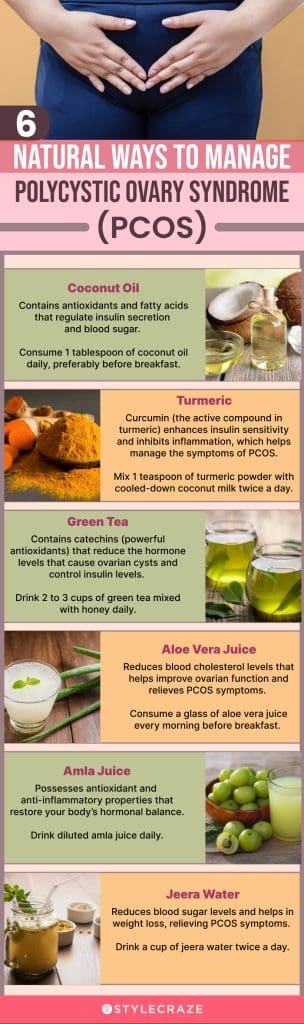
Are you looking for ways to manage Polycystic Ovary Syndrome (PCOS) naturally? If so, this article will provide you with helpful tips and strategies to effectively navigate this condition. From making dietary changes to incorporating regular exercise into your routine, there are various natural approaches that can help you manage PCOS symptoms and improve your overall well-being. Read on to discover how you can take charge of your health and regain control over your life with these natural remedies for PCOS.
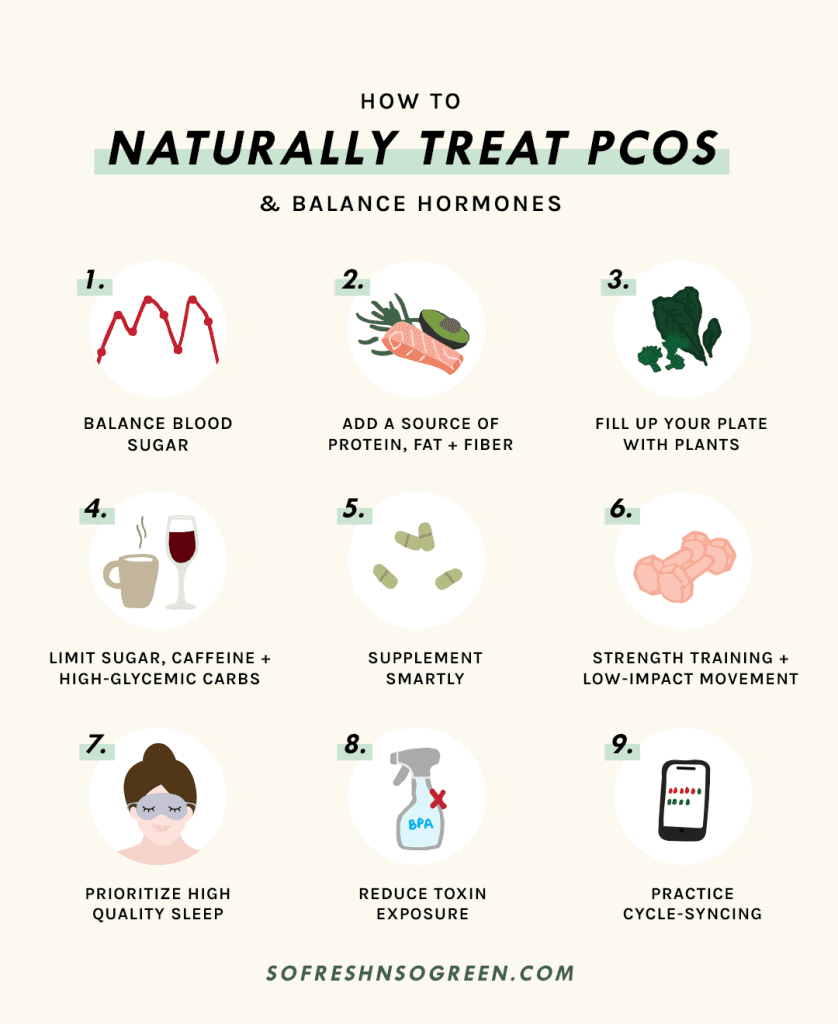
Dietary Choices
Focus on whole foods
When managing Polycystic Ovary Syndrome (PCOS), it is important to focus on consuming whole foods. These are foods that are as close to their natural state as possible, without any added sugars, preservatives, or artificial ingredients. Whole foods are rich in nutrients and fiber, which can help regulate blood sugar levels and support hormonal balance. Some examples of whole foods include fruits, vegetables, whole grains, lean proteins, and healthy fats like avocados and nuts.
Include fiber-rich foods
Including fiber-rich foods in your diet is essential for managing PCOS. Fiber helps slow down the absorption of sugar in the bloodstream, preventing spikes in blood sugar levels. It also promotes healthy digestion and supports weight management. Some excellent sources of fiber include whole grains, legumes, fruits, and vegetables. Aim to include a variety of these foods in your meals and snacks to ensure you are getting an adequate amount of fiber.
Limit refined carbohydrates and sugars
Refined carbohydrates and sugars can contribute to insulin resistance, which is a common issue among women with PCOS. These include foods like white bread, pasta, sugary drinks, pastries, and candies. Consuming too much of these foods can lead to unstable blood sugar levels and worsen PCOS symptoms. It is important to limit your intake of refined carbohydrates and sugars and focus on consuming complex carbohydrates, which are found in whole grains, fruits, and vegetables.
Choose healthy fats
Including healthy fats in your diet can help regulate hormones and support overall health. Good sources of healthy fats include avocados, olive oil, nuts, and fatty fish like salmon. These fats are rich in omega-3 fatty acids, which have anti-inflammatory properties and can help reduce insulin resistance. Be mindful of portion sizes when consuming fats, as they are calorie-dense. Aim for moderate portions and opt for healthier options rather than saturated and trans fats found in processed and fried foods.
Avoid processed and fried foods
Processed and fried foods are high in unhealthy fats, sugars, and salt. They provide little to no nutritional value and can contribute to weight gain, inflammation, and hormonal imbalances. It is best to avoid or minimize your intake of these foods when managing PCOS. Instead, opt for whole, unprocessed foods and use cooking methods like baking, grilling, or steaming to prepare your meals.
Reduce caffeine intake
While caffeine can be enjoyed in moderation, it is important to be mindful of its potential impact on hormonal balance. Excessive caffeine consumption can lead to increased cortisol levels, which can disrupt hormone production and exacerbate PCOS symptoms. Consider limiting your intake of caffeinated beverages like coffee, tea, and energy drinks. Instead, opt for herbal teas or decaffeinated options.
Stay hydrated with water
Proper hydration is crucial for overall health and can also play a role in managing PCOS symptoms. Drinking an adequate amount of water can support digestion, regulate body temperature, and promote healthy skin. Aim to drink at least eight glasses (64 ounces) of water per day, or more if you engage in intense physical activity or live in a hot climate. Carry a water bottle with you to ensure you can easily access water throughout the day.
Regular Exercise
Engage in aerobic exercises
Aerobic exercises, also known as cardio exercises, are beneficial for managing PCOS. These exercises increase heart rate, improve circulation, and help burn calories. Engaging in regular aerobic exercise can support weight management, improve insulin sensitivity, and reduce the risk of developing other health conditions associated with PCOS, such as diabetes and heart disease. Some examples of aerobic exercises include brisk walking, jogging, cycling, swimming, dancing, and aerobic classes.
Incorporate strength training
Strength training exercises are important for building lean muscle mass and maintaining a healthy weight. Muscle is metabolically active, meaning it burns more calories at rest than fat. By incorporating strength training into your exercise routine, you can increase your basal metabolic rate and support weight management. Strength training exercises include lifting weights, using resistance bands, bodyweight exercises, and using weight machines at the gym. It is recommended to work all major muscle groups at least two days a week.
Practice yoga or Pilates
Yoga and Pilates are low-impact exercises that can benefit women with PCOS. These exercises focus on flexibility, strength, and relaxation. Yoga and Pilates can help reduce stress levels, improve mood, and promote better sleep. Certain yoga poses, such as twists and inversions, can also stimulate the reproductive organs and support hormone balance. Consider incorporating yoga or Pilates into your exercise routine, either by attending classes or following online videos.
Maintain a consistent exercise routine
Consistency is key when it comes to exercise. To reap the maximum benefits, it is important to maintain a regular exercise routine. Aim for at least 150 minutes of moderate-intensity aerobic exercise per week, or 75 minutes of vigorous-intensity exercise. Additionally, incorporate strength training exercises at least two days a week. Find a schedule that works for you and make exercise a priority in your daily life. Remember, every little bit counts, so even short bursts of physical activity throughout the day can contribute to your overall health and well-being.
Consider high-intensity interval training (HIIT)
High-intensity interval training (HIIT) involves short bursts of intense exercise followed by periods of rest or low-intensity exercise. HIIT workouts are time-efficient and can provide numerous benefits for women with PCOS. These workouts improve insulin sensitivity, increase cardiovascular fitness, and promote fat burning. They also help break up the monotony of traditional aerobic exercises and can be easily modified to fit various fitness levels. Consult with a fitness professional or do research to find HIIT workouts that are suitable for you.
Find activities you enjoy
Finding enjoyment in your exercise routine is crucial for long-term adherence. Experiment with different types of exercises and activities to find what you truly enjoy. It could be dancing, hiking, playing a sport, swimming, or even taking a group fitness class. When you genuinely enjoy the activity, you are more likely to stick with it and make it a regular part of your lifestyle. Don’t be afraid to try new things and keep an open mind. Remember, the goal is to find joy in movement and make it a sustainable part of your life.
Stress Management
Practice relaxation techniques
Managing stress is essential for overall well-being and hormone balance. Incorporating relaxation techniques into your daily routine can help reduce stress levels and promote relaxation. Some effective relaxation techniques include deep breathing exercises, progressive muscle relaxation, guided imagery, and aromatherapy. Find what works best for you and make time for these practices regularly. Even just a few minutes of relaxation each day can make a big difference in managing stress and improving your overall quality of life.
Meditate or practice mindfulness
Meditation and mindfulness practices can help calm the mind, reduce stress, and promote mental clarity. Regular meditation can improve focus, attention, and emotional well-being. Mindfulness involves being present in the moment and fully engaged in whatever you are doing. This can be achieved through activities like deep breathing exercises, yoga, or simply focusing on your senses. Consider incorporating meditation or mindfulness into your daily routine, starting with just a few minutes a day and gradually increasing the duration as you become more comfortable.
Engage in regular physical activity
Regular physical activity is not only beneficial for physical health but also plays a significant role in managing stress. When you engage in exercise, your body releases endorphins, which are natural mood-lifters. Engaging in regular physical activity can help reduce stress, improve mood, and boost overall well-being. Choose activities that you enjoy and make them a regular part of your routine. Whether it’s going for a walk, practicing yoga, or playing a sport, finding ways to move your body can be an excellent stress management tool.
Get enough sleep and establish a routine
Adequate sleep is vital for hormone regulation and overall health. Poor sleep can disrupt hormone balance, increase stress levels, and contribute to weight gain. Aim for seven to eight hours of quality sleep each night. Establishing a consistent sleep routine can help signal your body when it is time to wind down and promote better sleep. Create a relaxing bedtime routine that includes activities such as reading, taking a warm bath, or practicing relaxation techniques. Avoid screens and stimulating activities close to bedtime, and create a comfortable sleep environment that is conducive to restful sleep.
Prioritize self-care and leisure activities
Taking care of yourself and making time for activities that bring you joy is crucial for managing stress and promoting overall well-being. Self-care activities can vary from person to person but may include things like taking a bath, practicing a hobby, spending time in nature, or simply doing something that you love. Engaging in leisure activities helps you relax, recharge, and reduce stress levels. Make self-care a priority and schedule regular time for activities that bring you happiness and peace.
Consider therapy or counseling
If stress levels and emotional well-being are significantly impacting your life, consider seeking professional help. Therapy or counseling can provide a safe and supportive space to explore and manage stress, emotions, and any underlying issues. A qualified therapist can provide guidance, coping strategies, and tools to help better manage stress and improve overall mental health. Don’t hesitate to reach out for professional help if you feel overwhelmed or need additional support in managing stress and its impact on your life.
Weight Management
Focus on healthy weight loss
Maintaining a healthy weight is important for managing PCOS, as excess weight can worsen symptoms and increase the risk of other health conditions. However, it is crucial to approach weight loss in a healthy and sustainable way. Crash diets and extreme calorie restriction can disrupt hormone balance and have negative effects on overall health. Instead, focus on gradual and sustainable weight loss by combining a balanced diet with regular physical activity. Aim for losing 1-2 pounds per week, which is considered a healthy and achievable goal.
Monitor portion sizes
Monitoring portion sizes is an effective strategy for managing weight and promoting portion control. It is important to be mindful of the amount of food you consume, as overeating can lead to weight gain. Use measuring cups or a food scale to accurately measure your portions until you become familiar with appropriate serving sizes. This practice can help you establish a healthier relationship with food and make informed choices about the amount of food you consume.
Track your food intake
Keeping track of your food intake can help you become more aware of your eating habits and identify areas for improvement. Consider using a food diary or a mobile app to log your meals, snacks, and beverages. This can help you identify any patterns or triggers related to your eating habits, such as emotional eating or mindless snacking. Additionally, food tracking allows you to assess your nutrient intake, ensuring you are consuming a balanced diet that supports overall health and weight management.
Consider meal planning
Meal planning can be a helpful tool for managing weight and promoting healthier eating habits. By planning and preparing your meals in advance, you are less likely to rely on unhealthy or convenience foods when hunger strikes. Take some time each week to plan your meals, create a grocery list, and prepare some of your meals or ingredients in advance. This practice can help you make more mindful choices about your food and ensure you have nutritious options readily available.
Consult a registered dietitian
Navigating the world of nutrition and weight management can be overwhelming. If you need personalized guidance, consider consulting a registered dietitian. A dietitian can assess your individual needs, provide tailored advice, and create a meal plan that supports your health and weight management goals. They can also help you address any specific dietary concerns related to PCOS, such as insulin resistance or hormonal imbalances. A dietitian can be an invaluable resource in helping you make sustainable and positive changes to your diet.
Incorporate regular physical activity
Regular physical activity is crucial for weight management and overall health. Engaging in regular exercise can help burn calories, build lean muscle mass, and increase metabolism. It is recommended to aim for at least 150 minutes of moderate-intensity aerobic exercise per week, along with strength training exercises at least two days a week. Find activities you enjoy and make them a regular part of your routine. Remember, every little bit of movement counts, so even small changes like taking the stairs instead of the elevator or going for a short walk after meals can contribute to weight management.

Herbal Remedies
Spearmint tea for reducing androgen levels
Spearmint tea has been shown to have anti-androgenic properties, which means it can help reduce levels of androgens in the body. Androgens are male hormones that can be elevated in women with PCOS, contributing to symptoms such as acne, facial hair growth, and irregular periods. Drinking one to two cups of spearmint tea per day may help manage these symptoms by reducing androgen levels. However, it is important to note that herbal remedies may not have the same efficacy for everyone, and it is always best to consult with a healthcare professional before starting any new treatment.
Cinnamon for improving insulin sensitivity
Cinnamon has been used for centuries in traditional medicine to help manage blood sugar levels. Studies have shown that cinnamon may improve insulin sensitivity, which is beneficial for women with PCOS who often have insulin resistance. Including cinnamon in your diet, whether by sprinkling it on oatmeal, adding it to smoothies, or using it in cooking, may help improve insulin sensitivity and regulate blood sugar levels. However, it is important to monitor your blood sugar levels closely and consult with a healthcare professional before making any significant changes to your diet or treatment plan.
Saw palmetto for managing excess hair growth
Saw palmetto is an herb that has been traditionally used to manage symptoms of androgen excess, such as excess hair growth (hirsutism). It is believed to work by inhibiting the conversion of testosterone into its more potent form, dihydrotestosterone (DHT). By reducing DHT levels, saw palmetto may help manage symptoms of hirsutism in women with PCOS. However, research on the efficacy of saw palmetto for managing PCOS symptoms is limited, and it is advisable to consult with a healthcare professional before incorporating it into your treatment plan.
Licorice root for hormonal balance
Licorice root has long been used in traditional medicine for its potential hormonal-balancing properties. It contains compounds that can mimic the effects of estrogen in the body. This may be beneficial for women with PCOS who often experience hormonal imbalances. Licorice root has also been shown to have anti-inflammatory and antioxidant properties, which can further support overall health. However, licorice root should be used with caution, as excessive consumption can have negative effects on blood pressure and electrolyte balance. It is best to seek guidance from a healthcare professional before adding licorice root to your regimen.
Chasteberry for regulating menstrual cycles
Chasteberry, also known as Vitex agnus-castus, is an herb that has been traditionally used to regulate menstrual cycles in women with hormonal imbalances. It is believed to work by influencing the production of certain hormones, such as progesterone. Chasteberry may help promote regular ovulation and regulate menstrual cycles in women with PCOS. However, it is important to note that individual responses to herbal remedies can vary, and it is best to consult with a healthcare professional before trying chasteberry or any other herbal remedy.
Consult a healthcare professional before trying herbal remedies
While herbal remedies may offer potential benefits for managing PCOS symptoms, it is crucial to consult with a healthcare professional before incorporating them into your treatment plan. They can assess your individual needs, review your medical history, and provide guidance on the safety and efficacy of herbal remedies. Some herbal remedies may interact with medications or have contraindications for certain medical conditions, so it is important to proceed with caution and follow professional advice to ensure their safe and effective use.
Supplements
Vitamin D for PCOS symptoms
Vitamin D deficiency is common among women with PCOS and may contribute to insulin resistance and hormonal imbalances. Supplementing with vitamin D may help improve insulin sensitivity and support healthy hormone production. Consult with a healthcare professional to determine your vitamin D levels and discuss appropriate supplementation dosages. Regular monitoring and adjustments may be necessary to maintain optimal vitamin D levels.
Inositol for improving insulin sensitivity
Inositol is a naturally occurring sugar alcohol that has shown promise in improving insulin sensitivity, reducing testosterone levels, and promoting ovulation in women with PCOS. It is believed to work by regulating the action of insulin and androgens in the body. Inositol supplements are available in two forms: myo-inositol and d-chiro-inositol. Consult with a healthcare professional to determine the appropriate form and dosage of inositol for your specific needs.
Omega-3 fatty acids for reducing inflammation
Omega-3 fatty acids, found in fatty fish like salmon and mackerel, as well as flaxseeds and walnuts, have anti-inflammatory properties. They may help reduce inflammation in the body, which can be beneficial for managing PCOS symptoms such as insulin resistance and hormonal imbalances. If it is challenging to consume enough omega-3 fatty acids through diet alone, consider incorporating a high-quality fish oil or algae-based omega-3 supplement into your routine. Consult with a healthcare professional to determine the appropriate dosage.
N-acetylcysteine (NAC) for improving ovulation
N-acetylcysteine (NAC) is an antioxidant that has shown promise in improving ovulatory function in women with PCOS. It may work by reducing oxidative stress and promoting the production of the antioxidant glutathione. NAC supplementation has been associated with increased ovulation rates, improved menstrual regularity, and better fertility outcomes in some women with PCOS. Consult with a healthcare professional to discuss the potential benefits and appropriate dosage of NAC for your specific needs.
Zinc for hormonal balance
Zinc is an essential mineral that plays a key role in hormone production and metabolism. It is involved in the synthesis and release of certain hormones, including insulin and sex hormones. Supplementing with zinc may help support hormonal balance and improve symptoms of PCOS. However, it is important not to exceed the recommended daily dosage of zinc, as excessive amounts can have negative effects on health. Consult with a healthcare professional to determine the appropriate dosage of zinc for your specific needs.
Consult a healthcare professional before taking supplements
While supplements may offer potential benefits for managing PCOS symptoms, it is important to consult with a healthcare professional before incorporating them into your treatment plan. They can assess your individual needs, review your medical history, and provide guidance on the safety and efficacy of supplements. Additionally, certain supplements may interact with medications or have contraindications for certain medical conditions. Professional guidance is crucial to ensure the safe and effective use of supplements.

Balancing Hormones
Maintain a healthy weight
Maintaining a healthy weight is important for balancing hormones in women with PCOS. Excess weight can contribute to insulin resistance and increase the production of androgens, leading to hormonal imbalances. By focusing on a balanced diet, regular exercise, and weight management strategies discussed earlier in this article, you can support overall hormone balance and improve PCOS symptoms.
Consider hormonal birth control
Hormonal birth control methods, such as birth control pills, can help regulate menstrual cycles and the production of hormones in women with PCOS. They work by providing a steady dose of hormones, suppressing the natural hormonal fluctuations that contribute to irregular periods and other PCOS symptoms. However, it is important to discuss the pros and cons of hormonal birth control with a healthcare professional and determine the most appropriate method for your specific needs and health goals.
Explore natural hormone-balancing supplements
Certain supplements and herbs, such as those mentioned earlier in this article, may have hormone-balancing properties and can help manage PCOS symptoms. Some examples include chasteberry, licorice root, and saw palmetto. These supplements may work by influencing hormone production or reducing inflammation in the body. Consult with a healthcare professional to determine the potential benefits and appropriate dosage of hormone-balancing supplements for your specific needs.
Avoid exposure to endocrine-disrupting chemicals
Endocrine-disrupting chemicals (EDCs) are substances that can interfere with hormone production and regulation in the body. They can be found in various products, such as plastics, household cleaners, personal care items, and certain food items. Minimizing exposure to EDCs can help support hormone balance in women with PCOS. Consider opting for natural and organic products, choosing glass or stainless steel containers over plastic, and being mindful of the ingredients in products you use.
Manage stress levels
Stress can have a significant impact on hormone balance and overall health. Chronic stress can increase the production of cortisol, a stress hormone that can disrupt the balance of other hormones in the body. Developing healthy stress management strategies, such as practicing relaxation techniques, engaging in regular physical activity, and prioritizing self-care, can help lower stress levels and support hormone balance.
Consult a healthcare professional for personalized hormone-balancing treatments
If you are experiencing significant hormone imbalances or are struggling to manage PCOS symptoms, it is advisable to consult with a healthcare professional. They can assess your individual needs, review your medical history, and recommend personalized hormone-balancing treatments. These may include medications, hormone therapies, or other interventions aimed at restoring hormonal balance and improving PCOS symptoms. Professional guidance is crucial to ensure optimal outcomes and safety.
Managing Insulin Resistance
Follow a low glycemic index (GI) diet
Following a low glycemic index (GI) diet can help manage insulin resistance in women with PCOS. The glycemic index ranks foods based on how quickly they raise blood sugar levels. Foods with a low glycemic index are digested and absorbed more slowly, resulting in a gradual rise in blood sugar levels. This can help regulate insulin production and sensitivity. Focus on consuming whole grains, fruits, vegetables, and lean proteins, while minimizing your intake of refined carbohydrates and sugary foods.
Consume adequate protein
Including an adequate amount of protein in your diet is important for managing insulin resistance and supporting overall health. Protein can help increase satiety, regulate blood sugar levels, and promote the growth and repair of tissues. Sources of lean protein include chicken, fish, beans, lentils, tofu, and Greek yogurt. Aim to divide your protein intake evenly throughout the day to support steady blood sugar levels.
Include foods rich in soluble fiber
Soluble fiber is a type of dietary fiber that forms a gel-like substance when it comes into contact with water. This gel helps slow down digestion and the absorption of carbohydrates, preventing spikes in blood sugar levels. Foods rich in soluble fiber include oats, barley, lentils, beans, chia seeds, and flaxseeds. Including these foods in your diet can help manage insulin resistance and support overall blood sugar control.
Limit processed and sugary foods
Processed and sugary foods are often high in refined carbohydrates and can rapidly raise blood sugar levels. These foods can contribute to insulin resistance and worsen PCOS symptoms. To manage insulin resistance, it is important to limit your intake of processed foods, sugary snacks, desserts, and sugary beverages. Instead, opt for whole, unprocessed foods that provide essential nutrients and promote stable blood sugar levels.
Stay active and engage in regular exercise
Regular physical activity plays a crucial role in managing insulin resistance and supporting overall health in women with PCOS. Engaging in exercise increases insulin sensitivity, allowing your cells to better respond to the insulin produced by your body. Aim for at least 150 minutes of moderate-intensity aerobic exercise per week, along with strength training exercises at least two days a week. Find activities you enjoy and make them a regular part of your routine.
Consider medications to manage insulin resistance
In some cases, lifestyle modifications alone may not be enough to manage insulin resistance. If your insulin resistance persists despite dietary changes and regular exercise, your healthcare professional may consider prescribing medication to help manage this aspect of PCOS. Medications may be prescribed on an individual basis and could include metformin or other insulin-sensitizing medications. It is important to work closely with a healthcare professional to determine the most appropriate treatment plan for your specific needs.
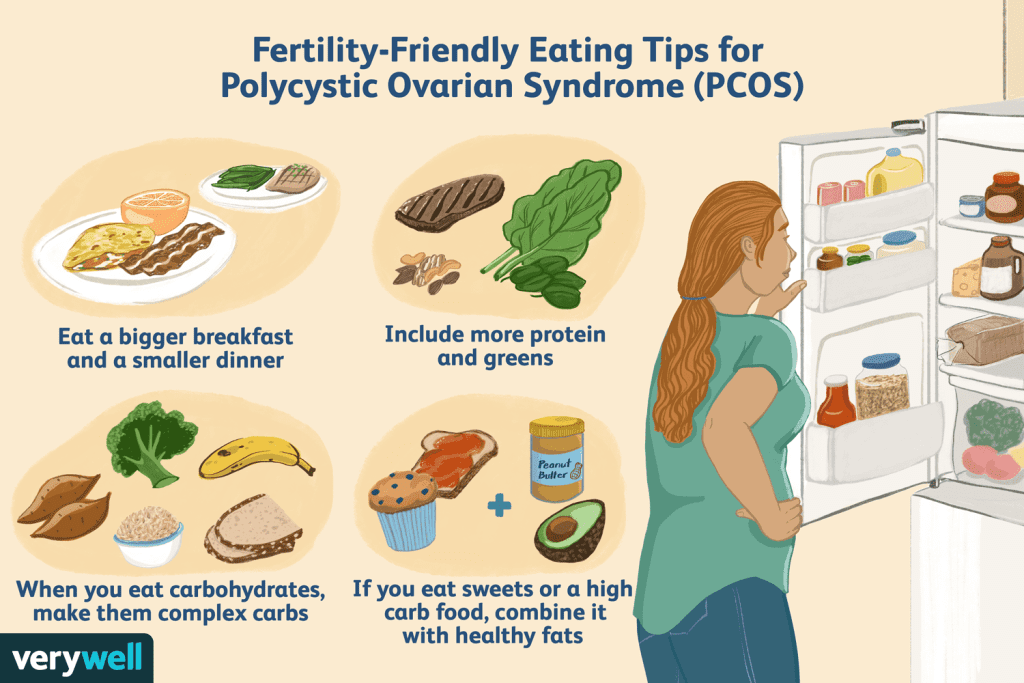
Supporting Fertility
Monitor menstrual cycles
Monitoring your menstrual cycles can help you identify patterns and determine the length and regularity of your cycles. Keeping track of your periods can provide valuable information about ovulation and fertility. There are various methods to track menstrual cycles, including using a calendar, mobile apps, or specialized fertility tracking devices. By understanding your menstrual cycles, you can better understand your fertility and optimize your chances of conception.
Track ovulation
Ovulation is a crucial step in the fertility process. Monitoring your ovulation can help you identify the most fertile days of your cycle and increase the chances of successful conception. Various methods can help track ovulation, including monitoring basal body temperature, tracking changes in cervical mucus, using ovulation predictor kits, or utilizing specialized fertility tracking devices. By understanding and tracking your ovulation, you can better plan timed intercourse and improve your chances of getting pregnant.
Consider fertility-specific diets
Certain diets, such as the Mediterranean diet or the anti-inflammatory diet, have been associated with improved fertility outcomes in women with PCOS. These diets emphasize whole foods, lean proteins, fruits, vegetables, and healthy fats while minimizing processed foods, refined carbohydrates, and saturated fats. Consult with a registered dietitian to discuss fertility-specific diets and determine the most appropriate approach for your specific needs.
Maintain a healthy weight
Maintaining a healthy weight is important for fertility and the reproductive health of women with PCOS. Excess weight can contribute to hormonal imbalances, insulin resistance, and difficulties conceiving. By focusing on weight management strategies discussed earlier in this article, you can support fertility and increase the chances of successful conception. Consult with a healthcare professional to determine a healthy weight range for your specific needs and goals.
Manage stress levels
Stress can have a significant impact on fertility and the ability to conceive. High stress levels can disrupt hormonal balance, interfere with ovulation, and decrease the chances of successful conception. Engaging in stress management techniques, such as practicing relaxation techniques, exercising regularly, and prioritizing self-care, can help lower stress levels and support fertility. When trying to conceive, it is important to create a calm and supportive environment for both the body and mind.
Consult a fertility specialist
If you have been actively trying to conceive for a prolonged period without success, it may be beneficial to consult a fertility specialist. A fertility specialist can assess your individual situation, conduct fertility testing, and provide guidance on potential treatment options. They may recommend fertility medications, assisted reproductive techniques (such as intrauterine insemination or in vitro fertilization), or other interventions to improve your chances of conception. Seeking the expertise of a fertility specialist can provide valuable insights and support throughout your fertility journey.
Regular Health Check-ups
Get routine blood tests
Routine blood tests are essential for monitoring your overall health and assessing any potential imbalances or deficiencies. Blood tests can provide valuable information about hormone levels, blood sugar levels, cholesterol levels, and other important markers of health. Regular blood tests can help identify any deviations from the normal range and guide appropriate interventions or treatments.
Monitor hormone levels
Hormone levels play a crucial role in the management of PCOS. Regular monitoring of hormone levels, such as testosterone, estrogen, progesterone, and insulin, can help assess hormone balance and guide appropriate interventions. Hormone level monitoring can be performed through blood tests or saliva tests, depending on the specific hormones being assessed. Discuss with your healthcare professional how often hormone level monitoring is recommended for your specific needs.
Check insulin sensitivity
Insulin resistance is a common issue in women with PCOS, and regular monitoring of insulin sensitivity can help assess the effectiveness of lifestyle modifications and interventions. There are various methods to assess insulin sensitivity, including fasting insulin levels, glucose tolerance tests, and home-based glucose monitoring. Working closely with a healthcare professional can help determine the most appropriate method and frequency of assessing insulin sensitivity for your specific needs.
Assess lipid profile
Monitoring lipid profile, including cholesterol and triglyceride levels, is important for assessing cardiovascular health in women with PCOS. Women with PCOS have an increased risk of developing cardiovascular conditions, so regular monitoring is crucial to identify any abnormalities or risks. Lipid profile assessment can be performed through blood tests. Discuss with your healthcare professional how often lipid profile monitoring is recommended for your specific needs.
Evaluate ovarian function
Assessing ovarian function is essential for monitoring fertility and managing PCOS symptoms. Regular evaluation of ovarian function can help determine the health and functionality of the ovaries, as well as the presence of any cysts or abnormalities. Methods for evaluating ovarian function include ultrasound imaging, hormonal assessment, and tracking menstrual cycles. Depending on your specific needs, your healthcare professional can determine the most appropriate methods and frequency for evaluating ovarian function.
Discuss any concerns or changes with your healthcare provider
Regular communication with your healthcare provider is important for managing PCOS and staying informed about your overall health. If you have any concerns, changes in symptoms, or questions about your condition, do not hesitate to reach out to your healthcare provider. They can provide guidance, reassurance, and appropriate interventions to support your well-being and ensure you receive the necessary care. Your healthcare provider is your partner in managing PCOS, so maintaining open and honest communication is key.
In conclusion, managing Polycystic Ovary Syndrome (PCOS) naturally requires a holistic approach that focuses on dietary choices, regular exercise, stress management, weight management, herbal remedies, supplements, balancing hormones, supporting fertility, and regular health check-ups. By incorporating these strategies into your lifestyle, you can effectively manage PCOS symptoms, optimize hormonal balance, and improve overall health and well-being. Remember, it is important to work closely with a healthcare professional who can provide personalized guidance and support throughout your PCOS journey.