
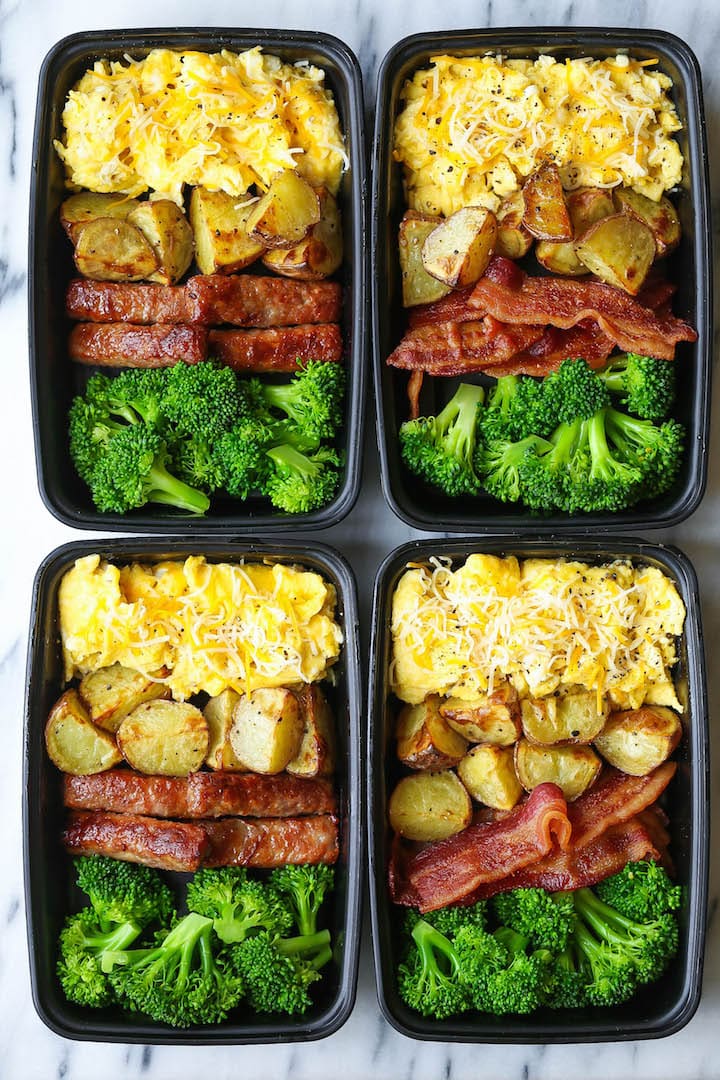
Welcome to the ultimate guide on how to meal prep for a week of healthy eating! By taking the time to plan and prepare your meals ahead of time, you can save time, money, and ensure that you are nourishing your body with nutritious and delicious food throughout the week. With a little bit of organization and some helpful tips and tricks, you’ll be well on your way to enjoying a week of stress-free, healthy eating. Let’s get started! Have you ever found yourself overwhelmed with trying to juggle work, school, family, or various other commitments while also trying to stay healthy? Meal prepping might just be the solution you’ve been looking for. By setting aside some time each week to prepare your meals in advance, you can save time, money, and ensure you stay on track with your health goals. In this article, we’ll walk you through how to meal prep for a week of healthy eating so you can set yourself up for success.
Why Should You Meal Prep?
Meal prepping has numerous benefits, including saving time, reducing stress, and helping you make healthier choices throughout the week. When you have meals prepped and ready to go, you’re less likely to opt for unhealthy fast food or snacks when you’re in a time crunch. Additionally, meal prepping can help you save money by preventing you from making impulse purchases at restaurants or the grocery store.
Time-saving
Meal prepping allows you to cook in bulk, meaning you’ll have ready-to-eat meals on hand throughout the week. Instead of spending time cooking every night after a long day, you can simply heat up your prepped meal and enjoy a nutritious dinner in minutes.
Stress reduction
Knowing that your meals are already prepared can alleviate the stress of trying to figure out what to eat each day. Meal prepping can also help you avoid those last-minute trips to the grocery store or drive-thru, saving you time and reducing anxiety about meal decisions.
Healthier choices
When you have healthy meals ready to go, you’re more likely to make nutritious choices throughout the week. By meal prepping, you can control portion sizes, choose wholesome ingredients, and ensure that you’re consuming a balanced diet.
How to Get Started
Now that you understand the benefits of meal prepping, let’s dive into how you can get started with this time-saving practice. Follow these steps to set yourself up for a week of healthy eating.
Plan Your Meals
The first step in successful meal prepping is to plan out your meals for the week ahead. Take some time to think about what you’d like to eat for breakfast, lunch, dinner, and snacks. Consider incorporating a variety of proteins, vegetables, whole grains, and healthy fats to ensure you’re getting a balanced diet.
For example, you could plan to have grilled chicken with roasted vegetables and quinoa for dinner, overnight oats with fruit for breakfast, and a turkey and avocado wrap for lunch. Making a meal plan will help you create a grocery list and ensure you have all the ingredients you need on hand.
Make a Grocery List
Once you’ve determined what meals you’ll be preparing for the week, it’s time to make a grocery list. Check your pantry and refrigerator to see what ingredients you already have and make a list of what you need to buy. Organize your list by category (produce, protein, grains, etc.) to make your shopping trip more efficient.
Prep Your Ingredients
After you’ve done your grocery shopping, set aside some time to prep your ingredients. Wash, chop, and portion out your vegetables, cook your grains, marinate your proteins, and prepare any sauces or dressings you’ll be using. Having your ingredients prepped and ready to go will make assembling your meals throughout the week much easier and quicker.
Invest in Quality Storage Containers
Investing in high-quality storage containers is essential for successful meal prepping. Look for containers that are durable, leak-proof, microwave-safe, and freezer-safe. Having a variety of sizes on hand will allow you to portion out your meals and snacks accordingly.
Cook Your Meals
Once you have all your ingredients prepped and your containers ready to go, it’s time to start cooking your meals. Choose a time that works best for you, whether it’s on a Sunday afternoon or spread out over a couple of evenings during the week. Roast your vegetables, grill your proteins, cook your grains, and assemble your meals in the containers.
Meal Prep Ideas
Need some inspiration for your weekly meal prep? Here are a few meal prep ideas to get you started.
Buddha Bowls
Buddha bowls are a simple and nutritious meal prep option that can be customized to suit your tastes. Start with a base of quinoa or brown rice, then add a variety of vegetables (roasted sweet potatoes, steamed broccoli, sautéed kale), a protein source (grilled chicken, baked tofu, chickpeas), and a flavorful dressing or sauce. Buddha bowls are a great way to get a balanced meal in one convenient bowl.
Mason Jar Salads
Mason jar salads are a popular meal prep option for those who enjoy salads but want to ensure they stay fresh throughout the week. Start by layering your dressing at the bottom of the jar, followed by hearty vegetables (like tomatoes or cucumbers), grains (quinoa or farro), proteins (chicken or chickpeas), and leafy greens. When you’re ready to eat, simply shake up the jar to distribute the dressing and enjoy a crisp and delicious salad.
Egg Muffins
Egg muffins are a perfect grab-and-go breakfast option that can be customized to suit your preferences. Beat together eggs, vegetables (spinach, tomatoes, bell peppers), cheese, and any additional seasonings you like. Pour the egg mixture into muffin tins and bake until set. Egg muffins are easy to make in bulk and can be stored in the refrigerator for a quick and protein-packed breakfast option.
Tips for Successful Meal Prepping
To make the most of your meal prep efforts, keep these tips in mind:
Mix and Match Ingredients
To prevent meal monotony, try mixing and matching different ingredients throughout the week. For example, you could use the same protein (like grilled chicken) in different dishes (salads, wraps, stir-fries) to keep things interesting.
Use Freezer-Friendly Recipes
If you’re short on time during the week, consider preparing freezer-friendly meals in advance. Soups, casseroles, and stews are great options that can be made in bulk and frozen for later use. Simply thaw and reheat when you’re ready to eat.
Label Your Containers
To avoid confusion and ensure you’re eating your meals in a timely manner, be sure to label your containers with the date and contents. This will help you keep track of how long each meal has been stored and prevent any food waste.
Don’t Forget Snacks
In addition to preparing your main meals, don’t forget to plan and prep your snacks for the week ahead. Having healthy snacks on hand will prevent you from reaching for less nutritious options when hunger strikes.
Stay Flexible
While having a meal plan and prepped meals can be a great way to stay on track, it’s important to stay flexible and willing to adapt as needed. If you find that you have extra ingredients leftover or your plans change, don’t be afraid to adjust your meal prep accordingly.
Final Thoughts
Meal prepping is a valuable tool that can help you save time, reduce stress, and stay on track with your health goals. By setting aside some time each week to plan, shop, prep, and cook your meals in advance, you can set yourself up for a successful week of healthy eating. Whether you’re new to meal prepping or looking to improve your current routine, use the tips and ideas in this article to make the most of your meal prep efforts. Here’s to a week of delicious and nutritious meals!