
Welcome to an insightful article on understanding the concept of self-care and its importance for mental health. Taking care of yourself is more than just bubble baths and Sunday brunches. It involves setting boundaries, practicing self-compassion, and prioritizing your well-being in order to maintain a healthy mindset. By implementing self-care practices into your daily routine, you can effectively manage stress, improve your emotional well-being, and boost your overall mental health. Let’s explore how self-care can make a positive impact on your well-being and help you lead a happier, more balanced life. Have you ever wondered what self-care really means and why it is crucial for your mental well-being? Let’s dive into understanding the concept of self-care and its importance for mental health.

What is Self-care?
Self-care is the practice of taking actions to preserve or improve one’s own health. It involves activities that promote overall well-being and help manage stress. Self-care is not just about pampering yourself but also includes activities that nourish your mind, body, and soul.
Self-care is more than just bubble baths and skincare routines. It’s about taking intentional steps to prioritize your well-being and mental health.
The Importance of Self-care for Mental Health
Self-care plays a crucial role in maintaining good mental health. It helps reduce stress, improve emotional well-being, increase self-esteem, and prevent burnout. Neglecting self-care can lead to exhaustion, anxiety, depression, and other mental health issues.
By practicing self-care regularly, you can improve your overall mental health and well-being.
Types of Self-care
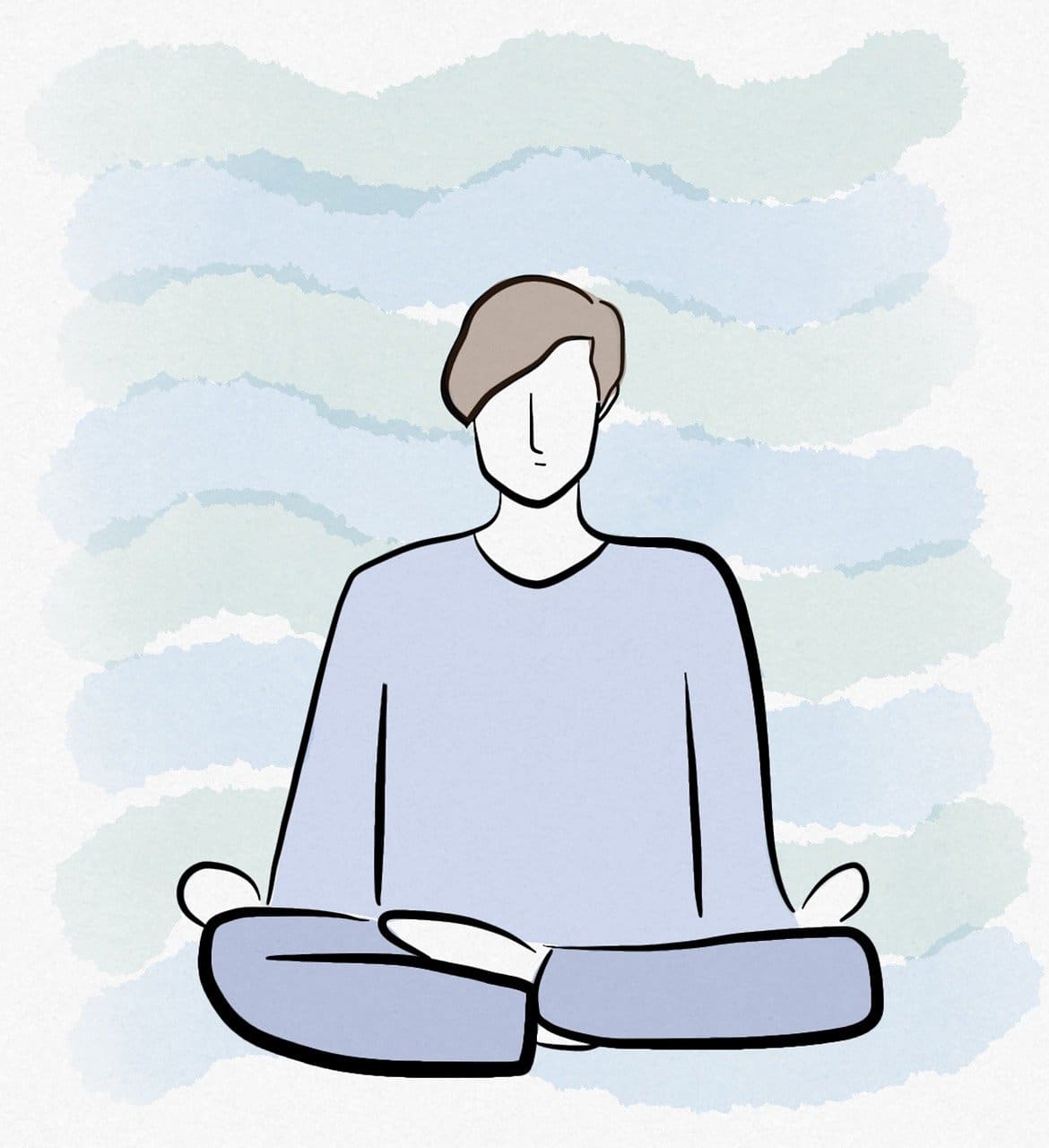
There are different types of self-care that you can incorporate into your daily routine to promote mental health. These include physical, emotional, social, spiritual, and professional self-care.
It’s essential to have a variety of self-care practices to address different aspects of your well-being.
Physical Self-care
Physical self-care involves taking care of your body to maintain good physical health. It includes activities such as exercising, eating nourishing foods, getting enough sleep, and staying hydrated.
Engaging in physical self-care can boost your mood, increase energy levels, and reduce the risk of developing mental health issues.
Emotional Self-care
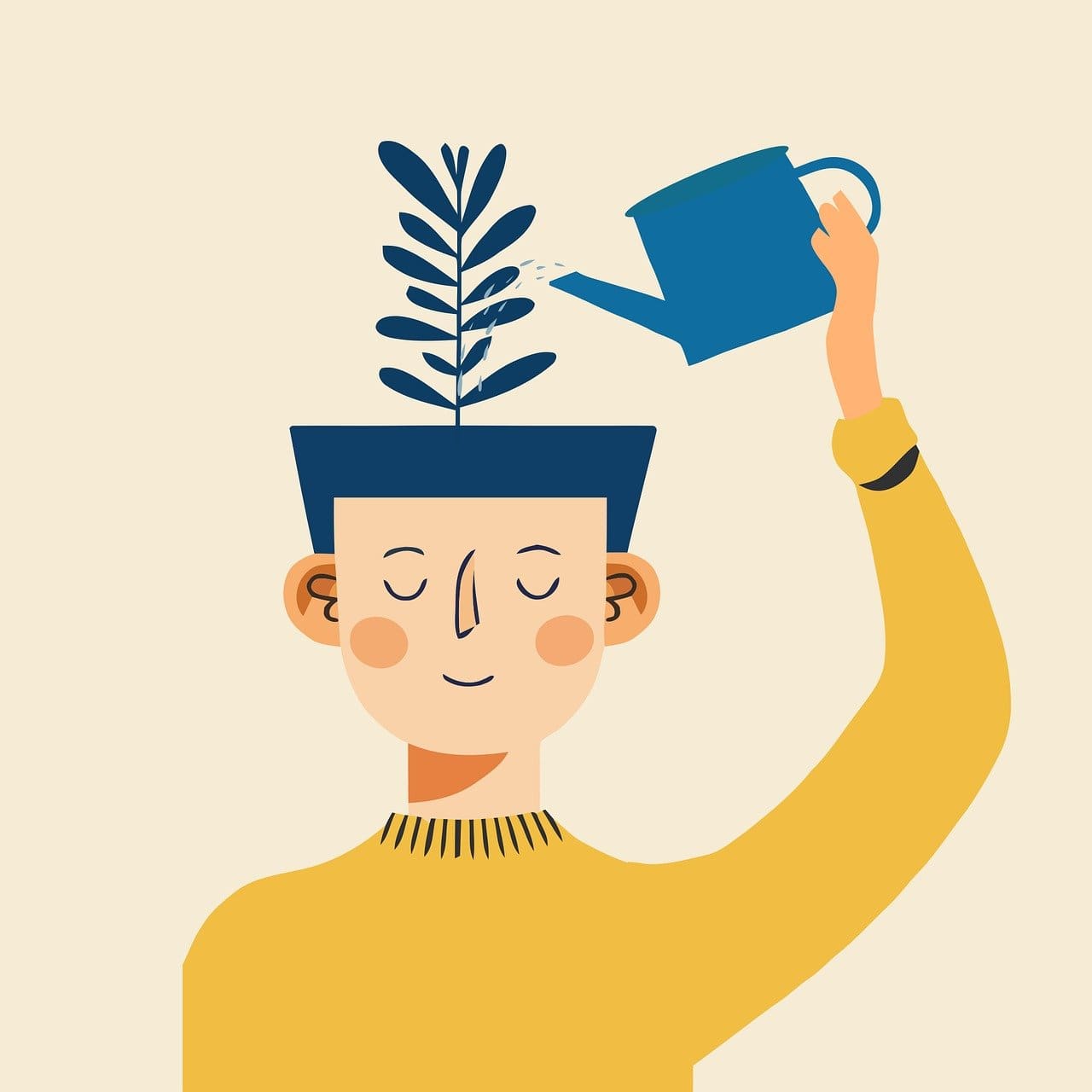
Emotional self-care focuses on understanding and managing your emotions effectively. It involves activities such as journaling, therapy, meditation, mindfulness, and spending time with loved ones.
By practicing emotional self-care, you can improve your emotional well-being, increase resilience, and enhance self-awareness.
Social Self-care
Social self-care involves nurturing healthy relationships and setting boundaries to protect your mental health. It includes spending time with supportive friends and family, joining groups or clubs, and seeking social support when needed.
Building a strong social support system is essential for maintaining good mental health and well-being.
Spiritual Self-care
Spiritual self-care revolves around connecting with your inner self and living a meaningful life. It involves activities such as meditation, prayer, mindfulness, and engaging in spiritual practices that align with your beliefs.
Engaging in spiritual self-care can provide a sense of purpose, peace, and inner strength during challenging times.
Professional Self-care
Professional self-care focuses on maintaining a healthy work-life balance and setting boundaries in the workplace. It includes taking breaks, setting realistic goals, seeking help when needed, and practicing time management.
Prioritizing professional self-care can prevent burnout, reduce stress, and promote a healthy work environment.
Creating a Self-care Plan
To make self-care a priority in your life, it’s crucial to create a personalized self-care plan that incorporates different types of self-care practices. Here’s how you can create a self-care plan:
-
Identify Your Needs: Think about what areas of your life need more attention, whether physical, emotional, social, spiritual, or professional.
-
Set Realistic Goals: Establish achievable goals for incorporating self-care activities into your daily routine.
-
Schedule Self-care Time: Make time in your schedule for self-care activities, just like you would for any other important task.
-
Experiment and Adjust: Try out different self-care practices and see what works best for you. Don’t be afraid to adjust your self-care plan as needed.
By creating a personalized self-care plan, you can prioritize your well-being and mental health in a sustainable way.
Overcoming Common Barriers to Self-care
Despite the importance of self-care, many people struggle to prioritize it in their lives due to various barriers. Here are some common barriers to self-care and how you can overcome them:
Lack of Time
Finding time for self-care can be challenging, especially when you have a busy schedule. However, it’s essential to make self-care a priority by setting aside dedicated time for yourself each day, even if it’s just a few minutes.
Guilt
Some people feel guilty for taking time for themselves, especially when they have competing priorities. Remember that self-care is not selfish but necessary for maintaining good mental health and well-being.
Lack of Resources
You don’t need fancy equipment or a lot of money to practice self-care. There are plenty of free or low-cost self-care activities you can engage in, such as taking a walk, listening to music, or practicing deep breathing exercises.
Lack of Motivation
It’s normal to feel unmotivated or lazy at times, but it’s crucial to push through those feelings and prioritize self-care. Start with small, achievable goals and gradually build up your self-care routine.
Fear of Judgment
Some people worry about what others will think if they engage in self-care activities. Remember that your mental health is more important than others’ opinions, and it’s okay to prioritize yourself.
Overcoming these barriers can help you make self-care a consistent part of your routine and reap the benefits of improved mental health and well-being.
Self-care Tips for Better Mental Health
Incorporating self-care practices into your daily routine can significantly benefit your mental health. Here are some self-care tips to help you maintain good mental health:
-
Practice Mindfulness: Take time to be present in the moment and practice mindfulness through meditation, deep breathing, or gentle yoga.
-
Get Moving: Engage in physical activities that you enjoy, such as walking, dancing, or yoga, to boost your mood and reduce stress.
-
Nourish Your Body: Eat a balanced diet rich in fruits, vegetables, whole grains, and lean protein to fuel your body and mind.
-
Stay Hydrated: Drink plenty of water throughout the day to stay hydrated and support your overall health.
-
Get Enough Sleep: Aim for 7-9 hours of quality sleep each night to rejuvenate your mind and body.
-
Set Boundaries: Learn to say no to things that drain your energy and set boundaries to protect your time and well-being.
-
Connect with Others: Spend time with supportive friends and family members to nurture your relationships and feel connected.
-
Engage in Hobbies: Make time for activities that bring you joy and fulfillment, whether it’s painting, gardening, or reading.
-
Practice Gratitude: Take time to reflect on the things you’re grateful for each day to cultivate a positive mindset.
-
Seek Professional Help: If you’re struggling with your mental health, don’t hesitate to reach out to a therapist or counselor for support.
By incorporating these self-care tips into your daily routine, you can prioritize your mental health and well-being.
The Bottom Line
Self-care is not a luxury but a necessity for maintaining good mental health. By understanding the concept of self-care and its importance, you can take proactive steps to prioritize your well-being and promote mental health. Remember to create a personalized self-care plan, overcome common barriers, and incorporate self-care tips into your daily routine to reap the benefits of improved mental health and overall well-being. Your mental health matters, so make self-care a priority in your life.