
Welcome to an article that will provide you with practical and easy-to-implement strategies to manage stress in your daily life. Whether it’s work, relationships, or just the hustle and bustle of day-to-day responsibilities, stress can quickly pile up and impact your overall well-being. By incorporating techniques such as mindfulness, exercise, and time management, you can learn how to effectively navigate stressful situations and cultivate a sense of calm and balance in your life. Let’s explore these strategies together and discover the peace of mind that comes with managing stress effectively. Hey there! Do you often find yourself feeling overwhelmed with stress in your daily life? It’s important to prioritize your mental health and well-being. In this article, we will explore some effective ways to handle stress and improve your overall quality of life. Let’s dive in!
Understanding Stress
Before we delve into effective ways to manage stress, it’s crucial to understand what stress actually is. Stress is your body’s natural response to any demand or threat. It can manifest in various ways, including physical, emotional, and behavioral symptoms. By recognizing the signs of stress, you can better manage your reactions and find healthy coping mechanisms.
What Causes Stress?
Stress can be triggered by a wide range of factors, both external and internal. Common sources of stress include work pressures, financial problems, relationship issues, health concerns, and major life changes. Additionally, certain personality traits and coping strategies can impact how you respond to stress. By identifying the root causes of your stress, you can take proactive steps to address them effectively.
Healthy Lifestyle Habits
Maintaining a healthy lifestyle is key to reducing stress levels and improving your overall well-being. Simple lifestyle changes can have a significant impact on your stress levels and mental health. Let’s explore some healthy habits that can help you manage stress effectively.
Regular Exercise
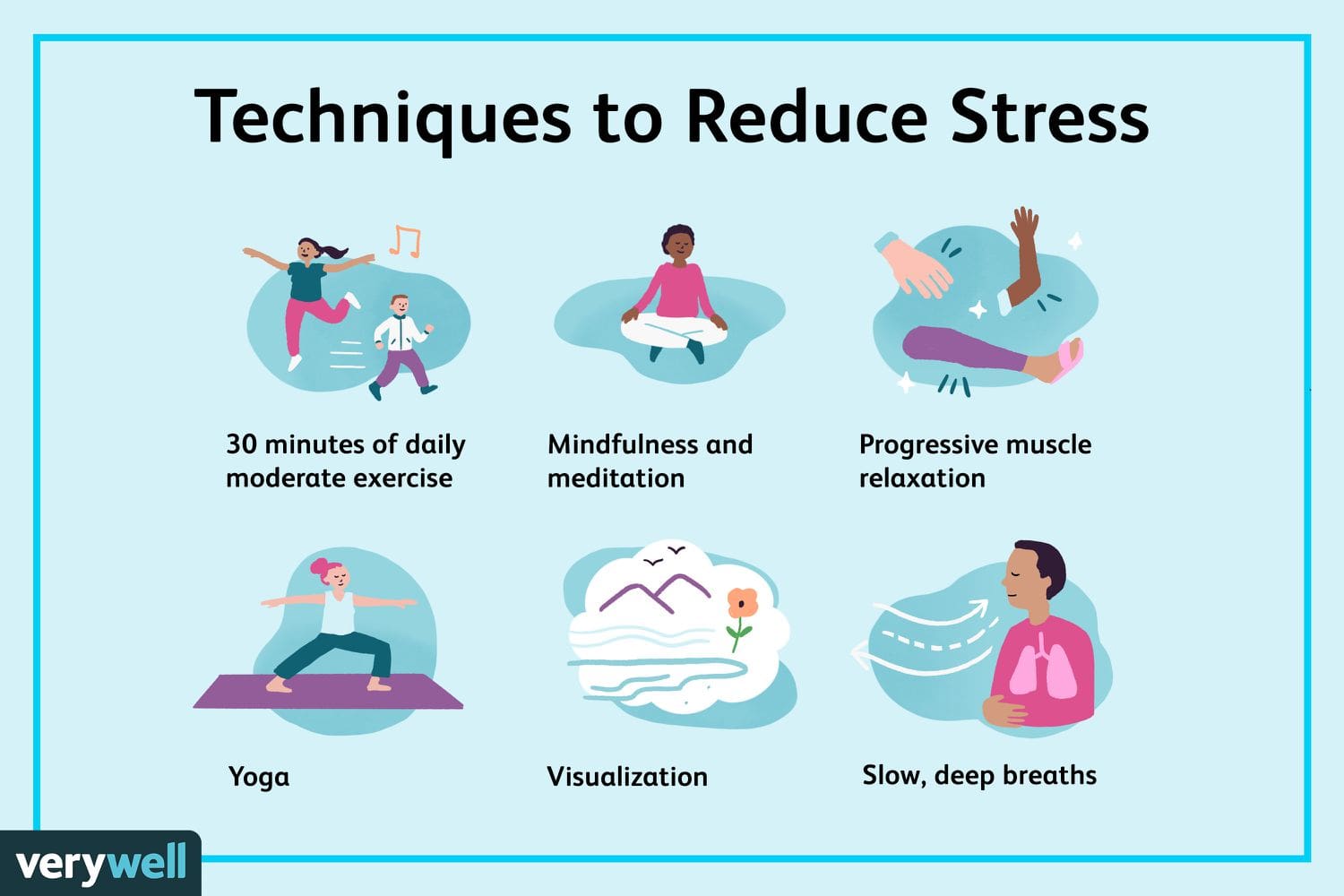
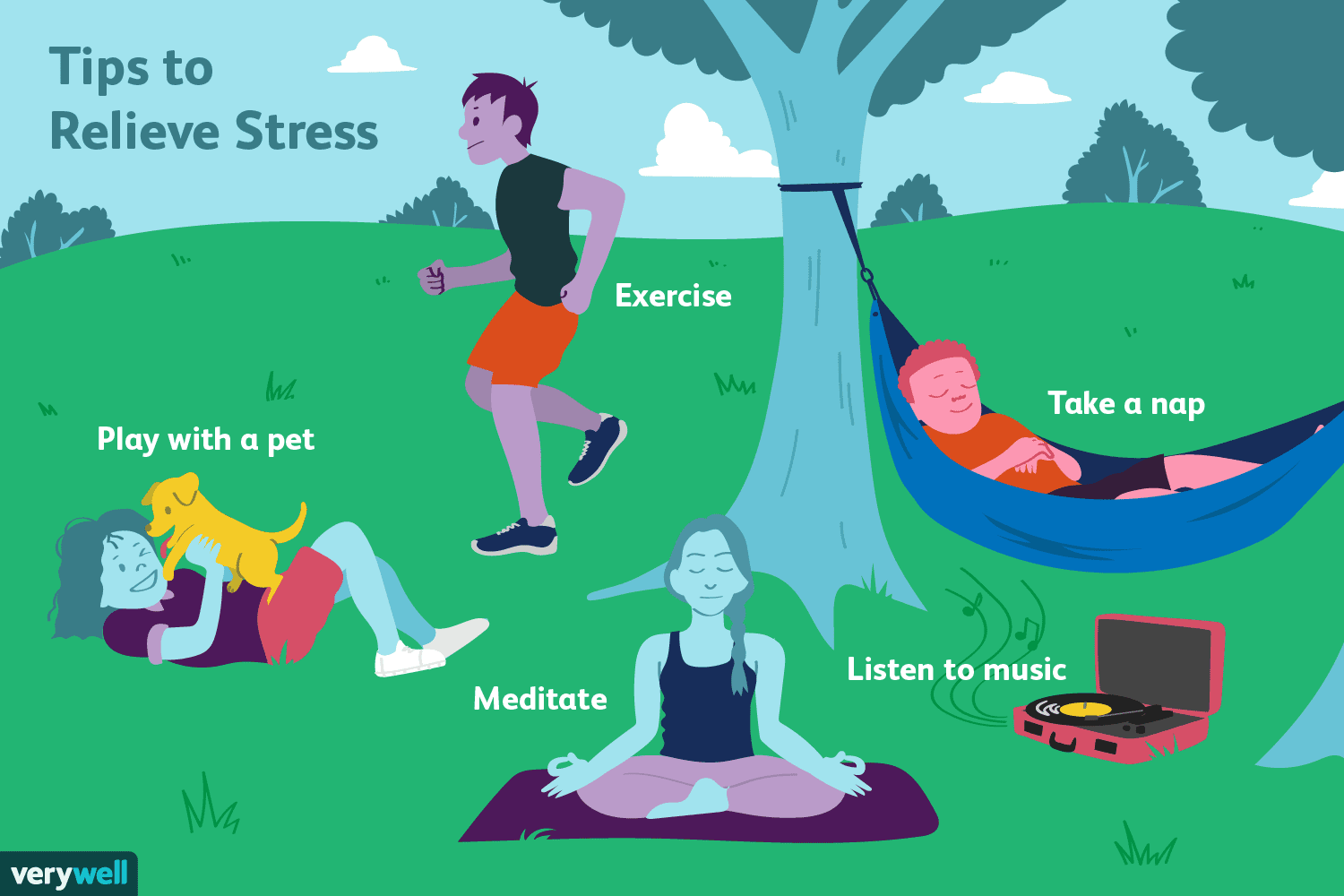
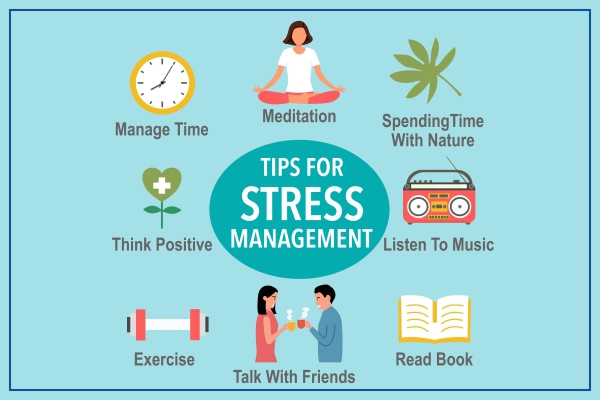
Exercise is not only beneficial for your physical health but also plays a crucial role in reducing stress and anxiety. Physical activity releases endorphins, which are known as “feel-good” hormones that boost your mood and energy levels. Aim for at least 30 minutes of moderate exercise daily, such as walking, running, cycling, or yoga, to keep stress at bay.
Healthy Diet
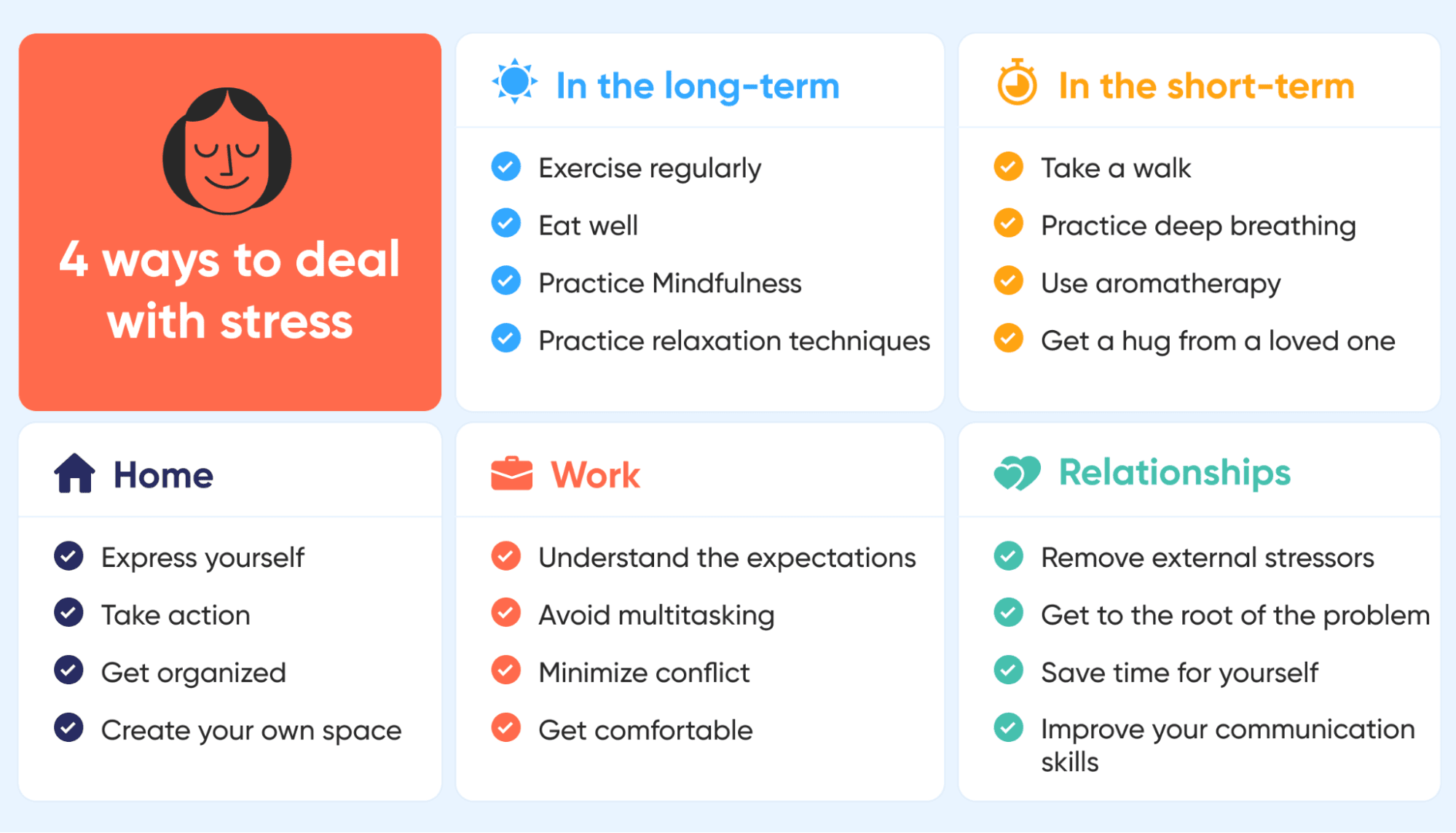
Eating a well-balanced diet rich in fruits, vegetables, whole grains, lean proteins, and healthy fats can support your mental health and reduce stress. Certain nutrients, such as omega-3 fatty acids, magnesium, and vitamin B complex, have been linked to stress reduction and improved mood. Avoid excessive consumption of caffeine, sugar, and processed foods, as they can exacerbate stress levels.
Sufficient Sleep
Quality sleep is essential for your physical, mental, and emotional well-being. Lack of sleep can contribute to increased stress, irritability, and difficulty coping with daily challenges. Aim for 7-9 hours of uninterrupted sleep each night to recharge your body and mind. Create a relaxing bedtime routine, such as reading a book, taking a warm bath, or practicing mindfulness, to improve your sleep quality.
Stress-Relieving Activities
Engaging in activities that help you relax and unwind can significantly reduce stress levels. Find hobbies or practices that bring you joy and peace, such as meditation, deep breathing exercises, journaling, listening to music, spending time in nature, or practicing mindfulness. Taking breaks and dedicating time for self-care can recharge your batteries and alleviate stress.
Effective Stress Management Techniques
In addition to adopting healthy lifestyle habits, incorporating stress management techniques into your daily routine can further enhance your ability to cope with stress. These techniques focus on calming your mind, soothing your body, and building resilience in the face of stressors. Let’s explore some effective stress management strategies.
Mindfulness and Meditation
Mindfulness and meditation practices are powerful tools for managing stress and cultivating mental clarity. Mindfulness involves focusing on the present moment without judgment, while meditation involves quieting the mind and promoting relaxation. Regular practice of mindfulness and meditation can help you become more aware of your thoughts and emotions, reduce anxiety, and enhance your overall well-being.
Deep Breathing Exercises
Deep breathing exercises are simple yet effective techniques for calming your nervous system and reducing stress levels. Practice deep breathing by inhaling deeply through your nose, holding your breath for a few seconds, and exhaling slowly through your mouth. This can help lower your heart rate, reduce tension in your body, and promote a sense of calmness and relaxation.
Progressive Muscle Relaxation
Progressive muscle relaxation is a technique that involves tensing and relaxing different muscle groups in your body to release physical tension and stress. Start by tensing your muscles for a few seconds and then slowly releasing the tension while focusing on the sensation of relaxation. Repeat this process with each muscle group, from head to toe, to induce a state of deep relaxation.
Time Management and Prioritization
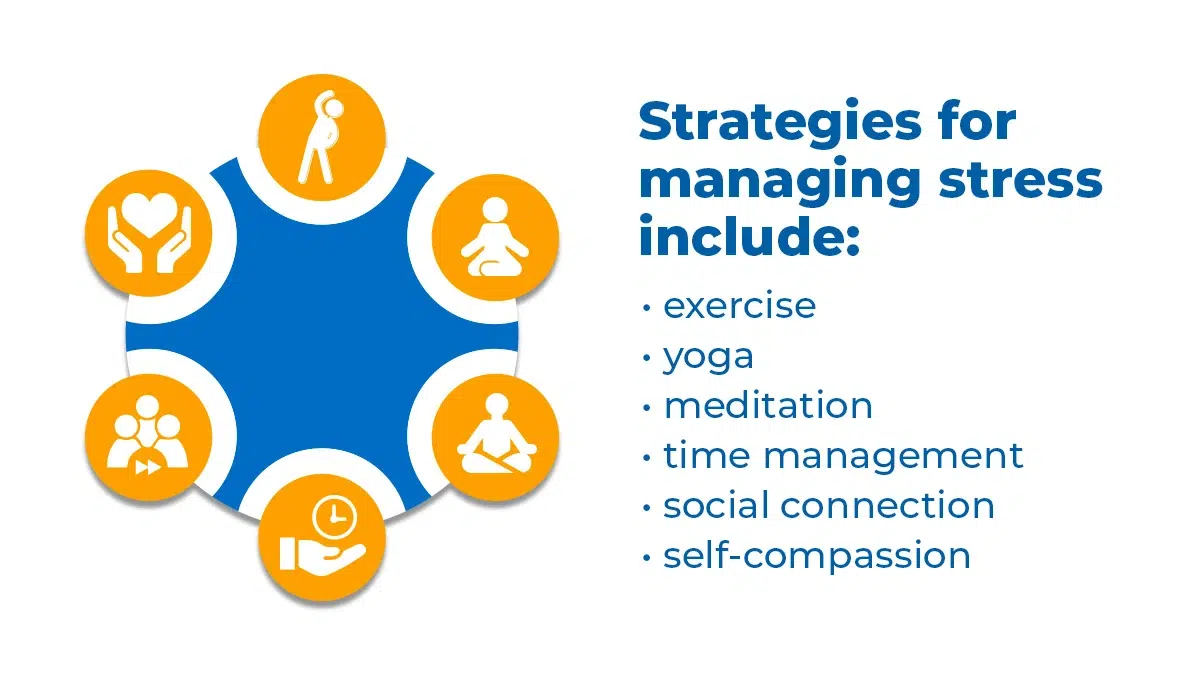
Effective time management and prioritization skills are essential for reducing stress and increasing productivity. Organize your daily tasks, create to-do lists, set realistic goals, and allocate time for important activities. Prioritize your tasks based on urgency and importance, and break them down into smaller, manageable steps. By managing your time effectively, you can prevent overwhelm and maintain a sense of control over your responsibilities.
Social Support and Connection
Maintaining strong social connections and seeking support from friends, family, or mental health professionals can help you navigate through stressful situations. Sharing your feelings, concerns, and experiences with others can provide emotional validation, perspective, and practical advice. Surround yourself with positive, supportive individuals who care about your well-being and can offer a listening ear when you need it.
Positive Self-Talk and Affirmations
Your internal dialogue and self-perception play a significant role in how you handle stress and adversity. Practice positive self-talk by challenging negative thoughts, reframing your beliefs, and replacing self-criticism with self-compassion. Use affirmations to reinforce positive beliefs about yourself, your abilities, and your resilience. Cultivating a positive mindset can empower you to face challenges with confidence and optimism.
Seeking Professional Help
If you find that stress is significantly impacting your daily life, mental health, and relationships, it’s important to seek professional help and support. A mental health professional, such as a therapist, counselor, or psychiatrist, can provide you with guidance, tools, and strategies to manage stress effectively. Therapy can help you explore underlying issues, develop coping skills, and build resilience in the face of stressors.
Additionally, medication or other treatment options may be recommended for individuals with severe anxiety, depression, or chronic stress. It’s important to consult with a healthcare provider to discuss your symptoms, concerns, and treatment preferences. Remember that seeking help is a sign of strength, courage, and self-care, and it can lead to significant improvements in your mental health and overall well-being.
Conclusion
In conclusion, managing stress effectively is essential for maintaining your mental health, well-being, and quality of life. By adopting healthy lifestyle habits, incorporating stress management techniques, and seeking support when needed, you can navigate through challenging situations with resilience and grace. Remember to prioritize self-care, set boundaries, practice mindfulness, and cultivate positive relationships to create a balanced and stress-free life. You have the power to overcome stress, build emotional resilience, and lead a fulfilling and purposeful life. Stay positive, stay resilient, and stay empowered!
Thank you for reading this article on effective ways to handle stress in daily life. Remember that you are not alone in your journey, and there are resources and support systems available to help you through difficult times. Take care of yourself, prioritize your mental health, and embrace a life filled with peace, joy, and well-being. You deserve it!