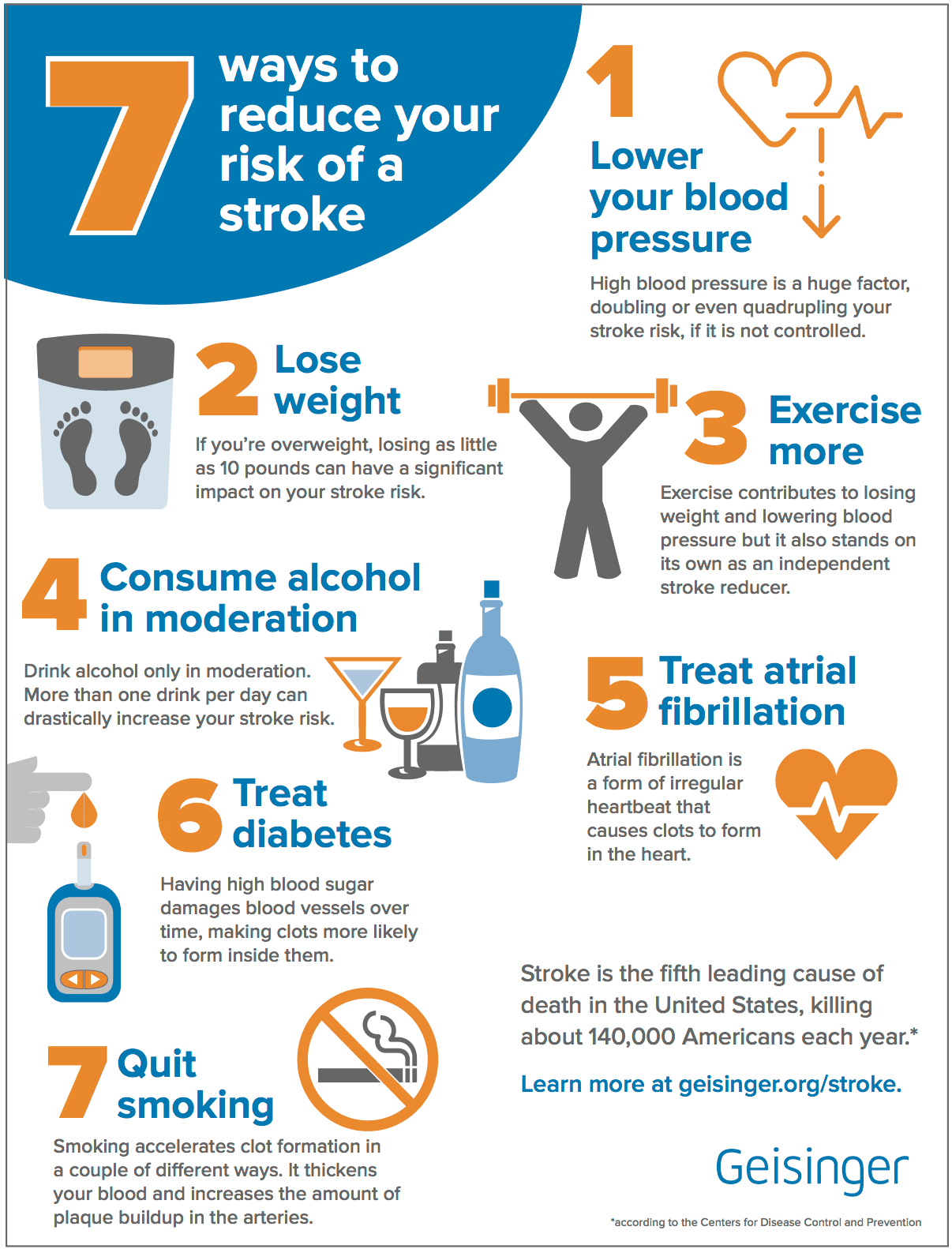
Welcome to an article that will provide you with valuable information on how to reduce the risk of stroke. With simple lifestyle changes and proactive health measures, you can significantly lower your chances of experiencing this life-threatening condition. By making smart choices and staying aware of your health, you can take control of your well-being and reduce the risk of stroke. Let’s dive in and discover the important steps you can take to protect yourself. Have you ever wondered how to reduce your risk of experiencing a stroke? It’s essential to take steps to protect your health and well-being. By implementing simple lifestyle changes, you can significantly decrease the likelihood of having a stroke. In this article, we will explore various strategies and habits that you can incorporate into your daily routine to minimize the risk of this serious medical condition. Let’s dive in!
Understanding Stroke Risk Factors
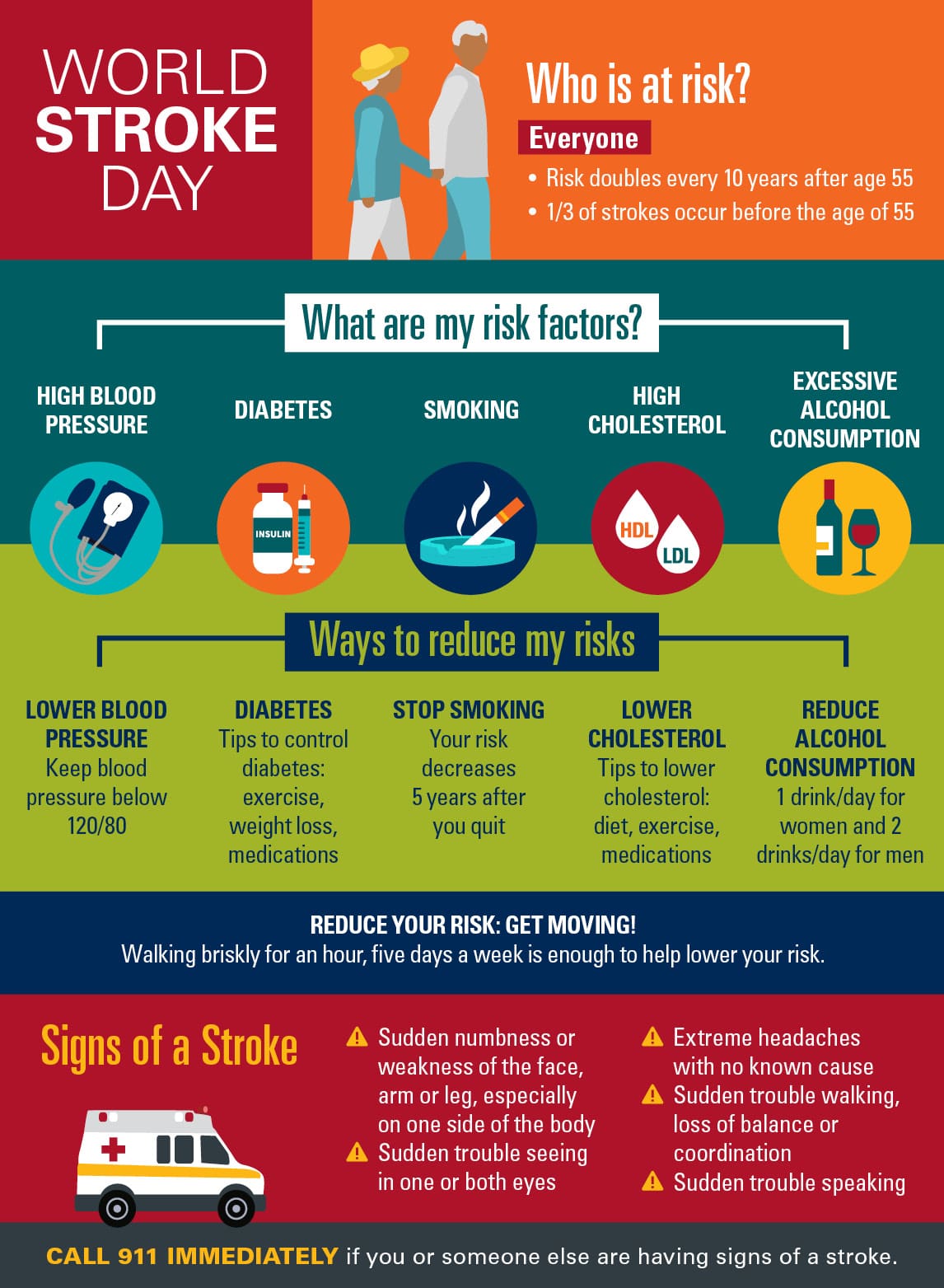
When it comes to reducing the risk of stroke, knowledge is power. Understanding the factors that can contribute to a stroke can help you make informed decisions about your lifestyle and health. Several common risk factors increase the likelihood of experiencing a stroke, including high blood pressure, smoking, diabetes, obesity, and physical inactivity. By addressing these risk factors, you can significantly decrease your chances of having a stroke.
High Blood Pressure
High blood pressure, also known as hypertension, is a leading risk factor for stroke. When your blood pressure is consistently elevated, it puts strain on your blood vessels, increasing the likelihood of a blockage or rupture that can lead to a stroke. Monitoring your blood pressure regularly and working with your healthcare provider to keep it within a healthy range is essential for reducing your risk of stroke.
Smoking
Smoking not only damages your lungs but also significantly increases your risk of stroke. The chemicals in tobacco smoke can damage your blood vessels, making them more prone to blockages and narrowing. By quitting smoking, you can reduce your risk of stroke and improve your overall health. If you need support to quit smoking, consider reaching out to a healthcare provider or joining a smoking cessation program.
Diabetes
People with diabetes are at a higher risk of stroke due to the impact of high blood sugar levels on the blood vessels. Managing your diabetes through proper diet, exercise, and medication is crucial for reducing your risk of stroke. Regular monitoring of your blood sugar levels and working closely with your healthcare team can help you maintain optimal control of your diabetes and protect against stroke.
Obesity
Obesity is a significant risk factor for stroke, as excess body weight can strain your heart and blood vessels. By adopting a healthy diet and incorporating regular exercise into your routine, you can achieve and maintain a healthy weight, reducing your risk of stroke. Consult with a healthcare provider or a registered dietitian to develop a personalized nutrition and exercise plan that will support your weight loss goals and improve your overall health.
Physical Inactivity
Leading a sedentary lifestyle can increase your risk of stroke by contributing to obesity, high blood pressure, and other risk factors. Engaging in regular physical activity can help strengthen your heart, improve circulation, and reduce your risk of stroke. Aim for at least 150 minutes of moderate-intensity aerobic exercise or 75 minutes of vigorous-intensity exercise each week, combined with strength training exercises to enhance your overall fitness level and protect against stroke.
Implementing Healthy Lifestyle Changes
Reducing your risk of stroke involves making positive changes to your lifestyle that promote overall health and well-being. By adopting healthy habits, you can not only lower your risk of stroke but also improve your quality of life. Let’s explore some key lifestyle changes that can help you reduce your risk of stroke.
Healthy Diet
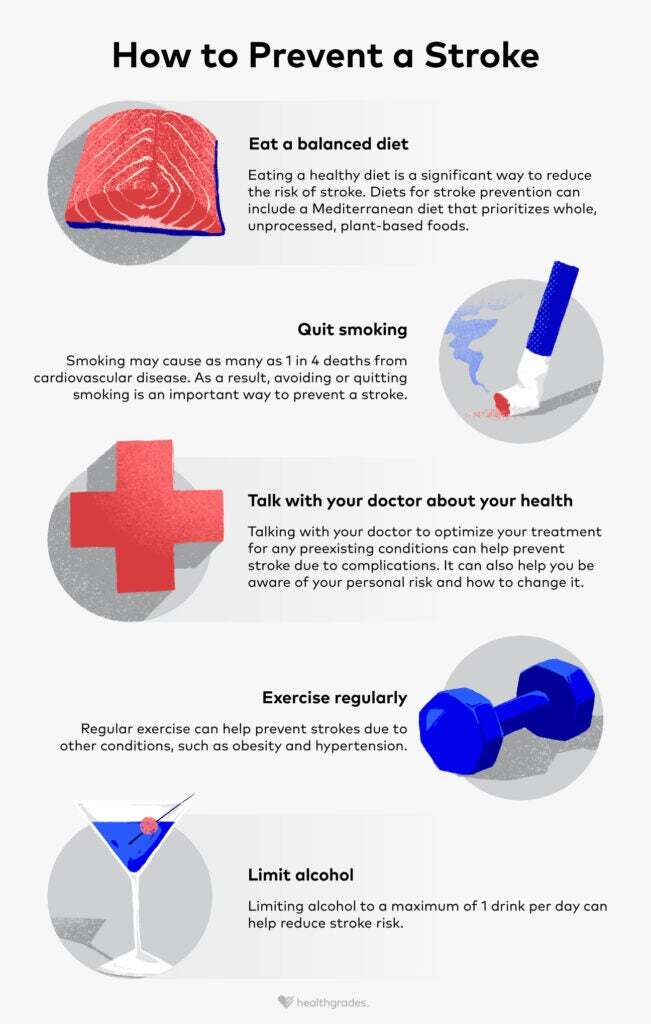
A healthy diet is essential for maintaining optimal health and reducing your risk of stroke. Focus on consuming a variety of fruits, vegetables, whole grains, lean proteins, and healthy fats to provide your body with essential nutrients and support overall well-being. Limit your intake of processed foods, sugary beverages, and high-sodium snacks that can contribute to obesity, high blood pressure, and other risk factors for stroke. Consider working with a registered dietitian to develop a balanced meal plan that meets your nutritional needs and supports your health goals.
Regular Exercise
Physical activity is a key component of stroke prevention and overall health. Incorporating regular exercise into your routine can improve cardiovascular health, strengthen your muscles, and help you maintain a healthy weight. Aim for a combination of aerobic exercises, such as walking, jogging, or cycling, and strength training exercises, such as weightlifting or bodyweight exercises, to support your physical fitness and reduce your risk of stroke. Remember to consult with a healthcare provider before starting a new exercise program, especially if you have any underlying health conditions.
Stress Management
Chronic stress can have a negative impact on your health and increase your risk of stroke. Finding healthy ways to manage stress, such as practicing mindfulness, meditation, yoga, or deep breathing exercises, can help you cope with stress and reduce its effects on your body. Consider incorporating stress-reducing activities into your daily routine to promote relaxation, improve your mental well-being, and lower your risk of stroke.
Adequate Sleep
Getting an adequate amount of quality sleep is essential for overall health and well-being. Poor sleep quality and insufficient sleep duration have been linked to an increased risk of stroke and other health conditions. Aim for 7-9 hours of restful sleep each night to support your body’s recovery and repair processes, reduce inflammation, and optimize your overall health. If you struggle with sleep issues, consider practicing good sleep hygiene habits, such as maintaining a consistent sleep schedule, creating a relaxing bedtime routine, and optimizing your sleep environment.
Medical Interventions for Stroke Prevention
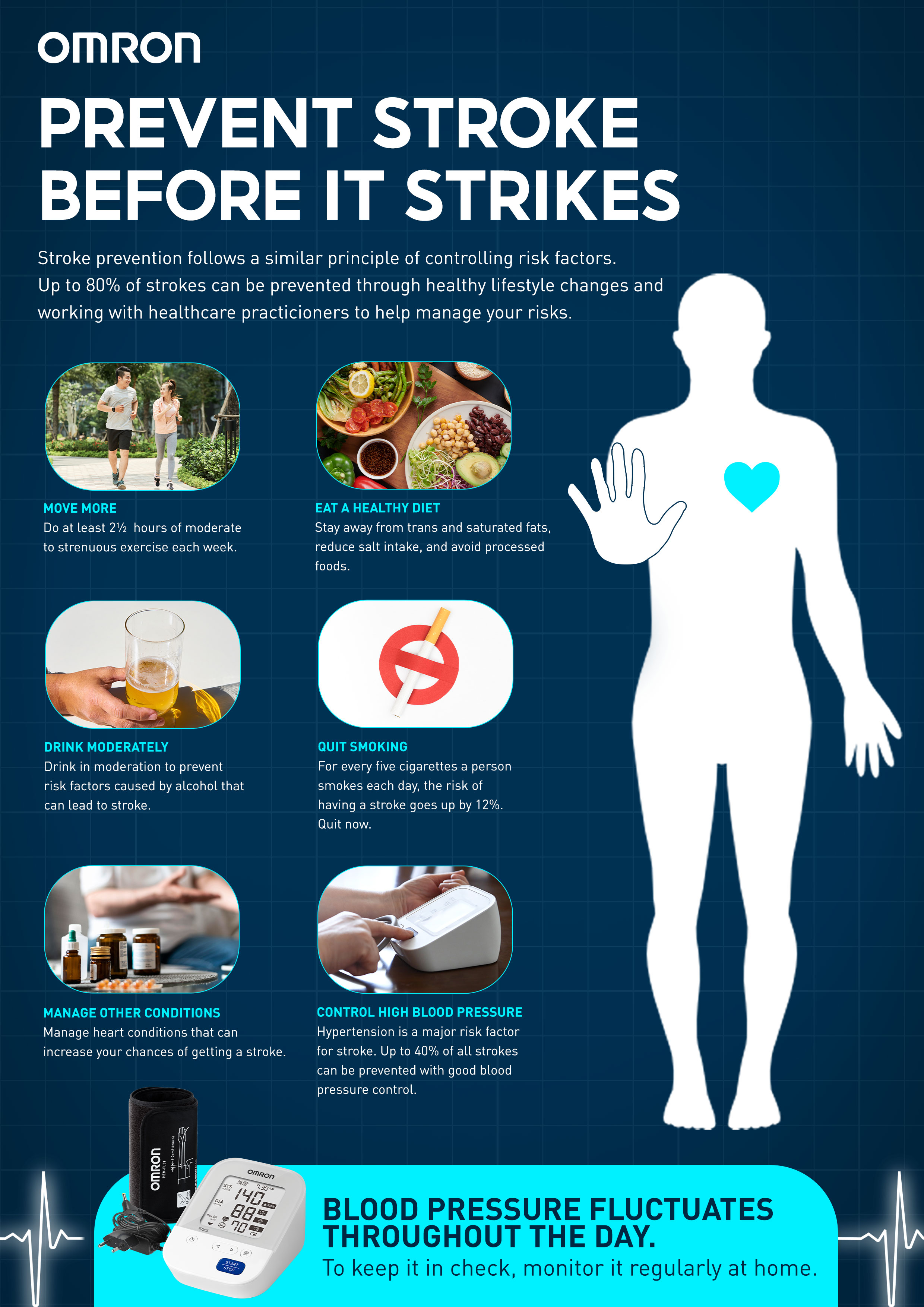
In addition to making lifestyle changes, certain medical interventions can help reduce your risk of stroke and protect your health. Consult with your healthcare provider to discuss these options and determine the best approach for your individual needs.
Medications
Certain medications can help lower your risk of stroke by addressing underlying health conditions, such as high blood pressure, high cholesterol, or blood clotting disorders. Your healthcare provider may recommend medications, such as antihypertensive drugs, statins, or anticoagulants, to manage your risk factors and protect against stroke. It’s essential to take these medications as prescribed and attend regular follow-up appointments to monitor their effectiveness and adjust your treatment plan as needed.
Surgical Procedures
In some cases, surgical procedures may be necessary to reduce your risk of stroke or treat underlying conditions that increase your risk. Procedures, such as carotid endarterectomy or angioplasty with stenting, can help improve blood flow and reduce the risk of blockages that can lead to a stroke. Your healthcare provider can evaluate your individual situation and recommend the most appropriate treatment options to protect your health and prevent stroke.
Lifestyle Modifications
In addition to medications and surgical procedures, lifestyle modifications play a crucial role in stroke prevention. Your healthcare provider may recommend specific changes to your diet, exercise routine, stress management practices, or sleep habits to reduce your risk of stroke and improve your overall health. By following these recommendations and working closely with your healthcare team, you can take proactive steps to protect against stroke and enjoy a healthier, more fulfilling life.
Monitoring Your Health and Risk Factors
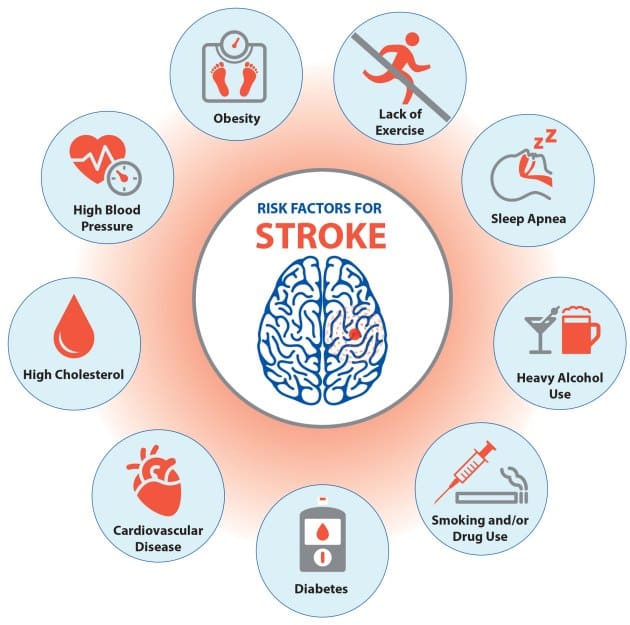
Regular monitoring of your health and risk factors is essential for preventing stroke and maintaining optimal well-being. By staying informed about your health status and tracking key indicators, such as blood pressure, blood sugar levels, cholesterol levels, and body weight, you can identify potential issues early and take proactive measures to address them. Consult with your healthcare provider to schedule regular check-ups, screenings, and tests to monitor your health and reduce your risk of stroke.
Blood Pressure Monitoring
Regular monitoring of your blood pressure is crucial for reducing your risk of stroke. Hypertension is a leading risk factor for stroke, and keeping your blood pressure within a healthy range is essential for protecting your health. Consider investing in a home blood pressure monitor to track your blood pressure levels regularly and share the results with your healthcare provider. By monitoring your blood pressure consistently and following your provider’s recommendations, you can lower your risk of stroke and maintain optimal cardiovascular health.
Blood Sugar Monitoring
If you have diabetes or are at risk of developing diabetes, monitoring your blood sugar levels is vital for reducing your risk of stroke. High blood sugar levels can damage your blood vessels and increase the likelihood of a stroke. Work with your healthcare provider to establish a monitoring schedule and track your blood sugar levels regularly. By keeping your blood sugar levels under control through lifestyle changes, medication, and other interventions, you can protect against stroke and improve your overall health.
Cholesterol Monitoring
Monitoring your cholesterol levels is essential for reducing your risk of stroke and cardiovascular disease. High cholesterol levels can lead to the buildup of plaque in your arteries, increasing the risk of blockages that can cause a stroke. Schedule regular cholesterol screenings with your healthcare provider to track your cholesterol levels and assess your cardiovascular risk. Based on your results, your provider can recommend lifestyle changes, medications, or other interventions to help you maintain healthy cholesterol levels and protect against stroke.
Weight Monitoring
Maintaining a healthy weight is crucial for reducing your risk of stroke and other health conditions. Regularly monitoring your weight and body mass index (BMI) can help you track your progress, set realistic goals, and make informed decisions about your lifestyle and health. Consider using a scale, measuring tape, or body composition analyzer to monitor your weight and body composition regularly. By maintaining a healthy weight through diet, exercise, and other lifestyle changes, you can lower your risk of stroke and improve your overall well-being.
Conclusion
Reducing your risk of stroke involves a combination of healthy lifestyle habits, medical interventions, and proactive monitoring of your health and risk factors. By making informed choices about your diet, exercise routine, stress management practices, sleep habits, and medical care, you can protect yourself against stroke and enjoy a healthier, more fulfilling life. Remember to consult with your healthcare provider regularly, follow their recommendations, and take proactive steps to reduce your risk of stroke and other health conditions. By prioritizing your health and well-being, you can take control of your future and reduce the likelihood of experiencing a stroke.