Embarking on a diet can sometimes feel like charting treacherous waters, with social pressure and judgment lurking at every turn. It’s no secret that when you make changes to your eating habits, it can create discomfort in social situations. Whether it’s the bewildered looks from friends when you skip dessert or the unsolicited comments from acquaintances questioning your choices, navigating these challenges with grace and confidence can be a daunting task. In this article, we’ll explore effective strategies to help you navigate social pressure and judgment while staying true to your diet goals.
Understand your motivation
Recognize your reasons for dieting
Before embarking on a diet, it’s crucial to understand why you want to make this change. Take a moment to reflect on your motivations. Is it to improve your overall health, increase your energy levels, or achieve a certain weight goal? Understanding these deep-rooted reasons will provide you with the necessary determination to stay committed to your dieting journey.
Set realistic goals for yourself
While it’s great to have ambitious aspirations, it’s essential to set realistic goals for yourself when it comes to dieting. Unrealistic expectations can lead to frustration and disappointment, hindering your progress. Start by setting small, achievable milestones that you can celebrate along the way. As you reach each goal, it will provide you with a sense of accomplishment and keep you motivated to continue making healthy choices.
Educate yourself on nutrition
Research different types of diets
With numerous diet trends and fads out there, it’s essential to educate yourself on the various types of diets before making a decision. Research different approaches, such as the Mediterranean diet, veganism, or low-carb options, to find one that aligns with your personal preferences and health goals. Understanding the science behind each diet can help you make an informed decision and set realistic expectations for yourself.
Learn about portion control and balanced meals
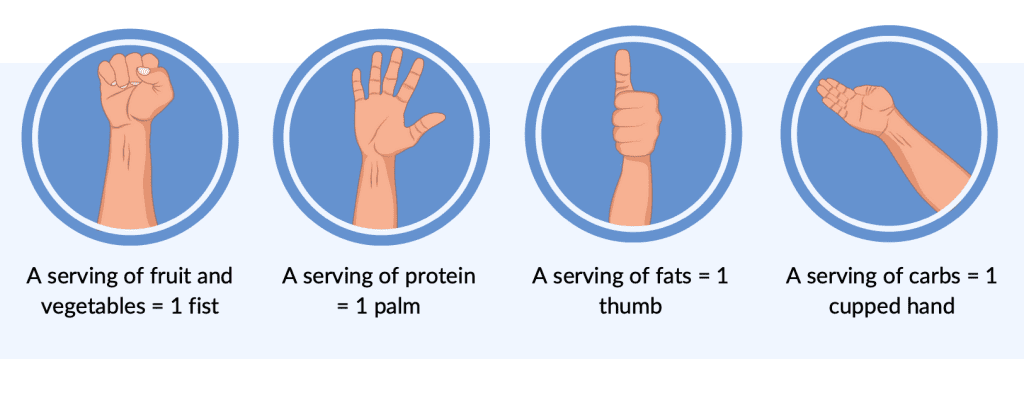
While adhering to a specific diet may be your primary focus, it’s equally important to understand the basics of nutrition. Educate yourself on portion control to avoid unnecessary overeating. Additionally, learn about balanced meals, which include a combination of macronutrients (carbohydrates, proteins, and fats) and micronutrients (vitamins and minerals) to ensure your body receives the necessary nutrients for optimal health.

Develop a strong mindset
Believe in the importance of your health
To navigate social pressure and judgment while on a diet, it’s crucial to develop a strong mindset centered around the importance of your health. Remember that making dietary changes is not just a short-term solution but a long-term investment in your well-being. Remind yourself daily of the positive impact your healthier choices have on your overall health and future.
Recognize that everyone’s body is different
In a society obsessed with body image, it’s vital to remember that each person’s body is unique. Avoid comparing yourself to others and their progress. Everyone reacts differently to various diets, and what works for someone else may not work for you. Recognize and respect your body’s individual needs and focus on your personal journey to success.
Establish a support network
Share your goals with friends and family
Having a strong support system can significantly impact your ability to navigate social pressure and judgment while on a diet. Share your goals, aspirations, and challenges with your friends and family. Their understanding and encouragement can serve as a source of motivation and help you stay focused on your dietary goals, even during challenging times.
Find an accountability partner
Consider finding an accountability partner who shares your goals or is willing to support you on your journey. This could be a friend, family member, or even an online community. Having someone who understands your struggles, listens to your concerns, and celebrates your victories can provide the necessary encouragement and accountability to stick to your dieting plans.
Practice assertiveness
Learn how to say ‘no’ politely
Navigating social situations while on a diet often involves encounters with tempting foods or pressure to indulge. Learning how to politely say ‘no’ can help you maintain control over your choices. Practice assertiveness by confidently declining offers of unhealthy foods without feeling guilty. Explaining your dietary goals politely can help others understand and respect your decision.
Communicate your needs to others
Open communication is crucial in managing social pressure while on a diet. Let your friends and family know about your dietary restrictions or preferences ahead of gatherings or meals together. Share your needs and ask for their support in honoring your choices. Effective communication ensures that you can stick to your diet without feeling left out or judged.
Plan ahead for social situations
Bring your own healthy snacks to gatherings
When attending social events where unhealthy food options might be prevalent, come prepared by bringing your own healthy snacks. This way, you can enjoy the gathering while still making choices that align with your diet. Whether it’s a small bag of mixed nuts or sliced veggies with a nutritious dip, having a go-to snack can prevent you from giving in to temptation.
Research restaurant menus in advance
Eating out can be challenging when on a diet, but it doesn’t have to be impossible. Prior to dining at a restaurant, take the time to research their menu options. Look for healthier alternatives or dishes that can be modified to fit your dietary needs. By planning ahead, you can make informed choices that support your goals while still enjoying a meal in a social setting.

Respond to criticism constructively
Listen to the other person’s perspective
While on a diet, it’s inevitable that you may face criticism or judgment from others who do not understand or support your choices. Instead of becoming defensive, try to listen to the other person’s perspective. They may have concerns about the sustainability or nutritional adequacy of your diet. Understanding their point of view allows you to respond constructively and provide them with information to address their concerns.
Stay true to your own convictions
While it’s important to listen to others’ opinions, ultimately, it’s essential to stay true to your own convictions. Remember why you started your dieting journey and the benefits it brings to your health and well-being. Trust in the choices you have made and the progress you have achieved. Stand firm in your beliefs and politely assert that your dieting decisions are based on personal research and professional advice.
Focus on non-food activities
Engage in hobbies and interests
Dieting doesn’t mean restricting yourself solely to food-related activities. Channel your energy and focus into engaging in hobbies and interests that bring you joy. Whether it’s painting, gardening, or playing a sport, these non-food activities provide a sense of fulfillment and happiness, acting as a healthy distraction from food-centric social situations.
Spend time with supportive friends
Surround yourself with supportive friends who understand and respect your dietary choices. Engage in social activities that don’t revolve around food, such as going for a hike, attending a fitness class together, or simply enjoying each other’s company. Spending time with like-minded individuals who prioritize their health will allow you to feel supported and motivated on your own dieting journey.

Celebrate your progress
Reward yourself for reaching milestones
As you progress on your dieting journey, it’s important to acknowledge and celebrate your achievements. Set milestones along the way and reward yourself when you reach them. These rewards shouldn’t involve indulging in unhealthy foods but rather something that aligns with your overall health goals, such as treating yourself to a spa day, buying a new workout outfit, or taking a weekend getaway.
Acknowledge your hard work and dedication
Recognize the hard work and dedication you put into sticking to your diet. Celebrate the moments when you resist temptation, make healthy choices, and overcome obstacles. Acknowledging your commitment to your health and well-being reinforces positive behaviors and helps you stay motivated in the face of social pressure and judgment.
Seek professional guidance
Consult a registered dietitian
When navigating a diet, seeking the guidance of a registered dietitian can be immensely beneficial. They can provide personalized advice tailored to your individual needs, help you understand nutrition labels, and assist in creating a sustainable meal plan. A registered dietitian can also address any concerns or questions you may have, giving you the confidence and knowledge necessary to navigate social pressure while on a diet.
Consider therapy or counseling for emotional support
Embarking on a diet can lead to emotional challenges, and seeking professional support is essential. Consider therapy or counseling to address any emotional issues or triggers related to food, body image, or self-esteem. A trained therapist can equip you with coping strategies and provide emotional support, helping you navigate the social pressure and judgment that often accompanies a dieting journey.
By understanding your motivation, educating yourself on nutrition, developing a strong mindset, establishing a support network, practicing assertiveness, planning ahead for social situations, responding to criticism constructively, focusing on non-food activities, celebrating your progress, and seeking professional guidance, you can navigate social pressure and judgment while on a diet with confidence and success. Remember, your health and well-being are worth prioritizing, and staying committed to your dietary goals will lead to a happier, healthier you.