In this article, you will discover helpful tips and strategies on how to prevent and manage various health conditions that specifically affect women. From reproductive health concerns to hormonal imbalances, we will explore practical ways that you can take control of your health and well-being. Whether you are looking for preventative measures or seeking guidance on managing existing conditions, this article aims to provide you with the information and support you need to prioritize your overall wellness.
Regular Check-ups and Screenings
Importance of regular check-ups
Regular check-ups are a crucial part of maintaining your overall health and well-being as a woman. These routine visits to your healthcare provider help to detect any potential health issues early on, allowing for timely intervention and treatment. By scheduling regular check-ups, you can stay on top of your health and prevent the development of serious conditions.
Recommended screenings for women
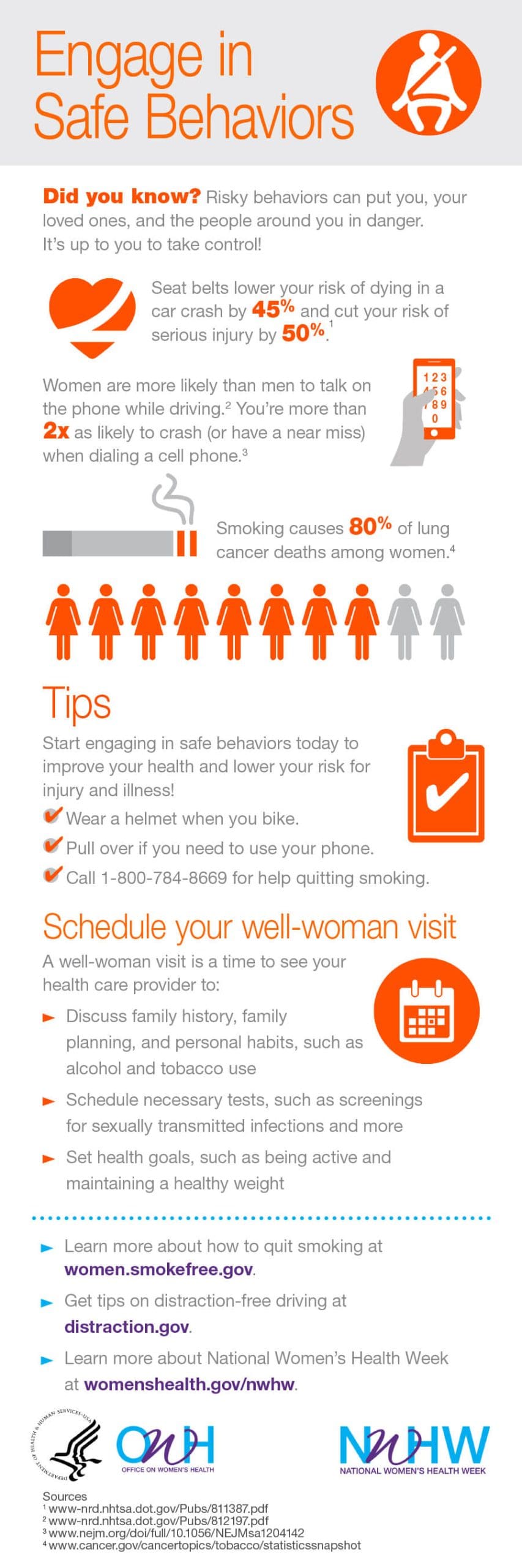
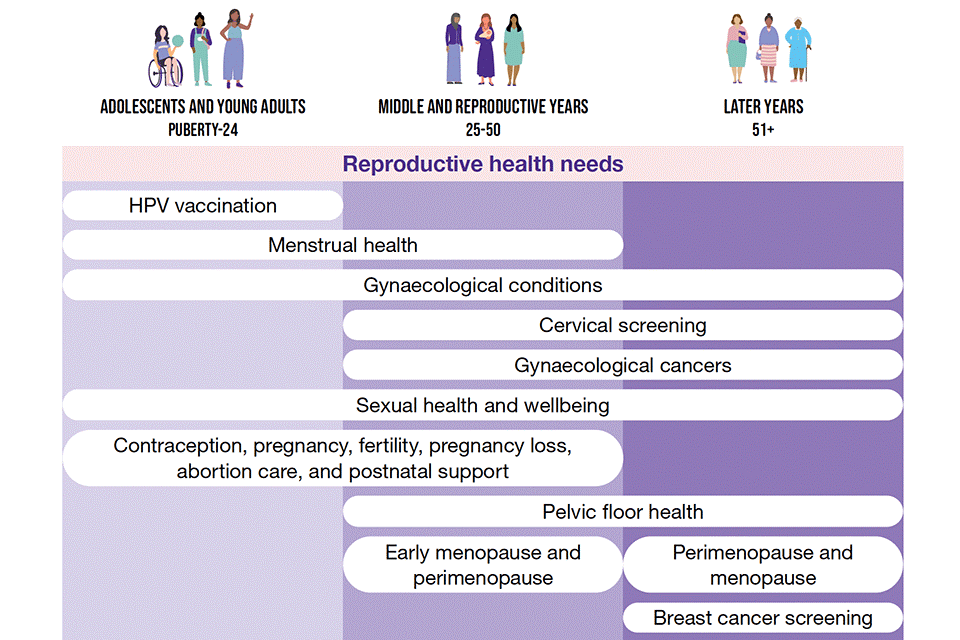
In addition to regular check-ups, certain screenings are specifically recommended for women to ensure early detection of health conditions. These screenings may include cervical cancer screening, mammograms for breast cancer, bone density tests for osteoporosis, and screenings for sexually transmitted infections. These tests can identify any abnormalities or risks, enabling you and your healthcare provider to take the necessary steps for preventive or therapeutic measures.
Schedule for routine check-ups
The schedule for routine check-ups may vary depending on your age, lifestyle, and personal health history. As a general guideline, it is recommended that women between the ages of 18 and 30 have an annual check-up, while women aged 30 and older should schedule a check-up every two years. However, it is important to consult with your healthcare provider to determine the appropriate frequency of check-ups based on your individual needs.
Maintaining a Healthy Diet
Balanced nutrition for women
Maintaining a healthy diet is essential for women’s overall health and well-being. Consuming a balanced diet that includes a variety of foods from different food groups ensures that you obtain all the necessary nutrients your body needs. A diet rich in fruits, vegetables, whole grains, lean proteins, and healthy fats can provide you with the vitamins, minerals, and antioxidants that promote good health and reduce the risk of chronic diseases.
Essential vitamins and minerals
Certain vitamins and minerals are particularly important for women’s health. These include calcium for strong bones, iron for healthy blood, folic acid for reproductive health, and omega-3 fatty acids for heart health. Incorporating foods such as dairy products, leafy greens, lean meats, legumes, and fatty fish into your diet can help ensure you are getting an adequate intake of these essential nutrients.
Healthy eating habits
In addition to consuming a balanced diet, adopting healthy eating habits is equally important. This includes eating regular meals, practicing portion control, limiting the intake of sugary and processed foods, and avoiding excessive alcohol consumption. By maintaining a healthy and mindful approach to eating, you can support your overall health and well-being.
Importance of hydration
Staying hydrated is vital for women’s health. Water plays a crucial role in various bodily functions, including digestion, circulation, and temperature regulation. Drinking an adequate amount of water each day, generally about eight cups or more, can help prevent dehydration, regulate appetite, support healthy skin, and promote overall well-being. It is important to listen to your body’s thirst cues and drink water throughout the day to maintain proper hydration.
Regular Exercise
Benefits of exercise for women’s health
Regular exercise offers numerous benefits for women’s health. It helps maintain a healthy weight, reduces the risk of chronic diseases such as heart disease and osteoporosis, strengthens muscles and bones, improves mood and mental well-being, boosts energy levels, and promotes better sleep. Engaging in physical activity is not only beneficial for your physical health but also for your overall quality of life.
Recommended types of exercise
To reap the maximum benefits from exercise, it is important to engage in a variety of activities that target different aspects of fitness. Including aerobic exercises such as walking, jogging, or dancing, can improve cardiovascular health. Strength training exercises like lifting weights or resistance training can help build muscle mass and increase bone density. Flexibility and balance exercises like yoga or Pilates can enhance flexibility and reduce the risk of falls. Aim for a combination of these exercises to maintain a well-rounded fitness routine.
Creating an exercise routine
To make exercise a regular part of your life, it is helpful to create a consistent exercise routine. Choose activities that you enjoy and that fit into your schedule. Start gradually and increase the intensity and duration of your workouts over time. Set realistic goals and track your progress to stay motivated. Incorporating exercise into your daily routine, whether it’s going for a walk during your lunch break or attending fitness classes, can make it easier to stick to your exercise routine.
Exercise precautions for specific conditions
While exercise is generally beneficial for women’s health, certain precautions should be taken for specific conditions or circumstances. If you have any existing medical conditions or injuries, it is important to consult with your healthcare provider before starting an exercise program. They can provide guidance on suitable activities and any modifications that may be necessary. Additionally, pregnant women should follow specific exercise guidelines for their safety and the well-being of their baby.
Managing Stress
Understanding the impact of stress on women’s health
Stress can have a significant impact on women’s health and well-being. It can contribute to the development or exacerbation of various health conditions, including cardiovascular disease, depression, anxiety, and reproductive issues. Understanding the effects of stress on your body and mind is crucial for managing it effectively and maintaining your overall health.
Effective stress management techniques
Implementing effective stress management techniques can help mitigate the negative impact of stress on women’s health. Some strategies to consider include practicing relaxation techniques such as deep breathing, meditation, or yoga, engaging in regular physical activity, seeking social support from friends and family, maintaining a healthy work-life balance, and engaging in activities that bring joy and relaxation. Finding what works best for you and incorporating these techniques into your daily life can help you better manage stress and improve your overall well-being.
Mental health support
If stress or other mental health concerns become overwhelming, it is essential to seek professional help. Mental health professionals can provide guidance, support, and appropriate treatment options tailored to your specific needs. Remember, reaching out for help is a sign of strength, and there are numerous mental health resources available that can help you navigate any challenges you may be facing.
Maintaining a Healthy Weight
The link between weight and women’s health
Maintaining a healthy weight is not solely about appearance but is crucial for women’s overall health. Excess weight can increase the risk of various health conditions, including heart disease, diabetes, certain types of cancer, and joint problems. By managing your weight within a healthy range, you can reduce the risk of these diseases and improve your overall well-being.
Healthy weight management strategies
To achieve and maintain a healthy weight, it is important to adopt healthy lifestyle habits. This includes following a balanced diet, engaging in regular physical activity, getting adequate sleep, managing stress effectively, and practicing portion control. It is essential to set realistic weight loss goals and make sustainable changes to your daily habits rather than resorting to fad diets or quick fixes.
Importance of body positivity
In the pursuit of maintaining a healthy weight, it is crucial to foster a positive body image and promote self-acceptance. Recognize that everyone’s body is unique, and focus on nourishing your body with good food, engaging in regular exercise, and practicing self-care. Embrace your body for its strength and capabilities rather than solely focusing on its appearance. Cultivating a positive and loving relationship with your body can contribute to improved mental and emotional well-being.
Prevention and Management of Reproductive Health Issues
Understanding common reproductive health conditions
Reproductive health issues can significantly impact a woman’s well-being and reproductive capabilities. Conditions such as polycystic ovary syndrome (PCOS), endometriosis, menstrual disorders, and infertility can pose challenges to reproductive health. Educate yourself about these conditions, their causes, symptoms, and available treatment options to better understand how to prevent and manage them effectively.
Practicing safe sexual habits
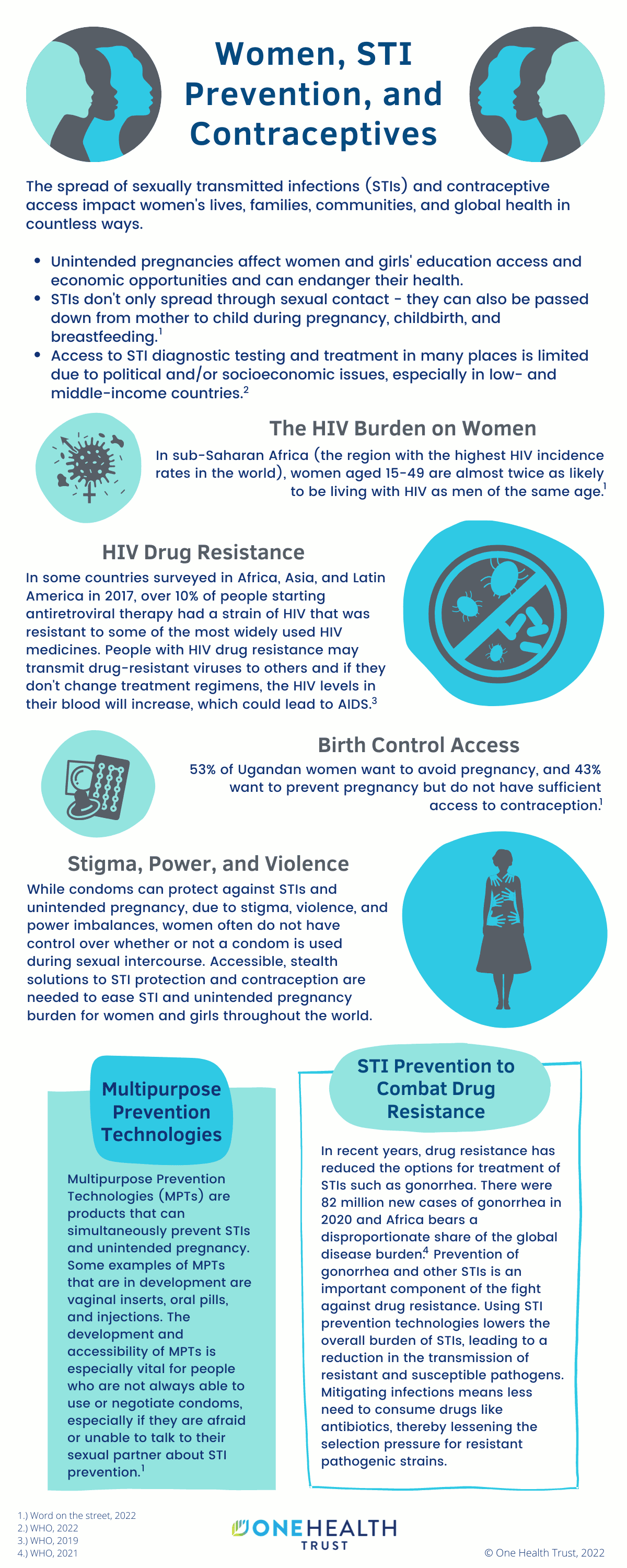
Practicing safe sexual habits is paramount to protect your reproductive health. Using barrier methods of contraception, such as condoms, can help prevent the transmission of sexually transmitted infections (STIs) and unwanted pregnancies. Regularly getting tested for STIs and discussing sexual health with your partner and healthcare provider are essential components of maintaining reproductive health.
Importance of birth control
Birth control plays a significant role in reproductive health management for women who are sexually active and not planning a pregnancy. It allows individuals to have control over their reproductive choices, manage menstrual symptoms, and prevent unwanted pregnancies. There are various birth control options available, including hormonal and non-hormonal methods, which should be discussed with your healthcare provider to determine the most suitable option for your needs.
Treatment options for reproductive health issues
If you are diagnosed with a reproductive health condition, treatment options will vary depending on the specific condition and its severity. Some treatment options may include medication, hormonal therapy, surgical interventions, or lifestyle changes. It is crucial to work closely with your healthcare provider to develop a personalized treatment plan that addresses your unique needs and goals.
Bone Health and Osteoporosis Prevention
Understanding women’s vulnerability to osteoporosis
Women are more susceptible to developing osteoporosis, a condition characterized by weak and brittle bones, due to factors such as hormonal changes during menopause, lower peak bone mass, and a longer lifespan. It is vital for women to prioritize bone health to reduce the risk of fractures and maintain overall physical functioning.
Importance of calcium and vitamin D
Calcium and vitamin D play essential roles in maintaining strong and healthy bones. Incorporating calcium-rich foods, such as dairy products, leafy greens, and fortified foods, into your diet can help ensure an adequate intake. Additionally, exposing your skin to sunlight in safe amounts and considering vitamin D supplementation, if needed, can optimize vitamin D levels in the body.
Weight-bearing exercises for bone health
Engaging in weight-bearing exercises is crucial for maintaining bone health and preventing osteoporosis. These exercises involve supporting your body weight and include activities such as walking, jogging, dancing, weightlifting, and certain types of aerobics. Regularly participating in these activities can help stimulate bone growth, improve muscle strength, and enhance overall bone density.
The role of hormone therapy
For some women, hormone therapy may be recommended to manage menopausal symptoms and reduce the risk of osteoporosis. Estrogen therapy, specifically, can help slow down bone loss and prevent fractures. However, the decision to pursue hormone therapy should be made in consultation with your healthcare provider, considering your individual risk factors, medical history, and potential benefits and risks.
Heart Health and Cardiovascular Disease Prevention
Recognizing heart disease symptoms in women
Heart disease is the leading cause of death in women, and recognizing the symptoms can be crucial for early intervention and prevention. While some symptoms of heart disease may overlap with those experienced by men, women may also present with atypical symptoms such as fatigue, shortness of breath, back, neck, or jaw pain, and nausea. Being aware of these symptoms and seeking prompt medical attention can significantly impact heart health outcomes.
Importance of a heart-healthy lifestyle
Adopting a heart-healthy lifestyle is vital for women’s cardiovascular health. This includes following a balanced diet low in saturated and trans fats, engaging in regular physical activity, not smoking, maintaining a healthy weight, managing stress effectively, and monitoring blood pressure and cholesterol levels. These lifestyle modifications can help prevent or manage risk factors associated with heart disease.
Dietary recommendations for a healthy heart
A heart-healthy diet focuses on consuming nutrient-dense foods that support cardiovascular health. This includes incorporating fruits, vegetables, whole grains, lean proteins, and healthy fats into your meals. Limiting the intake of sodium, added sugars, and processed foods is also important. Consulting with a registered dietitian can provide personalized guidance to meet your specific dietary needs and cardiovascular health goals.
Exercise and cardiovascular health
Regular exercise is a key component of maintaining heart health. Engaging in aerobic activities such as brisk walking, cycling, swimming, or dancing can improve cardiovascular fitness, reduce blood pressure, lower cholesterol levels, and promote overall heart health. It is recommended to aim for at least 150 minutes of moderate-intensity aerobic exercise per week or 75 minutes of vigorous-intensity exercise, in addition to muscle-strengthening activities twice a week.
Breast Health and Early Detection of Breast Cancer
Regular breast self-examinations
Performing regular breast self-examinations is an important way for women to monitor their breast health and detect any changes or abnormalities. By familiarizing yourself with the normal look and feel of your breasts, you can more easily identify any changes, such as lumps, nipple changes, or skin changes. It is recommended to perform a self-examination once a month, preferably right after your menstrual period ends.
Importance of mammograms
Mammograms are an essential screening tool for the early detection of breast cancer. These X-ray screenings can detect breast abnormalities that may not be felt through a self-examination. While the frequency of mammograms may vary depending on individual risk factors, it is generally recommended that women begin routine mammograms at the age of 40 and continue yearly or as recommended by their healthcare provider.
Recognizing signs of breast abnormalities
Being aware of signs and symptoms of breast abnormalities is crucial for early detection and prompt medical attention. In addition to performing self-examinations and undergoing regular mammograms, women should be aware of changes in breast size, shape, or appearance, nipple discharge, skin changes, or persistent breast pain. If you notice any of these changes, it is important to consult with your healthcare provider for further evaluation.
Breast cancer risk factors
Understanding the various risk factors associated with breast cancer can help women take appropriate preventive measures and make informed decisions regarding their health. While some risk factors, such as age and family history, are beyond your control, others, such as maintaining a healthy weight, limiting alcohol consumption, and exercising regularly, can be modified to reduce your risk. Regular breast health check-ups and screenings play a crucial role in early detection and management of breast cancer.
Mental Health and Well-being
Understanding women’s mental health
Women’s mental health encompasses a range of emotional, psychological, and social well-being factors. It is influenced by various factors such as hormonal changes, life events, societal expectations, and personal experiences. Prioritizing mental health is essential for overall well-being and maintaining a healthy and fulfilling life.
Common mental health conditions in women
Women are more likely to experience certain mental health conditions, such as depression, anxiety disorders, eating disorders, and postpartum depression. Recognizing the signs and symptoms of these conditions, such as persistent sadness, feelings of hopelessness, excessive worry, changes in appetite, and difficulty coping, is important for seeking appropriate support and treatment.
Seeking professional help
If you are experiencing persistent feelings of sadness, anxiety, or any other mental health concerns, seeking professional help is vital. Mental health professionals, such as therapists or psychologists, can provide assessment, therapy, and support tailored to your individual needs. They can help you develop coping strategies, improve emotional well-being, and provide guidance throughout your mental health journey.
Support networks and resources
Building a support network is essential for maintaining good mental health. Surrounding yourself with supportive friends, family, or participating in support groups or therapy can provide guidance, solace, and understanding. Additionally, there are numerous resources available online, such as helplines and mental health websites, that provide information, support, and resources specific to women’s mental health concerns.
In conclusion, prioritizing your health as a woman involves regular check-ups and screenings, maintaining a healthy diet, engaging in regular exercise, managing stress effectively, maintaining a healthy weight, addressing reproductive health issues, focusing on bone health, preventing cardiovascular disease, monitoring breast health, and nurturing your mental well-being. By taking proactive steps and seeking support when needed, you can thrive and lead a healthier, happier life. Remember, you are worthy of investing in your own well-being, and by doing so, you empower yourself to live your life to the fullest.