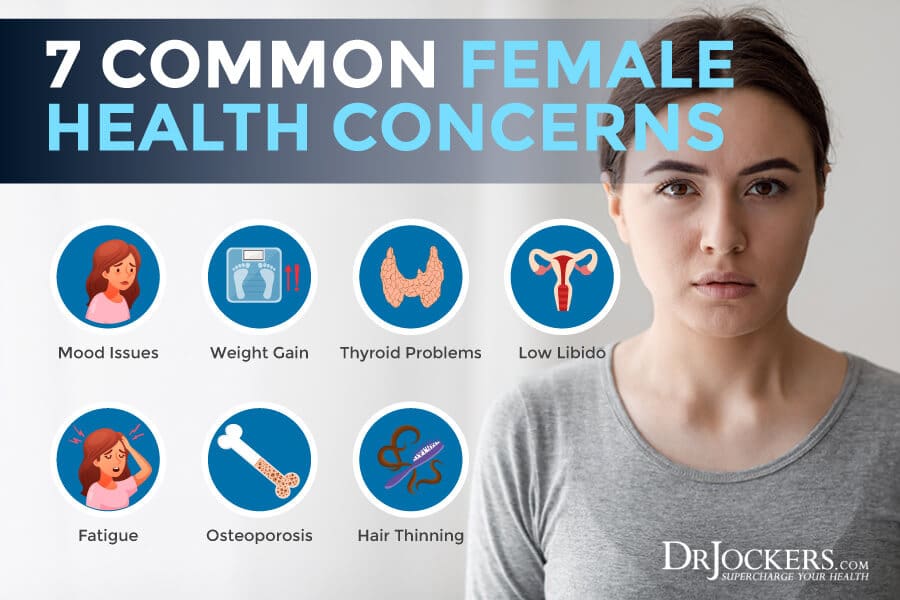
In this article, you will explore the common health issues that women face and learn effective ways to address them. From hormonal imbalances to reproductive health concerns, we will delve into how these issues can impact your overall well-being. By offering practical tips and strategies, this article aims to empower you with the knowledge and resources to take control of your health. Together, let’s navigate the realm of women’s health with compassion and understanding.
1. Menstrual Disorders
Menstrual disorders can be quite common among women, and they can have a significant impact on your overall well-being. Understanding these disorders and knowing how to address them is essential for maintaining good reproductive health.
1.1. Irregular periods
Irregular periods, where the length of your menstrual cycle varies, can be caused by various factors such as hormonal imbalances, stress, excessive exercise, or certain medical conditions. It’s important to track your menstrual cycles and identify any irregularities. If you notice any significant changes or irregularities, it’s recommended to consult with your healthcare provider.
1.2. Heavy or prolonged periods
Experiencing heavy or prolonged periods can be distressing and may lead to fatigue or anemia. This can occur due to hormonal imbalances, uterine fibroids, polyps, or other underlying medical conditions. If you consistently have abnormally heavy or prolonged periods, it’s crucial to seek medical advice to identify and address the underlying cause.
1.3. Painful periods
Many women experience pain or discomfort during their menstrual periods, known as dysmenorrhea. This can range from mild cramps to severe pain that interferes with daily activities. Practices like using a heating pad, taking over-the-counter pain relievers, or practicing relaxation techniques may help alleviate the pain. If your menstrual pain is severe or disruptive, it’s advisable to consult with your healthcare provider.
1.4. Premenstrual syndrome (PMS)
Premenstrual syndrome, commonly referred to as PMS, encompasses a range of physical and emotional symptoms that occur before your period. These symptoms can include bloating, breast tenderness, mood swings, irritability, or food cravings. Lifestyle changes such as regular exercise, a balanced diet, stress management, and getting enough sleep can help reduce the severity of PMS symptoms. In some cases, your healthcare provider may recommend medication to alleviate symptoms.
1.5. Menopause
Menopause marks the end of a woman’s reproductive years and is characterized by the cessation of menstrual periods. It typically occurs between the ages of 45 and 55, although the timing can vary. Menopause brings about hormonal changes that can result in a variety of symptoms, including hot flashes, night sweats, mood changes, vaginal dryness, and decreased libido. Lifestyle modifications, such as a healthy diet, regular exercise, and stress management, can help manage these symptoms. Hormone replacement therapy (HRT) may also be an option if symptoms are severe or impacting your quality of life.
2. Reproductive Health
Reproductive health encompasses various aspects related to fertility, contraception, and the prevention of sexually transmitted infections (STIs). Understanding and taking care of your reproductive health are vital for overall well-being.
2.1. Contraception
Contraception plays a key role in family planning and preventing unintended pregnancies. There are various methods of contraception available, including hormonal methods like birth control pills, patches, injections, intrauterine devices (IUDs), and barrier methods like condoms or diaphragms. It’s important to discuss contraceptive options with your healthcare provider to determine the most suitable method for you based on your health, lifestyle, and preferences.
2.2. Sexually transmitted infections (STIs)
Sexually transmitted infections are infections that can be transmitted through sexual contact. They can have serious consequences if left untreated, including fertility issues, pelvic inflammatory disease, and certain types of cancer. STIs such as chlamydia, gonorrhea, human papillomavirus (HPV), and HIV are among the most common. Using barrier methods of contraception like condoms and regularly undergoing STI testing are vital for preventing and early detection of STIs. It’s also important to have open and honest communication with your sexual partners about your sexual health.
2.3. Fertility issues
Fertility issues can present challenges for couples trying to conceive. It’s important to remember that fertility is a complex process influenced by various factors, including age, hormonal balance, reproductive health conditions, and lifestyle factors. If you’re struggling to conceive, seeking medical advice from a fertility specialist or reproductive endocrinologist can provide valuable insights and guidance. They can conduct tests and recommend appropriate treatments or interventions to improve the chances of conception.
3. Pregnancy and Childbirth
Pregnancy and childbirth are significant milestones in a woman’s life, and it’s crucial to prioritize care during this period to ensure a healthy outcome for both the mother and the baby.
3.1. Preconception care
Preconception care involves taking proactive steps to optimize your health before becoming pregnant. It includes achieving a healthy weight, managing chronic conditions, ensuring adequate intake of key nutrients such as folic acid, and avoiding exposure to harmful substances like tobacco or alcohol. This helps create a good foundation for a healthy pregnancy and reduces the risk of complications.
3.2. Antenatal care
Antenatal care, also known as prenatal care, involves regular check-ups with healthcare professionals throughout pregnancy. These visits allow monitoring of the mother’s health and the baby’s development, as well as screening for potential complications. Following the recommended schedule of antenatal visits, participating in prenatal classes, and discussing any concerns with your healthcare provider are crucial for a healthy pregnancy.
3.3. Common discomforts during pregnancy
Pregnancy can bring about various discomforts such as nausea and vomiting (morning sickness), fatigue, back pain, and swollen ankles. While these discomforts are often normal, they can still impact a woman’s quality of life. Practices like maintaining a balanced diet, staying hydrated, getting regular exercise, practicing relaxation techniques, and wearing appropriate footwear can help manage these discomforts. However, it’s important to discuss any severe or persistent symptoms with your healthcare provider.
3.4. Labor and delivery
Labor and delivery mark the culmination of the pregnancy journey, and it’s essential to be well-prepared for this transformative experience. Attending childbirth education classes, creating a birth plan, and staying informed about different labor and delivery options can help you feel more empowered and confident. Additionally, having a supportive birth partner and a healthcare team you trust can contribute to a positive birthing experience.
3.5. Postpartum care
Postpartum care involves taking care of yourself after childbirth, both physically and emotionally. This period can bring about significant changes and challenges, including physical recovery, hormonal fluctuations, sleep deprivation, and adjusting to the demands of motherhood. Adequate rest, proper nutrition, seeking support from loved ones, and accessing postpartum healthcare services can all contribute to a smoother transition into motherhood.
4. Breast Health
Breast health is a crucial aspect of women’s overall well-being, and understanding how to monitor and care for your breasts is essential.
4.1. Breast self-examination
Regular breast self-examination is an important practice for detecting any changes or abnormalities in the breasts. By regularly examining your breasts, you can become familiar with their normal appearance and texture, making it easier to identify any changes. If you notice any unusual lumps, changes in shape or size, nipple discharge, or skin changes, it’s important to consult with your healthcare provider promptly.
4.2. Breast abnormalities
Breast abnormalities can encompass a range of conditions, including benign breast lumps, cysts, fibroadenomas, or breast infections. While many of these conditions are harmless, it’s crucial to have any breast abnormalities evaluated by a healthcare professional. They can perform further diagnostic tests, such as mammograms or ultrasounds, if needed, to ensure an accurate diagnosis.
4.3. Breast cancer awareness and screening
Breast cancer is one of the most common cancers affecting women, and early detection plays a crucial role in successful treatment outcomes. Regular mammograms and clinical breast examinations are essential screening tools for detecting breast cancer at its earliest stages. It’s important to follow the recommended screening guidelines and discuss any concerns or risk factors with your healthcare provider. Additionally, being aware of the signs and symptoms of breast cancer, such as persistent breast pain, changes in breast appearance, or nipple discharge, can help in early detection.
5. Bone Health
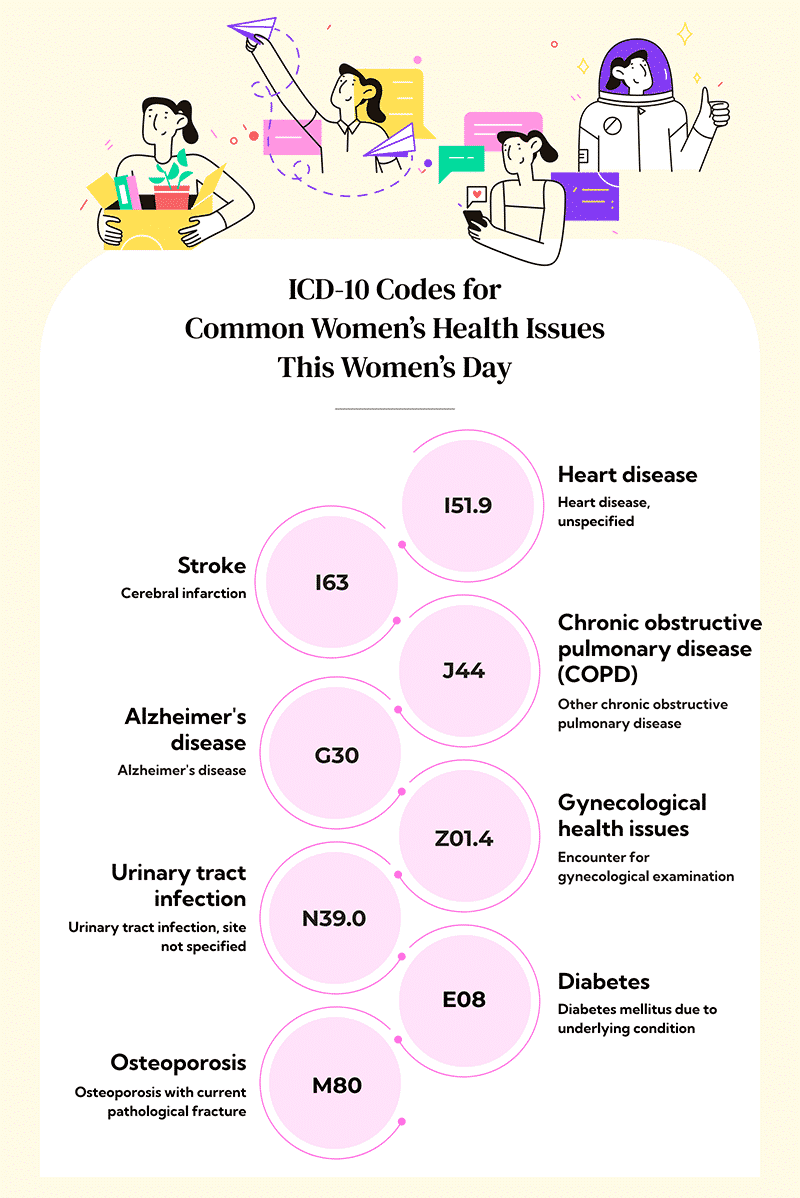
Maintaining good bone health is essential for women, as they are more prone to conditions like osteoporosis.
5.1. Osteoporosis
Osteoporosis is a condition characterized by reduced bone density and increased susceptibility to fractures. It’s particularly common among postmenopausal women due to the decline in estrogen levels. Engaging in weight-bearing exercises, ensuring adequate calcium and vitamin D intake, avoiding smoking and excessive alcohol consumption, and undergoing bone density testing can help prevent or manage osteoporosis.
5.2. Calcium and Vitamin D intake
Calcium and vitamin D play vital roles in maintaining bone health. Incorporating calcium-rich foods like dairy products, leafy greens, and fortified foods into your diet can help ensure adequate intake. Vitamin D, which facilitates calcium absorption, can be obtained through exposure to sunlight and dietary sources like fatty fish or fortified products. If you struggle to meet the recommended daily intake, supplements may be recommended by your healthcare provider.
5.3. Exercise for bone health
Regular exercise is essential for bone health as it helps improve bone density and strength. Weight-bearing exercises such as walking, jogging, dancing, and weightlifting stimulate bone growth. Additionally, incorporating strength training exercises for the major muscle groups can provide added benefits. It’s important to choose activities that are suitable for your fitness level and consult with a healthcare professional or a certified fitness trainer if needed.
6. Chronic Conditions
Women can be susceptible to various chronic conditions that require proper management and care.
6.1. Polycystic Ovary Syndrome (PCOS)
Polycystic ovary syndrome, or PCOS, is a hormonal disorder that affects many women of reproductive age. It can present with symptoms such as irregular periods, excessive hair growth, weight gain, and fertility issues. Treatment options for PCOS focus on managing symptoms and may include lifestyle modifications, hormonal therapies, or fertility treatments. If you suspect you may have PCOS, it’s important to consult with your healthcare provider for proper diagnosis and guidance.
6.2. Endometriosis
Endometriosis is a condition where the tissue lining the uterus grows outside of it, leading to pain and potential fertility issues. It can cause symptoms like pelvic pain, painful periods, and infertility. Treatment approaches for endometriosis include pain management, hormonal therapy, and surgery in severe cases. Consulting with a healthcare provider who specializes in endometriosis is crucial for an accurate diagnosis and appropriate management.
6.3. Thyroid Disorders
Thyroid disorders, such as hypothyroidism or hyperthyroidism, can have a significant impact on women’s overall health. These conditions affect the thyroid gland, which produces hormones that regulate metabolism, energy levels, and other bodily functions. Symptoms can vary but may include fatigue, weight changes, menstrual irregularities, and mood changes. Proper diagnosis through thyroid function tests and appropriate treatment with medication can restore hormonal balance and alleviate symptoms.
6.4. Autoimmune Conditions
Autoimmune conditions are disorders in which the body’s immune system mistakenly attacks its own cells and tissues. Many autoimmune conditions disproportionately affect women, such as rheumatoid arthritis, lupus, or multiple sclerosis. Proper management of autoimmune conditions often involves a multidisciplinary approach, incorporating medication, lifestyle modifications, and regular monitoring by healthcare professionals. Early diagnosis and treatment are crucial for minimizing the impact of these conditions on overall health and quality of life.
7. Mental Health
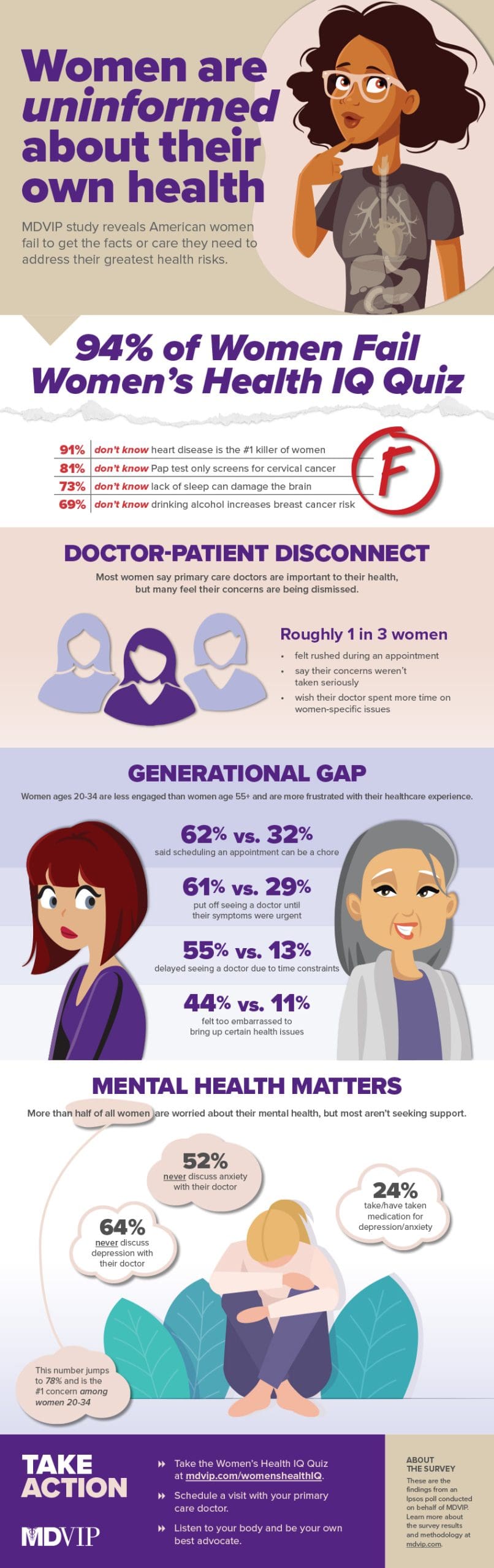
Mental health is an important aspect of overall well-being, and women may face unique challenges and conditions.
7.1. Anxiety and depression
Anxiety and depression are common mental health conditions that can affect women. Hormonal fluctuations, life transitions, and societal pressures can contribute to their occurrence. Seeking support from healthcare professionals, practicing self-care, engaging in stress-reducing activities like mindfulness or therapy, and maintaining a strong support network are all important strategies for managing anxiety and depression.
7.2. Eating disorders
Eating disorders, such as anorexia nervosa or bulimia nervosa, disproportionately affect women. These conditions involve distorted attitudes towards food, body image, and weight. They can have severe physical and mental health consequences. It’s important to recognize the signs and symptoms of eating disorders and seek professional help promptly. Treatment often involves a combination of therapy, nutritional support, and medical monitoring.
7.3. Body image issues
Body image concerns and societal pressure to conform to certain beauty standards can impact women’s mental health. Establishing a positive body image involves embracing diversity, challenging societal norms, and cultivating self-acceptance. Surrounding yourself with positive influences, reframing negative self-talk, and engaging in activities that foster self-confidence can all contribute to a healthy body image.
8. Urinary Health
Urinary health is an important aspect of women’s well-being, and certain conditions can affect the urinary system.
8.1. Urinary tract infections (UTIs)
Urinary tract infections are common among women and can cause discomfort and urinary symptoms. These infections occur when bacteria enters the urinary tract. Maintaining good hygiene practices, staying well-hydrated, urinating before and after sexual activity, and avoiding irritating substances can help prevent UTIs. If you experience frequent or recurring UTIs, consulting with your healthcare provider is important to identify any underlying causes and determine appropriate treatment.
8.2. Urinary incontinence
Urinary incontinence refers to the unintentional leakage of urine. It can occur due to weakened pelvic floor muscles, hormonal changes, childbirth, or certain underlying conditions. Exercises such as Kegels can help strengthen the pelvic floor muscles. Additionally, certain lifestyle changes, such as maintaining a healthy weight, managing constipation, and avoiding bladder irritants, can help improve urinary continence. If urinary incontinence significantly affects your quality of life, speaking with a healthcare professional can provide further guidance and treatment options.
9. Heart Health
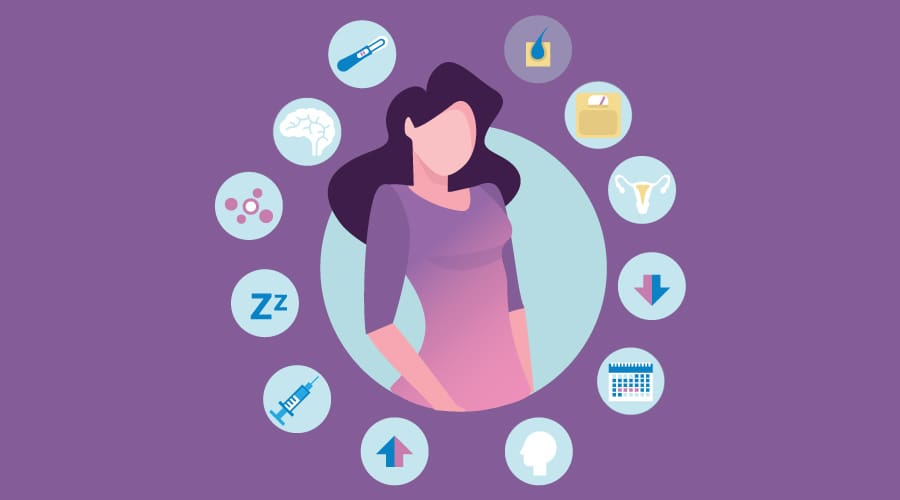
Heart disease is a leading cause of death among women, and understanding heart health is crucial for maintaining overall well-being.
9.1. Cardiovascular disease
Cardiovascular disease encompasses various conditions that affect the heart and blood vessels, including coronary artery disease, heart attacks, and strokes. Women may present with different symptoms than men, making early detection more challenging. Maintaining a heart-healthy lifestyle by engaging in regular physical activity, following a balanced diet, avoiding smoking, managing stress, and undergoing regular heart health screenings can help reduce the risk of cardiovascular disease.
9.2. Risk factors for heart disease
Certain risk factors can increase a woman’s susceptibility to heart disease. These include high blood pressure, high cholesterol levels, diabetes, smoking, obesity, sedentary lifestyle, and a family history of heart disease. Understanding these risk factors and taking proactive steps to manage them, such as medication, lifestyle modifications, and regular check-ups, can significantly reduce the risk of developing heart disease.
10. Sexual and Reproductive Health Education
Sexual and reproductive health education is fundamental for empowering women and ensuring they have access to necessary information and resources.
10.1. Comprehensive sexuality education
Comprehensive sexuality education equips individuals with accurate information about sexuality, sexual health, relationships, and decision-making. It includes topics such as consent, contraception, understanding and respecting gender identity, and preventing STIs. Access to comprehensive sexuality education is important to promote healthy attitudes, behaviors, and relationships.
10.2. Access to reproductive healthcare
Access to quality reproductive healthcare services, including family planning, contraceptives, prenatal care, and screenings, is vital for women’s overall health. It’s important to advocate for affordable and accessible healthcare services that prioritize women’s reproductive rights and well-being. Regular visits to healthcare providers, open communication, and self-care practices contribute to maintaining optimal reproductive health.
In conclusion, prioritizing women’s health involves understanding and addressing a wide range of issues. By staying informed, seeking appropriate healthcare guidance, and taking proactive steps towards self-care, women can maintain good health and well-being throughout their lives. Remember, your health matters, and you deserve to prioritize it.