
In today’s fast-paced world, it is easy for women to prioritize the needs of others over their own. However, neglecting self-love and self-care can take a toll on their mental health. This article aims to shed light on the importance of self-love and self-care for women, emphasizing that by taking time to nurture themselves, they can enhance their overall well-being and find a greater sense of fulfillment. By exploring practical tips and highlighting the benefits of prioritizing self-love and self-care, this article serves as a gentle reminder that every woman deserves to invest in her own happiness and mental well-being.

Importance of Self-Love
Self-love is a fundamental aspect of maintaining good mental health and overall well-being. It involves accepting and appreciating yourself for who you are, embracing your strengths, as well as acknowledging your imperfections. When you practice self-love, it enables you to build self-confidence, develop a positive body image, and enhance your emotional well-being.
Building Self-Confidence
One of the key benefits of self-love is the ability to build self-confidence. By acknowledging your worth and believing in yourself, you can overcome self-doubt and insecurities. When you have confidence in your abilities and value, you are more likely to pursue your goals and face challenges with resilience. Self-confidence empowers you to step out of your comfort zone and take on new opportunities, leading to personal growth and success.
Developing Positive Body Image
Self-love plays a crucial role in developing a positive body image. In a society that often promotes unrealistic standards of beauty, it is essential to embrace and celebrate your unique body. When you practice self-love, you learn to appreciate your body for its strength, resilience, and the amazing things it can do rather than focusing on its flaws. Developing a positive body image fosters self-acceptance and encourages you to prioritize your physical and mental well-being over societal expectations.
Enhancing Emotional Well-Being
Self-love is closely tied to emotional well-being. When you cultivate a sense of self-love, you become more in tune with your emotions and better equipped to handle stress, anxiety, and other negative feelings. Nurturing your emotional well-being involves practicing self-compassion, setting healthy boundaries, and engaging in self-care strategies. By prioritizing your emotional health and practicing self-love, you can build resilience, improve your relationships, and lead a more fulfilling life.
Practicing Self-Compassion
Self-compassion is an integral part of self-love. It involves treating yourself with kindness, understanding, and forgiveness, especially during moments of self-doubt or failure. By practicing self-compassion, you can accept your imperfections, learn from your failures, and be kind to yourself in times of adversity.
Accepting Imperfections
No one is perfect, and accepting your imperfections is a vital aspect of self-love and self-compassion. Instead of criticizing or judging yourself for your perceived flaws, embrace them as part of what makes you unique. Recognize that making mistakes and having imperfections are a natural part of being human and an opportunity for growth and learning.
Learning from Failures
Failure is an inevitable part of life, but it doesn’t define your worth. Instead of dwelling on your failures, practice self-compassion by focusing on the lessons learned and the potential for growth. Embrace failure as a stepping stone towards success and use it as motivation to keep pushing forward. By being kind and understanding to yourself in times of failure, you can cultivate resilience and bounce back stronger.
Being Kind to Yourself
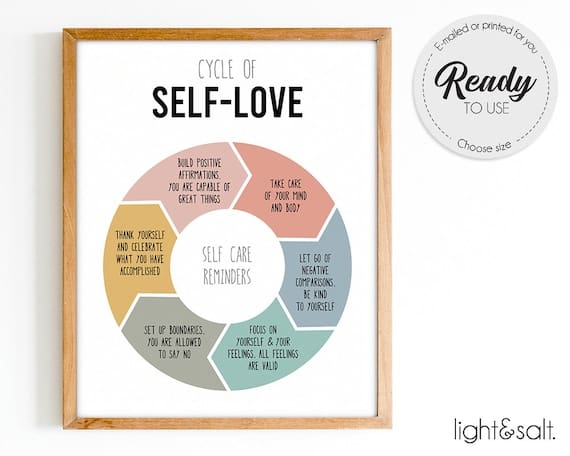
Treating yourself with kindness is an essential aspect of self-compassion. It involves practicing self-care, nurturing your physical and emotional well-being, and setting healthy boundaries. Being kind to yourself means prioritizing your needs, saying no without guilt, and protecting your mental health. Remember that self-compassion is not selfish; it is necessary for your overall well-being and allows you to show up as the best version of yourself.
Setting Healthy Boundaries
Setting healthy boundaries is a crucial part of practicing self-love and maintaining good mental health. It involves recognizing your needs, saying no without guilt, and protecting your mental well-being.
Recognizing Your Needs
Understanding your needs is fundamental to setting healthy boundaries. Take the time to reflect on what is important to you and what you require to thrive physically, emotionally, and mentally. Whether it’s setting aside time for self-care, asking for support when needed, or communicating your boundaries in relationships, recognizing your needs is essential for your well-being.
Saying No Without Guilt
Learning to say no without guilt is a powerful skill that can contribute to your self-love journey. It’s okay to set limits and decline requests when they do not align with your needs or values. Prioritizing your well-being and respecting your boundaries is not selfish; it is an act of self-love and self-care. Remember that saying no to others means saying yes to yourself.
Protecting Your Mental Health
Setting healthy boundaries is vital for protecting your mental health. This includes establishing limits around work commitments, social engagements, and relationships that may be draining or triggering. By recognizing and honoring your limits, you can prevent burnout, reduce stress, and promote a healthier mindset. Protecting your mental health allows you to create a safe and nurturing space for your well-being to flourish.
Embracing Self-Care Strategies
Self-care is an essential aspect of self-love. It involves actively engaging in activities and practices that promote your physical, mental, and emotional well-being. By embracing self-care strategies, you can create a positive and fulfilling daily routine that prioritizes your needs and enhances your overall quality of life.
Creating a Daily Routine
Building a daily routine that incorporates self-care activities is crucial for nurturing self-love. Take the time to identify activities that bring you joy, relaxation, and promote your well-being. It could be something as simple as setting aside time to read a book, practice mindfulness, or engage in a hobby you love. By consciously making self-care a part of your daily routine, you are actively prioritizing your needs and promoting self-love.
Prioritizing Rest and Sleep
Rest and sleep are essential components of self-care and self-love. Prioritizing getting enough sleep and taking regular breaks throughout the day allows your body and mind to recharge and recover. Lack of rest and sleep can negatively impact your mood, cognitive abilities, and overall well-being. By making rest and sleep a priority, you are nurturing your physical and mental health and ensuring you have the energy to show up as your best self.
Engaging in Physical Activities
Engaging in physical activities is not only beneficial for your physical health but also for your mental well-being. Exercise releases endorphins, the “feel-good” hormones that can boost your mood and reduce stress. Find activities that you enjoy, whether it’s going for a walk, practicing yoga, or dancing. By incorporating regular physical activity into your routine, you are promoting self-love by caring for your body and its needs.

Nurturing Relationships
Nurturing relationships is an integral part of self-love. Surrounding yourself with supportive people, maintaining quality connections, and seeking professional help if needed all contribute to your overall well-being.
Surrounding Yourself with Supportive People
The relationships you cultivate can significantly impact your self-love journey. Surrounding yourself with people who uplift and support you is essential for your mental health. Seek out friends, family members, or mentors who genuinely care about your well-being and encourage your personal growth. Surrounding yourself with supportive people provides a sense of belonging, acceptance, and reinforces your self-worth.
Maintaining Quality Connections
Quality over quantity holds true when it comes to maintaining relationships. It’s important to invest time and energy into meaningful connections that align with your values and bring positivity into your life. Nurture relationships that are built on mutual respect, trust, and understanding. By maintaining quality connections, you create a supportive network that fosters self-love and promotes your mental well-being.
Seeking Professional Help if Needed
Sometimes, seeking professional help is necessary for your mental health, and it is an act of self-love to prioritize getting the support you need. If you find yourself struggling with persistent negative thoughts, overwhelming emotions, or feelings of distress, reaching out to a therapist or counselor can provide valuable guidance and support. Seeking professional help demonstrates strength and a commitment to your well-being, allowing you to navigate life’s challenges with resilience and self-compassion.
Cultivating a Positive Mindset
Cultivating a positive mindset is foundational in practicing self-love. It involves practicing gratitude, challenging negative thoughts, and focusing on self-affirmations.
Practicing Gratitude
Practicing gratitude is a powerful tool to shift your mindset towards positivity and self-love. Take time each day to reflect on the things you are grateful for, whether big or small. This simple practice helps cultivate a sense of appreciation and trains your mind to focus on the positive aspects of your life. By incorporating gratitude into your daily routine, you can cultivate a more optimistic outlook and enhance your overall well-being.
Challenging Negative Thoughts
Negative thoughts can be detrimental to your self-love journey. It’s important to become aware of negative self-talk and actively challenge those thoughts. Start by questioning the validity of negative beliefs and replacing them with more positive and empowering affirmations. Practicing self-compassion and focusing on your strengths and achievements can help counteract negative thoughts and foster a healthy and positive mindset.
Focusing on Self-Affirmations
Self-affirmations are powerful statements that reinforce positive self-image and self-worth. Incorporate self-affirmations into your daily routine by intentionally speaking kind and uplifting words to yourself. By focusing on these affirmations, you can rewire your brain to believe in your abilities and strengths. Self-affirmations promote self-love, boost confidence, and foster a positive mindset.
Finding Joy in Hobbies and Activities
Finding joy in hobbies and activities is a delightful way to practice self-love. Exploring personal interests, creating me-time, and pursuing relaxing activities all contribute to your overall well-being.
Exploring Personal Interests
Take the time to explore personal interests and passions that bring you joy and fulfillment. Whether it’s painting, playing a musical instrument, or trying out a new sport, allowing yourself to indulge in activities that you enjoy promotes self-love. By exploring personal interests, you are embracing your unique desires and talents, giving yourself permission to prioritize your happiness.
Creating Me-Time
Creating me-time is essential for self-love and rejuvenating your mind, body, and soul. Dedicate specific time each day or week to engage in activities that bring you peace, relaxation, and happiness. This could be taking a long bath, reading a book, practicing meditation, or indulging in a hobby. By carving out me-time, you are prioritizing self-care and nurturing yourself, allowing for self-reflection and personal growth.
Pursuing Relaxing Activities
In today’s fast-paced world, it’s crucial to engage in activities that promote relaxation and stress relief. Find activities that help you unwind and recharge, such as practicing yoga, going for walks in nature, or listening to soothing music. Pursuing relaxing activities not only promotes self-love but also provides a sanctuary for your mind and body to find peace and tranquility.
Prioritizing Self-Care in Daily Life
Prioritizing self-care in daily life is essential for maintaining a healthy balance and promoting self-love. Creating boundaries with work, taking breaks and vacations, and engaging in self-reflection are all crucial elements of prioritizing self-care.
Creating Boundaries with Work
In today’s demanding work culture, it’s important to establish boundaries to prevent burnout and protect your mental health. Set clear limits on your work hours and don’t hesitate to communicate your needs to your employer or colleagues. Prioritize self-care by creating a work-life balance that allows you to take breaks, engage in activities that bring you joy, and spend quality time with loved ones.
Taking Breaks and Vacations
Taking regular breaks and vacations is vital for giving yourself time to recharge and rejuvenate. Plan and prioritize time off to engage in activities that bring you joy and relaxation. Whether it’s a weekend getaway or an extended vacation, taking breaks allows you to disconnect from the daily stresses and reconnect with yourself. By giving yourself permission to take breaks and vacations, you are practicing self-care and self-love.
Engaging in Self-Reflection
Engaging in self-reflection is a powerful tool for self-care and self-growth. Take time to pause and reflect on your thoughts, emotions, and experiences. Journaling, meditation, or simply finding a quiet space can help you cultivate self-awareness and gain valuable insights into yourself. Engaging in self-reflection allows you to make intentional choices, set goals aligned with your values, and take steps towards a more fulfilling life.
Addressing Mental Health Stigma
Addressing mental health stigma is an essential part of self-love. Seeking support without shame, promoting open conversations, and educating others on mental health all contribute to creating a more compassionate and understanding society.
Seeking Support without Shame
If you are struggling with your mental health, seeking support is an act of self-love and courage. Break the stigma by reaching out to a therapist, counselor, or support groups without shame or judgment. Remember that mental health challenges are common, and asking for help is a sign of strength, not weakness. By seeking support, you are prioritizing your well-being and taking an active step towards healing and self-love.
Promoting Open Conversations
Promoting open conversations about mental health helps break down the stigma surrounding it. Share your experiences and struggles with trusted individuals, friends, or family members. By speaking openly about mental health, you encourage others to do the same and foster a sense of empathy and understanding. Promoting open conversations creates a safe space for individuals to seek help, share their stories, and find support in their mental health journey.
Educating Others on Mental Health
Educating others on mental health is an effective way to address societal stigma and promote self-love. Share reliable information, resources, and personal experiences to help cultivate a greater understanding and empathy towards mental health challenges. By educating others, you contribute to a more inclusive and compassionate society, where individuals feel supported and validated in their mental health journeys.
Celebrating and Accepting Yourself
Celebrating and accepting yourself is the ultimate act of self-love. Recognizing your achievements, practicing self-love rituals, and embracing your unique self all contribute to fostering a positive self-image and a deep sense of self-worth.
Recognizing Achievements
Take the time to acknowledge and celebrate your achievements, no matter how big or small they may be. Reflect on your accomplishments, growth, and progress. By celebrating your achievements, you reinforce a positive self-image and cultivate a sense of pride and self-worth. Recognizing your accomplishments is a powerful act of self-love that fuels motivation and resilience.
Practicing Self-Love Rituals
Incorporating self-love rituals into your daily life is a beautiful way to honor and care for yourself. Whether it’s a morning affirmation, self-care routine, or a gratitude practice, practicing self-love rituals allows you to cultivate a deep sense of self-compassion and appreciation. These rituals serve as a reminder to prioritize self-love and build a strong foundation for your overall well-being.
Embracing and Loving Your Unique Self
Embrace and love your unique self, flaws and all. Recognize that you are an individual with distinctive qualities, strengths, and talents. Let go of comparison and societal expectations, and focus on embracing your true self. By loving and accepting yourself, you create a space for authenticity, growth, and self-fulfillment. Embracing and loving your unique self is a lifelong journey that brings joy, contentment, and a profound sense of self-love.
In conclusion, self-love is essential for women’s mental health. By building self-confidence, developing positive body image, setting healthy boundaries, embracing self-care strategies, nurturing relationships, cultivating a positive mindset, finding joy in hobbies, prioritizing self-care, addressing mental health stigma, and celebrating and accepting yourself, you can embark on a journey of self-love and experience the profound positive impact it has on your overall well-being. Remember, practicing self-love is not a selfish act but a necessary step towards leading a happier, healthier, and more fulfilling life.
