
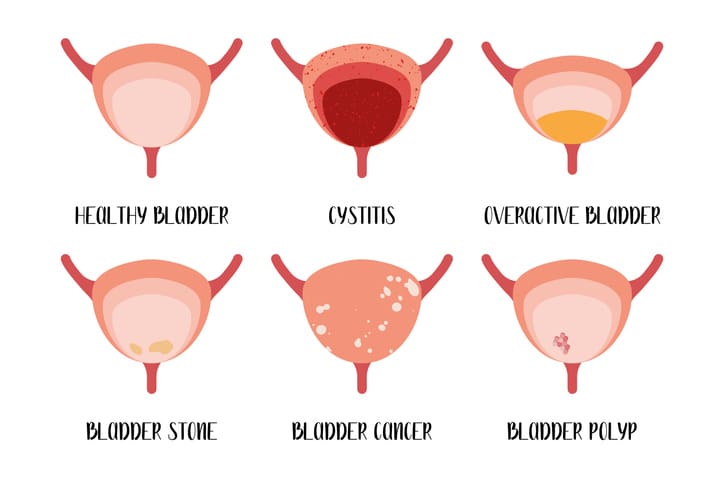
Are you tired of dealing with frequent trips to the bathroom? Want to improve your bladder health? Look no further! In this article, we will share with you the top 10 ways to improve women’s bladder health. Whether you’re struggling with urinary incontinence or simply want to prevent future bladder problems, these tips will help you regain control and enhance your overall well-being. So, let’s get started on this journey towards a healthier and happier bladder!
Maintain a Healthy Diet
Drink plenty of water
Water is essential for overall health and especially important for maintaining a healthy bladder. Staying hydrated helps to flush out toxins and keeps the urine dilute, reducing the risk of bladder infections. Aim to drink at least 8 cups of water per day and increase your intake if you are physically active or in hot weather.
Limit caffeine and alcohol intake
Caffeine and alcohol are bladder irritants that can increase the frequency of urination and worsen bladder control issues. It’s best to limit or avoid these beverages altogether. If you can’t completely eliminate them from your diet, try to reduce your consumption and opt for healthier alternatives like herbal teas or infused water.
Eat a balanced diet with fiber-rich foods
A well-balanced diet is crucial for maintaining good overall health and supporting bladder health. Include a variety of fruits, vegetables, whole grains, and lean proteins in your meals. These foods provide essential nutrients and fiber, which can help prevent constipation and maintain a healthy bowel routine. Fiber-rich foods like fruits, vegetables, and whole grains also promote healthy digestion and can prevent digestive issues that may contribute to bladder problems.
Practice Good Hygiene
Clean the genital area properly
Maintaining proper hygiene in the genital area is essential for preventing urinary tract infections (UTIs) and other bladder-related issues. When washing, make sure to use a mild, unscented soap and warm water. Avoid harsh soaps or products that contain fragrances, as they can irritate sensitive areas and disrupt the natural balance of the vaginal flora.
Avoid using harsh soaps and douches
While it may be tempting to use strong soaps or douches to cleanse the genital area, it’s best to avoid them. These products can disrupt the pH balance of the vagina and increase the risk of infections. Instead, stick to gentle cleansers or simply warm water for daily hygiene routines.
Wipe from front to back after using the bathroom
When wiping after using the bathroom, always remember to wipe from front to back. This simple practice helps to prevent the transfer of bacteria from the anal area to the urethra, reducing the risk of urinary tract infections. Proper wiping technique should be followed by both women and girls to protect their bladder health.
Regular Bathroom Habits
Urinate when you feel the urge
Don’t ignore the urge to urinate. Holding in urine for too long can put unnecessary pressure on the bladder muscles, leading to bladder irritation and potential complications. When you feel the need to urinate, make sure to use the restroom promptly.
Avoid holding urine for too long
In addition to urinating when you feel the urge, it’s also important to avoid holding urine for too long. Holding your urine for extended periods of time can weaken the bladder muscles and reduce bladder capacity. Aim to empty your bladder every 2-3 hours, even if you don’t feel a strong urge to urinate.
Empty your bladder completely
When using the restroom, make sure to fully empty your bladder. Incomplete bladder emptying can increase the risk of urinary tract infections and other bladder problems. Take your time and try to relax while urinating to ensure that your bladder is completely empty.
Maintain a Healthy Weight
Stay physically active
Regular physical activity is not only important for maintaining a healthy weight but also plays a crucial role in bladder health. Exercise helps improve overall muscle tone, including the muscles that support the bladder. Aim for at least 150 minutes of moderate-intensity aerobic activity per week, such as brisk walking or swimming, and incorporate strength training exercises to maintain muscle strength.
Manage your weight to reduce pressure on the bladder
Maintaining a healthy weight is vital for bladder health, especially in women. Excess weight can put additional pressure on the bladder and pelvic floor muscles, leading to urinary leakage and other bladder control problems. If you are overweight, losing even a small amount of weight can significantly improve your bladder function and overall health.
Avoid excessive weight gain
In addition to managing your weight, it’s equally important to prevent excessive weight gain. Rapid weight gain can strain the bladder and pelvic floor muscles, increasing the risk of bladder problems. Focus on maintaining a healthy and balanced diet and incorporate regular physical activity to prevent weight gain and support bladder health.
Strengthen Pelvic Floor Muscles
Do Kegel exercises regularly
Kegel exercises are an excellent way to strengthen the pelvic floor muscles, which play a crucial role in bladder control. These exercises involve contracting and relaxing the muscles used to stop the flow of urine. Regularly performing Kegel exercises can help improve bladder control and prevent urinary leakage. Aim for at least three sets of 10-15 repetitions per day for optimal results.
Use pelvic floor training devices if necessary
For some women, using pelvic floor training devices can be beneficial in strengthening the pelvic floor muscles. These devices, such as vaginal weights or biofeedback devices, can provide additional resistance and feedback to improve the effectiveness of Kegel exercises. Consult with a pelvic health specialist or physical therapist to determine if these devices are suitable for you.
Seek guidance from a pelvic health specialist
If you’re experiencing persistent bladder issues or have difficulty performing pelvic floor exercises correctly, consider seeking guidance from a pelvic health specialist or physical therapist. They can provide personalized advice, assess your pelvic floor muscle strength, and guide you through specific exercises and techniques to improve bladder control.
Manage Chronic Conditions
Control diabetes to prevent urinary tract infections
Diabetes can increase the risk of urinary tract infections and bladder-related complications. It’s important to manage your blood sugar levels effectively to reduce the likelihood of developing these issues. Follow a healthy diet, take medications as prescribed, and monitor your blood sugar regularly. Consult with your healthcare provider for personalized guidance on managing diabetes and maintaining bladder health.
Seek treatment for chronic coughing
Chronic coughing, such as that caused by conditions like asthma or chronic bronchitis, can put pressure on the bladder and increase the risk of urinary leakage. If you have a persistent cough, it’s crucial to seek treatment from a healthcare professional. Managing your cough effectively can help alleviate bladder-related symptoms and improve your quality of life.
Manage bladder-related symptoms of menopause
During menopause, hormonal changes can lead to bladder-related symptoms such as urinary incontinence and frequent urination. If you’re experiencing these symptoms, it’s important to discuss them with your healthcare provider. They can recommend appropriate treatments, such as hormone therapy or lifestyle modifications, to manage these symptoms effectively and improve your bladder health.
Avoid Smoking
Quitting smoking reduces the risk of bladder problems
Smoking is not only detrimental to your overall health but can also have long-term effects on your bladder health. Smoking irritates the bladder and increases the risk of bladder cancer. Quitting smoking is one of the best things you can do to improve your bladder health and reduce the risk of developing bladder-related problems.
Smoking irritates the bladder and increases the risk of bladder cancer
Exposure to the toxins present in cigarettes can irritate the lining of the bladder and lead to inflammation. Over time, this chronic irritation can increase the risk of bladder cancer. By quitting smoking, you significantly reduce your chances of developing bladder cancer and improve your overall bladder health.
Stay Active and Exercise
Engage in regular physical activity
Regular exercise is beneficial for both your overall health and bladder health. Engaging in physical activity helps maintain a healthy weight, strengthens muscles, including the pelvic floor muscles, and improves blood circulation. Find activities you enjoy and make them a part of your daily routine, aiming for at least 30 minutes of moderate-intensity exercise most days of the week.
Choose exercises that don’t put excessive pressure on the bladder
While exercise is important, it’s essential to choose activities that don’t put excessive pressure on the bladder. High-impact exercises like running or jumping can strain the pelvic floor muscles and worsen bladder control issues. Opt for low-impact exercises like walking, swimming, or cycling, which provide cardiovascular benefits without placing additional stress on the bladder.
Include pelvic floor exercises in your routine
Incorporating pelvic floor exercises into your exercise routine can be highly beneficial for maintaining bladder health. These exercises can be done discreetly and don’t require any special equipment. During your workout, take regular breaks to perform Kegel exercises, focusing on contracting and relaxing the pelvic floor muscles. This will help to strengthen these muscles and improve bladder control.
Stay Regular
Prevent constipation by eating high-fiber foods
Constipation can lead to bladder problems by putting pressure on the bladder and interfering with proper bowel function. To prevent constipation, include high-fiber foods like fruits, vegetables, and whole grains in your diet. These foods help maintain regular bowel movements and prevent straining during bowel movements.
Avoid straining during bowel movements
Straining during bowel movements can put strain on the pelvic floor muscles and increase the risk of bladder-related issues. To avoid straining, make sure to eat a fiber-rich diet, stay hydrated, and take your time while on the toilet. If you’re experiencing chronic constipation or difficulties with bowel movements, consult with your healthcare provider for appropriate management.
Maintain a healthy bowel routine
Establishing a healthy bowel routine is crucial for proper bladder function. Try to maintain a regular schedule for bowel movements by setting aside time each day for toileting. This helps train your body to have consistent bowel movements and reduces the likelihood of constipation or other bladder issues.
Seek Medical Advice
Consult a healthcare professional if you have persistent bladder issues
If you’re experiencing persistent bladder issues despite implementing lifestyle modifications, it’s essential to consult a healthcare professional. They can evaluate your symptoms, perform necessary tests, and provide appropriate medical advice and treatment options. Ignoring persistent bladder issues can lead to worsening symptoms and potential complications.
Get regular check-ups for early detection of any bladder-related problems
Regular check-ups with your healthcare provider are essential for maintaining good bladder health. These appointments allow for early detection of any bladder-related problems, such as urinary tract infections or bladder cancer. Your doctor can perform necessary screenings and assessments to ensure your bladder health is monitored and any issues are addressed promptly.
Discuss any concerns or symptoms with your doctor
Open communication with your doctor is vital when it comes to managing bladder health. If you have any concerns or notice symptoms like frequent urination, urinary leakage, or pain during urination, discuss them with your healthcare provider. They can provide appropriate guidance, recommend further evaluations if necessary, and help you maintain optimal bladder health.
In conclusion, maintaining a healthy bladder is crucial for overall well-being and quality of life for women. By following these top 10 ways to improve women’s bladder health, you can take proactive steps to promote bladder function, prevent bladder-related problems, and enjoy a healthy and active lifestyle. Remember to consult with healthcare professionals for personalized advice and treatment options if needed, and prioritize self-care to support your bladder health journey.