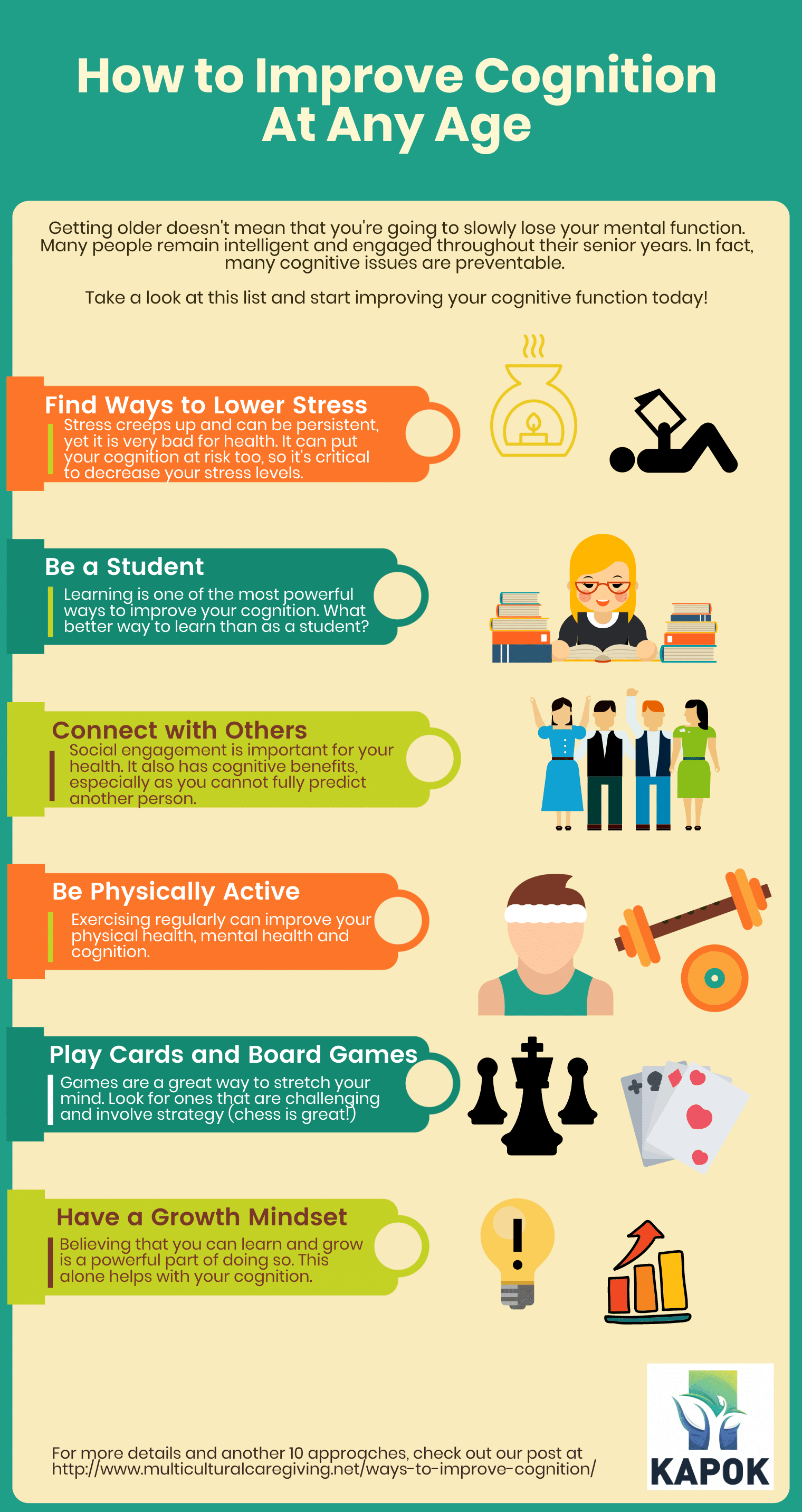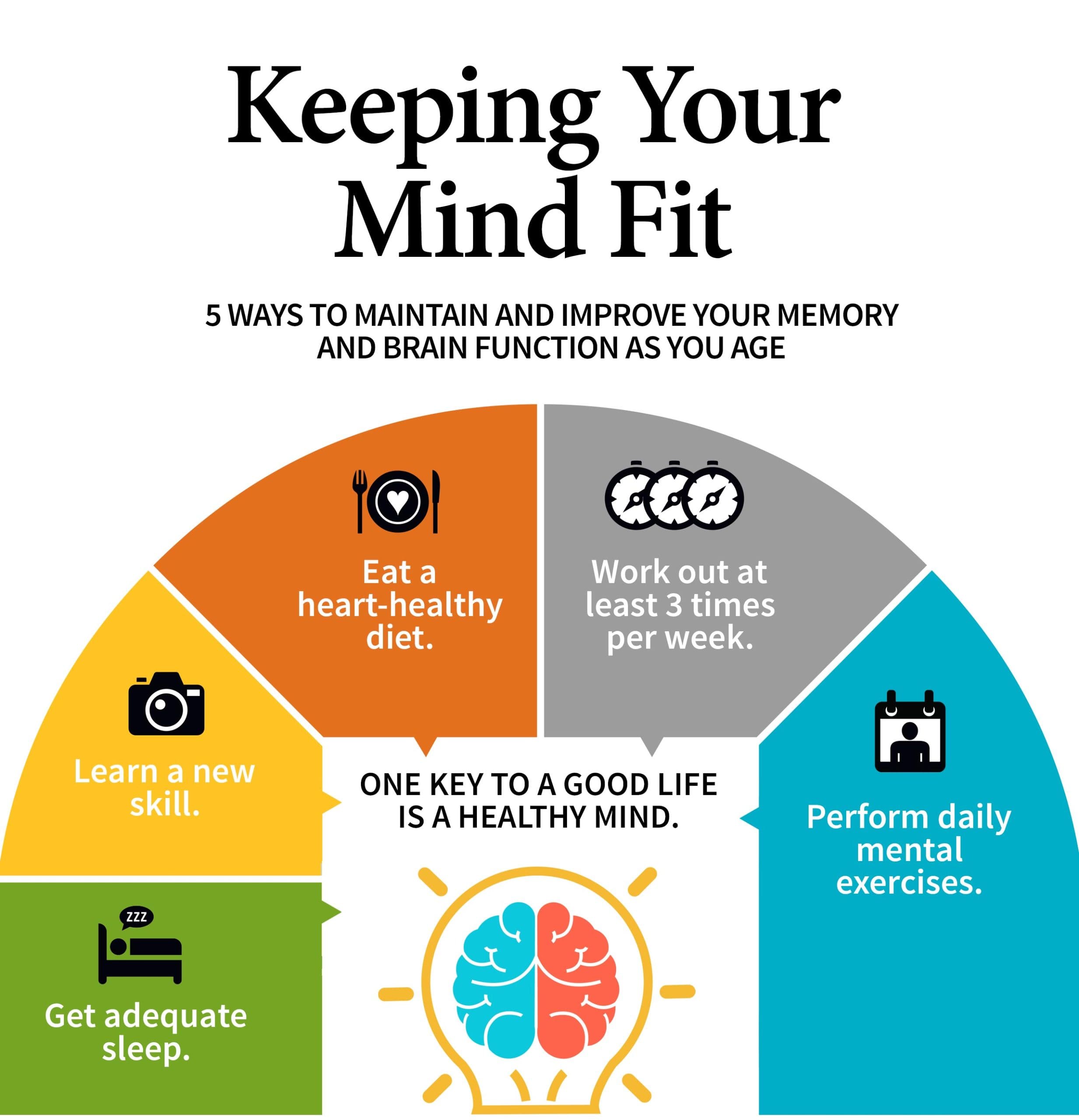
As you age, it is natural to want to maintain sharp cognitive function and a strong memory. The good news is, there are plenty of ways to proactively improve these areas as you navigate through the years. From engaging in regular exercise to embracing a healthy diet rich in brain-boosting foods, this article will explore the top strategies to enhance your cognitive function and memory. So, if you’re ready to keep your mind sharp and vibrant, let’s dive into the best ways to optimize your brain health as you age.
Exercise Regularly
Aerobic Exercise
One of the top ways to improve cognitive function and memory as you age is by engaging in regular aerobic exercise. Aerobic exercise gets your heart rate up and increases blood flow to the brain, which can enhance cognitive abilities. Activities like walking, jogging, swimming, or cycling are great options for aerobic exercise. Aim for at least 150 minutes of moderate-intensity aerobic exercise per week, or 75 minutes of vigorous-intensity aerobic exercise.
Strength Training
In addition to aerobic exercise, incorporating strength training into your routine is essential for maintaining cognitive function and memory as you age. Strength training helps to build and preserve muscle mass, which is important for overall brain health. It also improves coordination and balance, reducing the risk of falls and injuries. Exercises like weightlifting, resistance band workouts, or bodyweight exercises can all be beneficial for strength training. Aim to include strength training exercises at least two times per week, targeting all major muscle groups.
Yoga and Meditation
Another way to improve cognitive function and memory is by practicing yoga and meditation. These activities promote relaxation, reduce stress, and improve focus and concentration. Yoga combines gentle movements with breath control, promoting mindfulness and overall well-being. Meditation, on the other hand, involves quieting the mind and focusing on the present moment. Regular practice of yoga and meditation can enhance cognitive abilities, reduce anxiety and depression, and improve memory.
Maintain a Healthy Diet
Include Antioxidant-Rich Foods
A healthy diet is crucial for maintaining cognitive function and memory. Including antioxidant-rich foods in your diet can help protect your brain from oxidative stress and prevent age-related cognitive decline. Foods like berries, dark chocolate, nuts, and leafy green vegetables are all excellent sources of antioxidants. Try to incorporate these foods into your daily meals to boost brain health.
Consume Omega-3 Fatty Acids
Omega-3 fatty acids are essential for brain health and can improve cognitive function and memory. Foods rich in omega-3 fatty acids, such as fatty fish (salmon, mackerel, sardines), walnuts, flaxseeds, and chia seeds, should be included in your diet. If you don’t consume enough omega-3 fatty acids through your diet, you can also consider taking fish oil supplements.
Stay Hydrated
Staying hydrated is important for overall health and can also benefit your cognitive function and memory. Dehydration can lead to cognitive impairment, difficulty concentrating, and memory problems. Aim to drink at least eight glasses (64 ounces) of water per day, and more if you are physically active or in hot weather. Stay hydrated throughout the day to keep your brain functioning optimally.
Limit Sugar and Processed Foods
Eating a diet high in sugar and processed foods can negatively impact cognitive function and memory. These foods can lead to inflammation in the body, including the brain, which can impair cognitive abilities. Limit your intake of sugary drinks, candies, pastries, and processed snacks. Instead, opt for whole foods like fruits, vegetables, lean proteins, and whole grains, which provide essential nutrients for brain health.
Get Sufficient Sleep
Establish a Consistent Sleep Schedule
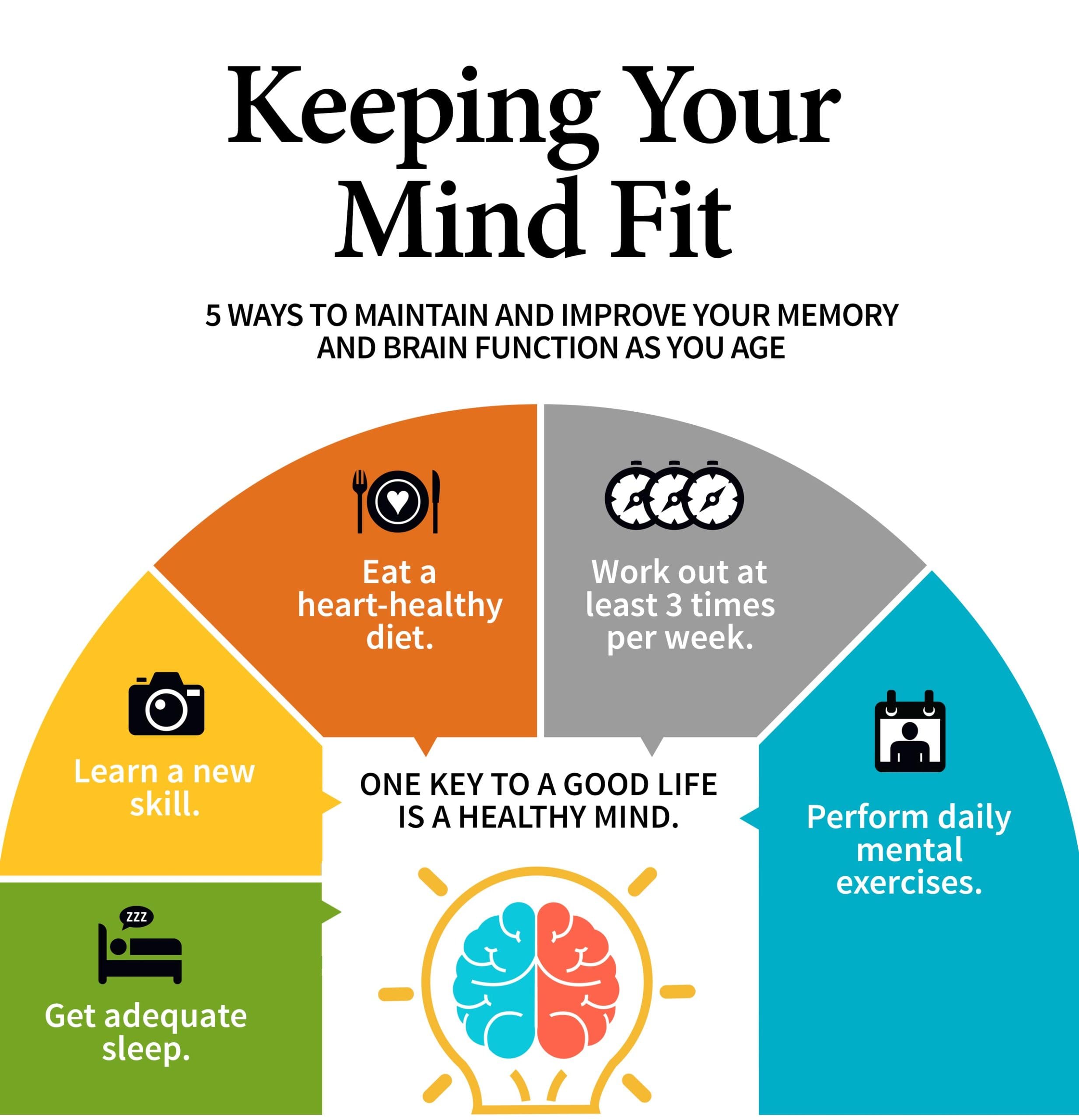
Getting sufficient sleep is vital for improving cognitive function and memory. Establishing a consistent sleep schedule helps regulate your body’s internal clock and ensures that you get the recommended amount of sleep each night. Aim for seven to nine hours of quality sleep for optimal brain health. Try to go to bed and wake up at the same time every day, even on weekends.
Create a Relaxing Bedtime Routine
Creating a relaxing bedtime routine can help signal to your body that it’s time to wind down and prepare for sleep. Engage in calming activities before bed, such as reading a book, taking a warm bath, or practicing relaxation techniques like deep breathing or meditation. Avoid stimulating activities or electronic devices that emit blue light, as they can interfere with your sleep quality.
Avoid Stimulants Before Bed
Avoiding stimulants like caffeine, nicotine, and alcohol in the evening can help improve sleep quality and enhance cognitive function and memory. These substances can interfere with your ability to fall asleep or stay asleep. Opt for herbal teas or decaffeinated beverages instead of caffeinated ones, and if you smoke, try to avoid smoking close to bedtime. You’ll notice a significant improvement in your sleep quality and overall brain health.
Create a Comfortable Sleep Environment
Creating a comfortable sleep environment is essential for getting quality sleep and improving cognitive function and memory. Make sure your bedroom is quiet, dark, and at a comfortable temperature. Invest in a comfortable mattress and pillows that support your body and help you maintain proper sleep posture. Consider using blackout curtains or a white noise machine to minimize distractions and promote better sleep.
Stay Mentally Active
Engage in Brain-Boosting Activities
Staying mentally active is crucial for maintaining cognitive function and memory as you age. Engage in activities that challenge your brain and stimulate different areas of cognition. Crossword puzzles, Sudoku, jigsaw puzzles, and brain games are excellent options. These activities improve memory, problem-solving skills, and overall cognitive function.
Learn New Skills or Hobbies
Continuously learning new skills or picking up new hobbies can have a significant impact on cognitive function and memory. Learning a new language, musical instrument, or engaging in activities like painting, dancing, or gardening can stretch your brain and stimulate neural connections. By challenging yourself and stepping out of your comfort zone, you can improve cognitive abilities and keep your brain sharp.
Solve Puzzles and Crosswords
Solving puzzles and crosswords is a great way to exercise your brain and boost cognitive function. These activities promote memory retention, increase focus and concentration, and enhance problem-solving skills. Set aside some time each day to challenge yourself with a puzzle or crossword, and you’ll notice improvements in your cognitive abilities over time.
Read and Write Regularly
Reading and writing regularly is an excellent way to improve cognitive function and memory. Reading stimulates the brain, improves vocabulary, and enhances comprehension skills. Whether it’s fiction, non-fiction, or articles, make time to read every day. Similarly, writing, whether it’s journaling, blogging, or creative writing, helps to organize thoughts, improve memory, and sharpen cognitive abilities.
Manage Stress Levels
Practice Stress-Relief Techniques
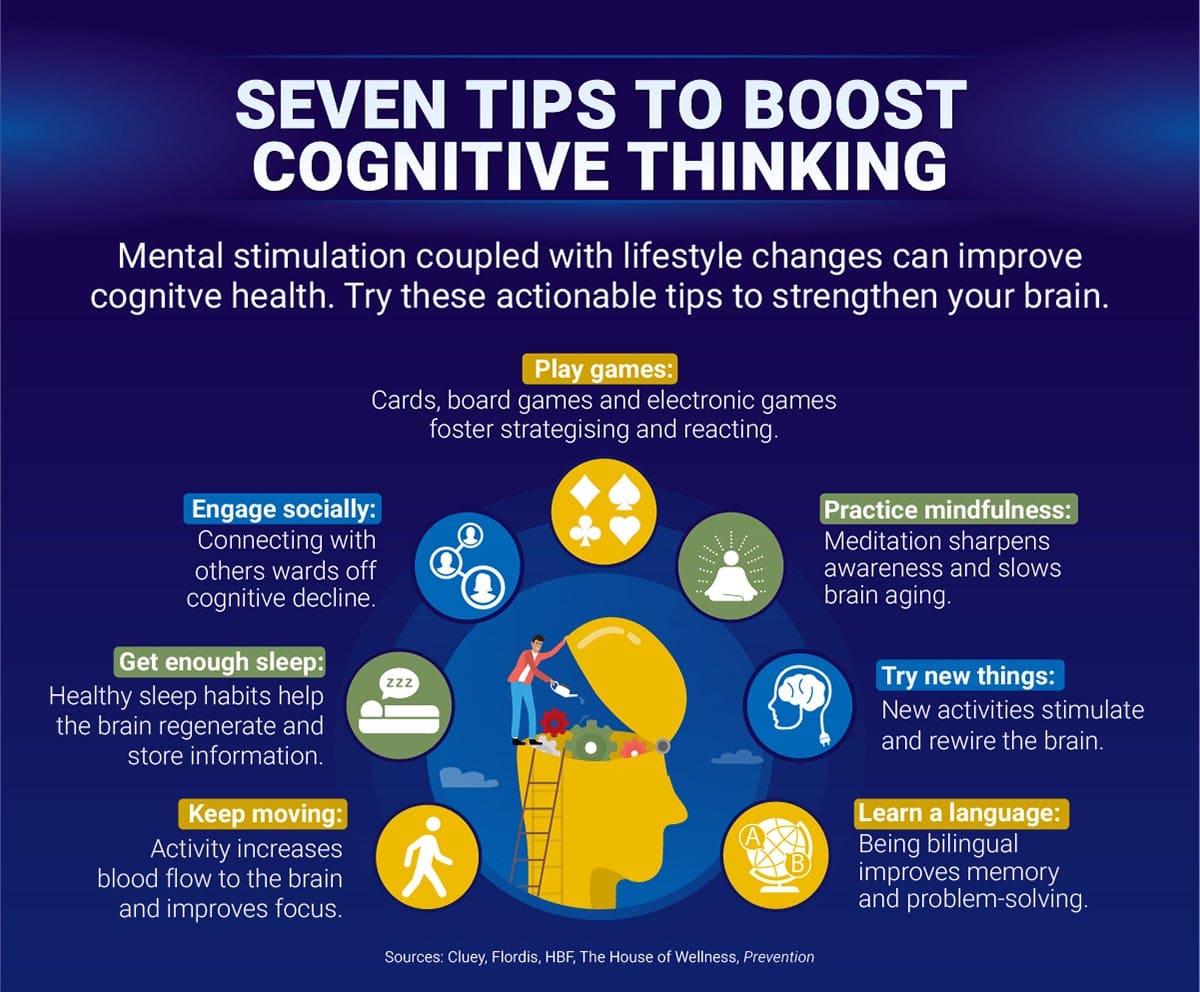
Managing stress is crucial for maintaining cognitive function and memory. Chronic stress can lead to memory problems, difficulty concentrating, and cognitive decline. Engage in stress-relief techniques like deep breathing exercises, progressive muscle relaxation, or guided imagery. These techniques help calm the mind, reduce stress hormones, and improve overall brain health.
Engage in Relaxation Exercises
In addition to stress-relief techniques, engaging in relaxation exercises can also improve cognitive function and memory. Activities like yoga, tai chi, and deep stretching help relax the body and promote mental well-being. These exercises reduce stress, improve focus, and boost memory retention. Incorporate these exercises into your daily routine to alleviate stress and promote better brain health.
Practice Mindfulness and Deep Breathing
Practicing mindfulness and deep breathing exercises is an effective way to manage stress levels and improve cognitive function. Mindfulness involves being fully present in the moment, non-judgmentally, and can reduce anxiety and stress. Deep breathing exercises, such as diaphragmatic breathing or box breathing, activate the body’s relaxation response and enhance cognitive abilities. Practice mindfulness and deep breathing regularly to improve your brain health.
Socialize and Stay Connected
Maintain Strong Social Relationships
Maintaining strong social relationships is essential for overall well-being and cognitive function. Engaging in regular social interactions stimulates the brain and prevents cognitive decline. Make an effort to spend time with friends and family, whether it’s through phone calls, video chats, or in-person meetings. Socializing not only improves cognitive abilities but also provides emotional support and enhances overall life satisfaction.
Participate in Group Activities
Participating in group activities can improve cognitive function and memory by promoting social engagement and mental stimulation. Joining clubs, community organizations, or participating in group classes or hobbies allows you to interact with others while challenging your brain. Whether it’s a book club, a dance class, or a volunteer group, engaging in group activities can have a positive impact on cognitive health.
Volunteer and Give Back to the Community
Volunteering and giving back to the community not only benefits others but also improves cognitive function and memory. Engaging in meaningful activities and helping others stimulates the brain and provides a sense of purpose. Volunteer at a local charity, mentor a younger individual, or participate in community service projects. By staying connected and contributing to society, you can boost cognitive abilities and lead a more fulfilling life.
Manage Chronic Conditions
Control Hypertension
Managing chronic conditions like hypertension is crucial for maintaining cognitive function and memory. High blood pressure can damage blood vessels and impair brain function, leading to cognitive decline. Follow your healthcare provider’s recommendations for managing hypertension, which may include lifestyle changes, medication, or a combination of both. By controlling hypertension, you can protect your brain health and maintain cognitive abilities.
Manage Diabetes
Diabetes can also impact cognitive function and memory if not properly managed. High blood sugar levels can damage blood vessels and nerves, affecting brain function. Take steps to manage your diabetes through lifestyle modifications, medication, and regular monitoring of blood glucose levels. By controlling diabetes, you can reduce the risk of cognitive decline and improve memory retention.
Treat Depression and Anxiety
Depression and anxiety can significantly impact cognitive function and memory. If you’re experiencing symptoms of depression or anxiety, seek professional help. Therapy, medication, or a combination of both may be recommended to manage these conditions effectively. By addressing and treating depression and anxiety, you can enhance cognitive abilities and improve overall brain health.
Monitor Thyroid Function
Thyroid function plays a crucial role in cognitive function and memory. Both an underactive and overactive thyroid can negatively impact brain health. If you suspect any thyroid abnormalities, consult with your healthcare provider and get the necessary tests done. Monitoring your thyroid function and following your healthcare provider’s recommendations can help maintain cognitive function and memory as you age.
Limit Alcohol Consumption
Moderation is Key
Limiting alcohol consumption is essential for maintaining cognitive function and memory. While moderate alcohol consumption may have some health benefits, excessive drinking can lead to cognitive decline and memory problems. Moderation is key when it comes to alcohol. Stick to the recommended guidelines and consume alcohol in moderation.
Follow Recommended Guidelines
To maintain cognitive function and memory, it’s important to follow the recommended guidelines for alcohol consumption. According to the Centers for Disease Control and Prevention (CDC), moderate drinking is defined as up to one drink per day for women and up to two drinks per day for men. Consistently exceeding these limits can have detrimental effects on brain health.
Avoid Binge Drinking
Binge drinking, which is defined as consuming a large amount of alcohol in a short period, can have severe negative consequences on cognitive function and memory. Avoid engaging in binge drinking, as it can lead to memory impairments, brain damage, and other health problems. Practice moderation and be mindful of your alcohol consumption to protect your brain health as you age.
Quit Smoking
Seek Professional Help
Quitting smoking is crucial for improving cognitive function and memory. Smoking damages blood vessels, reduces blood flow to the brain, and increases the risk of stroke and dementia. If you’re a smoker, seek professional help to quit smoking. Your healthcare provider can provide guidance, medications, or refer you to smoking cessation programs. Quitting smoking will not only benefit your brain health but also improve your overall well-being.
Explore Nicotine Replacement Therapies
Nicotine replacement therapies (NRTs) can aid in smoking cessation and improve cognitive function and memory. NRTs like nicotine patches, gum, lozenges, nasal sprays, or prescription medications can help reduce withdrawal symptoms and cravings. Consult with your healthcare provider to determine the most suitable NRT for you and increase your chances of successfully quitting smoking.
Join Support Groups
Joining support groups can provide additional assistance and improve the likelihood of successfully quitting smoking. Support groups offer a sense of community, understanding, and accountability. Connect with individuals who are also on their journey to quit smoking, share experiences, and learn from each other. By quitting smoking, you can protect your brain health and reduce the risk of cognitive decline.
Challenge Your Brain
Play Brain Games and Apps
Playing brain games and using brain training apps can be an effective way to improve cognitive function and memory. There are numerous apps and online platforms specifically designed to challenge different aspects of cognition, such as memory, attention, problem-solving, and processing speed. Dedicate some time each day to engage in these brain games and apps to keep your mind sharp and enhance cognitive abilities.
Complete Crossword and Sudoku Puzzles
Crossword puzzles and Sudoku are classic brain activities that can improve cognitive function and memory. These puzzles challenge your problem-solving skills, memory retention, and overall cognitive abilities. Set aside time each day to complete a crossword or Sudoku puzzle and reap the benefits of improved brain health.
Learn a New Language or Musical Instrument
Learning a new language or musical instrument is an excellent way to challenge your brain and enhance cognitive function and memory. Both activities stimulate different areas of the brain, improving memory, attention, and problem-solving skills. Enroll in language classes or hire a tutor to learn a new language. Alternatively, take up music lessons or practice with online tutorials to learn a musical instrument. By challenging yourself and learning something new, you can keep your brain active and maintain cognitive abilities as you age.
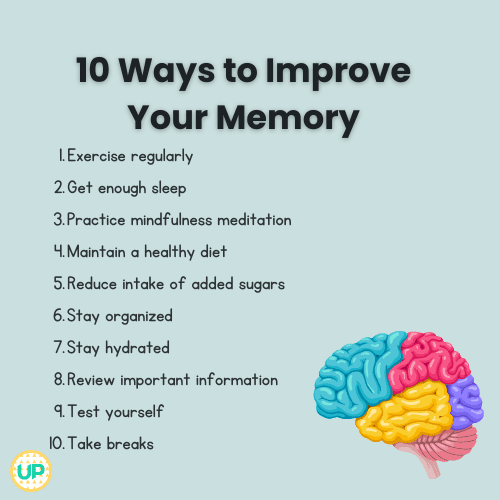
In conclusion, there are several effective ways to improve cognitive function and memory as you age. Regular exercise, maintaining a healthy diet, getting sufficient sleep, staying mentally active, managing stress, socializing, and challenging your brain are all essential aspects of maintaining optimal brain health. By incorporating these lifestyle modifications into your daily routine, you can enhance cognitive abilities, improve memory retention, and enjoy a higher quality of life as you age. Remember, small changes can make a significant impact on your brain health, so start implementing these strategies today to support your cognitive well-being.