
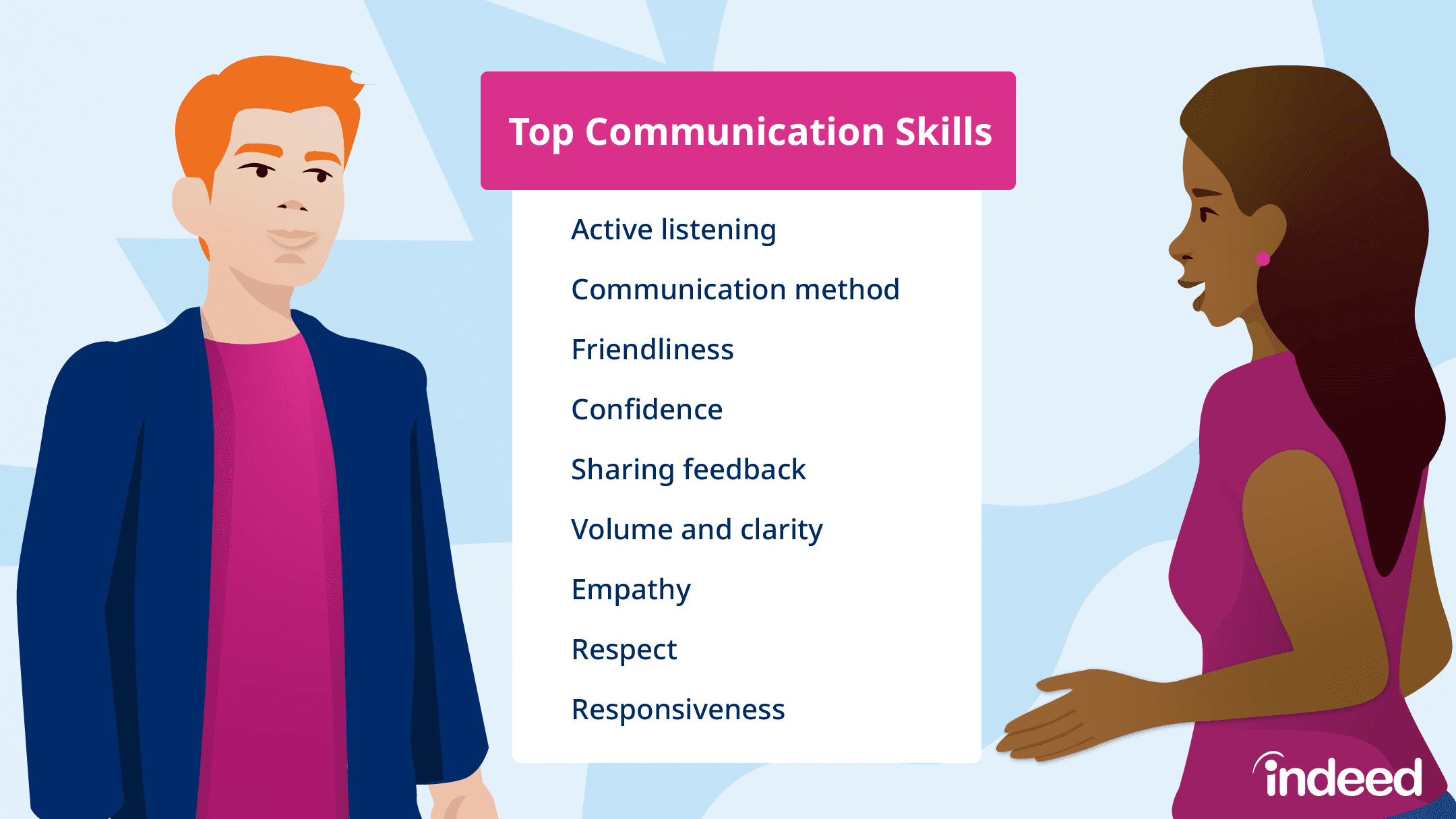
In “Improving Women’s Communication Skills for Emotional Well-being,” discover how enhancing your communication skills can positively impact your emotional well-being. This insightful article explores the various ways in which effective communication can lead to better understanding, deeper connections, and increased self-expression for women. Whether it’s expressing your emotions, handling conflicts, or building healthier relationships, mastering the art of communication can be a transformative experience. Learn valuable tips and techniques that will empower you to navigate your personal and professional interactions with confidence and grace.
Recognizing and expressing emotions
Identifying and labeling emotions
Recognizing and understanding your emotions is a crucial step in improving your communication skills and enhancing your emotional well-being. Take the time to pay attention to how you feel and identify your emotions. Are you feeling happy, sad, angry, or anxious? Once you can accurately label your emotions, you can better express them to others. This self-awareness not only enables you to communicate your feelings effectively but also helps you navigate through challenging situations with clarity and confidence.
Expressing emotions in a healthy manner
Expressing your emotions in a healthy and constructive way is vital for maintaining healthy relationships and achieving emotional well-being. It’s important to find the right balance in expressing yourself without suppressing your feelings or becoming overly aggressive. Practice open and honest communication, using “I” statements to express your thoughts and emotions. This approach allows you to take ownership of your feelings without blaming others. Additionally, active listening skills (which we’ll discuss later) go hand in hand with expressing emotions effectively, as it fosters understanding and empathy between individuals.
Using effective non-verbal communication
Non-verbal communication plays a significant role in conveying emotions. Pay attention to your body language, facial expressions, tone of voice, and gestures when communicating with others. These non-verbal cues can often carry more emotional weight than words alone and can heavily influence how your message is received. By being mindful of your non-verbal communication, you can ensure that your emotions are accurately conveyed while also being more attuned to the non-verbal cues of others, fostering better understanding and empathy in your interactions.
Active listening skills
Showing empathy and understanding
Active listening involves more than just hearing someone’s words; it involves showing empathy and understanding towards the speaker. Practice putting yourself in the speaker’s shoes and try to truly grasp their perspective. Empathy allows you to connect with others on a deeper level and creates a safe space where they feel comfortable expressing their emotions. Show genuine interest in what the speaker is saying, and give them your undivided attention. By actively listening and being empathetic, you can create stronger connections and build healthier relationships.
Giving full attention to the speaker
In today’s fast-paced world, it’s easy to get distracted when someone is speaking to you. However, giving your full attention to the speaker is crucial for effective communication. Put away electronic devices, maintain eye contact, and eliminate any external distractions. By giving your full attention, you are sending the message that the speaker’s words and emotions matter to you. This fosters trust and respect, creating an environment where open and honest communication can thrive.
Asking clarifying questions
Asking clarifying questions is an essential part of active listening. It demonstrates your genuine interest in understanding the speaker’s thoughts and feelings more deeply. When someone shares their emotions or experiences, paraphrase what they have said and ask if you understood correctly. This not only helps prevent misunderstandings but also shows the speaker that you value their perspective. By asking clarifying questions, you encourage open dialogue and create space for clear and effective communication.
Assertiveness techniques
Understanding assertiveness
Assertiveness is a crucial communication skill that allows you to express your thoughts and feelings clearly, while also respecting the rights and boundaries of others. It involves finding the right balance between being passive and aggressive. Being assertive means speaking up for yourself, sharing your opinion without belittling others, and standing up for your rights. Assertiveness empowers you to communicate your needs effectively and maintain healthy boundaries in your relationships.
Expressing thoughts and feelings clearly
When practicing assertiveness, it’s important to express your thoughts and feelings clearly. Use “I” statements to convey your perspective, such as “I feel” or “I think.” This helps avoid sounding accusatory or placing blame on others, promoting open dialogue rather than defensiveness. Clearly articulating your thoughts and emotions allows others to understand you better and fosters a healthy and respectful exchange of ideas.
Setting personal boundaries
Assertiveness also involves setting and maintaining personal boundaries. Boundaries are limits we set to protect our physical, emotional, and mental well-being. It’s essential to communicate your boundaries clearly and kindly to others. This helps ensure that your needs are met while also demonstrating respect for the boundaries set by others. By maintaining healthy boundaries, you cultivate healthier relationships and reduce the likelihood of conflicts arising.
Effective conflict resolution
Understanding different conflict resolution styles
Conflict is a natural part of any relationship, and understanding different conflict resolution styles can help facilitate healthy resolution. Some individuals may prefer avoiding conflict, while others may tend to be more confrontational. By identifying your own conflict resolution style and recognizing the styles of those around you, you can navigate conflicts with greater insight and adaptability. Strive for a collaborative approach, seeking mutually beneficial solutions that address the needs and emotions of all parties involved.
Showing respect and avoiding blame
When conflicts arise, it’s crucial to approach them with respect and empathy. Avoid blaming others or attacking their character. Instead, focus on the specific issue at hand and your own feelings and needs. Use active listening skills to understand the perspective of the other person and express your thoughts and emotions in a non-confrontational manner. Showing respect, even in challenging situations, allows for a more constructive and positive dialogue, fostering deeper understanding and resolution.
Finding common ground and seeking compromise
In conflict resolution, finding common ground and seeking compromise is key. Look for shared interests or values that can serve as a foundation for finding mutually agreeable solutions. Sometimes, this may require exploring alternative perspectives and being open to new ideas. Collaborating and compromising with others cultivates a sense of teamwork and respect, contributing to healthier relationships and more effective communication.
Building and maintaining healthy relationships
Developing trust and openness
Trust and openness are essential ingredients for healthy relationships. These qualities create an environment where individuals feel safe to express their emotions and thoughts honestly. Building trust takes time and consistency. Be reliable and follow through on your commitments, respect others’ boundaries, and be open and honest in your communication. By nurturing trust and fostering openness, you promote stronger connections and create a foundation for meaningful and fulfilling relationships.
Improving non-verbal cues
Non-verbal cues are powerful tools for building and maintaining healthy relationships. Pay attention to your body language and facial expressions when interacting with others. Maintaining eye contact, offering a warm smile, and mirroring positive body language can help convey attentiveness, empathy, and openness. Being mindful of non-verbal cues, both in yourself and in others, enables clearer understanding and reinforces positive communication dynamics.
Improving communication in intimate relationships
Intimate relationships often require an extra level of communication skills. Open and honest communication is crucial for deepening emotional connections and resolving conflicts. Foster an environment of trust, where both partners feel comfortable expressing their thoughts, emotions, and needs. Practice active listening, empathy, and effective non-verbal communication to ensure mutual understanding and strengthen the emotional bond between you and your partner.
Overcoming communication barriers
Recognizing and addressing gender stereotypes
Gender stereotypes can significantly impact communication, creating barriers that hinder genuine connection and understanding. Recognize and challenge these stereotypes to create a more inclusive and equitable communication environment. Avoid assuming gender roles and expectations, and appreciate the diversity of perspectives and experiences that individuals bring to the conversation. By promoting gender equality in communication, you foster an atmosphere of respect and mutual support.
Addressing communication role-modeling
The communication patterns we observe and learn from our role models influence our own communication style. Be mindful of the communication habits you have picked up from your family, friends, or society. Reflect on whether these habits serve you well or if they contribute to barriers in your communication. Seek healthy role models and learn from their effective communication strategies, encouraging positive change in your own communication behaviors.
Overcoming the fear of speaking up
Fear of speaking up is a common barrier to effective communication, particularly for women. This fear can stem from a fear of judgment, rejection, or not being taken seriously. Building confidence in your own voice and value is essential. Practice expressing your thoughts and feelings in safe environments, such as with understanding friends or supportive groups. Remember that your thoughts and emotions are valid and valuable, and by overcoming the fear of speaking up, you empower yourself to have your voice heard and contribute to meaningful discussions.
Cultivating self-awareness and self-care
Recognizing personal triggers and vulnerabilities
Cultivating self-awareness involves recognizing your personal triggers and vulnerabilities. What situations or topics make you feel particularly emotional or uncomfortable? Understanding these triggers allows you to manage your emotions and respond more thoughtfully in challenging situations. Reflect on your vulnerabilities, as well, and take steps to nurture your emotional well-being. By being self-aware, you can communicate more effectively and create healthier boundaries.
Practicing self-compassion and self-love
Self-compassion and self-love are essential components of emotional well-being and effective communication. Treat yourself with kindness and understanding, acknowledging that everyone makes mistakes and experiences imperfections. Practice self-care routines that nurture your emotional health, such as engaging in activities you enjoy, seeking support from loved ones, or practicing mindfulness and meditation. By fostering self-compassion and self-love, you cultivate a positive mindset that extends to your communication with others.
Embracing personal growth and seeking support
Personal growth and seeking support are fundamental aspects of improving your communication skills and emotional well-being. Embrace opportunities for self-improvement, such as attending communication workshops, reading books on effective communication, or seeking guidance from mentors or therapists. Don’t hesitate to reach out and ask for support when needed. Surround yourself with individuals who uplift and encourage your growth, fostering a supportive environment where you can continuously develop your communication skills.
Effective communication in the workplace
Assertive communication with colleagues and superiors
Effective communication in the workplace involves assertiveness, especially when interacting with colleagues and superiors. Clearly express your ideas, suggestions, and concerns while maintaining respect and professionalism. Practice active listening and seek to understand different perspectives before responding. By mastering assertive communication, you can navigate workplace dynamics more effectively, build stronger relationships with colleagues, and contribute to a positive work environment.
Navigating workplace conflicts and negotiations
Conflict and negotiations are common in the workplace, but effective communication can help navigate these situations more smoothly. Active listening, empathy, and respect are crucial when addressing conflicts with colleagues or engaging in negotiations. Seek common ground, focus on shared goals, and explore win-win solutions that benefit everyone involved. By approaching conflicts and negotiations with effective communication strategies, you promote a harmonious and productive work environment.
Developing leadership communication skills
Leadership communication skills are vital for those aspiring to leadership roles or seeking to enhance their leadership capabilities. Effective leaders inspire trust, communicate vision and expectations clearly, and foster a positive and inclusive work culture. Practice active listening, adaptability, and emotional intelligence to connect with team members and effectively convey your ideas. Developing leadership communication skills empowers you to lead with impact and create an environment conducive to personal and professional growth.
Developing emotional intelligence
Recognizing and managing emotions
Emotional intelligence refers to the ability to recognize and manage both your own emotions and the emotions of others. By developing emotional intelligence, you can navigate complex social situations with greater empathy and understanding. Recognize and label your emotions accurately, understanding their impact on your thoughts and behaviors. Practice emotional regulation techniques to manage intense emotions and prevent impulsive reactions. Developing emotional intelligence enhances your communication skills and promotes healthier relationships.
Building empathy and understanding
Empathy is a fundamental aspect of emotional intelligence, enabling you to understand and share the feelings of others. Cultivate empathy by actively listening, seeking to understand different perspectives, and validating the emotions of those around you. Practice perspective-taking and put yourself in the shoes of others to gain deeper insights and foster compassion. By building empathy and understanding, you create a more inclusive and empathetic communication environment.
Developing self-awareness and emotional regulation
Self-awareness and emotional regulation are key components of emotional intelligence. Pay attention to your own emotions and their triggers, recognizing how they influence your thoughts and behaviors. Practice self-reflection and self-care to nurture your emotional well-being. Develop techniques to regulate and manage your emotions, such as deep breathing exercises, mindfulness practices, or journaling. By developing self-awareness and emotional regulation, you enhance your communication skills and build stronger connections with others.
Seeking professional help
Finding therapists and counselors
If you feel overwhelmed or struggling with your communication skills and emotional well-being, seeking professional help can be immensely beneficial. Therapists and counselors specialize in helping individuals navigate through emotional challenges and develop effective communication strategies. Research reputable therapists or counselors in your area or seek recommendations from trusted sources. Take the courageous step of reaching out for professional support to enhance your communication skills and overall emotional well-being.
Participating in communication workshops
Participating in communication workshops can offer valuable insights and tools to improve your communication skills. Look for workshops that focus on active listening, assertiveness, conflict resolution, or emotional intelligence. These workshops often provide a safe and supportive environment for practicing new communication techniques. Engaging in communication workshops allows you to learn from experts and develop practical skills that can significantly enhance your interpersonal relationships and emotional well-being.
Joining support groups for women
Support groups specifically catered to women can offer a unique space for personal growth and improved communication skills. These groups provide a supportive community where women can share their experiences, learn from one another, and develop effective communication strategies. Look for local or online support groups that align with your interests or specific areas of growth. By joining support groups, you gain valuable support, encouragement, and shared experiences that contribute to your overall emotional well-being and improved communication abilities.
In conclusion, improving women’s communication skills is essential for fostering emotional well-being and cultivating healthier relationships. By recognizing and expressing emotions effectively, practicing active listening, utilizing assertiveness techniques, resolving conflicts, and maintaining healthy relationships, women can enhance their communication skills in various personal and professional contexts. Overcoming communication barriers, cultivating self-awareness and self-care, developing emotional intelligence, and seeking professional help when needed all contribute to continued growth in communication skills and emotional well-being. Remember that effective communication is a lifelong journey, and with patience, practice, and support, you can continue to improve your communication skills and nurture fulfilling relationships.