
If you’ve ever experienced the ache and stiffness that follows a tough workout, you know how muscle soreness can put a damper on your exercise routine. Whether you’re a seasoned athlete or a beginner, dealing with exercise-induced muscle soreness is a common challenge. Fortunately, there are several simple yet effective strategies you can use to prevent and treat this discomfort. By implementing these tips, you’ll be well on your way to bouncing back quickly and enjoying your workouts to the fullest.

Prevention Methods
Gradually increase intensity and duration of exercise
When starting a new exercise routine or activity, it’s crucial to gradually increase the intensity and duration of your workouts. This allows your muscles to adapt to the stress and helps prevent muscle soreness. Pushing yourself too hard too quickly can lead to overexertion and increased risk of injury. Start with shorter workouts and slowly increase the time and intensity over a period of weeks or months.
Warm up properly before exercising
Before diving into your workout, it’s essential to warm up your muscles and prepare them for the upcoming physical activity. A proper warm-up session increases blood flow to the muscles, loosens joints, and raises the body’s core temperature. Engage in light cardio exercises like jogging or jumping jacks, followed by dynamic stretches that target the major muscle groups you’ll be using during your workout.
Cool down and stretch after exercising
Many people underestimate the importance of cooling down and stretching after their workouts. Cooling down gradually decreases your heart rate and allows your body to transition from exercise mode to a resting state. Follow your workout with 5-10 minutes of light exercise, such as walking or gentle stretching to help reduce muscle soreness and prevent stiffness.
Stay hydrated
Proper hydration is crucial not only for overall health but also for preventing muscle soreness. When you exercise, your body loses water through sweat, and dehydration can make muscles more susceptible to soreness. Make sure to drink plenty of fluids before, during, and after your workouts. Aim for at least 8 cups (64 ounces) of water per day, and consider sports drinks if you engage in intense or prolonged exercise.
Consume a balanced diet
A well-balanced diet plays a significant role in preventing exercise-induced muscle soreness. Ensure that you’re consuming enough nutrients, especially protein, which aids in muscle recovery. Include lean meats, fish, dairy products, legumes, and whole grains in your meals to provide your body with the necessary building blocks for repairing and rebuilding muscles. Additionally, incorporate fruits and vegetables rich in antioxidants to combat inflammation and promote overall health.
Get enough rest and sleep
Rest and sleep are crucial for allowing your body to recover from exercise-induced muscle soreness. Aim for at least 7-9 hours of quality sleep each night to facilitate muscle repair and growth. Additionally, be mindful of incorporating rest days into your exercise routine. Overtraining and not allowing your muscles enough time to recover can lead to increased muscle soreness and even injuries.
Consider using supplements
Supplements can sometimes be beneficial in preventing and reducing exercise-induced muscle soreness. However, it’s important to consult with a healthcare professional before starting any new supplements. Some supplements that are commonly suggested for muscle recovery include fish oil, turmeric, BCAAs (branched-chain amino acids), and magnesium. These supplements may help reduce inflammation and promote muscle repair, but individual results may vary. Always follow the recommended dosage and guidelines provided by the supplement manufacturer and consult a healthcare professional when in doubt.
Proper Exercise Techniques
Maintain proper form and posture
Maintaining proper form and posture during exercise is vital to prevent muscle soreness and reduce the risk of injury. Whether you’re lifting weights, running, or performing any other exercise, focus on maintaining a neutral spine, engaging the correct muscle groups, and avoiding excessive strain on joints. If you’re unsure about proper form, consider working with a qualified personal trainer who can guide you and help correct any imbalances or form issues.
Use appropriate equipment and gear
Using appropriate equipment and gear for your chosen exercise is crucial for preventing muscle soreness and injury. For activities like running, invest in a good pair of running shoes that provide adequate support and cushioning. When strength training, use proper weightlifting shoes, gloves, or belts, if necessary. Ill-fitting or improper equipment can lead to improper biomechanics and increased stress on muscles and joints, potentially leading to soreness and injury.
Avoid overexertion
Pushing yourself to the limit may seem like a noble goal, but it can also lead to excessive muscle soreness. Avoid overexertion by gradually increasing the intensity and duration of your workouts, as mentioned earlier. It’s important to listen to your body and pay attention to any pain or discomfort during exercise. If you experience sharp or intense pain, it’s a sign to dial back the intensity or take a break. Pushing through excessive pain can lead to more severe injuries and longer recovery periods.
Listen to your body
Listening to your body is essential in preventing exercise-induced muscle soreness. Pay attention to any signs of fatigue, muscle tightness, or discomfort during and after exercise. If you feel unusually fatigued or notice persistent muscle soreness that lasts beyond a few days, it may be a sign that you need to adjust your workout routine or take a break. Ignoring these signals and continuing to exercise may lead to overtraining and increased risk of injury.
Diversify your exercise routine
Engaging in a variety of exercises and workouts can help prevent muscle soreness and keep your workouts interesting. By diversifying your routine, you’re not repeatedly stressing the same muscle groups, which reduces the likelihood of overuse injuries and excessive soreness. Incorporate different types of exercises, such as strength training, cardiovascular activities, and flexibility exercises like yoga or Pilates. Cross-training also helps to improve overall fitness and balance different muscle groups, leading to a more well-rounded physique.
Pre-Exercise Preparation
Hydrate adequately
Proper hydration is crucial before engaging in any physical activity. Dehydration can lead to muscle cramps, fatigue, and increased muscle soreness. Ensure you drink enough water in the hours leading up to your workout to stay hydrated. It’s best to drink around 16-20 ounces of water two to three hours prior to exercising and an additional 8-10 ounces within 30 minutes of starting your workout.
Eat a light meal or snack
Pre-exercise nutrition is important in providing your body with the necessary fuel for optimal performance and muscle recovery. Before a workout, aim for a light meal or snack that includes carbohydrates for energy and a small amount of protein to support muscle repair. Opt for foods that are easily digestible and won’t cause discomfort during exercise. Examples of pre-workout snacks include a banana with a tablespoon of nut butter, a small Greek yogurt, or a handful of nuts and dried fruits.
Stretch and warm up
We’ve already discussed the importance of stretching and warming up as part of injury prevention, but it’s equally crucial for reducing muscle soreness. Dynamic stretching, which involves moving the muscles through their full range of motion, can help improve flexibility and increase blood flow to the muscles. Prioritize dynamic stretches that target the muscle groups you’ll be using during your workout. Aim for 5-10 minutes of dynamic stretching before your main workout.
Apply heat or cold therapy
Applying heat or cold therapy before exercise can help relax muscles and reduce the risk of muscle soreness. Heat therapy, such as using a heating pad or taking a warm shower, helps increase blood flow to the muscles, promoting relaxation and improved flexibility. Cold therapy, like applying an ice pack or taking a cold shower, can help reduce inflammation and numb pain receptors. Experiment with both heat and cold therapy to see which works best for your body and personal preference.
Post-Exercise Recovery Methods
Cool down with a low-intensity activity
Similar to the importance of a pre-workout warm-up, a post-workout cool-down is essential for reducing muscle soreness. After completing your workout, engage in 5-10 minutes of low-intensity aerobic activity, such as walking or slow cycling. This gradually lowers your heart rate, allowing your body to recover and return to a resting state. Cooling down helps prevent blood pooling in the extremities, which can contribute to muscle soreness and lightheadedness.
Stretch major muscle groups
After your cool-down activity, take a few minutes to stretch the major muscle groups you targeted during your workout. Hold each stretch for 15-30 seconds, without bouncing or forcing the stretch. Focus on targeting the calves, quadriceps, hamstrings, glutes, chest, shoulders, and back. This post-workout stretching routine promotes muscle lengthening, prevents muscular imbalances, and aids in reducing muscle soreness.
Use ice or heat therapy
In addition to pre-workout therapy, applying ice or heat to sore muscles post-workout can help alleviate muscle soreness. Ice therapy reduces inflammation and can be particularly effective if you experienced any acute injuries during your workout. Apply an ice pack or ice wrap to the affected area for 15-20 minutes, allowing the skin to cool but taking care not to cause frostbite. Heat therapy, such as using a heating pad or hot towel, can help relax muscles and increase blood flow, promoting better recovery.
Massage sore muscles
Massage therapy is an excellent way to relieve muscle soreness and tension after exercise. Gentle massage techniques, such as effleurage and petrissage, help increase blood flow, release tension, and reduce muscle soreness. You can opt for a professional massage, self-massage using your hands or a foam roller, or even use massage tools like tennis balls or massage sticks to target specific areas. Spend a few minutes massaging the muscles that feel particularly sore or tight.
Take a contrast bath or shower
Contrast baths or showers involve alternating between hot and cold water therapy and can be highly beneficial in reducing muscle soreness. This therapy helps promote blood flow, reduces inflammation, and provides a soothing sensation to the muscles. Start with 3-4 minutes of hot water and then switch to cold water for 1 minute. Repeat the cycle 3-4 times, always ending with cold water. This contrast therapy can be especially effective for larger muscle groups like the legs and glutes.

Nutrition for Muscle Recovery
Consume protein-rich foods
Protein is an essential nutrient for repairing and building muscle tissue, making it crucial for muscle recovery. Incorporate protein-rich foods into your post-workout meals and snacks to aid in reducing muscle soreness. Examples of protein-rich foods include lean meats, poultry, fish, eggs, dairy products, legumes, tofu, and tempeh. Aim for 20-30 grams of protein after your workout, and consider consuming a mix of complete and incomplete protein sources for optimal muscle recovery.
Include anti-inflammatory foods in your diet
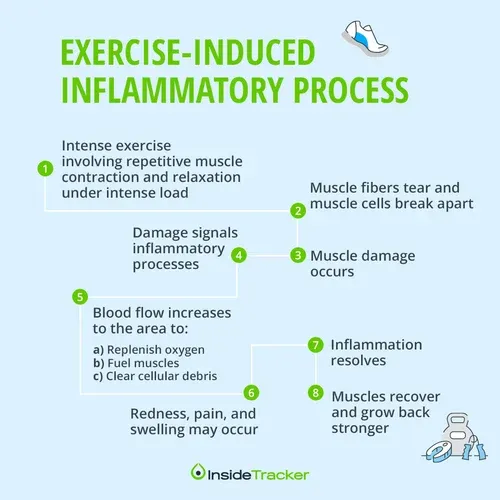
Inflammation is a natural response to exercise-induced muscle damage, but chronic inflammation can contribute to prolonged muscle soreness. Including anti-inflammatory foods in your diet can help reduce inflammation and promote muscle recovery. Foods rich in omega-3 fatty acids, such as fatty fish, walnuts, and flaxseeds, have potent anti-inflammatory properties. Additionally, incorporating fruits and vegetables high in antioxidants, such as berries, leafy greens, and sweet potatoes, can help combat oxidative stress and inflammation.
Stay adequately hydrated
We’ve already emphasized the importance of hydration during exercise, but maintaining proper hydration throughout the day is equally essential for muscle recovery. Hydration helps carry nutrients to the muscles and removes metabolic waste products. Aim to drink water consistently throughout the day to stay well-hydrated. Monitor the color of your urine, as pale yellow or clear urine indicates adequate hydration, while darker urine may be a sign of dehydration.
Consider nutritional supplements
Certain nutritional supplements can be beneficial in promoting muscle recovery and reducing exercise-induced muscle soreness. Branched-chain amino acids (BCAAs) are often touted for their ability to reduce muscle damage and soreness. These amino acids, including leucine, isoleucine, and valine, are found in protein-rich foods but can also be taken as a supplement. Additionally, omega-3 fatty acid supplements, such as fish oil, have anti-inflammatory properties that can aid in reducing muscle soreness. Consult a healthcare professional or registered dietitian before starting any new supplements to ensure they are safe and suitable for you.
Over-the-Counter Pain Relief
Use non-steroidal anti-inflammatory drugs (NSAIDs)
Non-steroidal anti-inflammatory drugs (NSAIDs) like ibuprofen and naproxen sodium can be effective in reducing exercise-induced muscle soreness. These over-the-counter medications help reduce pain and inflammation, allowing for faster recovery. However, it’s important to use NSAIDs sparingly, as long-term or excessive use can have adverse effects on the digestive system. Follow the recommended dosage instructions and consult a healthcare professional if you have any pre-existing medical conditions or are taking other medications.
Apply topical analgesics or creams
Topical analgesics, such as creams, gels, or sprays, can provide temporary relief from muscle soreness. These products often contain counterirritants like menthol, camphor, or capsaicin that create a cooling or heating sensation on the skin, distracting from the underlying pain. Apply the product directly to the sore muscles and massage it in gently. Take care to avoid broken or irritated skin, and follow the instructions on the product packaging for the recommended frequency of use.
Try pain-relieving patches or wraps
Pain-relieving patches or wraps can provide localized relief to sore muscles and joints. These patches typically contain ingredients like menthol or lidocaine that numb the area and provide temporary pain relief. Simply apply the patch or wrap to the affected area and leave it on for the recommended duration. These products are convenient for targeting specific areas of muscle soreness and can be used in conjunction with other pain relief methods.
Physical Therapies
Seek professional advice from a physical therapist
If you’re dealing with persistent or severe exercise-induced muscle soreness, seeking advice from a physical therapist can be highly beneficial. Physical therapists are experts in understanding the musculoskeletal system and can provide personalized guidance and treatment plans. They can assess your movement patterns, identify any muscle imbalances or weaknesses, and recommend specific exercises or techniques to address the soreness and prevent future issues. A physical therapist may also incorporate other therapies like ultrasound or electrical stimulation into your treatment plan.
Try techniques like ultrasound therapy
Ultrasound therapy is a non-invasive treatment that uses sound waves to help reduce muscle soreness and promote healing. During an ultrasound session, a physical therapist will apply a gel to the affected area and move a small wand-like device over the skin. The device emits high-frequency sound waves that penetrate deep into the tissues, increasing blood flow and promoting tissue repair. Ultrasound therapy can be particularly effective for chronic muscle soreness and is often combined with other physical therapy techniques.
Consider massage therapy
Massage therapy is a well-known and effective technique for reducing muscle soreness and promoting relaxation. A professional massage therapist uses various techniques like kneading, tapping, and applying pressure to target specific muscles or muscle groups. Massage helps increase blood flow to the muscles, reduces muscle tension, and promotes the release of endorphins, which are natural painkillers. Schedule regular massages, and communicate with the massage therapist about your specific areas of soreness for a more customized and effective treatment.
Explore acupuncture or dry needling
Acupuncture and dry needling are alternative therapies that involve the insertion of thin needles into specific points on the body. Although they differ in theory and approach, both techniques aim to reduce muscle tension, improve blood flow, and stimulate the body’s natural healing response. Acupuncture follows traditional Chinese medicine principles, while dry needling focuses on trigger points within the muscles. While the evidence is mixed, some individuals have reported relief from exercise-induced muscle soreness with these therapies. Always consult a certified and experienced practitioner before trying acupuncture or dry needling.
Rest and Recovery
Take scheduled rest days
Rest days are an essential part of any exercise routine and play a vital role in preventing excessive muscle soreness. Incorporate scheduled rest days into your workout plan to allow your muscles time to recover and repair. Rest days can be complete rest or active recovery, where you engage in low-intensity activities like walking or stretching. Be mindful of striking a balance between pushing yourself during workouts and giving your muscles ample time to rest and rebuild.
Have sufficient sleep and quality rest
Sufficient sleep is crucial for overall health and optimal muscle recovery. During sleep, your body repairs and rebuilds damaged muscle tissue. Aim for 7-9 hours of quality sleep each night to support muscle recovery and reduce exercise-induced muscle soreness. Create a bedtime routine that promotes relaxation, such as avoiding electronic devices before bed, keeping your bedroom dark and cool, and engaging in activities like reading or practicing relaxation techniques to help you wind down and sleep better.
Avoid overtraining or excessive exercise
Overtraining can lead to increased muscle soreness, fatigue, and even injury. It’s important to strike a balance between challenging workouts and giving your body the time it needs to recover. If you find yourself constantly sore or fatigued, it may be a sign that you’re overtraining. Take a step back and re-evaluate your exercise routine. Consider incorporating more rest days, reducing workout intensity, or seeking advice from a fitness professional to create a more balanced and sustainable exercise plan.

Alternative Therapies
Try natural remedies like arnica or Epsom salt baths
Natural remedies like arnica and Epsom salt baths have been used for centuries to alleviate muscle soreness and promote relaxation. Arnica, a botanical extract, is available in various forms such as creams, gels, or oils. Applying arnica topically to sore muscles can help reduce inflammation and ease pain. Epsom salt baths, on the other hand, involve soaking in warm water mixed with Epsom salts. The magnesium sulfate in Epsom salts can assist in relieving muscle tension and reducing muscle soreness. These natural remedies can be a soothing addition to your recovery routine.
Use essential oils for massage and aromatherapy
Essential oils can provide both physical and psychological benefits when incorporated into massage or aromatherapy. Some essential oils have analgesic properties and can help reduce muscle soreness when applied topically during a massage. Other essential oils, such as lavender or chamomile, have relaxing properties that can promote better sleep and reduce stress. Dilute essential oils with a carrier oil and apply directly to sore muscles or use a diffuser to fill the air with a calming scent during relaxation or stretching sessions.
Explore herbal supplements with anti-inflammatory properties
Certain herbal supplements have been traditionally used for their anti-inflammatory properties and may aid in reducing exercise-induced muscle soreness. Turmeric, ginger, and green tea extract are known for their potential anti-inflammatory effects. These herbs can be consumed as teas, added to meals, or taken in supplement form. Always consult a healthcare professional or registered dietitian before starting any new herbal supplements, as they may interact with medications or have contraindications for certain health conditions.
Medical Intervention
Consult a doctor for severe or persistent muscle soreness
If you experience severe or persistent muscle soreness that doesn’t improve with home remedies or self-care measures, it’s important to consult a doctor. They can assess your symptoms, rule out any underlying medical conditions, and provide appropriate treatment options. Severe or prolonged muscle soreness may indicate a more serious issue, such as muscle strain, tendonitis, or inflammation, that requires medical intervention.
Consider prescription medications or muscle relaxants
In certain cases of severe exercise-induced muscle soreness, doctors may prescribe medications or muscle relaxants to help manage the pain and promote recovery. Prescription medications like non-opioid pain relievers or muscle relaxants may be recommended to relieve muscle soreness and assist in relaxation. These medications should be taken as prescribed by a healthcare professional, and it’s important to discuss any potential side effects or interactions with other medications. Follow your doctor’s instructions and seek medical advice if you have any concerns.
In conclusion, exercise-induced muscle soreness is a common occurrence for individuals engaging in physical activity. However, by implementing proper prevention methods, employing correct exercise techniques, and following effective pre and post-workout strategies, you can minimize and treat muscle soreness. Remember to stay hydrated, consume a balanced diet, and get enough rest and sleep to support muscle recovery. Utilize over-the-counter pain relief methods, explore physical therapies, and consider alternative therapies if needed. Always consult healthcare professionals for severe or persistent muscle soreness, as they can provide appropriate medical intervention. By incorporating these strategies into your fitness routine, you can optimize your workout experience and minimize the impact of exercise-induced muscle soreness. Happy and healthy exercising!
