Welcome to the ultimate guide on how to properly rest and recover after intense workouts. After pushing yourself to the limit in the gym, it’s important to give your body the time and care it needs to bounce back stronger. From proper hydration and nutrition to incorporating rest days into your routine, this article will provide you with tips and strategies to help you recover effectively and efficiently. So sit back, relax, and let’s dive into the world of post-workout recovery together! Have you ever finished a grueling workout and wondered how you can properly rest and recover to maximize your results? In this article, we will explore the importance of rest and recovery after intense workouts. You will learn practical tips and strategies to help your body heal and grow stronger after pushing it to its limits. Let’s dive in!
Importance of Rest and Recovery
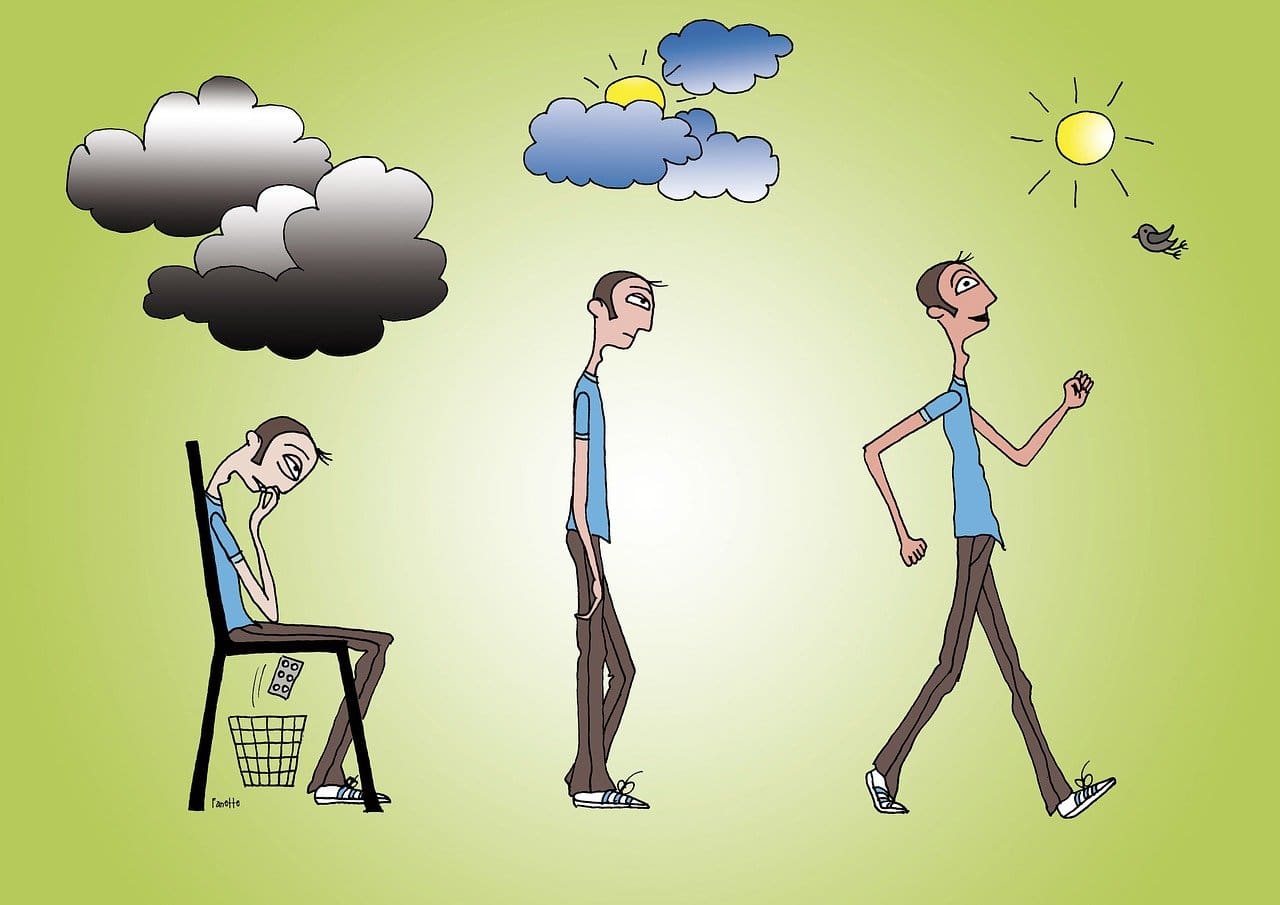
Rest and recovery are essential components of any successful fitness routine. When you exercise, especially during intense workouts, you are essentially breaking down your muscles. Rest and recovery are crucial for allowing your muscles to repair and rebuild, leading to growth and improved performance. Without proper rest, you risk overtraining, decreased performance, and potential injury.
It’s like building a house – you need time for the construction crew to repair and reinforce the structure between building sessions. The same goes for your muscles!
Benefits of Rest and Recovery
Taking time to rest and recover has numerous benefits for both your physical and mental well-being. Some of the key benefits include:
-
Muscle Repair and Growth: Rest allows your muscles to repair micro-tears that occur during exercise, leading to muscle growth and strength gains.
-
Injury Prevention: Proper rest can help reduce the risk of overuse injuries that can occur from continuous strain on your muscles and joints.
-
Energy Restoration: Resting and recovering helps replenish energy stores and prevents burnout, keeping you energized for future workouts.
-
Mental Rejuvenation: Taking time off from intense training can help reduce stress, improve mood, and prevent mental fatigue.
By prioritizing rest and recovery in your fitness routine, you can optimize your gains and reduce the risk of setbacks.
How Much Rest Do You Need?
The amount of rest you need after an intense workout can vary depending on factors such as the intensity of your training, your fitness level, age, and overall health. However, there are some general guidelines to help you determine how much rest is appropriate for you.
Listen To Your Body
One of the most important things you can do is listen to your body. Pay attention to how you feel after a workout – are you excessively sore, fatigued, or lacking motivation? These are signs that your body may need more rest. Conversely, if you feel energized and ready to conquer your next workout, you may need less rest.
Sleep
Quality sleep plays a crucial role in the rest and recovery process. Aim for 7-9 hours of sleep per night to allow your body to repair and regenerate. Lack of sleep can hinder your body’s ability to recover, negatively impacting your performance and overall health.
Active Recovery
Active recovery involves engaging in low-intensity activities such as walking, stretching, yoga, or swimming to promote blood flow and aid in muscle recovery. Incorporating active recovery days into your routine can help reduce muscle soreness and improve overall mobility.
Rest Days
Rest days are essential for allowing your body to recover fully from intense workouts. Depending on your fitness level, goals, and training frequency, aim for 1-3 rest days per week. Use this time to relax, spend time with loved ones, or engage in leisure activities that bring you joy.

Strategies for Rest and Recovery
Now that you understand the importance of rest and recovery and how much rest you need, let’s explore some practical strategies to help you maximize your recovery and get back to your workouts feeling refreshed and revitalized.
Hydration
Staying hydrated is crucial for optimal recovery. Water plays a vital role in fueling your muscles, regulating body temperature, and flushing out toxins. Aim to drink at least 8-10 cups of water per day, more if you are exercising intensely or in hot conditions.
Nutrition
Fueling your body with the right nutrients is essential for recovery. After a workout, focus on consuming a balance of protein and carbohydrates to repair muscle tissue and replenish glycogen stores. Consider adding sources of omega-3 fatty acids, antioxidants, and vitamins to support inflammation reduction and repair.
Foam Rolling
Foam rolling is a self-myofascial release technique that can help improve blood flow, reduce muscle tension, and alleviate soreness. Spend 10-15 minutes foam rolling major muscle groups after a workout or on rest days to enhance recovery and mobility.
Stretching
Incorporating stretching into your routine can help improve flexibility, reduce muscle tightness, and prevent injuries. Focus on static and dynamic stretches before and after workouts to prepare your muscles for activity and promote recovery.
Massage Therapy
Massage therapy can be a beneficial way to promote muscle relaxation, reduce tension, and enhance circulation. Consider scheduling a sports massage or using a massage gun to target specific areas of tightness and soreness for improved recovery.
Contrast Therapy
Contrast therapy involves alternating between hot and cold therapy to stimulate blood flow, reduce inflammation, and speed up recovery. Try contrast showers, ice baths, or hot/cold packs to promote circulation and reduce muscle soreness.
Sleep Hygiene
Creating a sleep-friendly environment can help improve the quality of your rest and enhance recovery. Establish a bedtime routine, limit screen time before bed, and maintain a cool, dark, and quiet sleeping space to promote relaxation and restful sleep.
Mindfulness Practices
Incorporating mindfulness practices such as meditation, deep breathing, or yoga can help reduce stress, improve focus, and promote mental well-being. Take time to unwind, practice gratitude, and cultivate a positive mindset to support your overall recovery.
Cross-Training
Engaging in cross-training activities such as cycling, swimming, or Pilates can help reduce the impact on your muscles and joints while still providing a challenging workout. Incorporate cross-training into your routine to improve overall fitness and prevent overuse injuries.
Professional Guidance
If you are unsure about how to incorporate rest and recovery into your routine or if you are experiencing persistent pain or fatigue, consider seeking guidance from a certified fitness professional, physical therapist, or sports medicine physician. They can provide personalized recommendations and strategies to help you optimize your recovery and achieve your fitness goals.
Conclusion
Proper rest and recovery are essential aspects of any successful fitness program. By listening to your body, prioritizing sleep, and implementing strategies such as hydration, nutrition, foam rolling, and mindfulness practices, you can optimize your recovery and performance after intense workouts. Remember that taking time to rest and recover is not a sign of weakness but a crucial part of the training process. So, next time you hit the gym, don’t forget to show your body some love and give it the rest it deserves. Your muscles will thank you!