In the era of health-consciousness and mindful eating, knowing how to read nutrition labels is essential for making informed choices about the food we consume. Understanding the information displayed on these labels allows you to evaluate the nutritional content, make comparisons between products, and ultimately make healthier decisions. In this article, you will discover expert tips and tricks on how to decode and interpret nutrition labels like a pro, empowering you to prioritize your well-being through a deeper understanding of what you eat. So, grab your favorite snack and get ready to become an expert in decoding those intricate labels!
Understanding Serving Size
Identify the serving size
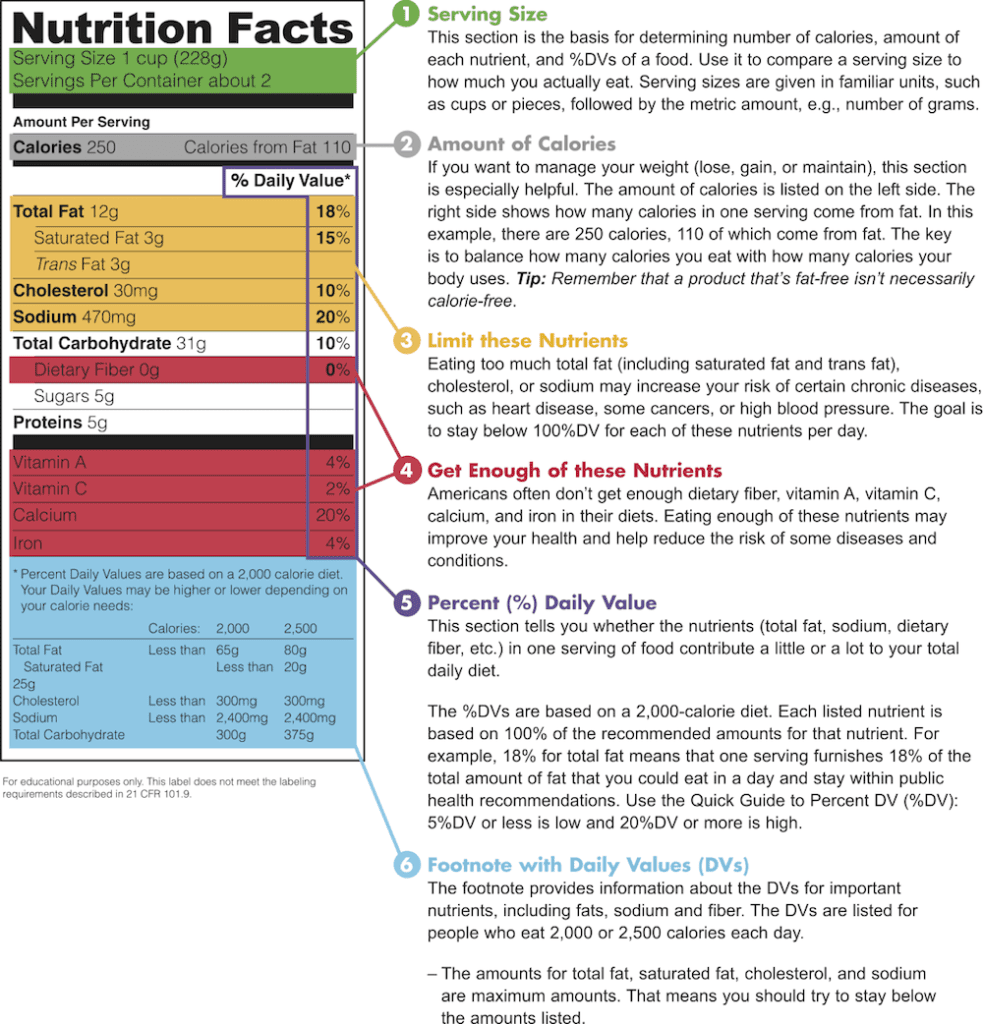
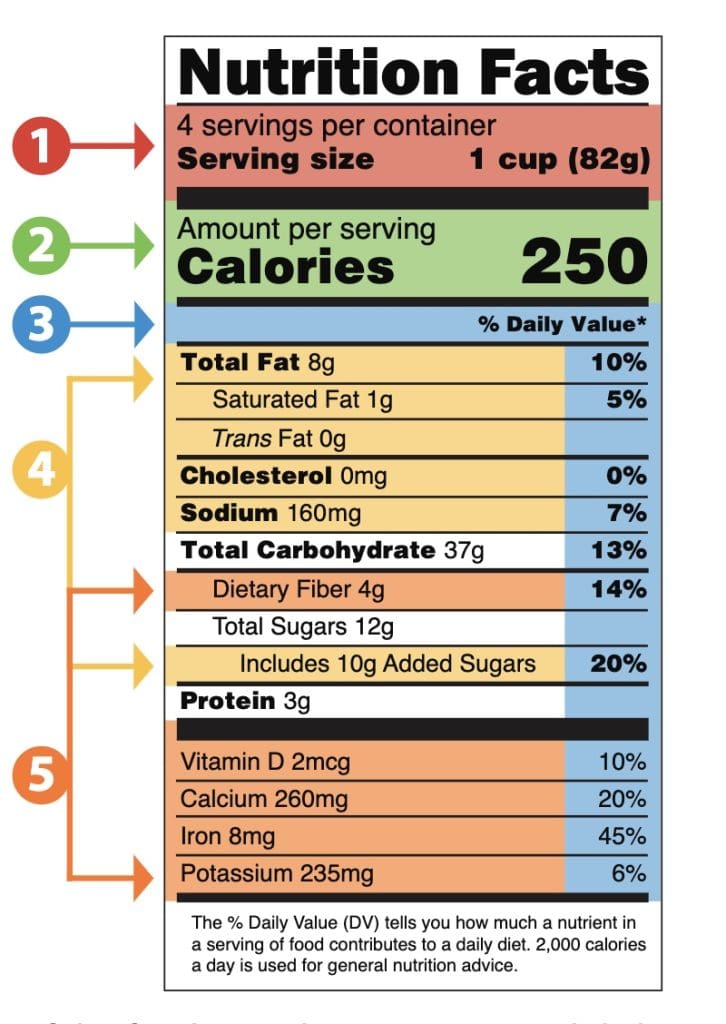
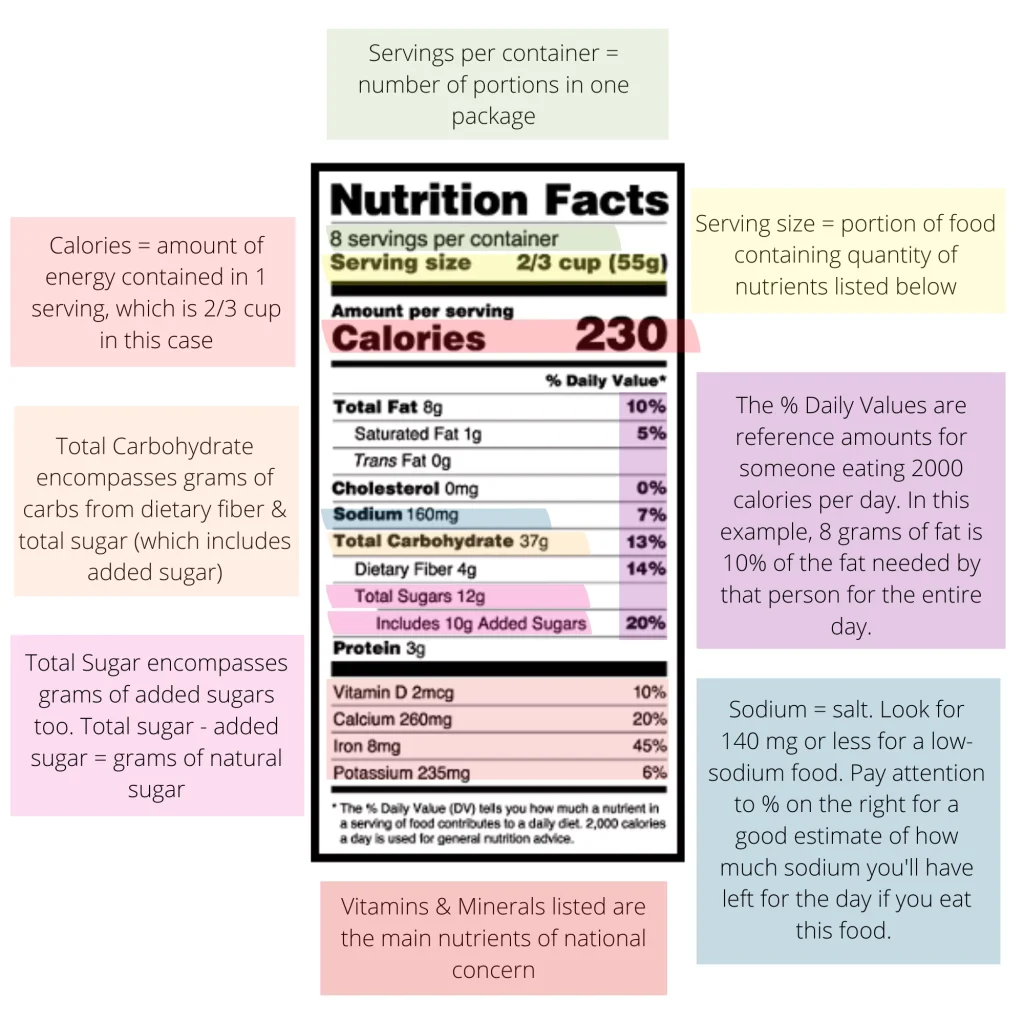
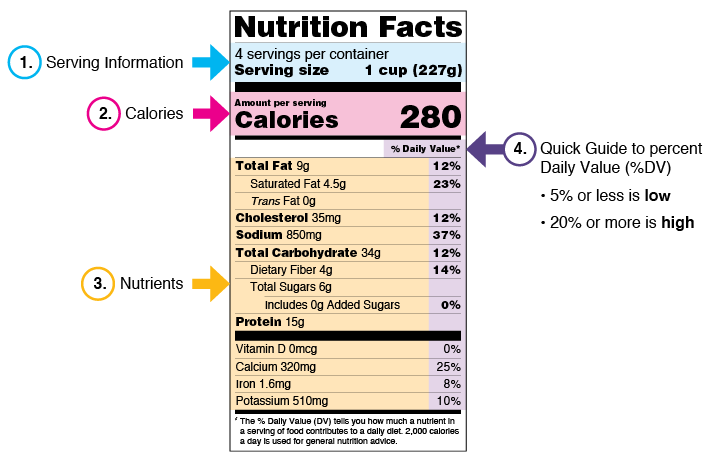
When it comes to understanding nutrition labels, the first thing you need to do is identify the serving size. This is important because all the information on the label is based on that specific serving size. By knowing the serving size, you can accurately track the nutrients you are consuming. The serving size is usually listed in a common unit of measurement, such as cups or grams.
Determine the number of servings per container
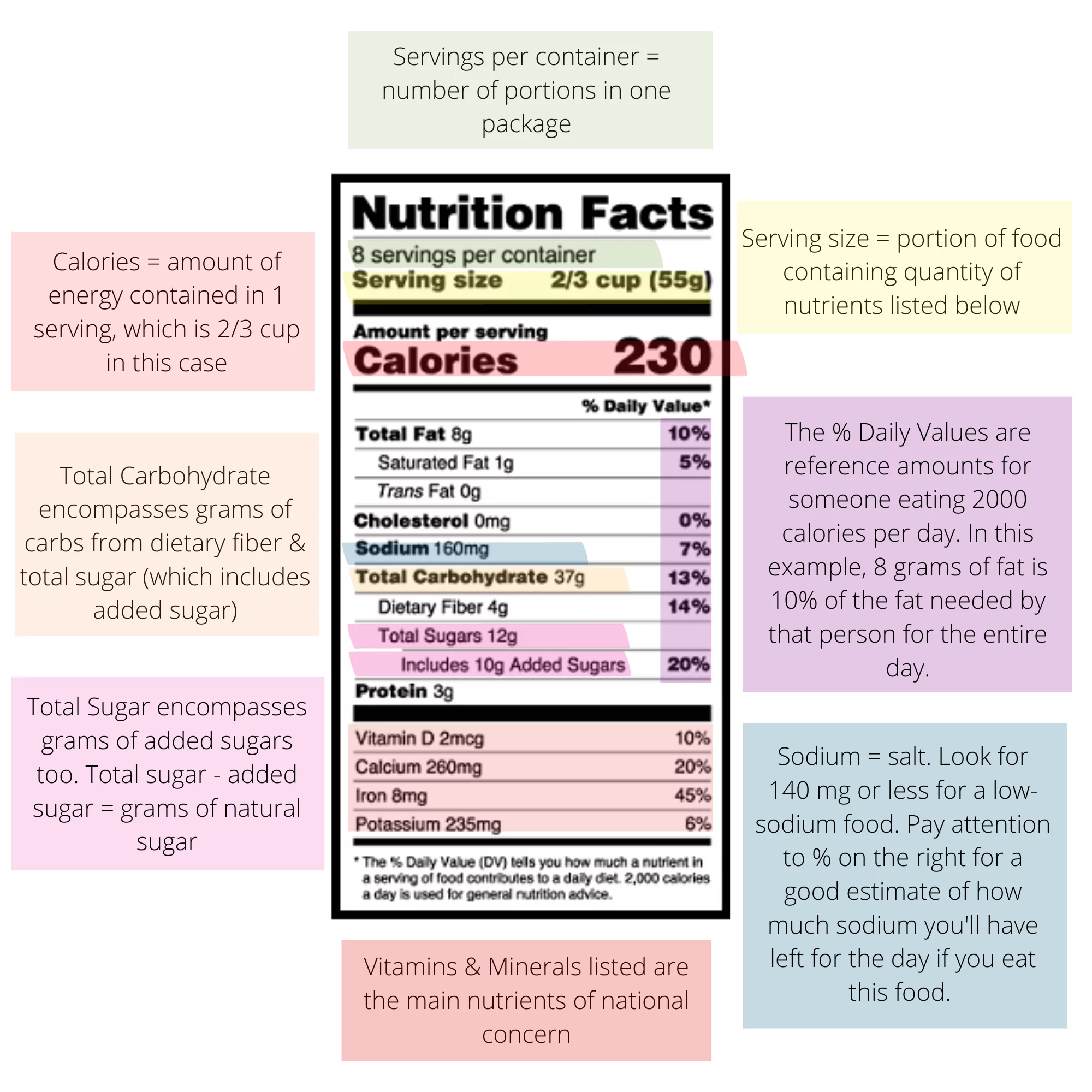
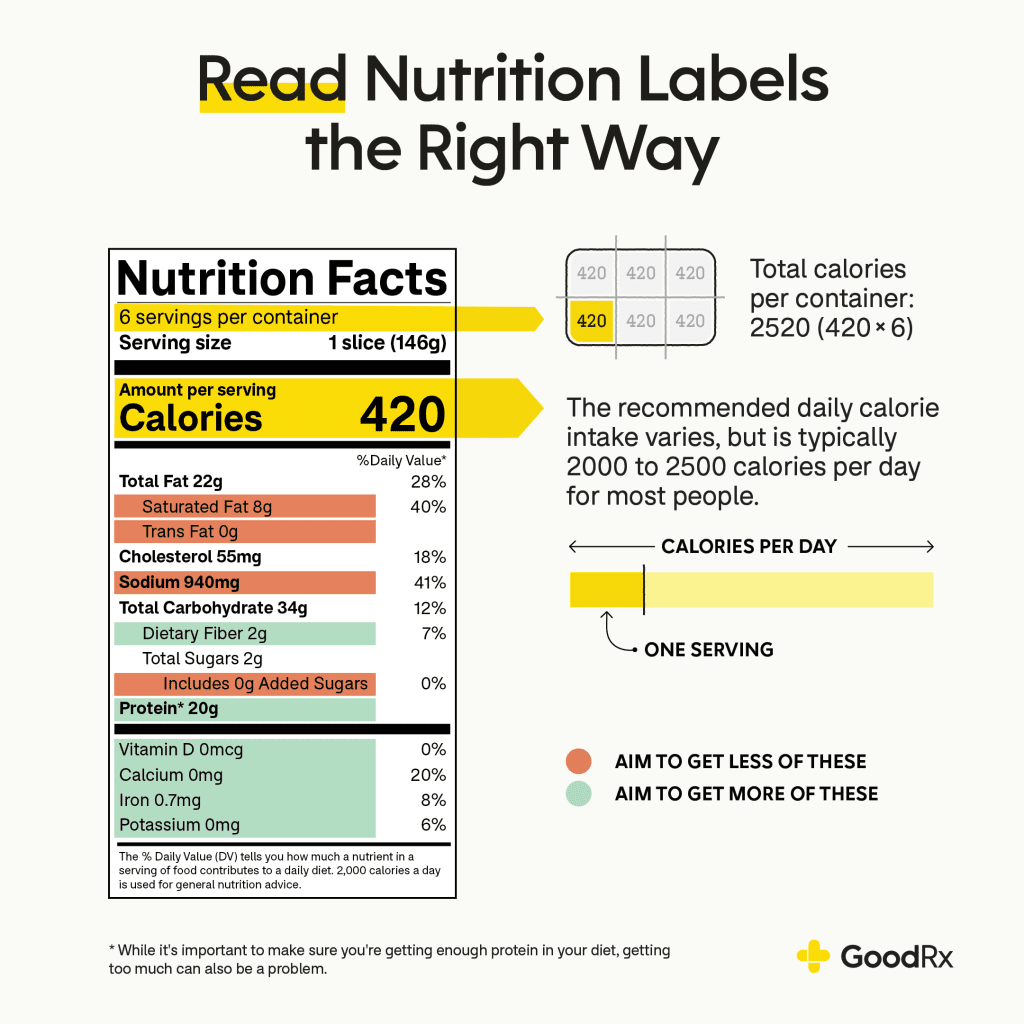
After identifying the serving size, it’s crucial to determine the number of servings per container. This information allows you to calculate the total amount of nutrients you will be consuming if you finish the entire package. Often, people assume that the entire package is a single serving without realizing that it may contain multiple servings. By understanding the number of servings per container, you can make informed decisions about portion control and better manage your daily nutrient intake.
Calorie Count
Pay attention to the total calories per serving
The total calorie count per serving is a significant factor in understanding the nutritional value of a food or beverage. Calories provide energy to the body, and it’s vital to consume an appropriate amount to maintain a healthy weight and balance your overall diet. When reading nutrition labels, look for the total calories per serving and consider if it fits into your daily caloric intake goals. Remember that the serving size determines the number of calories you will be consuming, so be mindful of portion sizes.
Consider the calories from fat
In addition to the total calorie count, it’s essential to consider the number of calories that come from fat. While fat is an essential nutrient, excessive consumption can contribute to weight gain and certain health issues. Nutrition labels typically break down the calories from fat separately to provide a clearer picture of the fat content. Keep in mind that fat has more calories per gram compared to carbohydrates and protein, so it’s crucial to strike a balance when it comes to fat intake.
Be aware of portion size
Understanding portion sizes is crucial when assessing the calorie content of a food or beverage. Portion sizes may vary from product to product, and the labels often provide recommendations for standard portion sizes. By matching your portion size with the serving size listed on the label, you can accurately calculate the calories you will consume. It’s important to be mindful of portion sizes and avoid consuming larger portions than necessary, as it can lead to excessive calorie intake.
Macronutrients Breakdown
Look for total fat content
The total fat content is an important aspect of the macronutrient breakdown on nutrition labels. Fat is an essential nutrient that provides energy and aids in the absorption of fat-soluble vitamins. However, not all fats are created equal. Labels often specify the amount of saturated and trans fats, which are known to increase the risk of cardiovascular diseases. Keep an eye on the total fat content and try to opt for products with a lower percentage of saturated and trans fats.
Check the carbohydrate content
Carbohydrates are an essential source of energy for the body. The carbohydrate content on a nutrition label includes sugars, dietary fiber, and other complex carbohydrates. It’s important to differentiate between sugars and dietary fiber, as they have different effects on the body. While excessive sugar intake can contribute to weight gain and other health issues, dietary fiber aids in digestion and helps maintain a healthy body weight. When checking the carbohydrate content, focus on the amount of added sugars and aim for products with higher fiber content.
Consider the protein content
Protein is crucial for various functions in the body, including building and repairing tissues and supporting immune health. When reading nutrition labels, take a look at the protein content per serving. Protein has a higher satiety value, which means it keeps you feeling fuller for longer. It’s important to incorporate an adequate amount of protein into your diet, especially if you lead an active lifestyle or are looking to build muscle. Look for products with a higher protein content to meet your individual dietary needs.
Trans Fats and Cholesterol
Identify trans fats
Trans fats are a type of fat that is known to raise bad cholesterol levels and increase the risk of heart diseases. It’s important to identify the presence of trans fats on nutrition labels and avoid products that contain them. Be cautious, as even if a product claims to have zero trans fats, it may still contain small amounts. Check the ingredient list for hydrogenated or partially hydrogenated oils, as these are indications of trans fats. Opt for products with little to no trans fats for a healthier diet.
Monitor cholesterol levels
Cholesterol is a fat-like substance that is both produced by our bodies and obtained through certain foods. While our bodies need cholesterol to function properly, excessive consumption can lead to an increased risk of heart diseases. When reading nutrition labels, check the cholesterol content per serving. In general, it is recommended to limit cholesterol intake and opt for products with lower cholesterol levels. However, keep in mind that dietary cholesterol may have a different impact on individuals, so it’s important to consult with a healthcare professional for personalized advice.
Sugar Content
Be cautious of added sugars
Added sugars are sugars that are added to food and beverages during processing or preparation. Excessive consumption of added sugars has been linked to obesity, diabetes, and other health issues. When reading nutrition labels, be cautious of the sugar content per serving. Look for products with lower added sugar content or opt for natural alternatives. Keep in mind that sugars can hide under various names, such as corn syrup, dextrose, or fructose. Being mindful of added sugars can help you make healthier choices and reduce your overall sugar intake.
Check for sugar substitutes or alternative names
Sugar substitutes are often used in place of refined sugar to provide sweetness without the added calories. When reading nutrition labels, check for the presence of sugar substitutes such as stevia, aspartame, or sucralose. It’s important to note that some sugar substitutes may have a laxative effect or impact blood sugar levels, so it’s advisable to consume them in moderation. Familiarize yourself with the various sugar substitutes available and choose products that align with your dietary preferences and goals.
Sodium Content
Evaluate sodium levels
Sodium is an essential mineral that plays a crucial role in maintaining proper fluid balance, nerve function, and muscle contraction. However, excessive sodium intake has been linked to high blood pressure and other cardiovascular issues. When reading nutrition labels, pay attention to the sodium content per serving. It’s recommended to limit sodium intake and opt for products with lower sodium levels. A lower sodium intake can contribute to better heart health and reduced risk of chronic diseases.
Be mindful of hidden sodium
It’s important to be aware that sodium can be hidden in various processed foods, even those that are not typically salty in taste. Pre-packaged meals, condiments, and snacks often contain higher sodium levels than expected. To be more mindful of your sodium intake, check the ingredient list for sources of sodium such as monosodium glutamate (MSG) or sodium nitrite. Opting for fresh and minimally processed foods can help reduce hidden sodium and promote a healthier overall diet.
Dietary Fiber
Check for fiber content
Dietary fiber is a type of carbohydrate that the body cannot digest. It plays a vital role in maintaining digestive health, regulating blood sugar levels, and promoting satiety. When reading nutrition labels, check the fiber content per serving. Adequate fiber intake is associated with various health benefits, including a reduced risk of heart disease and improved weight management. Opt for products with higher fiber content to support your digestive health and overall well-being.
Identify soluble and insoluble fibers
Dietary fiber can be categorized into two types: soluble and insoluble fiber. Soluble fiber dissolves in water and forms a gel-like substance in the digestive tract. It can help lower cholesterol levels and regulate blood sugar levels. Insoluble fiber, on the other hand, adds bulk to the stool and promotes regular bowel movements. Both types of fiber are important for a healthy diet. When reading nutrition labels, identify if the product contains both soluble and insoluble fibers to ensure a well-rounded fiber intake.
Vitamins and Minerals
Look for essential vitamins
Vitamins are essential nutrients that support various bodily functions, including metabolism, immune health, and overall well-being. When reading nutrition labels, look for the presence of essential vitamins such as vitamin C, vitamin A, vitamin D, or B vitamins. The specific vitamins listed may vary depending on the product. A diverse range of vitamins can contribute to a balanced diet and help meet your daily nutrient requirements. Keep in mind that whole foods are often a better source of vitamins compared to processed foods.
Consider mineral content
Minerals are vital for maintaining proper bodily functions, including bone health, nerve function, and fluid balance. When reading nutrition labels, consider the mineral content, such as calcium, iron, or potassium. Adequate mineral intake is necessary for overall health and well-being. However, it’s important to note that individual mineral needs may vary based on factors such as age, gender, and activity level. If you have specific dietary requirements or concerns, consult with a healthcare professional to ensure you’re meeting your mineral needs.
Ingredient List
Read the ingredient list thoroughly
The ingredient list provides valuable information about the components of a product. It is listed in descending order by weight, with the most abundant ingredient listed first. When reading nutrition labels, take the time to thoroughly read the ingredient list. It can help you identify any potential allergens, additives, or ingredients you may want to avoid. If you have specific dietary restrictions or preferences, checking the ingredient list is essential to ensure the product aligns with your needs.
Watch out for hidden ingredients
While reading the ingredient list, it’s crucial to watch out for hidden ingredients that may not be as obvious. For example, some products may contain hidden sources of added sugars, trans fats, or sodium. Look for terms such as high-fructose corn syrup, hydrogenated oils, or monosodium glutamate. By being vigilant and familiarizing yourself with common hidden ingredients, you can make more informed choices and select products that align with your dietary goals.
Claims and Symbols
Understand nutrient content claims
Nutrient content claims on nutrition labels provide information about the nutrient values of a product. It’s important to understand these claims to make informed decisions about the nutritional value of a product. Common claims include “low fat,” “high in fiber,” or “sugar-free.” However, it’s crucial to remember that these claims are regulated and may vary between countries. Additionally, nutrient content claims only provide information about specific nutrients and may not reflect the overall nutritional quality of the product. Therefore, it’s important to consider the complete nutrition label when making choices.
Pay attention to health symbols
Health symbols or logos on nutrition labels often indicate that a product meets specific nutritional guidelines or standards. These symbols can provide reassurance that the product aligns with certain dietary preferences or goals. Common health symbols include gluten-free, organic, or heart-check symbols. Pay attention to these symbols and consider whether they align with your personal needs. However, it’s still important to read the complete nutrition label to ensure the product meets your overall nutritional requirements.
In conclusion, understanding and effectively reading nutrition labels is an essential skill for making informed choices about your diet. By following the outlined steps of identifying serving sizes, evaluating calorie counts, considering macronutrient breakdowns, monitoring fats, cholesterol, sugars, sodium, fiber, vitamins, minerals, ingredients, claims, and symbols, you can become a pro at deciphering nutrition labels. With a deeper understanding of these labels, you can make healthier choices, manage your nutrient intake, and ultimately support your overall health and well-being.