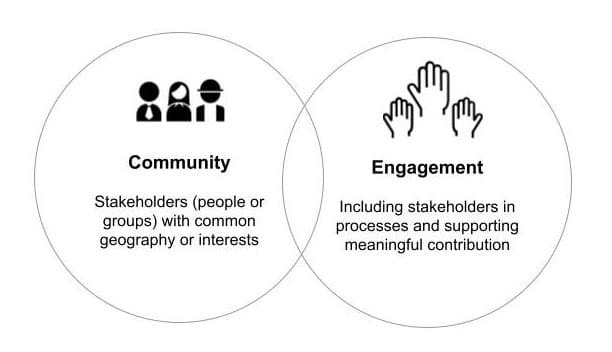
Welcome to an article all about how to stay engaged and active in your community as you age. As we get older, it’s important to remain connected to those around us and continue participating in activities that bring us joy. This article will provide you with tips and ideas on how to stay involved in your community, make new connections, and keep your body and mind active as you age. By staying engaged, you can lead a fulfilling and vibrant life well into your golden years. Let’s dive in and explore ways to stay connected and active in your community as you age. Have you ever wondered how you can continue to stay engaged and active in your community as you age? It can be challenging to navigate the changes in life as you get older, but staying connected to your community can have numerous benefits for your physical, mental, and emotional well-being. In this article, we will explore practical tips and strategies to help you stay active, involved, and connected in your community as you age. Let’s dive in!
Importance of Community Engagement
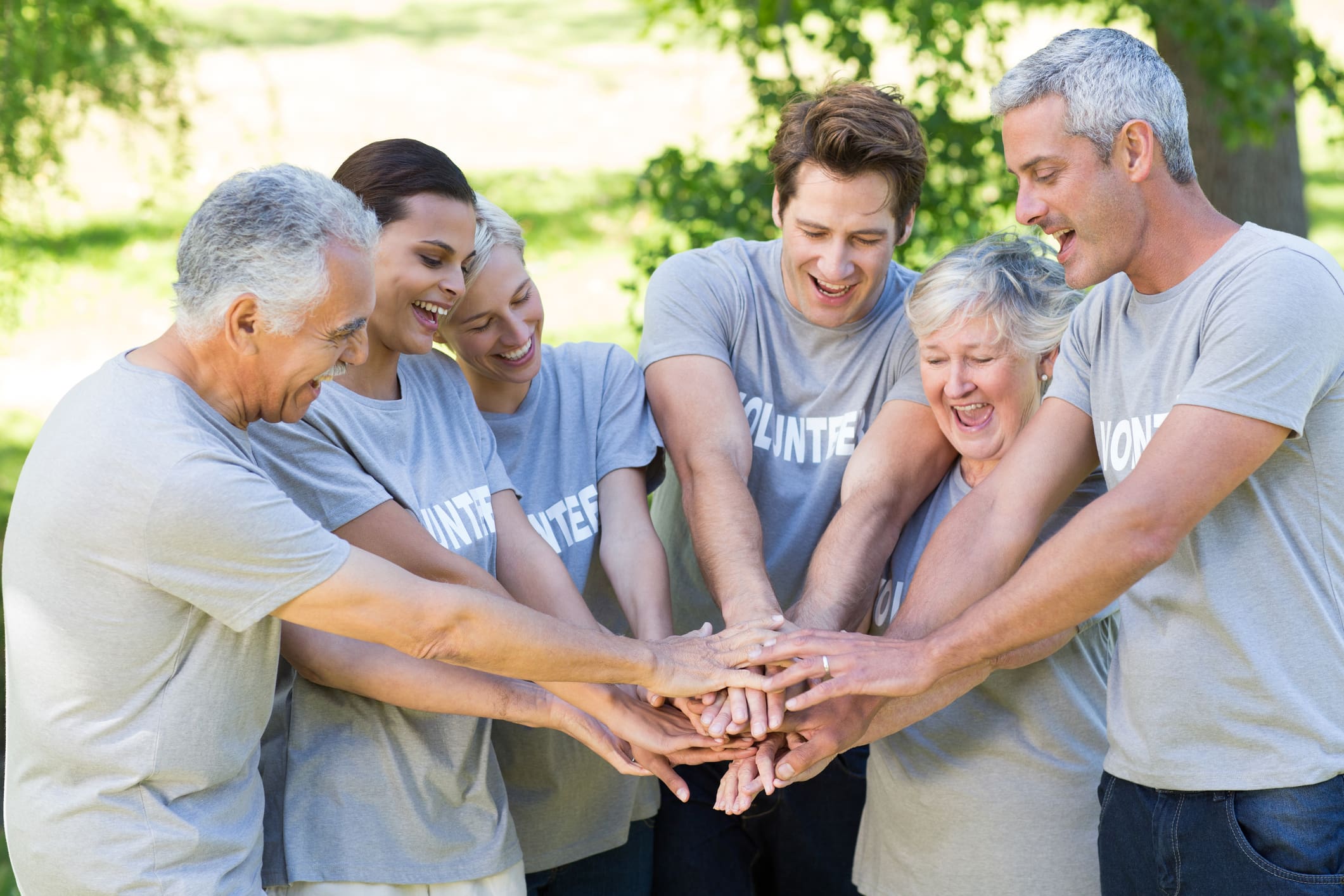
Staying engaged in your community plays a crucial role in maintaining a sense of belonging and purpose as you age. It can help combat feelings of loneliness, isolation, and boredom, which are common challenges faced by older adults. By actively participating in your community, you can stay connected with others, develop new relationships, and contribute your knowledge and skills to make a positive impact. Community engagement can also provide opportunities for personal growth, learning, and fulfillment.
Keeping Social Connections
Maintaining social connections is essential for overall well-being, especially as you age. By participating in community activities, events, and programs, you can build and nurture relationships with people of all ages. Whether it’s joining a book club, attending a fitness class, or volunteering at a local charity, interacting with others can boost your mood, reduce stress, and enhance your quality of life. Make an effort to reach out to friends, neighbors, and acquaintances regularly to stay connected and engaged.
Enhancing Mental Stimulation
Engaging in different activities and experiences within your community can provide mental stimulation and cognitive challenges that are beneficial for brain health. Whether it’s learning a new skill, solving puzzles, or attending educational workshops, staying mentally active can help improve memory, concentration, and problem-solving abilities. Consider joining a discussion group, taking up a creative hobby, or participating in cultural events to keep your mind sharp and engaged.
Strategies for Staying Active in Your Community
As you age, it’s important to find ways to stay physically active and maintain a healthy lifestyle. Engaging in regular exercise, outdoor activities, and recreational pursuits can help improve your physical fitness, mobility, and overall well-being. Here are some practical strategies to help you stay active and involved in your community:
Exploring Local Resources
Take advantage of the resources available in your community to stay active and engaged. Many neighborhoods offer senior centers, community centers, parks, and recreational facilities that provide a variety of programs and activities for older adults. Check out local events, classes, and workshops that cater to your interests and preferences. Whether it’s joining a walking group, attending a dance class, or participating in a gardening club, there are plenty of opportunities to stay active and connected.
Starting a Walking Group
Walking is an excellent low-impact exercise that can be enjoyed by people of all ages and fitness levels. Consider starting a walking group with friends, neighbors, or fellow community members to motivate each other to stay active. Choose scenic routes, parks, or trails in your area to explore together, and set a regular schedule for your walking sessions. Walking not only benefits your physical health but also allows for socializing, fresh air, and enjoyment of nature.
Volunteering Your Time
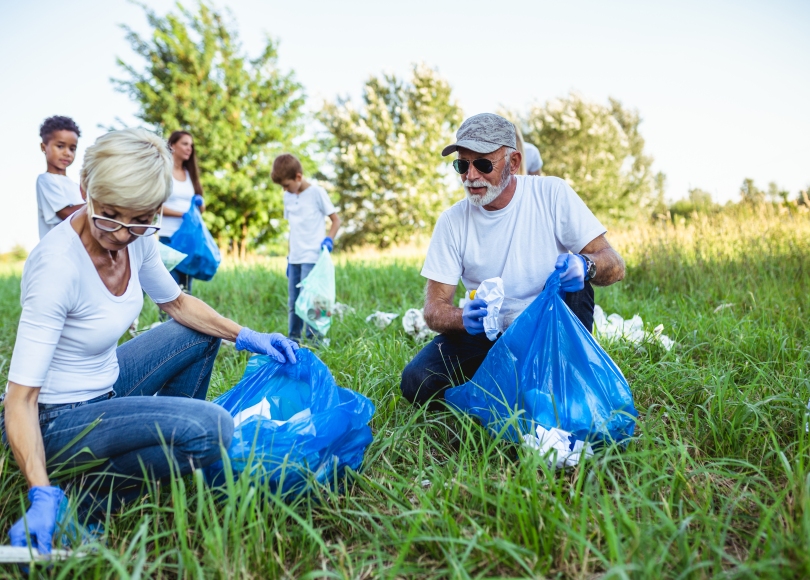
Volunteering is a meaningful way to give back to your community, meet new people, and make a positive impact. Consider donating your time and skills to local organizations, charities, or community groups that align with your interests and values. Whether it’s assisting at a food pantry, mentoring youth, or helping at a community event, volunteering can provide a sense of purpose, fulfillment, and connection with others. Look for volunteer opportunities that match your abilities, schedule, and passions to make a difference in your community.

Technology Tools for Community Engagement
In today’s digital age, technology has become an essential tool for staying connected, informed, and engaged in your community. Whether it’s communicating with friends and family, accessing online resources, or participating in virtual events, technology can help bridge the gap between older adults and the digital world. Here are some technology tools and resources to enhance your community engagement as you age:
Social Media Platforms
Social media platforms such as Facebook, Twitter, and Instagram can help you stay connected with friends, family, and community members. Create an account on your favorite social media platform to follow local organizations, events, and groups in your community. Join online communities, discussion forums, and interest groups to share stories, ideas, and experiences with like-minded individuals. Stay up-to-date on community news, updates, and announcements through social media to remain connected and engaged.
Online Learning Platforms
Online learning platforms offer a wide range of courses, workshops, and resources for continuous learning and personal development. Join platforms like Coursera, Udemy, or Khan Academy to access educational materials on various topics such as history, science, art, and technology. Enroll in virtual classes, webinars, or lectures to expand your knowledge, skills, and interests from the comfort of your home. Stay mentally stimulated and engaged by participating in online learning opportunities that cater to your curiosity and curiosity.
Video Communication Tools
Video communication tools such as Zoom, Skype, and FaceTime allow you to connect with others virtually through video calls, conferences, and meetings. Stay in touch with family members, friends, and community groups by scheduling video chats, virtual gatherings, and online social events. Host virtual book clubs, coffee chats, or game nights to stay connected with loved ones and maintain social interactions. Embrace video communication tools as a way to bridge the distance, share moments, and engage with others from anywhere in the world.
Overcoming Challenges and Barriers
As you age, you may encounter challenges and barriers that can hinder your ability to stay engaged and active in your community. It’s important to recognize these obstacles and find creative solutions to overcome them. By addressing common challenges proactively, you can enhance your community engagement and quality of life. Here are some strategies for overcoming challenges and barriers as you age:
Transportation Issues
Transportation can be a significant barrier for older adults who want to participate in community activities and events. If driving is no longer an option, consider alternative transportation options such as public transit, ridesharing services, or community transportation programs. Explore senior transportation services, volunteer drivers, or accessible vans that can help you get to appointments, errands, and social outings. Coordinate carpooling with friends, neighbors, or family members to make transportation more convenient and accessible.
Health Limitations
Health limitations and chronic conditions can impact your ability to stay active and engaged in your community. If you have physical challenges or mobility issues, seek adaptive programs, classes, or equipment that accommodate your needs. Consider consulting with healthcare professionals, physical therapists, or fitness instructors for guidance on safe and suitable activities. Focus on exercises, therapies, or treatments that support your health, well-being, and independence as you age. Listen to your body, pace yourself, and make adjustments as needed to continue participating in community engagements.
Financial Constraints
Financial constraints can restrict your ability to participate in certain community activities, events, or programs. If cost is a concern, look for free or low-cost options that align with your budget and resources. Explore senior discounts, scholarships, or subsidies that may be available for older adults in your community. Consider pooling resources, sharing expenses, or negotiating fees with community organizations to make activities more affordable. Prioritize activities that bring you joy, satisfaction, and value without breaking the bank, and don’t let financial limitations hinder your participation in community engagements.

Conclusion
Staying engaged and active in your community as you age is a rewarding and fulfilling experience that can enhance your overall well-being and quality of life. By leveraging social connections, exploring local resources, utilizing technology tools, and overcoming challenges, you can continue to make meaningful contributions, connect with others, and thrive in your community. Remember to stay open-minded, adaptable, and proactive in seeking out opportunities for community engagement. Embrace the journey of aging as a time to explore new interests, build lasting relationships, and make a positive impact on the world around you. Stay engaged, stay active, and stay connected in your community as you age!