
Welcome to a guide on how to stock a healthy pantry! Having a well-stocked pantry is essential for maintaining a nutritious diet and making healthy meals at home. In this article, you will learn valuable tips on how to fill your pantry with wholesome staples, nutritious snacks, and versatile ingredients to help you stay on track with your health and wellness goals. From whole grains and legumes to nuts and seeds, we’ll show you how to build a pantry that supports your overall well-being. Let’s get started on creating a space in your kitchen that empowers you to make nutritious choices every day. How To Stock A Healthy Pantry
Do you often find yourself staring into your pantry with no idea what to cook? Are you constantly running to the store for last-minute ingredients? Stocking your pantry with healthy staples can make meal prep easier and more efficient. In this guide, we will walk you through the essentials of stocking a healthy pantry that will set you up for success in the kitchen.
The Benefits of a Healthy Pantry
Having a well-stocked pantry full of healthy ingredients has numerous benefits. Not only does it help you save time and money by reducing the number of trips to the grocery store, but it also makes it easier to cook nutritious meals at home. With the right staples on hand, you can whip up a delicious and healthy meal in no time.
Grains and Starches
Grains and starches are the foundation of a healthy pantry. They provide energy and essential nutrients that keep you full and satisfied. Stock your pantry with a variety of whole grains such as brown rice, quinoa, oats, and whole wheat pasta. These grains are rich in fiber, vitamins, and minerals that support overall health.
Grains and Starches Checklist
- Brown rice
- Quinoa
- Oats
- Whole wheat pasta
- Barley
- Farro
Having a mix of grains and starches in your pantry allows you to create a diverse range of meals, from hearty grain bowls to comforting pasta dishes. Experiment with different grains to keep your meals interesting and nutritious.
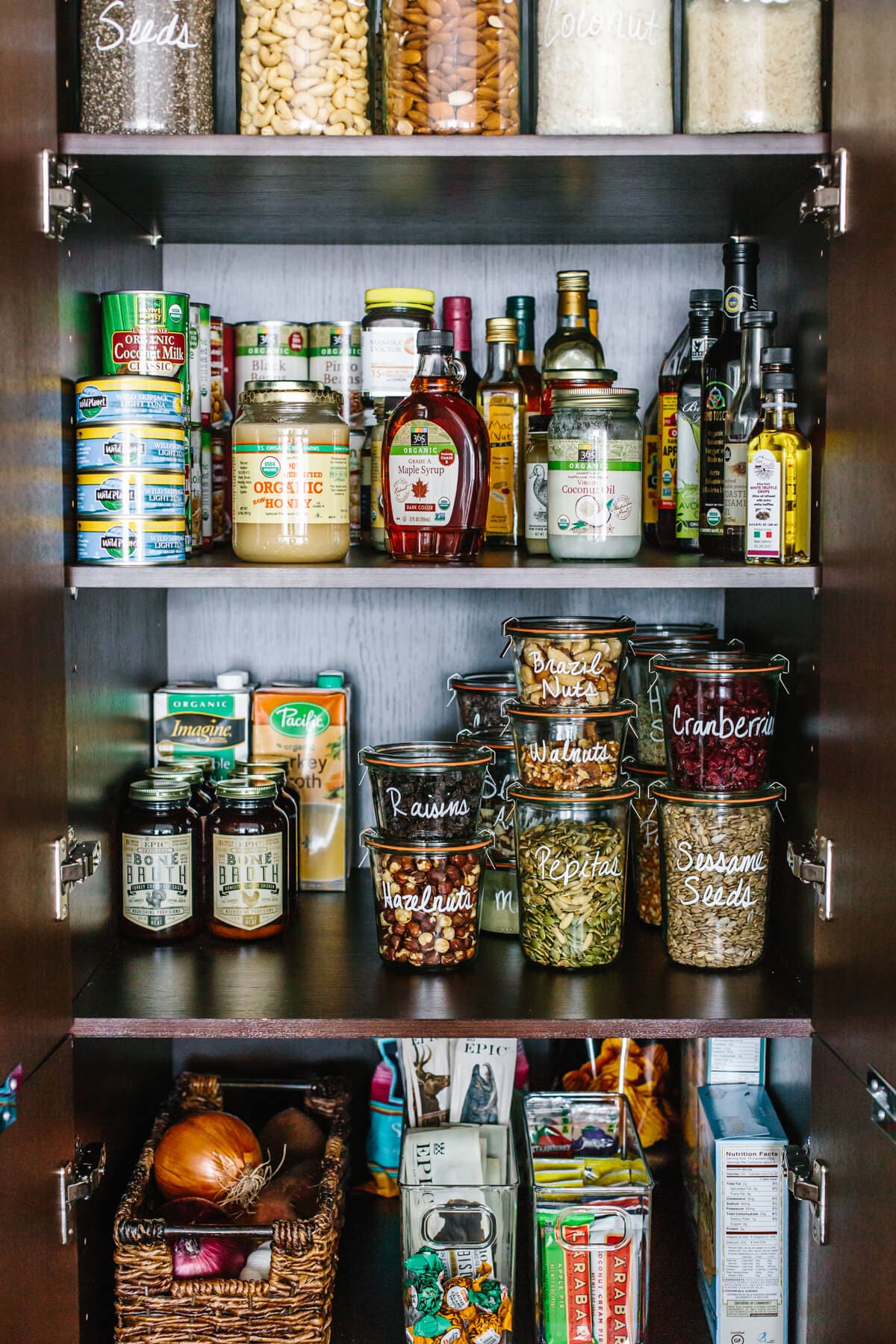
Healthy Oils and Fats
Healthy oils and fats are essential for cooking and adding flavor to your dishes. Opt for heart-healthy oils such as olive oil, avocado oil, and coconut oil. These oils are rich in antioxidants and healthy fats that support heart health and overall wellbeing.
Oils and Fats Checklist
- Extra virgin olive oil
- Avocado oil
- Coconut oil
- Flaxseed oil
- Ghee or clarified butter
Using a variety of oils and fats in your cooking can enhance the flavor of your meals and provide essential nutrients for your body. Experiment with different oils to find the ones you enjoy the most.
Protein Sources
Protein is an essential nutrient that plays a crucial role in building and repairing tissues in the body. Stock your pantry with a variety of protein sources such as canned beans, lentils, nuts, seeds, and canned fish. These protein-rich ingredients can be added to salads, soups, stir-fries, and more.
Protein Sources Checklist
- Canned beans (black beans, chickpeas, kidney beans)
- Lentils
- Nuts (almonds, walnuts, cashews)
- Seeds (chia seeds, flaxseeds, pumpkin seeds)
- Canned fish (tuna, salmon, sardines)
Incorporating a mix of protein sources into your meals ensures that you are getting all the essential amino acids your body needs. Protein-rich ingredients also help keep you full and satisfied throughout the day.
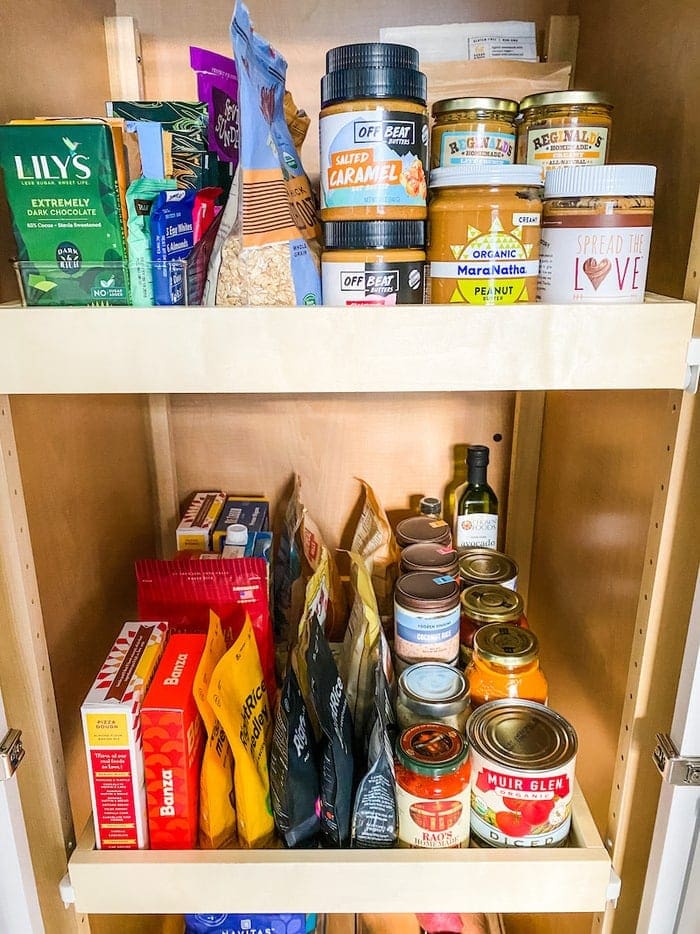
Herbs and Spices
Herbs and spices are the secret weapons of a well-stocked pantry. They add flavor, aroma, and depth to your dishes without the need for excess salt or sugar. Stock your pantry with a variety of herbs and spices to enhance the flavor of your meals and boost their nutritional value.
Herbs and Spices Checklist
- Basil
- Cilantro
- Oregano
- Rosemary
- Turmeric
- Cumin
- Paprika
- Cinnamon
Experiment with different herbs and spices to create unique flavor profiles in your dishes. Herbs and spices can transform a simple meal into a culinary masterpiece.
Canned and Jarred Goods
Canned and jarred goods are convenient pantry staples that have a long shelf life and can be used in a variety of dishes. Stock your pantry with canned tomatoes, tomato paste, coconut milk, and jarred sauces and condiments. These ingredients can be the base of flavorful sauces, stews, and soups.
Canned and Jarred Goods Checklist
- Canned tomatoes
- Tomato paste
- Coconut milk
- Jarred pasta sauce
- Jarred salsa
- Mustard
- Soy sauce
Having canned and jarred goods in your pantry allows you to whip up a quick and delicious meal on a busy weeknight. These ingredients are versatile and can be used in a wide range of recipes.
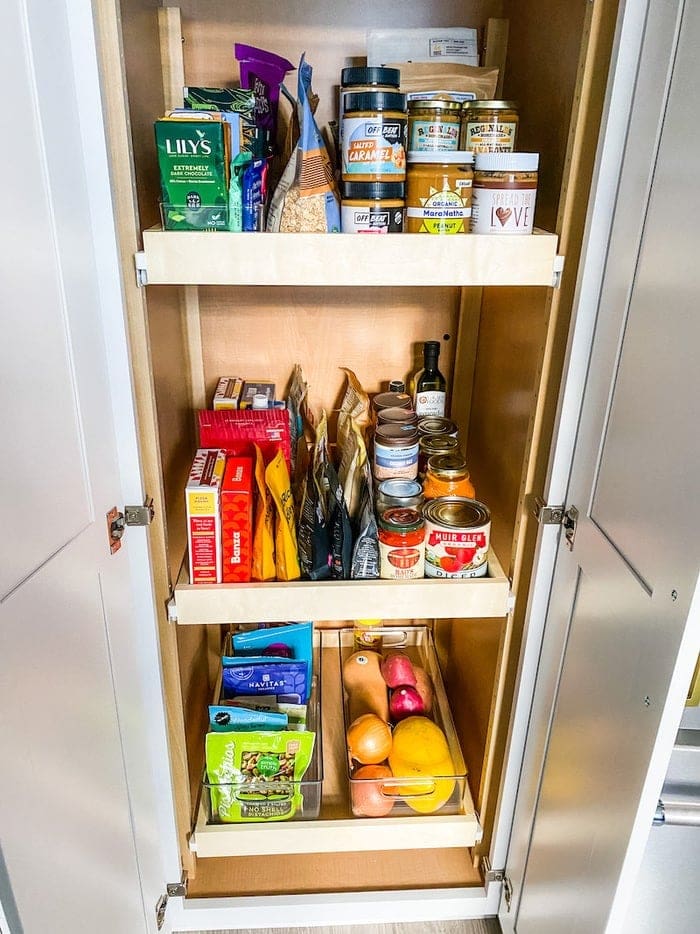
Sweeteners and Condiments
Sweeteners and condiments can add flavor and sweetness to your dishes without the need for excess sugar or artificial additives. Stock your pantry with natural sweeteners such as honey, maple syrup, and agave nectar. Additionally, keep condiments like mustard, hot sauce, and tamari on hand to add depth and complexity to your dishes.
Sweeteners and Condiments Checklist
- Honey
- Maple syrup
- Agave nectar
- Mustard
- Hot sauce
- Tamari
- Apple cider vinegar
Choosing natural sweeteners and condiments allows you to add flavor to your dishes while also prioritizing your health. Experiment with different sweeteners and condiments to find the ones you enjoy the most.
Fresh Produce Substitutes
While fresh produce is essential for a healthy diet, it can be challenging to keep a variety of fresh vegetables and fruits on hand at all times. Stock your pantry with dried fruits, frozen vegetables, and canned fruits and vegetables as substitutes for fresh produce. These alternatives are convenient and have a longer shelf life, allowing you to have a constant supply of nutrient-rich ingredients.
Fresh Produce Substitutes Checklist
- Dried fruits (raisins, apricots, cranberries)
- Frozen vegetables (green peas, mixed vegetables, spinach)
- Canned fruits (pineapple, peaches, mandarin oranges)
- Canned vegetables (green beans, corn, tomatoes)
Having fresh produce substitutes in your pantry ensures that you always have access to nutritious ingredients, even when fresh produce is not readily available. These alternatives can be used in a variety of dishes, from smoothies to stir-fries.
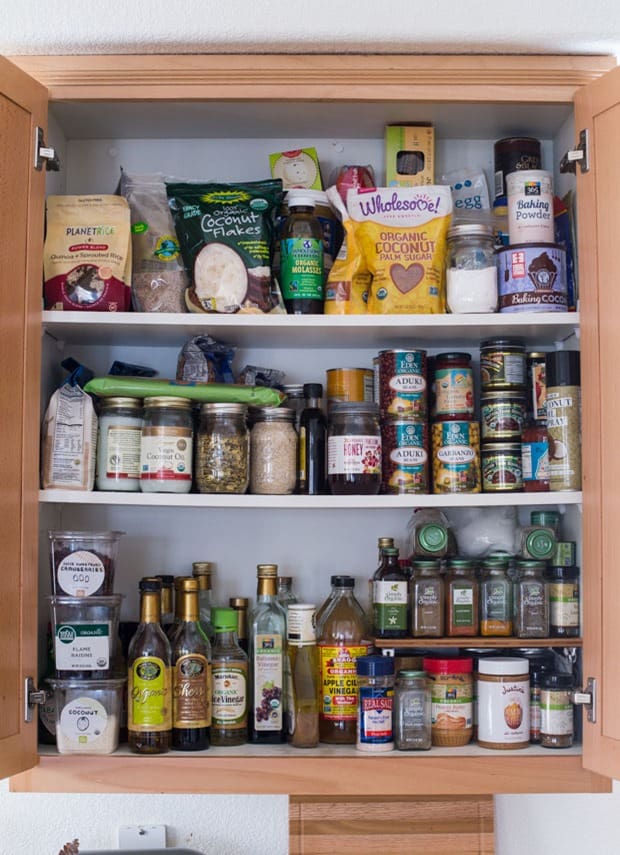
Whole Grain Snacks
Snacking on whole grains is a great way to curb hunger and boost energy levels throughout the day. Stock your pantry with whole grain snacks such as whole grain crackers, popcorn, and rice cakes. These snacks are rich in fiber and essential nutrients that support overall health.
Whole Grain Snacks Checklist
- Whole grain crackers
- Popcorn kernels
- Rice cakes
- Granola bars
- Whole grain tortilla chips
Whole grain snacks are a healthier alternative to traditional snack foods that are often high in sugar, salt, and unhealthy fats. Keep these snacks on hand for a quick and nutritious bite between meals.
Nuts and Seeds
Nuts and seeds are nutrient-dense foods that are packed with protein, healthy fats, and essential vitamins and minerals. Stock your pantry with a variety of nuts and seeds such as almonds, walnuts, chia seeds, and pumpkin seeds. These ingredients can be used in salads, oatmeal, yogurt, and baked goods.
Nuts and Seeds Checklist
- Almonds
- Walnuts
- Chia seeds
- Pumpkin seeds
- Flaxseeds
Incorporating nuts and seeds into your diet provides a wide range of health benefits, from improved heart health to better digestion. These nutrient-dense foods are a versatile and convenient addition to your pantry.
Conclusion
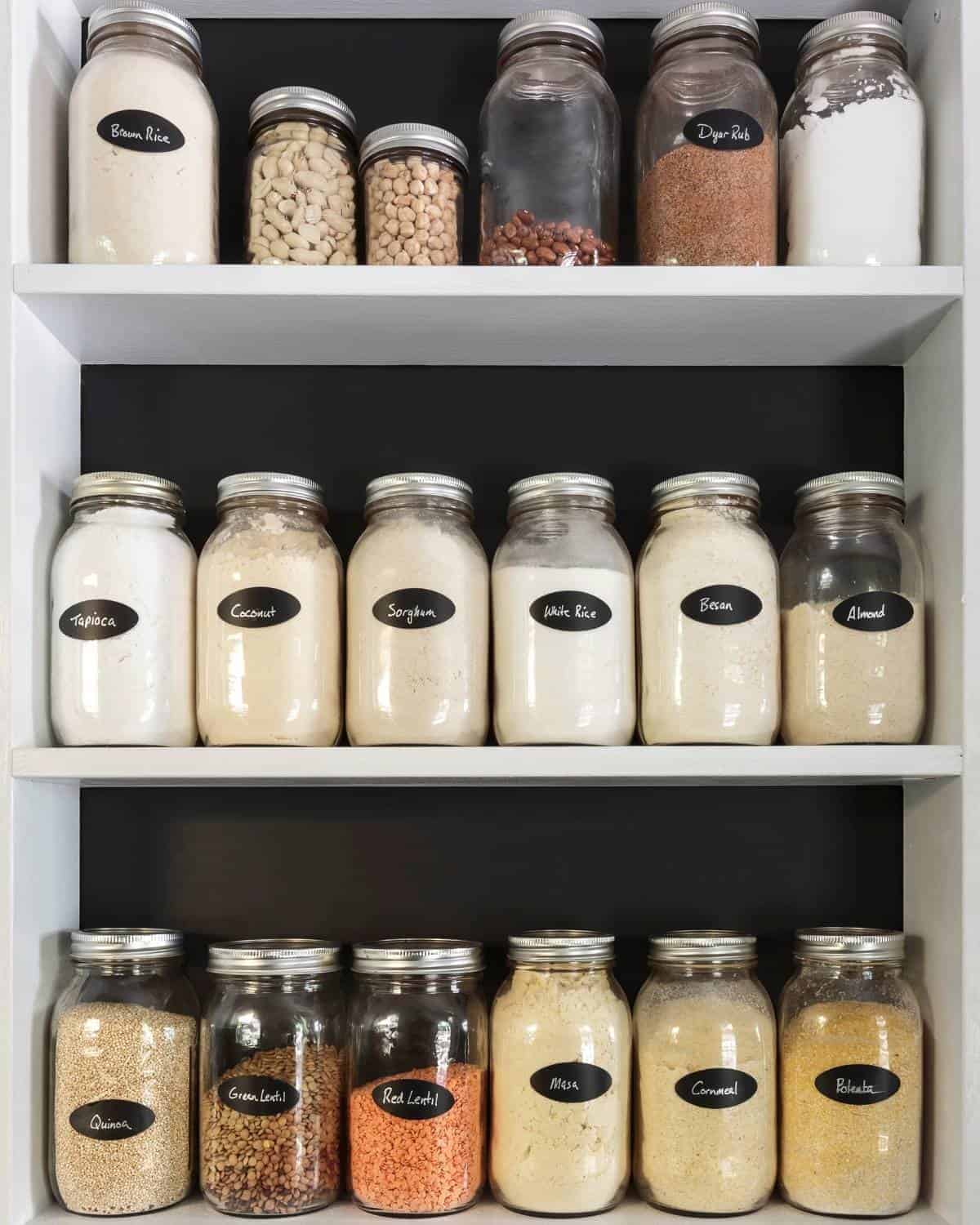
Stocking a healthy pantry is the first step toward eating nutritious meals and maintaining a healthy lifestyle. By having a variety of whole grains, proteins, healthy oils, herbs and spices, canned goods, sweeteners, fresh produce substitutes, whole grain snacks, nuts, and seeds on hand, you can easily create delicious and nourishing meals at home. Take the time to organize your pantry and stock it with healthy essentials that will set you up for success in the kitchen. Happy cooking!