Welcome to an informative article on how you can easily support your gut health and improve digestion through simple diet and lifestyle changes. By implementing small adjustments in your daily routine, such as incorporating more fiber-rich foods, staying hydrated, and managing stress levels, you can promote a healthy gut microbiome and ensure efficient digestion. Let’s explore some practical tips to help you maintain a happy and healthy gut!
How To Support Gut Health And Digestion Through Diet And Lifestyle Changes
Have you ever wondered how you can improve your gut health and digestion naturally? In this article, we will explore various diet and lifestyle changes that can support a healthy gut and improve digestion. From incorporating gut-friendly foods to reducing stress levels, there are many ways you can take care of your gut health and overall well-being.
Understanding Gut Health and Digestion
Before we dive into ways to support your gut health and digestion, let’s first understand what gut health is all about. Your gut, also known as the gastrointestinal tract, is home to trillions of bacteria that play a crucial role in your overall health. These bacteria help with digestion, absorption of nutrients, and even support your immune system.
What is Gut Health?
Your gut health refers to the balance of microorganisms that live in your digestive tract. These microorganisms include both “good” and “bad” bacteria that can impact your health in various ways. Maintaining a healthy balance of these bacteria is essential for good digestion, proper nutrient absorption, and overall well-being.
Gut-Friendly Foods To Incorporate Into Your Diet
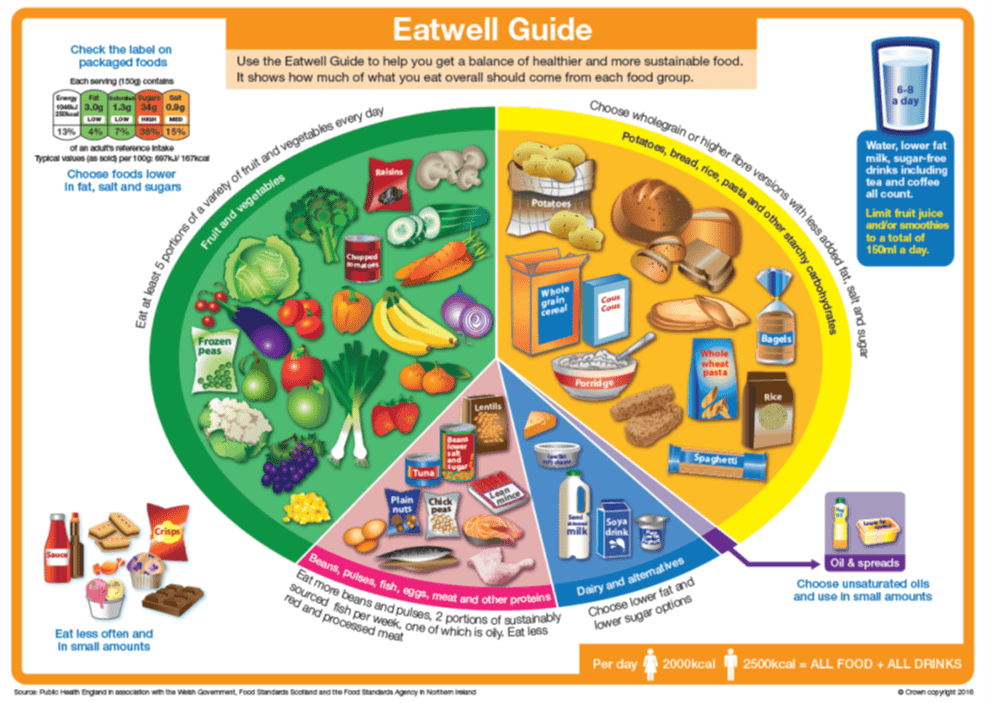
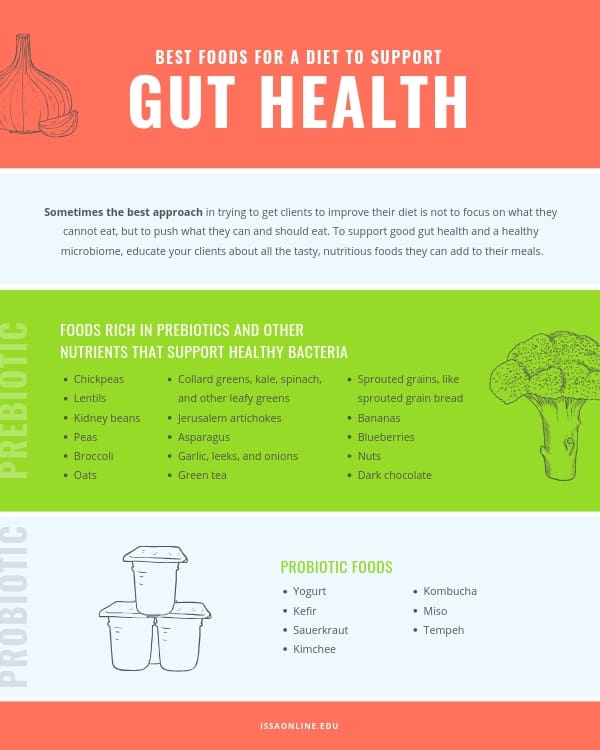
One of the most effective ways to support your gut health is by incorporating gut-friendly foods into your diet. These foods are rich in nutrients that promote a healthy gut microbiome and improve digestion. Here are some examples of gut-friendly foods you can add to your meals:
| Foods | Benefits |
|---|---|
| Yogurt | Contains probiotics that can help regulate digestion and improve gut health |
| Fermented Foods | Sauerkraut, kimchi, and kefir are rich in beneficial bacteria that support a healthy gut |
| High-Fiber Foods | Fruits, vegetables, and whole grains can promote a healthy gut microbiome and aid digestion |
| Omega-3 Rich Foods | Salmon, chia seeds, and walnuts are high in anti-inflammatory fats that benefit gut health |
| Bone Broth | Rich in collagen and gelatin, bone broth can help repair the gut lining and improve digestion |
Incorporating these gut-friendly foods into your diet can have a positive impact on your gut health and digestion.
Lifestyle Changes For Better Gut Health
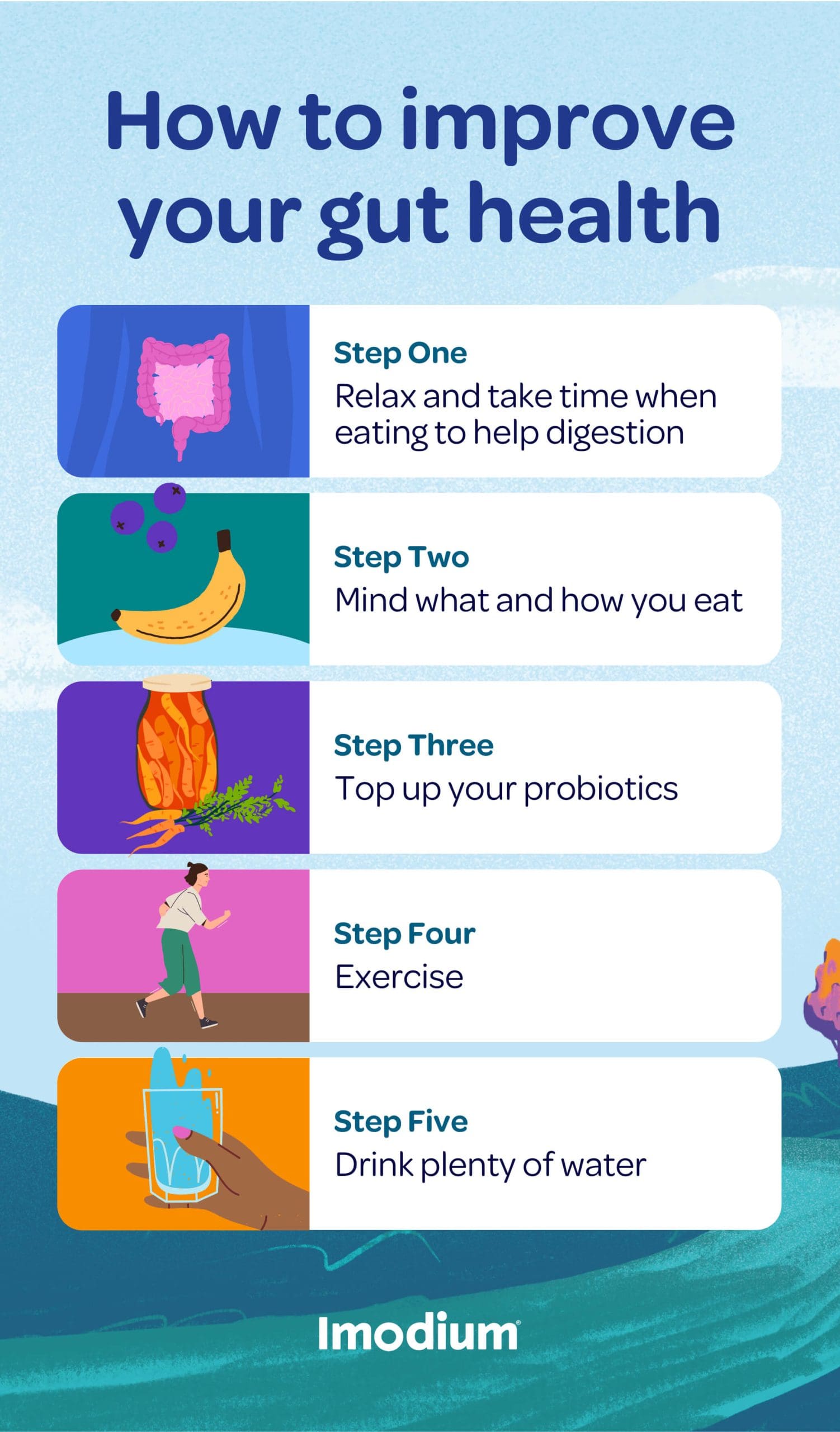
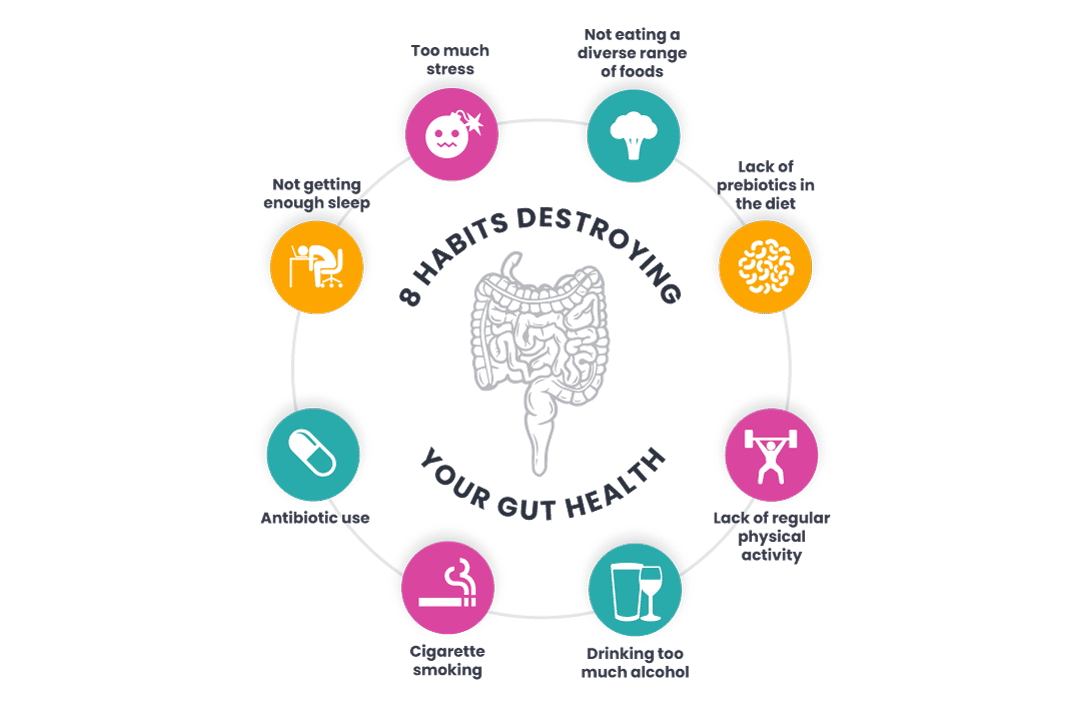
In addition to incorporating gut-friendly foods, making certain lifestyle changes can also support your gut health. Factors such as stress levels, sleep quality, and physical activity can all influence the health of your gut microbiome. Here are some lifestyle changes you can make to improve gut health:
Stress Management
Chronic stress can have a negative impact on your gut health by disrupting the balance of bacteria in your digestive tract. Practicing stress-reducing activities such as yoga, meditation, or deep breathing exercises can help improve your gut health.
Quality Sleep
Getting an adequate amount of quality sleep is essential for gut health. Poor sleep habits can lead to imbalances in gut bacteria and contribute to digestive issues. Aim for 7-9 hours of quality sleep each night to support a healthy gut.
Regular Exercise
Physical activity is not only good for your overall health but can also benefit your gut health. Regular exercise can help regulate digestion, reduce inflammation, and promote a healthy gut microbiome.
Hydration
Drinking enough water throughout the day is essential for proper digestion and gut health. Staying hydrated helps maintain the mucosal lining of the digestive tract and supports the movement of food through the intestines.
Limiting Antibiotic Use
While antibiotics can be life-saving medications, overuse can disrupt the balance of bacteria in your gut. Whenever possible, try to limit the use of antibiotics and consult with your healthcare provider about alternative treatments.
By incorporating these lifestyle changes into your daily routine, you can improve your gut health and digestion naturally.
Supplements For Gut Health
In some cases, incorporating supplements into your diet may be beneficial for supporting gut health. Supplements such as probiotics, digestive enzymes, and prebiotics can help maintain a healthy balance of bacteria in your gut and aid digestion. Here are some common supplements that can support gut health:
Probiotics
Probiotics are live bacteria and yeasts that are good for your digestive system. They can help restore the natural balance of bacteria in your gut, improve digestion, and boost your immune system.
Digestive Enzymes
Digestive enzymes are proteins that help break down food into smaller molecules for easier absorption. Taking digestive enzyme supplements can aid in digestion and reduce symptoms of bloating, gas, and indigestion.
Prebiotics
Prebiotics are non-digestible fibers that serve as food for probiotics, helping them thrive in your gut. Including prebiotic supplements in your diet can promote the growth of beneficial bacteria and support gut health.
When considering adding supplements to your routine, it’s important to consult with a healthcare provider to determine which ones are right for you.
The Gut-Brain Connection
It’s essential to understand the connection between your gut and brain when it comes to overall health. The gut-brain axis is a bidirectional communication system between your gut and brain that plays a significant role in various bodily functions. The health of your gut can influence your mental health, mood, and even cognitive functions.
Mindful Eating
Practicing mindful eating can help improve the connection between your gut and brain. Paying attention to your food choices, eating slowly, and being aware of hunger and fullness cues can support healthy digestion and gut health.
Gut Health and Mental Health
There is growing evidence to suggest that gut health can impact mental health conditions such as anxiety and depression. Taking care of your gut through proper diet and lifestyle changes can positively influence your mental well-being.
The Role of Probiotics
Probiotics have been shown to have a positive impact on mental health by improving mood and reducing symptoms of anxiety and depression. Including probiotic-rich foods or supplements in your diet can support both your gut and brain health.
By understanding the gut-brain connection and taking steps to nurture both your gut and brain health, you can improve your overall well-being.
Conclusion
Supporting gut health and digestion through diet and lifestyle changes is essential for overall well-being. By incorporating gut-friendly foods, making lifestyle adjustments, and considering supplements, you can promote a healthy gut microbiome and improve digestion naturally. Remember to listen to your body, consult with healthcare providers when needed, and make choices that support your gut health for the long term. Your gut will thank you for it!