
Welcome to the beginner’s guide to practicing self-care for preventive health! In this article, you will learn the importance of taking care of yourself both mentally and physically in order to prevent illness and promote overall well-being. From incorporating healthy habits into your daily routine to prioritizing self-care activities, you will discover simple yet effective ways to improve your health and quality of life. Follow these tips and make self-care a priority today for a healthier tomorrow!
Have you ever wondered how self-care can impact your overall health and well-being?
As you navigate through the journey of prioritizing self-care, it’s important to understand the powerful impact it can have on your preventive health. By incorporating simple self-care practices into your daily routine, you can enhance your physical, mental, and emotional well-being. In this beginner’s guide, we will explore the fundamentals of practicing self-care for preventive health.
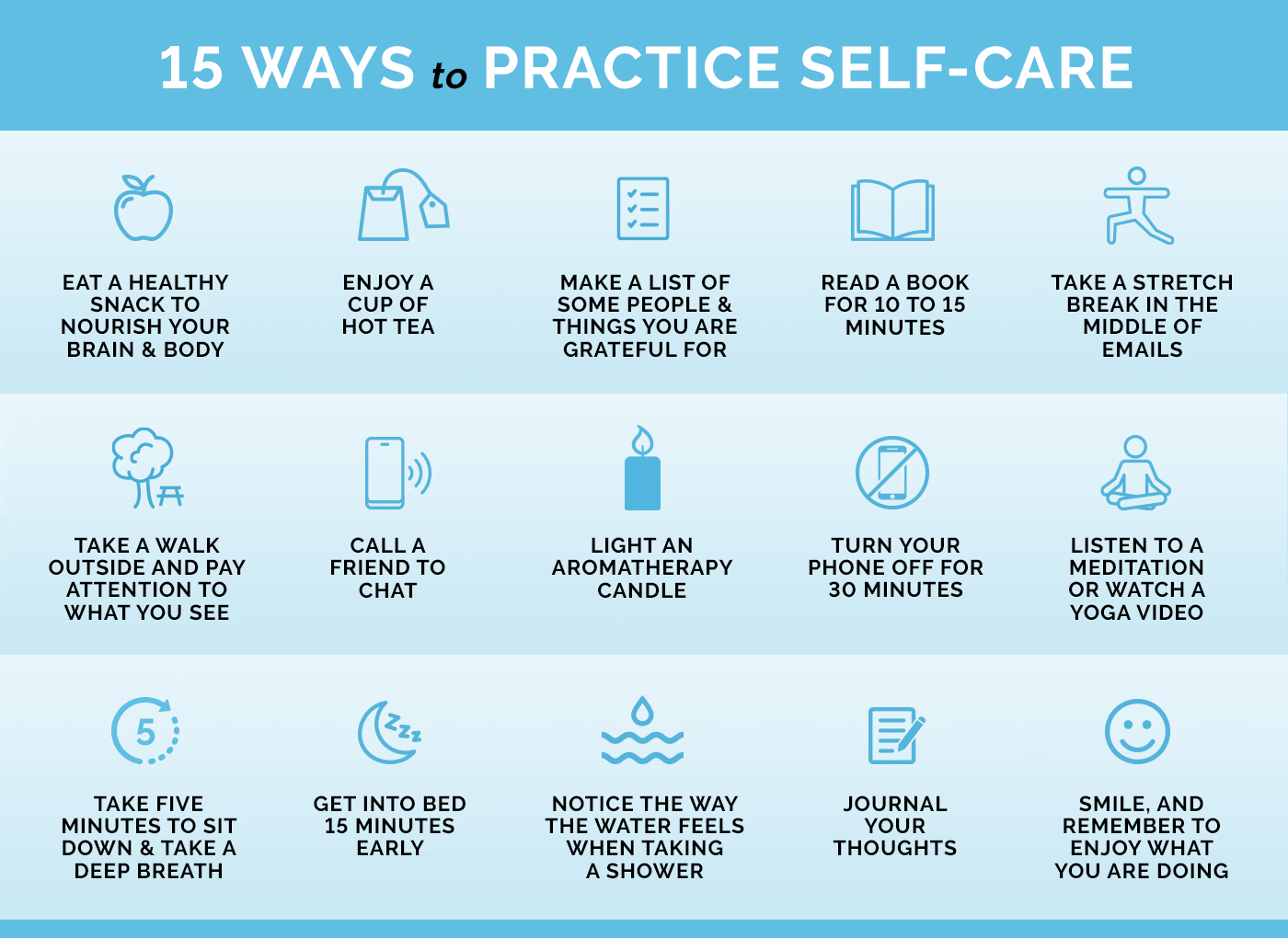
Understanding the Importance of Self-care for Preventive Health
Self-care is more than just pampering yourself or indulging in occasional treats; it is a holistic approach to nurturing your mind, body, and spirit. Preventive health, on the other hand, focuses on taking proactive measures to prevent illness and maintain overall well-being. By integrating self-care practices into your daily routine, you can boost your immune system, reduce stress levels, and enhance your overall quality of life.
How Self-care Impacts Preventive Health
When you prioritize self-care, you are investing in your long-term health and well-being. Taking care of yourself physically, mentally, and emotionally can help prevent chronic illnesses, improve your immune system, and enhance your overall quality of life. By incorporating simple self-care practices into your daily routine, you can experience numerous benefits, such as increased energy levels, improved mood, and better resilience to stress.

Practical Self-care Practices for Preventive Health
Physical Self-care
Taking care of your physical well-being is essential for preventive health. Incorporate regular exercise, eat a balanced diet, get enough sleep, and stay hydrated to maintain your overall health. Additionally, practice good hygiene, get regular check-ups with your healthcare provider, and listen to your body’s signals to prevent illnesses and maintain a healthy lifestyle.
Mental Self-care
Your mental health is just as important as your physical health. Practice mindfulness, meditation, and relaxation techniques to manage stress levels and promote mental well-being. Engage in activities that bring you joy and relaxation, set boundaries to protect your mental health, and seek professional help if you are struggling with mental health issues.
Emotional Self-care
Taking care of your emotional well-being is crucial for preventive health. Express your feelings, practice self-compassion, and build healthy relationships to maintain emotional balance. Engage in activities that nourish your soul, such as spending time with loved ones, pursuing hobbies, or seeking therapy if needed. Recognize your emotional needs and prioritize self-care practices that support your emotional well-being.
Social Self-care
Building and maintaining healthy relationships is an important aspect of self-care for preventive health. Connect with friends, family, and community members to cultivate a support system that promotes your overall well-being. Participate in social activities, volunteer in your community, and engage in meaningful conversations to strengthen your social connections and boost your mental and emotional health.
Implementing Self-care Practices Into Your Daily Routine
Now that you understand the importance of self-care for preventive health and the different aspects of self-care, it’s time to implement these practices into your daily routine. Start by setting realistic goals, creating a self-care plan, and prioritizing self-care activities that align with your needs and preferences. Remember that self-care is a journey, and it may take time to find what works best for you. Be patient with yourself and allow yourself grace as you navigate through the process of self-care.
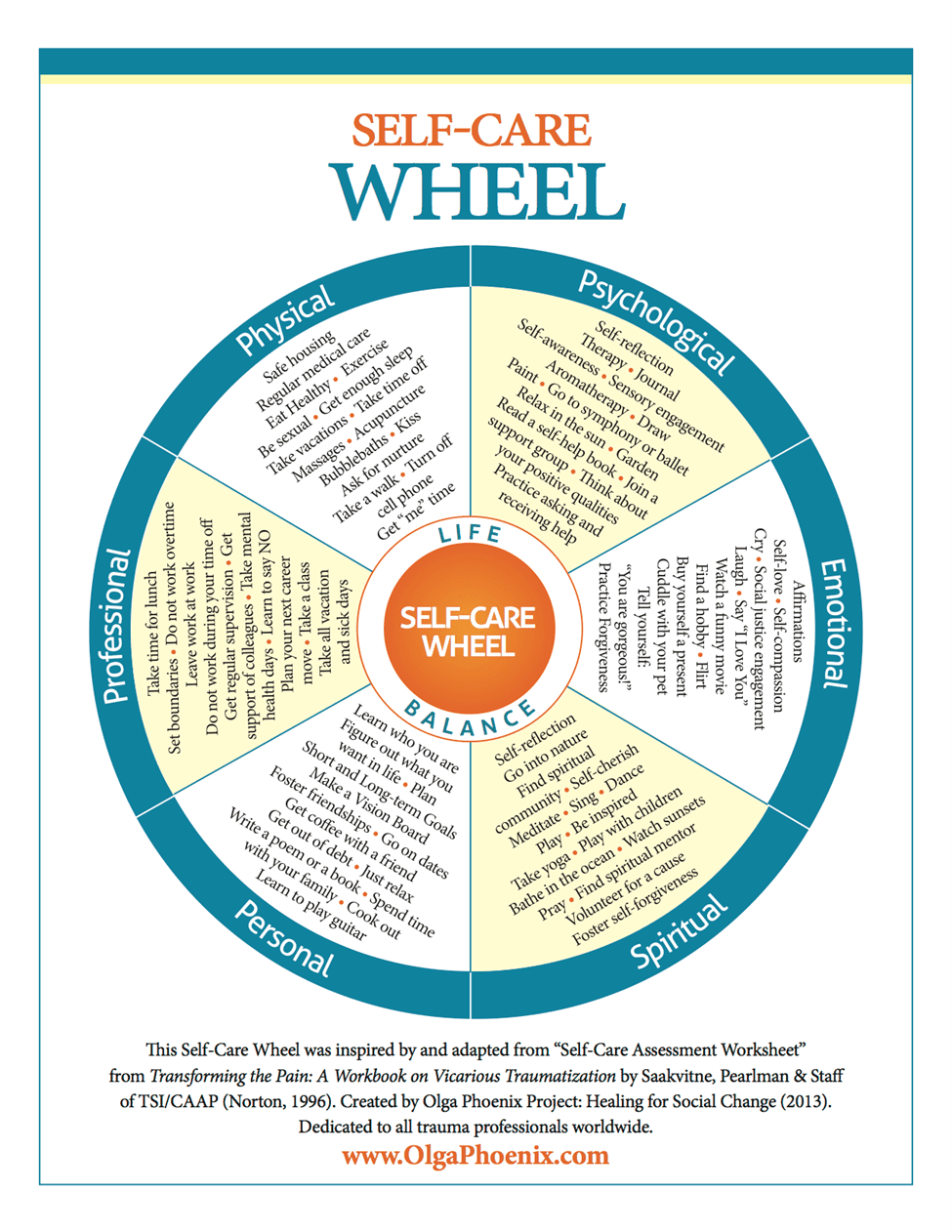
Tracking Your Progress and Making Adjustments
As you incorporate self-care practices into your daily routine, it’s essential to track your progress and make adjustments as needed. Keep a self-care journal to reflect on your experiences, set new goals, and monitor your overall well-being. Listen to your body and mind, and be mindful of any changes or improvements in your health. If certain self-care practices are not yielding the desired results, don’t hesitate to adjust or try new approaches that better suit your needs.
Seeking Support and Accountability
Practicing self-care for preventive health is a journey that you don’t have to embark on alone. Seek support from friends, family, or healthcare professionals to help you stay accountable and motivated on your self-care journey. Join support groups, participate in wellness workshops, or engage with online communities that promote self-care and well-being. Remember that asking for help is a sign of strength, and surrounding yourself with a supportive network can enhance your self-care practices and preventive health outcomes.
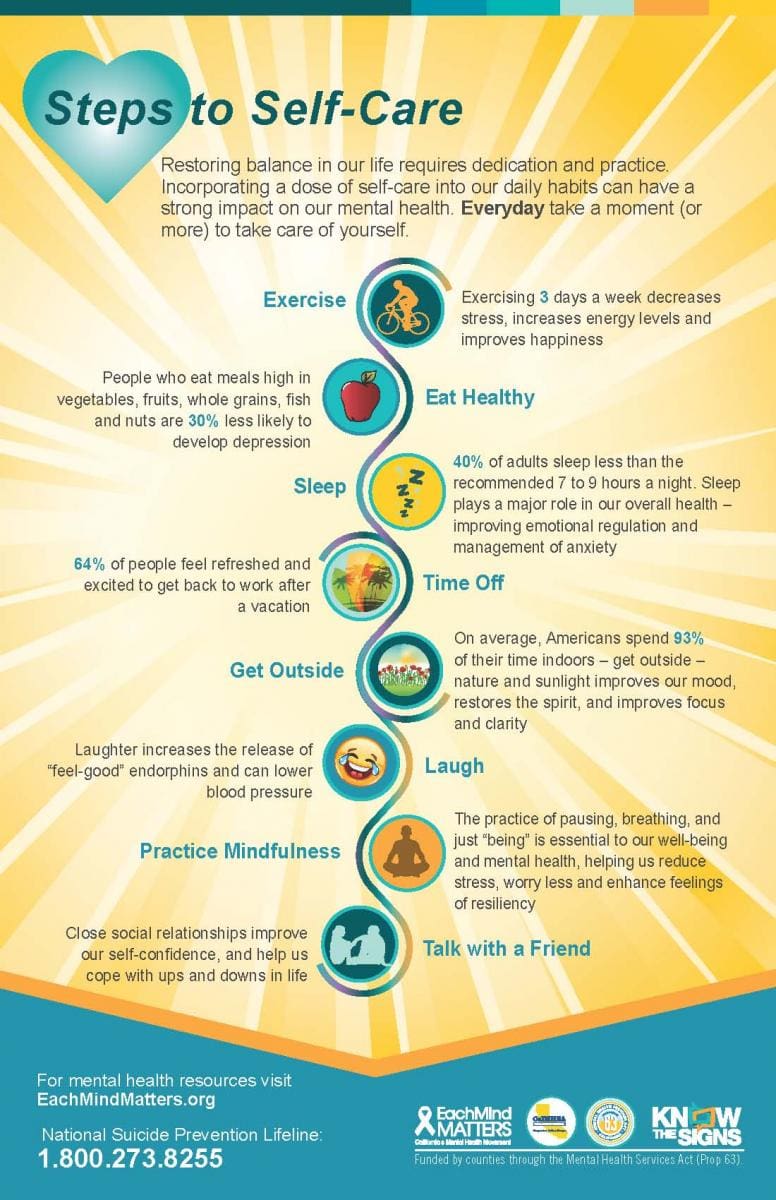
Celebrating Your Progress and Success
As you continue to prioritize self-care for preventive health, don’t forget to celebrate your progress and success along the way. Acknowledge your efforts, recognize your achievements, and reward yourself for practicing self-care and investing in your well-being. Celebrate the small victories, milestones, and positive changes that you experience as a result of prioritizing self-care in your daily routine. Remember that self-care is not selfish; it is essential for maintaining your health, happiness, and overall quality of life.
In conclusion, practicing self-care for preventive health is a valuable investment in your overall well-being. By incorporating physical, mental, emotional, and social self-care practices into your daily routine, you can boost your immune system, reduce stress levels, and enhance your quality of life. Remember that self-care is a journey, and it’s okay to start small and gradually build your self-care habits over time. Prioritize your well-being, seek support when needed, and celebrate your progress along the way. Your health and happiness are worth the effort you put into practicing self-care for preventive health.