
Hey there! If you’re looking to maintain a healthy hormonal balance, then this article is for you. We all know how important hormones are in regulating everything from mood to energy levels, so it’s crucial to find ways to support them. In this piece, we’ll explore some simple yet effective strategies that can help men maintain optimal hormonal balance. From diet to exercise and lifestyle changes, we’ve got you covered. So, let’s dive right in and discover how you can take charge of your hormones and unlock a world of vitality and well-being. Maintain a Healthy Diet
Consume a Balanced Diet
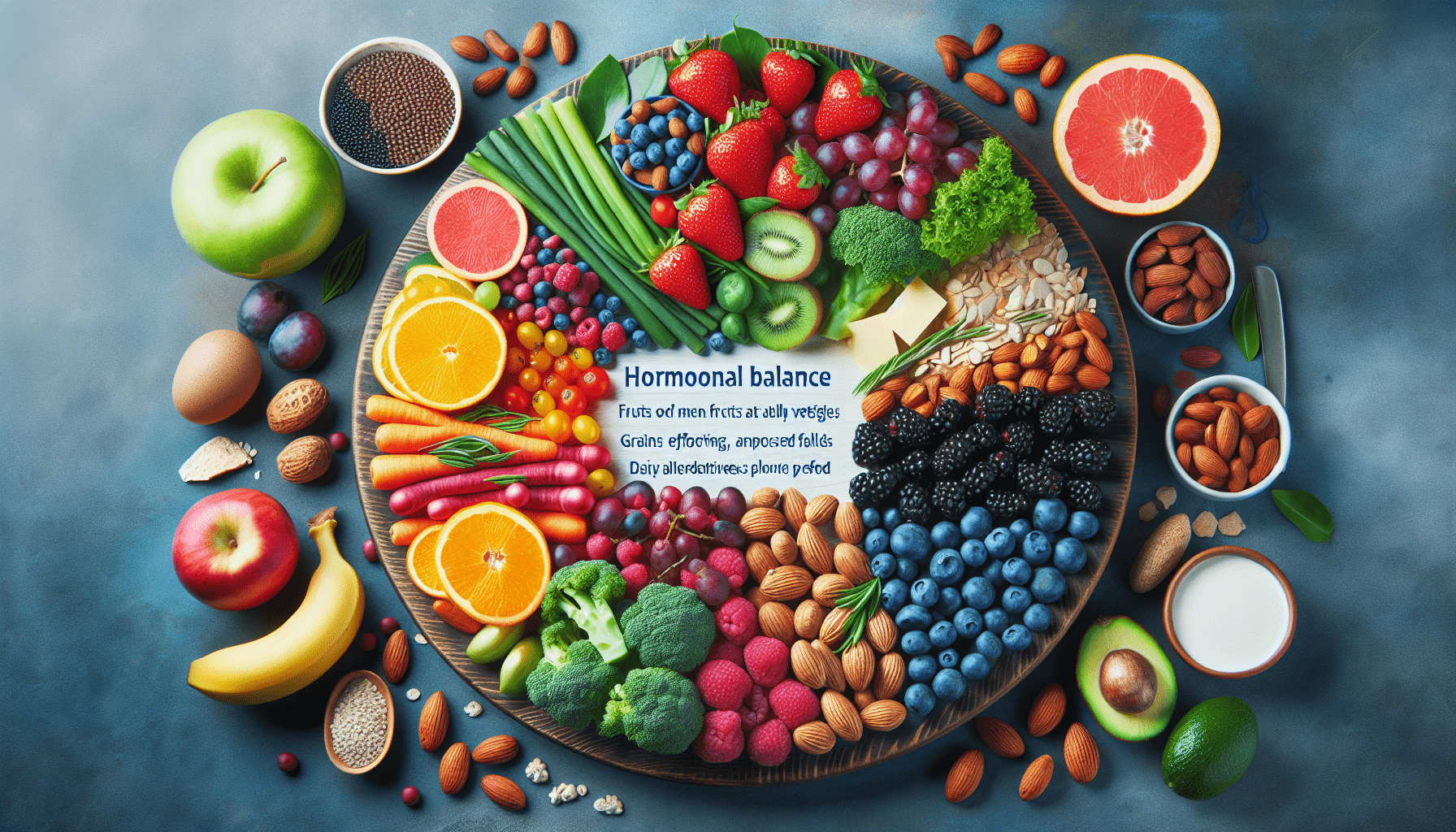
When it comes to maintaining a healthy diet, it’s essential to consume a balanced mix of foods to ensure your body gets all the necessary nutrients. Include a variety of fruits, vegetables, whole grains, lean proteins, and dairy or dairy alternatives in your meals. Aim to fill your plate with different colors, which indicates a range of vitamins and minerals. By consuming a balanced diet, you provide your body with the fuel it needs to function optimally.
Include Essential Nutrients
To support hormonal balance, it’s crucial to include specific essential nutrients in your diet. These nutrients include vitamins, minerals, and omega-3 fatty acids. Vitamins such as vitamin D, vitamin B6, and vitamin E play a vital role in regulating hormones. Minerals like zinc and magnesium are also essential for hormone production and overall health. Omega-3 fatty acids, found in fatty fish, flaxseeds, and chia seeds, can help reduce inflammation and support hormonal balance.
Limit Processed Foods
Processed foods are often packed with unhealthy additives, preservatives, and artificial ingredients that can disrupt your hormonal balance. It’s best to limit your intake of processed snacks, fast food, sugary drinks, and packaged meals. Instead, focus on whole, unprocessed foods that are nutrient-dense and support overall health.
Reduce Sugar Intake
High sugar consumption can lead to insulin resistance, weight gain, and hormonal imbalances. Keep your sugar intake in check by reducing your consumption of sugary desserts, sodas, and processed snacks. Opt for natural sweeteners like honey or maple syrup when needed, and be mindful of hidden sugars in foods like sauces and dressings.
Eat Healthy Fats
Contrary to popular belief, not all fats are bad for you. In fact, healthy fats play a crucial role in supporting hormonal balance. Include sources of healthy fats in your diet, such as avocados, nuts, seeds, olive oil, and fatty fish like salmon. These fats can help regulate hormone production and reduce inflammation in the body.
Manage Portion Sizes
While it’s important to eat a balanced diet, it’s equally important to manage portion sizes to avoid overeating. Be mindful of how much you’re consuming and listen to your body’s signals of hunger and fullness. Practice portion control by using smaller plates, measuring serving sizes, and paying attention to your body’s cues to eat until you’re satisfied, not uncomfortably full.
Stay Active and Exercise Regularly
Engage in Strength Training
Strength training exercises such as weightlifting and resistance training can help boost testosterone levels and improve overall hormonal balance in men. These exercises help build muscle mass, increase metabolism, and enhance bone density. Include strength training in your exercise routine at least two to three times a week, targeting different muscle groups for maximum benefit.
Incorporate Cardiovascular Exercises
Cardiovascular exercises, such as jogging, swimming, or cycling, are important for maintaining a healthy heart and overall fitness level. Regular cardiovascular exercise can help improve blood circulation, enhance cardiovascular health, and support hormone production. Aim for at least 150 minutes of moderate-intensity aerobic activity per week or 75 minutes of vigorous-intensity aerobic activity.
Try High-Intensity Interval Training
High-intensity interval training (HIIT) involves short bursts of intense exercise followed by short recovery periods. This type of exercise can be highly effective in boosting testosterone levels and improving overall hormonal balance. Incorporate HIIT workouts into your routine, alternating between intense exercises and periods of rest or low-intensity exercise.
Include Yoga or Pilates
In addition to strength and cardio exercises, it’s beneficial to include activities like yoga or Pilates in your routine. These low-impact exercises focus on flexibility, balance, and core strength. Yoga and Pilates can help reduce stress levels, improve posture, and promote overall physical and mental well-being.
Prioritize Regular Physical Activity
Consistency is key when it comes to exercise. Make physical activity a regular part of your daily routine to maintain hormonal balance. Whether it’s taking a brisk walk, going for a bike ride, or playing a sport, find activities that you enjoy and that fit into your schedule. Aim for at least 30 minutes of moderate-intensity exercise most days of the week.
Manage Stress Levels
Practice Stress-Relieving Techniques
Stress can have a significant impact on hormonal balance. It’s important to find healthy ways to manage and reduce stress levels. Incorporate stress-relieving techniques into your routine, such as deep breathing exercises, meditation, or mindfulness. These practices can help calm the mind, reduce cortisol levels, and promote a sense of well-being.
Get Sufficient Sleep
Adequate sleep is crucial for hormonal balance and overall health. Aim to get 7-9 hours of quality sleep each night. Establish a consistent sleep schedule by going to bed and waking up at the same time each day. Create a relaxing bedtime routine that includes activities like reading, taking a warm bath, or practicing relaxation techniques to prepare your body and mind for sleep.
Prioritize Relaxation
In addition to getting enough sleep, it’s important to prioritize relaxation throughout your day. Find activities that help you unwind and reduce stress, such as listening to calming music, practicing yoga or Tai Chi, or enjoying a hobby you love. Taking regular breaks and giving yourself time to relax can significantly improve your hormonal balance.
Engage in Hobbies or Activities You Enjoy
Engaging in activities you enjoy can have a positive impact on your overall well-being and help manage stress. Whether it’s playing a musical instrument, painting, gardening, or playing a sport, make time for hobbies and activities that bring you joy. These activities can provide a healthy outlet for stress and contribute to a balanced and fulfilling life.
Seek Support from Loved Ones
Building and maintaining a strong support system is crucial for managing stress and promoting hormonal balance. Reach out to loved ones, whether it’s friends, family, or a support group, to share your feelings and experiences. Sharing and connecting with others can help alleviate stress and provide a sense of belonging and support.
Consider Mindfulness or Meditation
Mindfulness and meditation practices can help reduce stress levels and promote a sense of calm and balance. These practices involve focusing your attention on the present moment and observing thoughts and sensations without judgment. Consider incorporating mindfulness or meditation into your daily routine to support hormonal balance and overall well-being.
Maintain a Healthy Weight
Set Realistic Weight Goals
Maintaining a healthy weight is essential for hormonal balance. Set realistic weight goals based on your individual body type and consult with a healthcare professional if needed. Avoid crash diets or extreme weight loss methods, as these can disrupt hormonal balance and have negative effects on your overall health.
Monitor Caloric Intake
To maintain a healthy weight, it’s important to monitor your caloric intake. Consume an appropriate amount of calories for your activity level and metabolic needs. Avoid excessive calorie restriction, as this can negatively impact hormone production and metabolism. Focus on consuming nutrient-dense foods and avoid empty calories from sugary snacks and beverages.
Engage in Regular Exercise
Regular exercise plays a crucial role in maintaining a healthy weight and supporting hormonal balance. Combine cardiovascular exercises, strength training, and flexibility exercises to achieve optimal results. Aim for at least 150 minutes of moderate-intensity aerobic activity per week, along with strength training exercises two to three times a week.
Avoid Crash Diets
Crash diets, which involve severe calorie restriction or drastic changes in eating patterns, can disrupt hormonal balance and negatively impact your overall health. Instead of resorting to quick fixes, focus on making sustainable lifestyle changes that promote balanced nutrition, regular physical activity, and overall well-being.
Seek Professional Guidance if Needed
If you’re struggling to maintain a healthy weight or have concerns about hormonal balance, it’s essential to seek professional guidance. Consult with a registered dietitian, nutritionist, or healthcare provider who specializes in hormonal health. They can provide personalized advice and guidance tailored to your specific needs and help you develop a plan to achieve and maintain a healthy weight.
Get Sufficient Sleep
Establish a Consistent Sleep Schedule
Establishing a consistent sleep schedule is crucial for getting sufficient sleep and supporting hormonal balance. Try to go to bed and wake up at the same time each day, even on weekends. This consistency helps regulate your body’s internal clock and promotes better sleep quality.
Create a Relaxing Bedtime Routine
Developing a relaxing bedtime routine can help signal to your body that it’s time to wind down and prepare for sleep. Engage in calming activities like reading a book, taking a warm bath, or practicing relaxation techniques. Avoid stimulating activities or electronic devices that can interfere with your ability to fall asleep.
Ensure a Comfortable Sleep Environment
A comfortable sleep environment can make a significant difference in the quality of your sleep. Make sure your bedroom is dark, quiet, and at a comfortable temperature. Use blackout curtains or an eye mask to block out any external light, wear earplugs or use white noise machines to minimize noise disruptions, and use comfortable bedding and pillows that support your sleeping posture.
Limit Exposure to Electronics before Bed
The blue light emitted by electronic devices such as smartphones, tablets, and computers can interfere with your sleep quality. Limit exposure to these devices at least an hour before bed. If you must use electronic devices, consider using blue light filters or wearing blue light-blocking glasses to minimize their impact on your sleep.
Avoid Stimulants like Caffeine at Night
Stimulants like caffeine can disrupt your sleep patterns and make it difficult to fall asleep or stay asleep. Limit your caffeine intake, especially in the late afternoon and evening. Opt for decaffeinated beverages or herbal teas instead. Remember to check for hidden sources of caffeine, such as chocolate or certain medications.
Limit Alcohol Consumption
Drink in Moderation
While moderate alcohol consumption may not have significant negative effects on hormonal balance, excessive or frequent drinking can disrupt your hormones. Drink alcohol in moderation, which is typically defined as one to two drinks per day for men. Remember, it’s important to take into consideration other factors such as your overall health and any specific conditions you may have.
Avoid Binge Drinking
Binge drinking, defined as consuming a large amount of alcohol in a short period, can have severe consequences for hormonal balance and overall health. It can lead to hormonal imbalances, liver damage, and other health complications. Avoid binge drinking and be mindful of the amount of alcohol you consume on any occasion.
Understand the Risks of Excessive Alcohol
Excessive alcohol consumption can disrupt the delicate balance of hormones in your body. Alcohol can affect the production and regulation of various hormones, including testosterone, estrogen, and cortisol. Over time, this disruption can lead to hormonal imbalances and negatively impact your overall health. Be aware of the risks and consider moderation in your alcohol intake.
Consider Non-Alcoholic Alternatives
If you’re looking to reduce your alcohol consumption or take a break from drinking, consider non-alcoholic alternatives. There are a variety of non-alcoholic beers, wines, and cocktails available that can provide a similar taste experience without the effects of alcohol. These alternatives can help you maintain hormonal balance while still enjoying social occasions.
Avoid Smoking and Drug Use
Quit Smoking or Vaping
Smoking and vaping have numerous negative effects on hormonal balance and overall health. Nicotine and other harmful chemicals present in cigarettes and e-cigarettes can disrupt hormone production, decrease fertility, and increase the risk of various health conditions. Quitting smoking or vaping is essential for supporting hormonal balance and optimizing your overall well-being.
Seek Support to Overcome Addiction
Quitting smoking or overcoming drug addiction can be challenging, so it’s important to seek professional help or support from loved ones. There are several resources available, including counseling, support groups, nicotine replacement therapy, or medication, that can aid in quitting smoking or overcoming substance abuse. Reach out for assistance to improve your hormonal balance and overall health.
Educate Yourself on the Health Risks
Understanding the health risks associated with smoking and drug use can be a powerful motivator to quit. Educate yourself on the specific risks, such as increased risk of hormone-related cancers, heart disease, stroke, and fertility issues. Knowing the potential consequences can help strengthen your resolve to quit and support your hormonal balance goals.
Avoid Recreational Drug Use
Recreational drug use, whether it’s illegal substances or misusing prescription medications, can have a severe impact on your hormonal balance and overall health. These substances can disrupt hormone production, alter brain chemistry, and increase the risk of addiction and other health complications. Avoid recreational drug use to maintain optimal hormonal balance.
Stay Hydrated
Drink Sufficient Water
Staying hydrated is crucial for supporting optimal hormonal balance and overall health. Water plays a role in transporting hormones throughout the body and maintaining proper bodily functions. Aim to drink at least eight glasses of water per day, or more if you’re physically active or in hot weather conditions.
Limit Soda and Sugary Beverages
Soda and sugary beverages often contain high levels of added sugars that can disrupt hormonal balance and contribute to weight gain. Replace these drinks with water, flavored water, herbal teas, or unsweetened drinks. If you’re craving something sweet, opt for naturally sweetened beverages like fruit-infused water or unsweetened herbal teas.
Monitor Hydration Levels during Exercise
During physical activity, it’s important to pay attention to your hydration levels. Drink water before, during, and after exercise to replenish fluid loss through sweat. If you’re engaging in intense or prolonged exercise, consider sports drinks or beverages with added electrolytes to help replenish both fluids and essential minerals.
Consider Adding Electrolytes to Water
Electrolytes are minerals that help maintain proper fluid balance and support various bodily functions. Adding electrolytes to your water can aid in hydration and overall hormonal balance. You can find electrolyte supplements or add slices of fruits like citrus or berries to your water for a natural source of electrolytes.
Maintain A Healthy Gut
Consume Probiotic Foods or Supplements
A healthy gut microbiome is essential for optimal hormonal balance. Consume probiotic-rich foods such as yogurt, kefir, sauerkraut, and kimchi to promote the growth of beneficial bacteria in your gut. If needed, consider taking probiotic supplements to support a healthy gut microbiome.
Eat High-Fiber Foods
Fiber is essential for gut health and can help regulate hormonal balance. Include foods high in fiber, such as fruits, vegetables, whole grains, legumes, and seeds, in your diet. Fiber promotes healthy digestion, regulates bowel movements, and supports the growth of beneficial gut bacteria.
Avoid Excessive Antibiotic Use
While antibiotics can be necessary to treat bacterial infections, excessive or unnecessary use can disrupt the balance of bacteria in your gut. This disruption can impact hormonal balance and overall health. Whenever possible, avoid unnecessary antibiotic use and consult with your healthcare provider for alternative treatment options.
Manage Digestive Conditions or Food Sensitivities
Digestive conditions or food sensitivities can contribute to an unhealthy gut and hormonal imbalances. If you’re experiencing digestive issues or suspect food sensitivities, seek medical advice to identify and manage these conditions. Working with a healthcare professional or registered dietitian can help you develop a personalized plan to optimize your gut health and hormonal balance.
Get Regular Check-ups
Schedule Routine Physical Examinations
Regular physical examinations are essential for monitoring your overall health and ensuring hormonal balance. Schedule routine check-ups with your healthcare provider to discuss any concerns, review your medical history, and address any potential hormonal imbalances. These examinations can help detect any underlying health issues and allow for early intervention if necessary.
Monitor Hormone Levels
If you suspect hormonal imbalances, your healthcare provider may recommend monitoring your hormone levels through blood tests. These tests can provide valuable insights into your hormonal status and help identify any imbalances that may require medical intervention or lifestyle modifications.
Discuss Any Symptoms or Concerns with a Healthcare Provider
Open communication with your healthcare provider is crucial for maintaining hormonal balance. If you experience any symptoms or have concerns about your hormonal health, don’t hesitate to discuss them with your healthcare provider. They can provide guidance, order necessary tests if needed, and work with you to develop a treatment plan that supports optimal hormonal balance.
Follow Recommended Screening Guidelines
Following recommended screening guidelines for various health conditions, such as prostate cancer or cardiovascular disease, is essential for maintaining overall health and hormonal balance. Regular screenings can detect any potential issues early on, allowing for prompt treatment and prevention of complications. Be proactive in scheduling and attending recommended screenings as advised by your healthcare provider.
In conclusion, supporting hormonal balance for men requires a holistic approach that encompasses various aspects of overall health and well-being. By maintaining a healthy diet, staying active, managing stress levels, maintaining a healthy weight, getting sufficient sleep, limiting alcohol consumption, avoiding smoking and drug use, staying hydrated, maintaining a healthy gut, and getting regular check-ups, you can support optimal hormonal balance and promote overall wellness.
Remember, it’s important to listen to your body, seek professional guidance when needed, and make sustainable lifestyle changes that support your individual hormonal health goals. By prioritizing your health and well-being, you can effectively support hormonal balance and enhance your overall quality of life.