Have you ever wondered how colors can affect your mood and overall well-being? In this article, discover the fascinating world of color therapy and learn how you can use different hues to promote healing and balance in your life. From calming blues to energizing yellows, explore the various ways you can incorporate color into your everyday routine to enhance your emotional and physical health. Get ready to embark on a colorful journey towards a happier and more harmonious existence.
Understanding Color Therapy
What is color therapy?
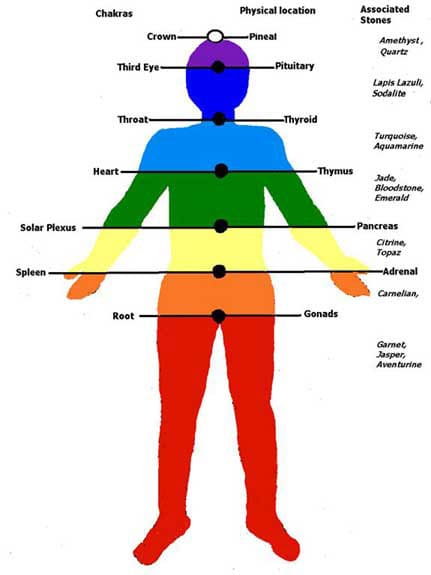
Color therapy, also known as chromotherapy or color healing, is a holistic approach to promoting physical, emotional, and spiritual well-being through the use of colors. It is based on the belief that different colors have unique energetic properties that can be harnessed to heal the body, mind, and spirit. Color therapists believe that when we are exposed to certain colors, our energy centers, or chakras, can be balanced and stimulated, leading to a state of harmony and vitality.
How does color therapy work?
Color therapy works by utilizing the vibrational frequencies of colors to bring about healing and balance within the individual. Each color is associated with specific qualities and has the ability to affect our mood, emotions, and even our physical health. When we are exposed to a particular color, whether through visual stimulation or by wearing clothing or accessories in that color, our energy field absorbs and responds to the frequency of that color, which in turn influences our overall well-being.
The history of color therapy
Color therapy has been used for centuries as a healing modality, with ancient civilizations such as the Egyptians, Greeks, and Chinese recognizing the power of colors. In ancient Egypt, for example, color was used in the temples for both healing and spiritual purposes. The Greek physician Hippocrates also incorporated the use of color in his healing practices. Color therapy gained more traction in the modern world with the contributions of notable figures such as Johann Wolfgang von Goethe and Rudolf Steiner, who furthered our understanding of the psychological and spiritual effects of colors.
Choosing Colors for Healing
Primary colors and their meanings
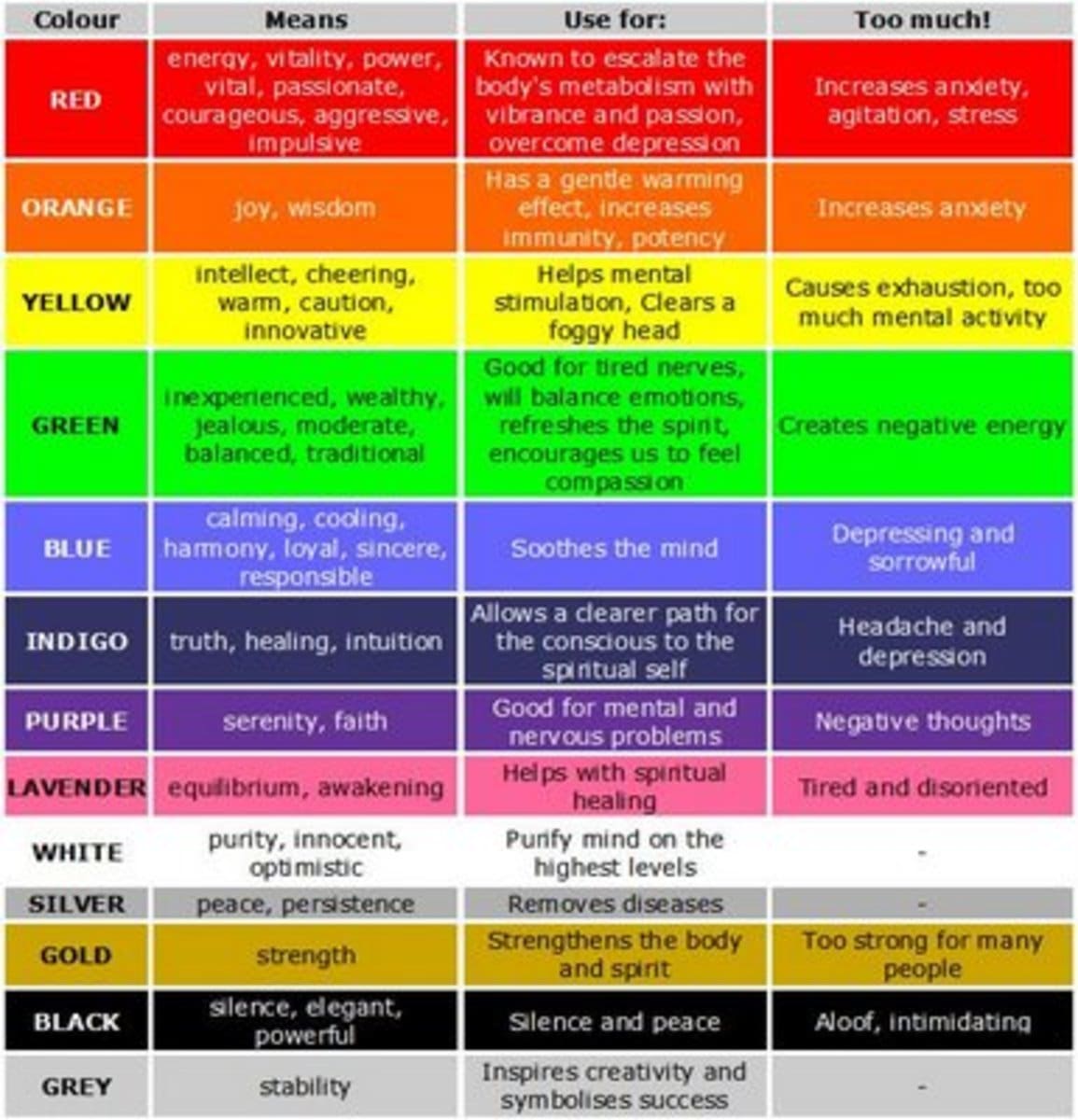
The primary colors, red, blue, and yellow, form the basis of all other colors and each carry their own unique meanings. Red, representing passion and vitality, is often used to stimulate energy and boost confidence. Blue, symbolizing calm and tranquility, is perfect for promoting relaxation and relieving stress. Yellow, known as the color of sunshine, is associated with mental clarity, happiness, and creativity.
Secondary colors and their meanings
Secondary colors, such as orange, green, and purple, are created by mixing the primary colors. Orange combines the energy of red with the joy of yellow, making it ideal for balancing emotions and encouraging creativity. Green, a blend of blue and yellow, is associated with healing and abundance, making it beneficial for promoting physical health and prosperity. Purple, a combination of blue and red, represents spirituality and transformation, making it a color of choice for those seeking inner growth and connectedness with the divine.
Special colors and their meanings
In addition to primary and secondary colors, there are also special colors that hold unique properties. For example, pink is often associated with love, compassion, and soothing emotions. It can be used to foster self-love and create a harmonious environment. Silver, on the other hand, is a color of intuition and feminine energy. It is often used in color therapy to enhance psychic abilities and tap into the realm of the subconscious mind.
Using color charts or guides
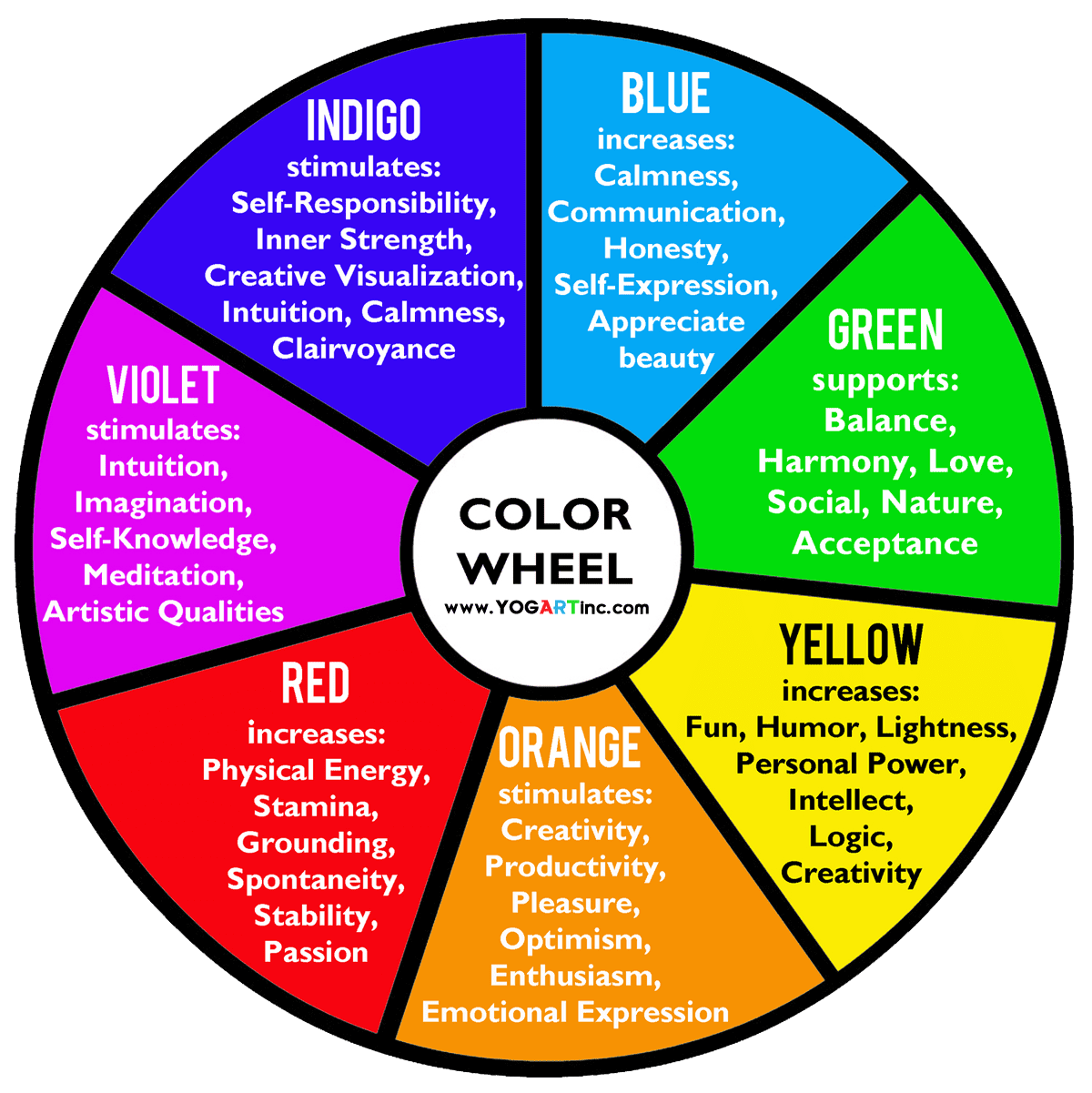
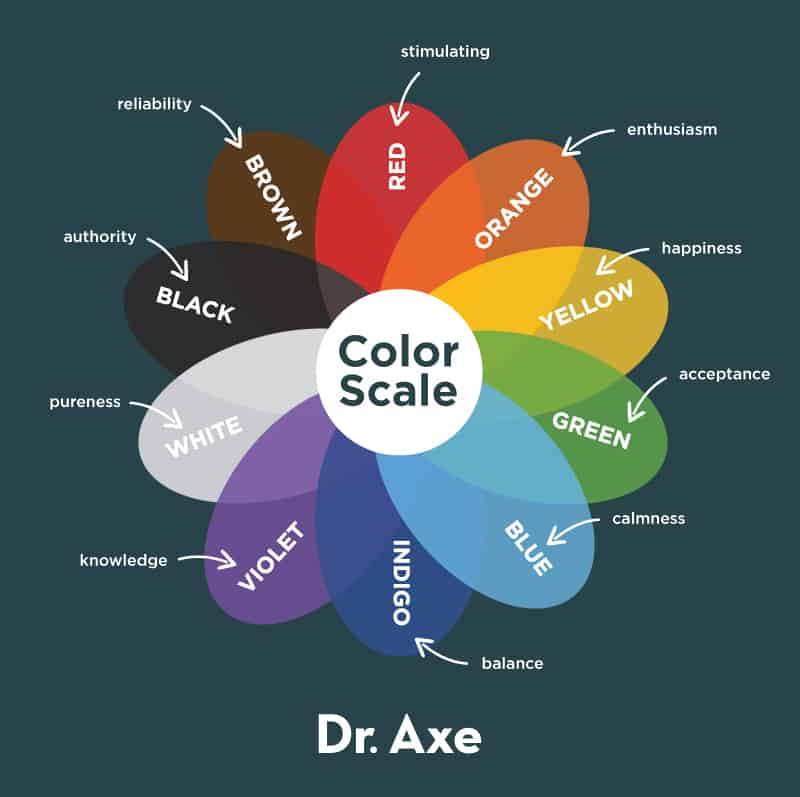
To effectively utilize color therapy, it can be helpful to refer to color charts or guides that provide detailed information on the meanings and properties of different colors. These resources can assist in selecting the appropriate color for a specific healing intention or desired outcome. They can also aid in understanding how different colors interact with each other and how they can be combined to create a harmonious and balanced energy field.
Applying Color Therapy in Everyday Life
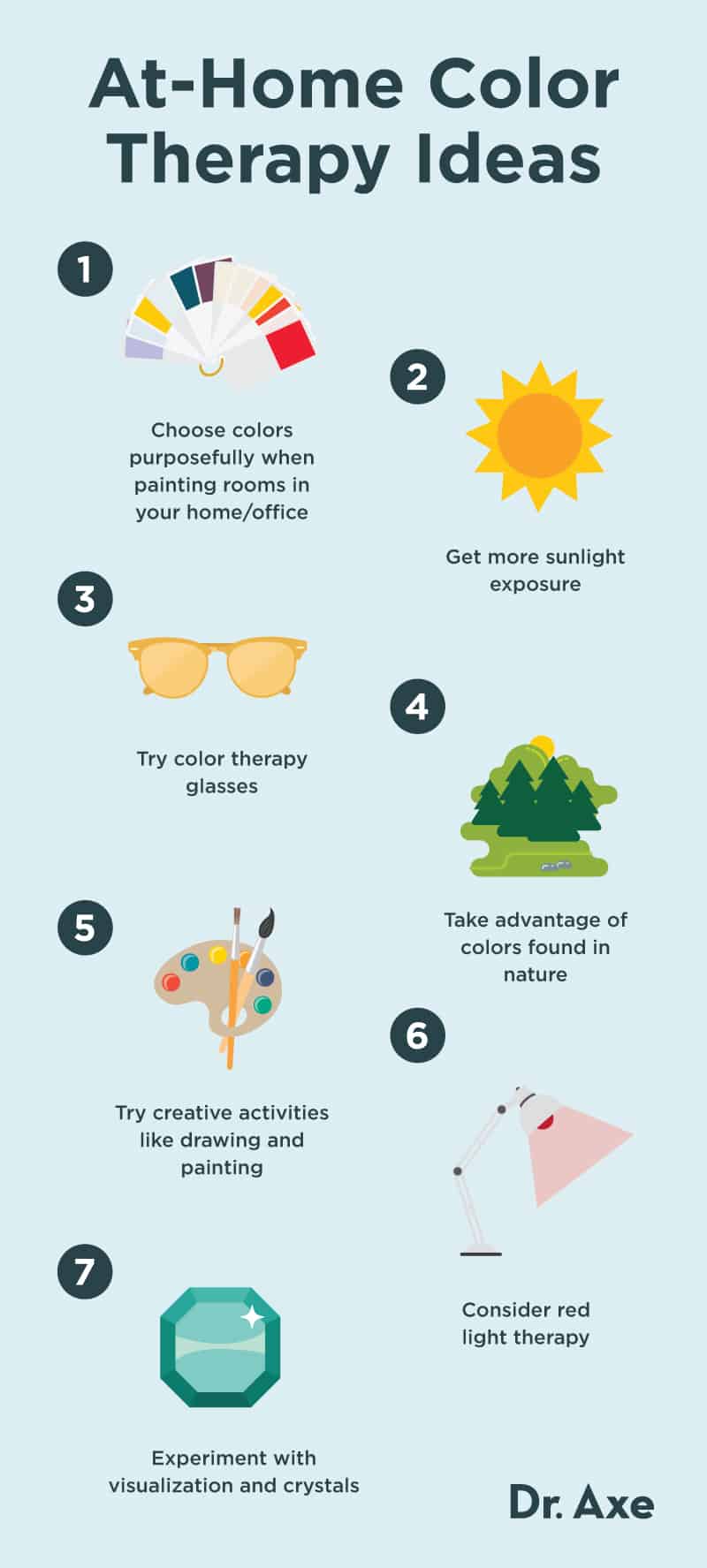
Color therapy in home decor
You can easily incorporate color therapy into your home decor to create a harmonious and healing environment. By selecting furniture, artwork, and accessories in specific colors, you can influence the energy in each room. For example, painting your bedroom walls a soothing shade of blue can promote relaxation and peaceful sleep. Adding touches of vibrant orange in the kitchen can stimulate creativity while preparing meals. It is important to consider the overall energy you want to evoke in each space and choose colors accordingly.
Using color therapy in clothing and accessories
Another way to incorporate color therapy into your daily life is by wearing clothing and accessories in colors that support your intentions and desired outcomes. If you are seeking more energy and vitality, try incorporating more reds and yellows into your wardrobe. To enhance mental clarity and focus, opt for clothing in shades of yellow. By consciously selecting the colors you wear, you can create a subtle yet impactful shift in your energy field throughout the day.
Incorporating color therapy in your workspace
If you spend a significant amount of time in your workspace, incorporating color therapy can help create a conducive environment for productivity and focus. Consider adding pops of vibrant colors to your desk or surrounding yourself with soothing blues and greens to promote a sense of calm and mental clarity. By utilizing color in your workspace, you can create a visually stimulating and energetically supportive setting for your work tasks.
Color therapy in meditation and visualization
Color therapy can also be applied during meditation and visualization practices to deepen your connection with specific energetic qualities. In your meditation practice, you can visualize a specific color, such as green for healing, enveloping your entire body and infusing each cell with its rejuvenating energy. Alternatively, you can imagine yourself surrounded by a beautiful spectrum of colors, allowing their vibrations to cleanse and balance your energy centers. By incorporating color into your meditation practice, you can enhance the healing and transformative aspects of these practices.
Healing with Specific Colors
Red for energy and vitality
Red is a powerful color that stimulates energy, passion, and vitality. It can be used to combat fatigue, boost confidence, and ignite motivation. Direct exposure to red, such as through wearing red clothing or surrounding yourself with red objects, can help increase energy levels, improve circulation, and promote a sense of empowerment. Red is particularly beneficial for those who feel physically drained or lack motivation in their lives.
Orange for creativity and emotional balance
Orange is a color that combines the energy of red with the joy of yellow, making it an excellent choice for stimulating creativity and promoting emotional balance. It has a warm and energizing quality that can enhance enthusiasm and optimism. Orange is often used to uplift moods, improve concentration, and inspire new ideas. Incorporating orange in your surroundings, such as through orange artwork or wearing orange accessories, can spark the creative fire within you.
Yellow for mental clarity and happiness
Yellow is the color associated with mental clarity and happiness. It is bright, uplifting, and known to stimulate the intellect. Wearing yellow clothing or surrounding yourself with yellow objects can enhance focus, improve memory, and increase overall mental clarity. Yellow is also a color of joy and can help uplift moods and promote a sense of happiness and well-being. For those who are seeking mental stimulation and emotional upliftment, yellow can be a powerful color to incorporate into their lives.
Green for healing and abundance
Green is often referred to as the color of healing and abundance. It represents growth, harmony, and balance. Green is known to promote physical healing, as it has a soothing and calming effect on the body. It is also associated with abundance and prosperity, making it a powerful color for attracting financial well-being. Surrounding yourself with green, whether through plants, paintings, or clothing, can help create a healing and prosperous energy field in your life.
Blue for calmness and communication
Blue is a color that induces a sense of calmness, tranquility, and peacefulness. It is often used to relieve stress and anxiety, as well as promote relaxation and restful sleep. Blue is also associated with clear communication and self-expression. Incorporating shades of blue in your environment or wearing blue clothing can help create a serene and calming atmosphere while facilitating effective communication and self-assertion.
Indigo for intuition and spiritual awareness
Indigo is a deep, rich color that is associated with intuition, spiritual awareness, and inner wisdom. It represents the realm of the third eye chakra, which is the center of intuition and higher consciousness. Indigo can be used to enhance psychic abilities, deepen meditation practices, and foster a connection with the divine. By incorporating indigo through clothing, artwork, or meditation practices, you can tap into the depth of your intuition and expand your spiritual awareness.
Violet for transformation and spiritual growth
Violet is the color of transformation and spiritual growth. It represents the merging of the spiritual and physical realms, making it a powerful color for inner transformation and self-realization. Violet is often used to cleanse and purify energy, as well as stimulate spiritual growth. Wearing violet clothing or surrounding yourself with violet objects can create a sense of sacredness and support in your spiritual journey.
Using Color Visualization Techniques
Visualizing colored light or energy
A popular technique in color therapy is to visualize colored light or energy surrounding and permeating your body. During meditation or relaxation practices, you can close your eyes and imagine a specific color, such as vibrant green for healing, radiating from a source and enveloping your entire body. You can visualize this colored light penetrating each cell and infusing it with the healing energy of that particular color. By regularly practicing this visualization technique, you can enhance the benefits of color therapy and promote well-being on multiple levels.
Color breathing exercises
Color breathing exercises involve using your breath to absorb and integrate colors into your energy field. To perform a color breathing exercise, close your eyes and take a deep breath in, imagining that you are inhaling a specific color. As you exhale, visualize any stress, tension, or negativity being released as a different color. Repeat this process, inhaling and exhaling different colors that correspond to your intentions or healing needs. Color breathing exercises can be a simple and effective way to align your energy with the properties of different colors.
Meditation with colors
Meditating with colors involves focusing your attention on a specific color and allowing its energy to permeate your being. Sit comfortably in a quiet space, and choose a color that resonates with your current healing needs or intentions. Close your eyes and bring your attention to that color, allowing it to fill your mind’s eye. As you deepen your breath and relax your body, imagine that you are merging with the energetic qualities of that color. You may experience sensations, images, or insights related to that color as you continue to meditate. Regular practice of color meditation can deepen your connection with the healing properties of different colors.
Creating color vision boards
A color vision board is a collage of images, symbols, and colors that represent your desires and intentions. To create a color vision board, gather magazines, catalogs, or printed images that resonate with your goals and healing needs. Cut out the images or words that speak to you and arrange them on a poster board or a sketchbook page. Incorporate colors that are meaningful to you and evoke the qualities you wish to attract into your life. Display your color vision board in a prominent place where you can see it daily, allowing the power of visual imagery to support your healing and transformation.
Combining Color Therapy with Other Healing Modalities
Aromatherapy and color therapy
Aromatherapy and color therapy can be combined to create a multidimensional and holistic healing experience. Certain essential oils, such as lavender or chamomile, can be diffused or applied topically to enhance the calming effects of blue or violet colors. For a more energizing experience, citrus oils like lemon or orange can be paired with the corresponding colors. By incorporating essential oils into your color therapy practice, you can amplify the healing qualities of both modalities and create a more immersive and transformative experience.
Crystal healing and color therapy
Crystals have long been used for their healing properties, and they can be seamlessly integrated with color therapy. Different crystals carry their own unique energetic frequencies that align with specific colors. For example, amethyst resonates with the spiritual vibrations of purple, while green aventurine represents the healing properties of green. By wearing or meditating with crystals that correspond to specific colors, you can enhance the healing effects of color therapy and create a synergistic relationship between the two modalities.
Sound therapy and color therapy
Sound therapy, such as binaural beats or singing bowls, can be used in conjunction with color therapy to enhance its vibrational effects. Each color has its own energetic frequency, and when combined with the vibrations of sound, a deeper sense of healing and balance can be achieved. For example, listening to soothing music in the key of C while visualizing blue light can amplify the calming and communicative qualities of both the color and the sound. By integrating sound therapy with color therapy, you can create a more immersive and transformative healing experience.
Reiki and color therapy
Reiki, a Japanese healing modality, can be combined with color therapy to harmonize and balance the body’s energy centers. During a Reiki session, a practitioner channels universal life force energy to the client through their hands. By incorporating color therapy into the session, the practitioner can focus the healing energy on specific energy centers or chakras that correspond to particular colors. The combination of Reiki and color therapy can help facilitate a deeper healing experience and promote overall well-being.
Self-Assessment and Self-Healing
Understanding your color preferences
Understanding your color preferences is an important aspect of using color therapy for self-healing. Pay attention to the colors that naturally attract you or that you feel drawn to. These colors often reflect aspects of yourself or qualities that you may be seeking to balance or enhance. For example, if you find yourself consistently drawn to shades of blue, it may indicate a need for calmness and clear communication in your life. By being aware of your color preferences, you can consciously incorporate those colors into your surroundings or daily practices to support your self-healing journey.
Identifying imbalances and blockages
A key aspect of self-healing with color therapy is identifying imbalances and blockages within your energy field. Pay attention to areas of your life where you feel stuck, stagnant, or in disharmony. Visualize these areas in your mind’s eye and notice if any particular color or colors come to mind. These colors may indicate the energetic imbalances or blockages that need to be addressed. By shining light on these areas and incorporating the corresponding colors into your healing practices, you can begin to restore balance and flow within your energy field.
Using colors to heal yourself
Once you have identified imbalances or blockages within your energy field, you can use colors to heal yourself. Choose the colors that correspond to the qualities or areas of your life that need healing and incorporate them into your daily routine. This can be as simple as wearing clothing in the desired color, surrounding yourself with objects or artwork in that color, or visualizing the color during meditation or relaxation practices. By consciously incorporating colors into your self-healing practices, you can contribute to your overall well-being and facilitate greater harmony within yourself.
Maintaining balance and harmony
As you continue your self-healing journey with color therapy, it is important to maintain balance and harmony in your energy field. This can be achieved by regularly assessing your energy centers and adjusting your practice accordingly. If you find that a particular color no longer resonates with you or feels overwhelming, it may be a sign that you have reached a state of balance in that area. Be open to shifts and changes in your color preferences, as this indicates your evolving needs and growth. By maintaining balance and harmony, you can continue to experience the healing benefits of color therapy throughout your life.
Seeking Professional Guidance
Consulting with a color therapist
For a more personalized and in-depth approach to color therapy, it may be beneficial to consult with a color therapist. A color therapist can help you explore your individual color preferences, identify imbalances or blockages, and create a customized healing plan tailored to your specific needs. They can also provide guidance and support as you navigate your self-healing journey and offer additional modalities and techniques that complement color therapy. Consulting with a color therapist can provide valuable insights and assistance in your pursuit of wellness and balance.
Finding a certified color therapy practitioner
In addition to color therapists, there are also certified color therapy practitioners who specialize in the application of color therapy in various contexts. These practitioners have undergone specific training and certification in color therapy and can provide targeted guidance and support based on their expertise. To find a certified color therapy practitioner, you can research reputable organizations or associations that offer certification programs and check their directory listings. Working with a certified practitioner can provide a higher level of assurance and professionalism in your color therapy journey.
Choosing the right color therapy course or workshop
If you are interested in learning more about color therapy or becoming a practitioner yourself, attending a color therapy course or workshop can be a great option. There are various programs and educational opportunities available that offer comprehensive training in color therapy. When choosing a course or workshop, consider the curriculum, the qualifications of the instructors, and any reviews or testimonials from previous participants. Look for programs that cover the foundational principles of color therapy, as well as practical applications and hands-on experience. By choosing the right color therapy course or workshop, you can gain the knowledge and skills necessary to incorporate this healing modality into your life or practice.
Exploring Ancient Color Healing Systems
Ayurvedic color therapy
Ayurvedic color therapy, also known as Swarodaya Chikitsa, is an ancient Indian healing system that utilizes colors to restore balance and harmony within the body. According to Ayurvedic philosophy, each individual has a unique constitution, or dosha, which determines their physical and emotional characteristics. Ayurvedic color therapy aims to balance the doshas by prescribing specific colors that correspond to each constitution. For example, individuals with a Pitta dosha, characterized by heat and intensity, may benefit from cooling colors such as blue or green. By incorporating Ayurvedic color therapy, individuals can tap into the ancient wisdom of Ayurveda and promote overall well-being.
Chinese color therapy
Chinese color therapy, also known as Five Element Color Therapy, is based on the principles of Traditional Chinese Medicine (TCM). This system views the body and the environment as interconnected and influenced by five key elements: wood, fire, earth, metal, and water. Each of these elements is associated with specific colors, organs, emotions, and qualities. By prescribing colors that correspond to the imbalanced element, Chinese color therapy seeks to restore harmony within the body and promote optimal health. Chinese color therapy is deeply rooted in the rich history and philosophy of TCM and provides a holistic approach to healing and balance.
Egyptian color therapy
Color therapy was highly valued in ancient Egypt and was utilized for both healing and spiritual purposes. The Egyptians believed that color had the power to protect against negative influences and promote well-being. They used colored gemstones, crystals, dyes, and pigments in their artwork, clothing, and rituals to harness the energetic qualities of different colors. The Egyptians also assigned specific colors to the deities and incorporated them into temple ceremonies and offerings. Egyptian color therapy offers a glimpse into the wisdom and practices of one of the world’s most ancient civilizations and highlights the enduring power of color.
Native American color therapy
Color therapy has been an integral part of Native American healing practices for centuries. Native American tribes recognized the energetic properties of different colors and incorporated them into their rituals, ceremonies, and artwork. Each color held significant meaning and was used to connect with specific intentions or energies. For example, red was associated with vitality and strength, while black represented protection and grounding. Native American color therapy highlights the reverence and connection to nature within their healing traditions and offers unique insights into the power of colors in promoting balance and well-being.
Understanding the Limitations of Color Therapy
Color therapy as a complementary approach
It is important to understand that color therapy is not meant to replace conventional medical or psychological treatments. Instead, it should be viewed as a complementary approach to support overall well-being. Color therapy can be used in conjunction with traditional therapies to enhance their effectiveness and promote holistic healing. It should not be relied upon as the sole treatment for serious health conditions but can be a valuable tool in maintaining wellness and balance on multiple levels.
Seeking medical advice for serious health conditions
While color therapy can provide beneficial effects on a physical, emotional, and spiritual level, it is important to seek professional medical advice for serious health conditions. Color therapy can be used in conjunction with medical treatments, but it is not a substitute for professional medical care. If you are experiencing severe or persistent symptoms, it is essential to consult with a healthcare professional to receive a proper diagnosis and appropriate treatment. Color therapy can then be utilized as a supportive and complementary approach to address the energetic aspects of healing.
Individual experiences and variations
It is also important to recognize that individual experiences and variations play a role in the effectiveness of color therapy. Different individuals may respond differently to certain colors or have unique associations and preferences. What may be soothing and healing for one person may not have the same effect on another. It is therefore important to approach color therapy with an open mind and a willingness to explore and experiment with different colors to find what resonates with you personally. Trusting your own intuition and observing how colors affect you can help enhance the effectiveness of color therapy in your healing journey.
In conclusion, color therapy is a powerful tool for promoting healing and balance on physical, emotional, and spiritual levels. By understanding the meanings and properties of different colors, and incorporating them into various aspects of your life, you can enhance your overall well-being and create a state of harmony. Whether through home decor, clothing, meditation, or visualization techniques, color therapy offers a wide range of possibilities for self-healing and personal growth. However, it is important to seek professional guidance when needed and to recognize the limitations of color therapy as a complementary approach. By exploring ancient color healing systems and understanding your own unique preferences, you can harness the transformative power of color therapy in your own life.