
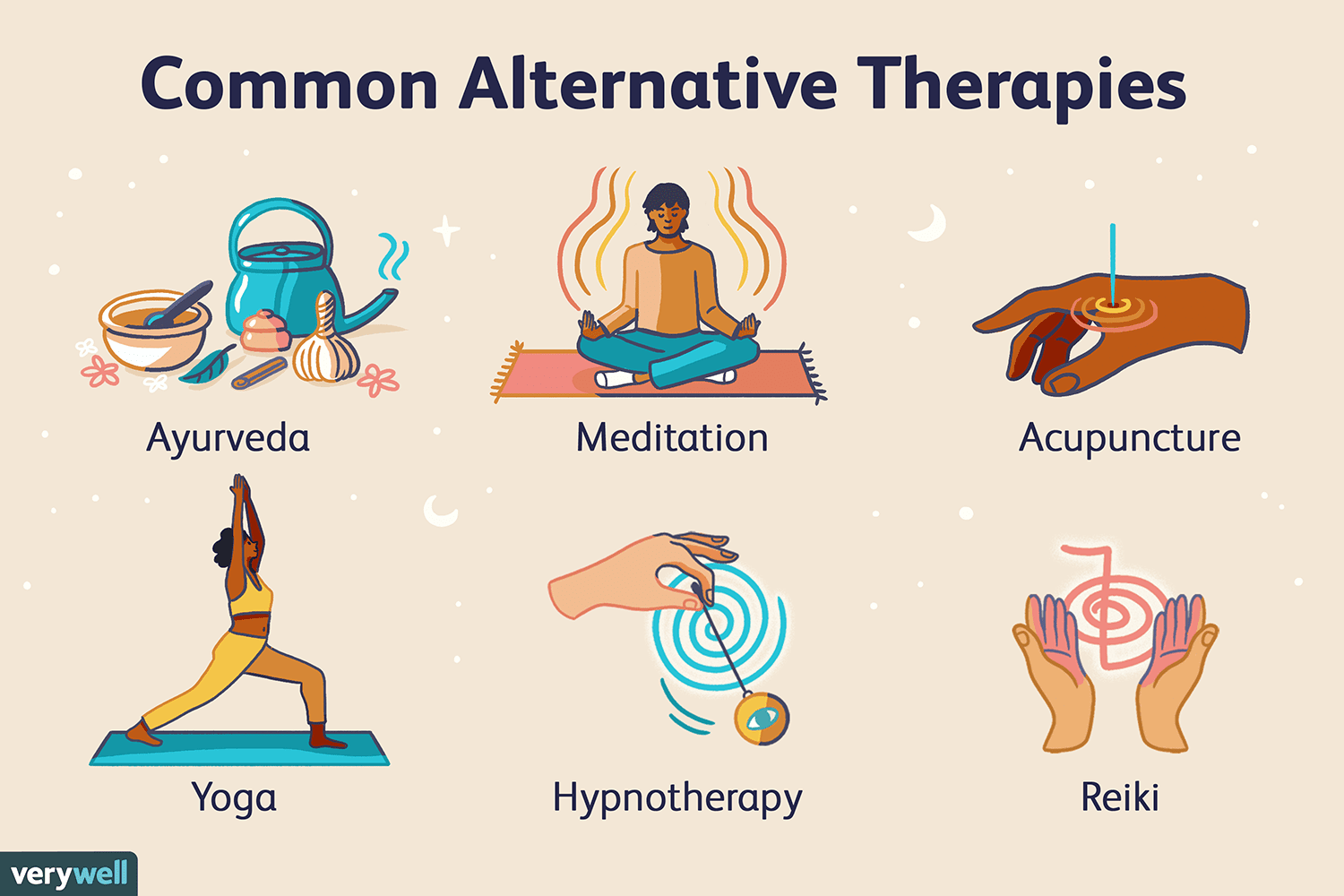
Are you looking for natural solutions to manage your menopause symptoms? Look no further than alternative medicine. With the potential to provide relief from hot flashes, mood swings, and insomnia, alternative medicine offers a holistic approach that aims to address the root causes of menopause symptoms. From herbal remedies to acupuncture and yoga, these alternative treatment options have been gaining popularity among women seeking a gentler, more natural approach to managing their menopause journey. Get ready to discover a new world of possibilities for a smoother transition through this phase of life.
1. Acupuncture
Effectiveness of acupuncture for managing menopause symptoms
Acupuncture, a traditional Chinese medicine practice, has been gaining recognition as a potential treatment for menopause symptoms. Many women seek acupuncture as an alternative to hormone therapy or other conventional treatments. Research suggests that acupuncture may help alleviate hot flashes, insomnia, mood swings, and other common menopause-related issues.
Studies have shown that acupuncture may be effective in reducing the frequency and severity of hot flashes. The placement of thin needles on specific points along the body is believed to stimulate the release of endorphins, which can help regulate body temperature and reduce hot flash symptoms. Furthermore, acupuncture may help improve sleep quality and reduce insomnia, which is often experienced by women during menopause.
How acupuncture works
Acupuncture is based on the principle that the body has a network of energy pathways known as meridians, through which life force energy, or qi, flows. When there is an imbalance in the flow of qi, it can manifest as physical or emotional symptoms. Acupuncture seeks to restore the balance of qi by inserting thin needles into specific points along the meridians.
Acupuncture treatments for menopause symptoms may involve the insertion of needles in points associated with the kidneys, liver, spleen, and adrenal glands. These points are believed to regulate hormone production, improve blood circulation, and reduce stress levels. Acupuncture is also thought to stimulate the production of endorphins, which can help alleviate pain and promote a sense of well-being.
What to expect during an acupuncture session
During an acupuncture session, you can expect to lie down on a comfortable table in a peaceful and calming environment. The acupuncturist will first conduct a thorough assessment of your symptoms and overall health. They will then determine the specific points to be needled based on your individual needs.
The acupuncture needles used are very thin and typically cause minimal discomfort. You may experience a tingling or warm sensation when the needles are inserted, but this is generally not painful. The needles will be left in place for about 20-30 minutes while you relax and allow the treatment to take effect. Some acupuncturists may also incorporate other techniques such as moxibustion (burning of herbs near the skin) or electroacupuncture (stimulation of needles with a mild electric current) to enhance the effects of the treatment.
It is important to choose a licensed and experienced acupuncturist who follows proper hygiene and safety protocols. They should use sterile needles and ensure a clean environment to minimize the risk of infection. Acupuncture treatments for menopause symptoms are typically recommended on a regular basis to achieve optimal results, but the frequency and duration of treatment will depend on your specific symptoms and response to acupuncture.
2. Traditional Chinese Medicine (TCM)
Overview of TCM for menopause management
Traditional Chinese Medicine (TCM) encompasses various practices, including acupuncture, herbal medicine, and dietary therapy. TCM views menopause as a natural transition in a woman’s life and aims to balance the body’s energy, or qi, to alleviate symptoms and promote overall well-being.
In TCM, menopause symptoms are often attributed to imbalances in the body’s organ systems, particularly the liver, kidneys, and spleen. TCM practitioners may use a combination of acupuncture, herbal remedies, dietary recommendations, and lifestyle modifications to address these imbalances and provide relief from menopause symptoms.
Herbs commonly used in TCM
TCM often utilizes herbal remedies to support women during menopause. Some commonly used herbs include Dong Quai, Black Cohosh, and Ginseng. Dong Quai, also known as “female ginseng,” is believed to nourish the blood and regulate hormonal activity. Black Cohosh, on the other hand, may act as a natural estrogen receptor modulator and help alleviate hot flashes and mood swings. Ginseng, a popular adaptogenic herb, can help boost energy levels and support overall well-being during menopause.
It is important to note that TCM herbs should be used under the guidance of a qualified TCM practitioner. They will consider your individual constitution, symptoms, and overall health to formulate a customized herbal formula for your specific needs. TCM herbs should be used with caution, as some may interact with medications or have side effects. It is crucial to inform your healthcare provider about any TCM herbs you are taking to ensure safe and effective management of menopause symptoms.
Potential benefits and risks of TCM
TCM offers a holistic approach to managing menopause symptoms and aims to address the root cause of imbalances rather than just addressing the symptoms. When practiced by a trained and licensed practitioner, TCM can provide relief from hot flashes, night sweats, mood swings, and other menopause-related issues.
However, it is important to be aware of potential risks and limitations associated with TCM. Herbal remedies, in particular, can have interactions with medications or underlying health conditions. It is essential to consult with a qualified TCM practitioner who can tailor the treatment to your individual needs and monitor your progress. Additionally, TCM should be used as a complementary therapy alongside conventional medical care and not as a substitute.
3. Ayurveda
Understanding Ayurveda and its approach to menopause
Ayurveda, an ancient Indian system of medicine, offers a holistic approach to managing menopause symptoms. Ayurvedic principles emphasize the balance of the body, mind, and spirit to achieve optimal health. According to Ayurveda, menopause is viewed as a natural transition and an opportunity for women to find balance and rejuvenation.
Ayurvedic treatments for menopause aim to support the body’s natural healing mechanisms and restore balance to the hormonal system. These treatments may include lifestyle modifications, dietary recommendations, herbal remedies, and rejuvenation therapies.
Ayurvedic herbs and remedies for menopause
Ayurveda utilizes various herbs and remedies to address menopause symptoms. Some commonly used herbs include Shatavari, Ashwagandha, and Brahmi. Shatavari, known as the “queen of herbs,” is considered a rejuvenating herb for women and is believed to support hormonal balance and strengthen the reproductive system. Ashwagandha, an adaptogenic herb, can help reduce stress and improve overall well-being during menopause. Brahmi, often used to support cognitive function, can help manage memory lapses and improve mental clarity.
Apart from herbal remedies, Ayurveda also emphasizes the importance of following a balanced diet and lifestyle practices. This may include consuming nourishing foods, practicing stress-reducing techniques such as yoga and meditation, and engaging in regular exercise.
Safety considerations for using Ayurvedic medicine
It is essential to consult with a qualified Ayurvedic practitioner before starting any Ayurvedic treatments or remedies. They will assess your individual constitution, symptoms, and overall health to formulate a personalized treatment plan. Ayurvedic herbs should be used under proper guidance, as they may interact with medications or have contraindications for certain health conditions.
Furthermore, it is important to ensure the quality and purity of Ayurvedic products used. Look for reputable brands that adhere to good manufacturing practices and follow safety standards. Inform your healthcare provider about any Ayurvedic remedies you are using to ensure integrated and safe healthcare.
4. Homeopathy
Concepts behind using homeopathy for menopause symptoms
Homeopathy is a system of medicine based on the principle that “like cures like.” Homeopathic remedies are highly diluted substances that stimulate the body’s self-healing mechanisms to treat various health conditions, including menopause symptoms.
In homeopathy, the selection of remedies is individualized based on a person’s specific symptoms and constitutional type. Homeopathic remedies for menopause may target specific symptoms such as hot flashes, sleep disturbances, mood swings, and vaginal dryness. These remedies aim to restore balance and alleviate symptoms by addressing the underlying imbalances in the body.
Commonly prescribed homeopathic remedies for menopause
There are several commonly prescribed homeopathic remedies for menopause symptoms. Lachesis, derived from the venom of the bushmaster snake, is often recommended for women experiencing hot flashes and mood swings. Sepia, made from the ink of the cuttlefish, may be prescribed for women with fatigue, low libido, and vaginal dryness. Other remedies commonly used in homeopathy for menopause include Pulsatilla, Ignatia, and Sanguinaria.
It is important to consult with a qualified homeopath who can assess your specific symptoms and recommend the most appropriate remedies. Homeopathic remedies for menopause are generally safe and free from side effects when used under professional guidance.
Research evidence and controversies surrounding homeopathy
The research on homeopathy for menopause symptoms is limited and often has mixed results. Some studies suggest that homeopathic remedies may provide relief from hot flashes, sleep disturbances, and other menopause-related issues. However, the efficacy of homeopathy is still a subject of controversy and debate among scientists and healthcare professionals.
Critics argue that the principles of homeopathy are not scientifically validated and that the observed effects may be due to placebo or other non-specific factors. It is important to have an open and informed discussion with your healthcare provider about the potential benefits and limitations of homeopathy before making a decision.
5. Aromatherapy
The use of essential oils in managing menopause symptoms
Aromatherapy, the therapeutic use of essential oils, has gained popularity as a natural approach to managing menopause symptoms. Essential oils are highly concentrated plant extracts that are known for their aromatic and therapeutic properties. They can be used topically, inhaled, or added to baths or diffusers to promote relaxation and alleviate various menopause-related issues.
Essential oils used in aromatherapy for menopause symptoms are often chosen for their hormone-balancing, mood-enhancing, and soothing effects. They may help reduce hot flashes, improve sleep quality, and promote emotional well-being.
Most commonly recommended essential oils for menopause
There are several essential oils that are commonly recommended for menopause symptoms. Clary Sage, known for its hormone-balancing properties, can help alleviate hot flashes, regulate mood, and improve sleep. Geranium oil is often recommended for its uplifting and soothing effects, which may help manage mood swings and promote emotional well-being. Lavender oil, with its calming and relaxing properties, can be beneficial for reducing stress and improving sleep quality during menopause.
It is important to note that essential oils should be used safely and appropriately. Always dilute essential oils with a carrier oil before applying them to the skin, and perform a patch test to check for any adverse reactions. Additionally, some essential oils may not be safe for use during pregnancy or in individuals with certain medical conditions. Consult with a certified aromatherapist or healthcare provider before using essential oils for menopause symptoms.
Methods of application and safety tips for aromatherapy
Aromatherapy can be enjoyed in various ways to manage menopause symptoms. Inhalation methods, such as using a diffuser or inhaling directly from the bottle, allow the aroma of essential oils to provide a calming and uplifting effect. Massage with diluted essential oils can help alleviate muscle tension and promote relaxation.
Taking a relaxing bath with a few drops of essential oil added to the water can also help soothe and balance the body and mind. Another option is to create a blend of essential oils and use it as a personal fragrance or as a pillow spray to improve sleep quality.
When using essential oils for menopause symptoms, it is important to follow safety guidelines. Use high-quality, pure essential oils from reputable brands. Store essential oils in a cool, dark place to preserve their quality. If any adverse reactions occur, such as skin irritation or respiratory issues, discontinue use and consult a healthcare professional.
6. Herbal Medicine
Popular herbs for alleviating menopause symptoms
Herbal medicine offers a natural approach to managing menopause symptoms by utilizing various plant-based remedies. Many herbs have been traditionally used to alleviate hot flashes, night sweats, mood swings, and other menopause-related issues.
Black Cohosh is one of the most well-known herbs for menopause symptoms. It is believed to have estrogen-like effects and may help reduce hot flashes and improve sleep quality. Dong Quai, often referred to as “female ginseng,” is another popular herb that is known for its hormone-balancing properties. It may provide relief from hot flashes, night sweats, and mood swings.
Other herbs commonly used in herbal medicine for menopause include St. John’s Wort, Red Clover, and Chasteberry. St. John’s Wort may help alleviate mood swings and depressive symptoms often experienced during menopause. Red Clover contains compounds called isoflavones that may have a mild estrogenic effect and aid in reducing hot flashes. Chasteberry, also known as Vitex, may help regulate hormone levels and relieve symptoms such as breast tenderness and PMS-like symptoms.
Dosage, preparation, and potential interactions of herbal remedies
The dosage and preparation of herbal remedies can vary depending on the specific herb and the form in which it is consumed. Herbs can be taken in various forms, including as teas, tinctures, capsules, or extracts. It is important to follow the instructions provided by reputable herbal medicine practitioners or manufacturers.
When using herbal remedies, it is crucial to consider potential interactions with medications or underlying health conditions. Some herbs may have hormonal effects or interact with certain medications, such as blood thinners or hormone therapies. It is recommended to consult with a qualified herbalist or healthcare provider before incorporating herbal medicine into your menopause management plan.
While herbal remedies are generally considered safe, they may still have side effects or contraindications for certain individuals. Pregnant or breastfeeding women, individuals with liver or kidney conditions, and those taking specific medications should exercise caution and seek professional advice before using herbal remedies.
Scientific evidence and limitations of herbal medicine
Scientific research on the efficacy of herbal medicine for menopause symptoms is limited and often yields mixed results. While some studies suggest that certain herbs may provide relief from hot flashes, sleep disturbances, and mood swings, more rigorous research is needed to establish the effectiveness and safety of herbal remedies.
It is important to approach herbal medicine with a realistic understanding of its potential benefits and limitations. Herbal remedies should be used as part of a comprehensive approach to menopause management, which may also include lifestyle modifications, dietary changes, and other therapies. Consulting with a qualified herbalist or healthcare provider can help ensure the safe and effective integration of herbal medicine into your menopause treatment plan.
7. Yoga and Meditation
Benefits of yoga and meditation for menopause symptoms
Yoga and meditation offer a holistic approach to managing menopause symptoms by promoting physical and mental well-being. These practices can help reduce stress, improve sleep, enhance mood, and increase overall vitality during this transitional phase of life.
Regular yoga practice has been shown to reduce the frequency and intensity of hot flashes, as well as improve sleep quality. Yoga postures, or asanas, can help improve flexibility, strength, and balance, which can be beneficial for maintaining bone health during menopause. Meditation, on the other hand, can help alleviate anxiety, irritability, and mood swings commonly experienced during menopause.
Specific yoga poses and mindfulness exercises for menopause relief
Certain yoga poses and mindfulness exercises can specifically address menopause symptoms and provide relief. Cooling and calming poses such as Child’s Pose, Forward Fold, and Legs-Up-The-Wall can help reduce hot flashes and promote relaxation. Gentle backbends, such as Bridge Pose and Sphinx Pose, can help alleviate mood swings and stimulate energy flow. Deep breathing exercises, such as Alternate Nostril Breathing, can help calm the mind and balance hormonal activity.
In addition to yoga, incorporating mindfulness practices into daily life can be beneficial for managing menopause symptoms. Mindfulness meditation, which involves focusing on the present moment without judgment, can help reduce stress and enhance emotional well-being. Practicing mindfulness during daily activities such as eating, walking, or engaging in self-care can also promote a sense of calm and balance.
Incorporating yoga and meditation into daily routine
To incorporate yoga and meditation into your daily routine, it is helpful to set aside dedicated time for practice. You can start with as little as 10-15 minutes each day and gradually increase the duration as you become more comfortable. Choose a quiet and peaceful space where you can practice without distractions.
Consider attending yoga classes or workshops specifically designed for women in menopause. These classes can provide guidance and support from experienced instructors who understand the unique needs and challenges of this stage of life. Additionally, there are numerous online resources, videos, and apps available that offer yoga and meditation programs tailored for menopause.
Remember that yoga and meditation are individual practices, and it is important to listen to your body and honor its limitations. If you have any pre-existing health conditions or injuries, consult with a qualified yoga teacher or healthcare provider before starting a new exercise or meditation routine.
8. Naturopathy
Principles and modalities of naturopathy in treating menopause symptoms
Naturopathy is a holistic approach to healthcare that focuses on supporting the body’s innate healing abilities and addressing the root causes of health issues. Naturopathic treatments for menopause symptoms aim to restore balance and optimize overall well-being through a combination of natural therapies, lifestyle modifications, and targeted nutritional support.
Naturopathic doctors (NDs) work with patients to identify the underlying factors contributing to menopause symptoms and develop personalized treatment plans. They may utilize various modalities, including clinical nutrition, botanical medicine, hydrotherapy, lifestyle counseling, and physical medicine, to provide comprehensive care.
Dietary recommendations and nutritional supplements in naturopathic approaches
Dietary modifications play a crucial role in naturopathic approaches to managing menopause symptoms. A nutrient-rich diet can help support hormone balance, promote bone health, and alleviate common concerns such as hot flashes and mood swings.
Naturopathic doctors may recommend incorporating phytoestrogen-rich foods such as soy, flaxseeds, and legumes into the diet. These foods contain compounds that can mimic the effects of estrogen in the body and help alleviate menopause symptoms. They may also recommend increasing the intake of fruits, vegetables, whole grains, and healthy fats, while reducing the consumption of processed foods, caffeine, and alcohol.
In addition to dietary recommendations, naturopathic doctors may prescribe nutritional supplements to support hormone balance and overall well-being during menopause. These supplements may include herbs, vitamins, minerals, and other natural substances that have been shown to be beneficial for specific symptoms. It is important to consult with a qualified naturopathic doctor to determine the appropriate dosage and duration of supplementation.
Consulting a naturopathic doctor for individualized treatment plans
If you are considering a naturopathic approach to managing menopause symptoms, it is recommended to consult with a licensed naturopathic doctor. They will conduct a comprehensive assessment of your health history, symptoms, and goals to develop a personalized treatment plan.
A naturopathic doctor will take a whole-person approach, considering physical, mental, and emotional factors that may be contributing to your symptoms. They will work with you to address any underlying imbalances and develop a treatment plan that includes dietary modifications, lifestyle recommendations, and targeted natural therapies.
It is important to note that naturopathic medicine should be used as a complementary approach alongside conventional medical care. Naturopathic doctors often collaborate with other healthcare providers to ensure integrated and safe healthcare.
9. Chiropractic Care
Chiropractic treatment for menopause-related musculoskeletal issues
Chiropractic care, a non-invasive manual therapy, can be beneficial for managing menopause-related musculoskeletal issues. The hormonal changes during menopause can affect the health and function of the musculoskeletal system, leading to joint pain, stiffness, and decreased range of motion.
Chiropractors focus on restoring proper alignment and mobility of the spine and other joints to alleviate pain and improve overall function. Regular chiropractic adjustments can help reduce joint discomfort, increase flexibility, and promote proper biomechanics.
Adjustments and manipulations commonly used in chiropractic care
Chiropractic adjustments, also known as spinal manipulations, are the hallmark of chiropractic care. These adjustments involve applying controlled force to specific joints in the body, typically the spine, to correct misalignments or imbalances.
During a chiropractic session for menopause-related musculoskeletal issues, the chiropractor will perform a comprehensive evaluation to identify areas of dysfunction. They may use various techniques, including manual adjustments, mobilizations, soft tissue therapy, and targeted exercises, to restore normal joint function and alleviate pain.
Chiropractic care is generally safe and well-tolerated. However, it is important to choose a licensed chiropractor who has undergone the necessary training and adheres to professional standards. They will take into consideration your medical history, current symptoms, and individual needs to provide safe and effective care.
Safety precautions and potential side effects
Chiropractic care is considered safe for most individuals, including those going through menopause. However, certain precautions should be taken, especially for individuals with specific health conditions or risk factors. It is important to inform your chiropractor about any medical conditions, medications, or surgeries you have had.
Although rare, potential side effects of chiropractic adjustments may include temporary soreness, stiffness, or mild discomfort following the treatment. These side effects typically resolve within a day or two. Serious complications from chiropractic adjustments are extremely rare but may include cauda equina syndrome, stroke, or herniated disc exacerbation. These risks are minimized when chiropractic care is provided by a skilled and licensed chiropractor who follows proper protocols and safety guidelines.
10. Hypnotherapy
Understanding hypnotherapy and its potential for menopause management
Hypnotherapy is a therapeutic technique that utilizes a state of focused relaxation and heightened suggestibility to help individuals address various physical and psychological conditions. Hypnotherapy is often used as a complementary therapy for managing menopause symptoms, especially those related to stress, anxiety, hot flashes, and sleep disturbances.
During a hypnotherapy session, the hypnotherapist guides you into a deeply relaxed state while providing positive suggestions and imagery related to your specific concerns. This can help shift your mindset, reduce stress, and promote a sense of calm and control.
Common techniques used in hypnotherapy sessions
Hypnotherapy sessions for menopause often involve relaxation techniques, guided imagery, and positive affirmations. The hypnotherapist may guide you through progressive muscle relaxation, deep breathing exercises, or visualizations to induce a state of deep relaxation. They may also use suggestions and affirmations related to symptom relief, balance, and overall well-being.
Self-hypnosis techniques may also be taught, allowing you to continue practicing relaxation and symptom management independently.
Finding qualified hypnotherapists and ensuring safe practice
When seeking hypnotherapy for menopause management, it is important to find a qualified and experienced hypnotherapist. Look for hypnotherapists who are certified or have completed reputable training programs.
It is recommended to check the therapist’s credentials, experience, and client testimonials. It may also be helpful to schedule an initial consultation to discuss your specific needs and to determine if the hypnotherapist is a good match for you.
Ensure that the hypnotherapist follows ethical and safe practices. They should obtain informed consent, maintain confidentiality, and create a safe and supportive environment during sessions. It is important to communicate openly with the hypnotherapist, express any concerns or questions, and participate actively in your own treatment process.
In conclusion, alternative medicine offers a range of approaches for managing menopause symptoms. Acupuncture, Traditional Chinese Medicine, Ayurveda, Homeopathy, Aromatherapy, Herbal Medicine, Yoga and Meditation, Naturopathy, Chiropractic Care, and Hypnotherapy are all potential options to consider. It is important to consult with qualified practitioners and healthcare providers to develop a personalized treatment plan that encompasses the most appropriate modalities for your individual needs. Remember, these approaches should be used alongside conventional medical care to ensure comprehensive and integrated treatment.