
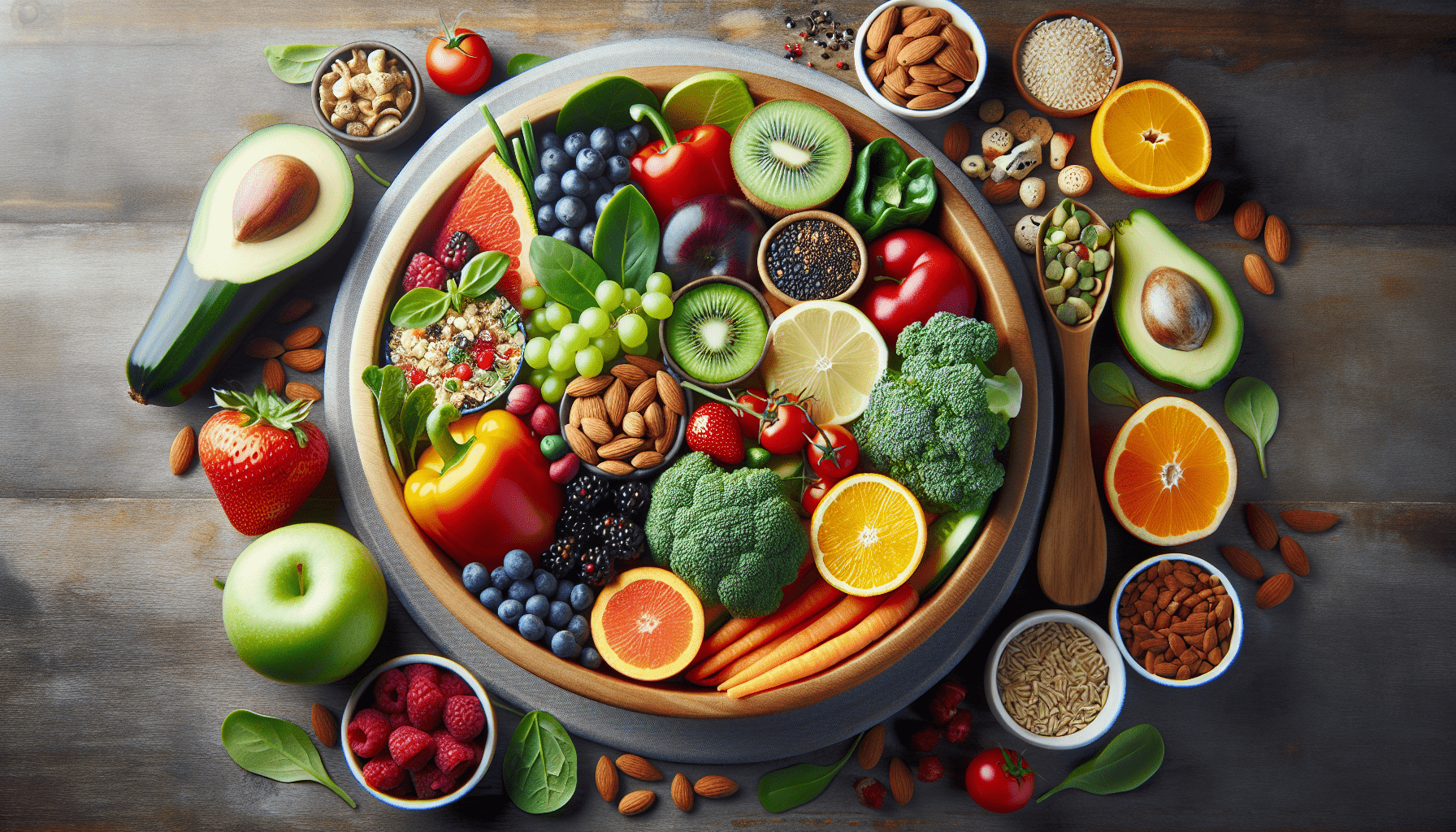
Are you looking for ways to live a healthier and more balanced life? Look no further! In this article, we will provide you with the top holistic nutrition tips to help you achieve a healthy lifestyle. By incorporating these tips into your daily routine, you can nourish your body, boost your immune system, and improve your overall well-being. Say goodbye to fad diets and restrictive eating habits – with these holistic nutrition tips, you can create a sustainable and enjoyable approach to achieving optimal health. So, let’s get started on this journey towards a healthier you!
Eat a Balanced Diet
A balanced diet is key to maintaining overall health and well-being. It consists of consuming a variety of food groups that provide the essential nutrients your body needs to function properly. Include fruits, vegetables, whole grains, lean proteins, and healthy fats in your diet to ensure you are getting a wide range of vitamins, minerals, and other beneficial compounds.
Include a variety of food groups
To meet your body’s nutritional needs, it’s important to include a variety of food groups in your diet. Each food group offers unique benefits and contributes to your overall health. Fruits and vegetables are rich in vitamins, minerals, and antioxidants that help boost your immune system and protect against certain diseases. Whole grains provide fiber and complex carbohydrates that keep you energized throughout the day. Lean proteins, such as chicken, fish, beans, and tofu, are essential for building and repairing tissues. Healthy fats, like avocados, nuts, and olive oil, support heart health and brain function.
Consume whole, unprocessed foods
Opting for whole, unprocessed foods is a great way to ensure you are getting the most nutrients from your diet. Processed foods often contain added sugars, unhealthy fats, and artificial additives that can have a negative impact on your health. By choosing whole foods like fresh fruits and vegetables, whole grains, and lean proteins, you’re providing your body with important nutrients without the unnecessary extras.
Ensure proper portion sizes
While it’s important to include a variety of food groups, it’s also crucial to pay attention to portion sizes. Eating too much of any type of food, even if it’s healthy, can lead to weight gain and other health issues. Use visual cues and portion control guidelines to help you determine appropriate serving sizes. Aim to fill half of your plate with fruits and vegetables, one-fourth with lean proteins, and one-fourth with whole grains. This balanced approach will help you meet your nutritional needs without overdoing it.
Stay hydrated
Proper hydration is essential for maintaining good health. Water plays a vital role in many bodily functions, including digestion, temperature regulation, and nutrient transport. It’s important to drink enough water throughout the day to stay hydrated. The general recommendation is to drink at least 8 glasses of water per day, but individual needs may vary. Additionally, you can incorporate herbal teas and infused water to add variety and flavor to your hydration routine. Limit your consumption of sugary beverages and alcohol, as they can contribute to dehydration.
Focus on Nutrient-Dense Foods
Nutrient-dense foods are those that provide a high amount of essential nutrients relative to their calorie content. These foods are packed with vitamins, minerals, and other important compounds that support optimal health.
Choose fruits and vegetables
Fruits and vegetables are an excellent source of vitamins, minerals, and antioxidants. They are low in calories and high in fiber, making them a great choice for weight management and digestion. Aim to include a variety of colorful fruits and vegetables in your diet to ensure you are getting a wide range of nutrients. Whether you prefer apples and carrots or berries and leafy greens, there are plenty of options to suit your taste preferences.
Opt for lean proteins
Protein is an essential macronutrient that plays a critical role in building and repairing tissues, as well as supporting immune function and hormone production. When selecting protein sources, opt for lean options such as skinless chicken, turkey, fish, beans, lentils, and tofu. These choices are lower in saturated fats and cholesterol compared to fatty cuts of meat. It’s also important to vary your protein sources to ensure you are getting a diverse range of amino acids.
Incorporate healthy fats
Contrary to popular belief, not all fats are bad for you. In fact, healthy fats are an important part of a balanced diet. They provide energy, support brain function, and help absorb fat-soluble vitamins. Choose sources of healthy fats like avocados, nuts, seeds, and olive oil. These options are rich in mono- and polyunsaturated fats, which have been shown to benefit heart health. However, it’s still important to consume these fats in moderation, as they are high in calories.
Include whole grains
Whole grains are an excellent source of fiber and complex carbohydrates. They provide sustained energy and help regulate blood sugar levels. Incorporate foods like whole wheat bread, brown rice, quinoa, and oats into your diet to reap the benefits of whole grains. Avoid refined grains, which have been stripped of their fiber and nutrients during processing.
Reduce Added Sugar Intake
Excessive sugar consumption has been linked to various health problems, including obesity, diabetes, and heart disease. To improve your overall health, it’s important to limit your intake of added sugars.
Read food labels for hidden sugars
Added sugars can be found in many processed foods, even those that are not necessarily sweet. Take the time to read food labels and be aware of the various names for added sugars, such as high fructose corn syrup, cane sugar, and maltose. By being conscious of hidden sugars, you can make more informed choices about what you consume.
Limit sugary beverages
Sugary beverages, such as soda, energy drinks, and sweetened teas, are a major source of added sugars in many people’s diets. They provide empty calories and can contribute to weight gain and tooth decay. Opt for water, herbal teas, or naturally flavored water instead. If you enjoy the occasional sweet beverage, try diluting it with water or choosing smaller portion sizes.
Choose natural sweeteners
When a craving for something sweet arises, opt for natural sweeteners like honey, maple syrup, or dates. These options provide additional nutrients and are less processed than refined sugars. However, it’s still important to consume these sweeteners in moderation, as they still contribute to your overall sugar intake.
Be mindful of desserts and snacks
Desserts and snacks are often high in added sugars, so it’s important to be mindful of your choices. Instead of reaching for a candy bar or a sugary cookie, try satisfying your sweet tooth with a piece of fruit or a homemade treat made with natural sweeteners. If you do indulge in desserts or snacks, do so in moderation and balance it out with a nutrient-dense meal.
Prioritize Quality Protein
Protein is an essential nutrient that plays a crucial role in many bodily functions. It is important to prioritize and consume high-quality protein sources for optimal health and well-being.
Include plant-based protein sources
Plant-based protein sources, such as beans, lentils, tofu, tempeh, and quinoa, are excellent alternatives to animal proteins. They are rich in fiber, vitamins, minerals, and antioxidants. Incorporating plant-based proteins into your diet can help reduce your intake of saturated fats and cholesterol associated with animal-based proteins.
Choose lean meats and poultry
If you consume animal protein, opt for lean meats and poultry. Choose cuts of meat with less visible fat, and trim any excess fat before cooking. When it comes to poultry, remove the skin before consumption, as it is high in saturated fat. By choosing lean options, you can enjoy the benefits of protein without the added unhealthy fats.
Incorporate fish and seafood
Fish and seafood are excellent sources of high-quality protein, omega-3 fatty acids, and various vitamins and minerals. Including fatty fish like salmon, mackerel, and sardines in your diet can provide heart-healthy benefits and support brain function. However, be mindful of mercury levels when consuming certain types of fish, especially for pregnant women and children.
Opt for organic and grass-fed options
When selecting animal-based proteins, opt for organic and grass-fed options whenever possible. These choices tend to have higher nutrient content and are free from antibiotics and hormones that are often given to conventionally raised animals. While these options may be more expensive, investing in your health is worth it in the long run.
Include Healthy Fats
Healthy fats are an essential part of a balanced diet and are necessary for many bodily functions. Including a variety of healthy fats in your diet can provide numerous health benefits.
Incorporate avocados and nuts
Avocados and nuts are excellent sources of healthy fats, fiber, vitamins, and minerals. They are packed with monounsaturated fats, which can help improve heart health and reduce the risk of chronic diseases. Slice some avocado onto your salad or enjoy a handful of nuts as a snack to incorporate these beneficial fats into your diet.
Choose olive oil and coconut oil
Olive oil and coconut oil are two healthy fat options that can be used in cooking or as dressings. Olive oil is rich in monounsaturated fats and has been associated with lowering the risk of heart disease. Coconut oil contains medium-chain triglycerides, which are quickly metabolized and utilized for energy. Use these oils in moderation as part of a balanced diet.
Include fatty fish for omega-3 fatty acids
Fatty fish, such as salmon, trout, and sardines, are excellent sources of omega-3 fatty acids. These healthy fats have been shown to reduce inflammation, support brain health, and improve heart health. Aim to include fatty fish in your diet at least twice a week to reap the benefits of omega-3 fatty acids.
Avoid trans fats and limit saturated fats
Trans fats and saturated fats are unhealthy fats that can increase the risk of heart disease and other health problems. Avoid foods that contain trans fats altogether, as they offer no health benefits. Limit your intake of saturated fats by choosing lean cuts of meat, low-fat dairy products, and reducing your consumption of processed foods and fried foods.
Stay Hydrated
Proper hydration is essential for maintaining good health and ensuring that your body functions optimally. Here are some tips to help you stay hydrated throughout the day.
Drink enough water throughout the day
Water is the best beverage for staying hydrated. Aim to drink at least 8 glasses (64 ounces) of water per day. However, individual water needs may vary depending on factors such as activity level, climate, and overall health. To ensure you are adequately hydrated, listen to your body’s thirst cues and drink water throughout the day.
Incorporate herbal teas and infused water
If you find plain water boring, you can spice it up by incorporating herbal teas and infused water. Herbal teas, such as chamomile or peppermint tea, not only provide hydration but also offer various health benefits depending on the type of tea. You can also infuse water with flavors by adding slices of fruits, such as lemon, cucumber, or berries, or herbs, like mint or basil.
Limit sugary beverages and alcohol
Sugary beverages and alcohol can contribute to dehydration and provide unnecessary calories. Limit your consumption of these drinks to occasional treats. Instead, focus on hydrating beverages like water, herbal teas, or natural fruit-infused water.
Monitor urine color for hydration status
One simple way to gauge your hydration status is by monitoring the color of your urine. If your urine is pale yellow or clear, it indicates that you are adequately hydrated. On the other hand, if your urine is dark yellow or amber, it may be a sign of dehydration, and you should increase your fluid intake.
Practice Mindful Eating
Mindful eating is a practice that involves paying attention to the present moment while eating, including the taste, smell, and texture of food. By practicing mindful eating, you can engage with your body’s natural cues and improve your relationship with food.
Eat slowly and chew thoroughly
Many of us tend to rush through meals, eating quickly without paying attention to our food. Slow down and take the time to chew your food thoroughly. This not only aids in digestion but also allows you to savor the flavors and textures of your meal.
Pay attention to hunger and fullness cues
Listen to your body’s cues of hunger and fullness. Eat when you are truly hungry and stop eating when you feel comfortably satisfied, but not overly full. Be mindful of emotional eating and try to identify if you’re eating out of hunger or for other reasons such as stress or boredom.
Avoid distractions while eating
Avoid distractions such as watching television, scrolling through your phone, or working while eating. Instead, focus on the act of eating. This allows you to fully enjoy your food and be present in the moment.
Listen to your body’s cravings and needs
Pay attention to your body’s cravings and needs. Cravings can indicate a deficiency in certain nutrients or emotional cravings that may need addressing in a different way. By listening to your body, you can better meet its needs and make choices that support your overall well-being.
Avoid Processed Foods
Processed foods are often high in added sugars, unhealthy fats, and artificial additives. By minimizing your consumption of processed foods, you can improve your overall health.
Read ingredient lists and avoid additives
Take the time to read ingredient lists when purchasing packaged foods. Avoid products that contain artificial additives, preservatives, and excessive amounts of salt or sugar. Opt for products with shorter, more recognizable ingredient lists, as they are likely to be less processed.
Limit consumption of packaged snacks
Packaged snacks are often high in calories, unhealthy fats, and added sugars. While they can be convenient, it’s best to limit your consumption of these snacks. Instead, opt for healthier options like fresh fruits, nuts, or homemade snacks made from whole, unprocessed ingredients.
Cook meals from scratch
Cooking meals from scratch allows you to have full control over the ingredients and ensures that you are consuming whole, unprocessed foods. Experiment with different recipes and cooking techniques to discover new flavors and enjoy the process of preparing your own meals.
Choose whole, unprocessed alternatives
When selecting foods, choose whole, unprocessed alternatives whenever possible. For example, opt for whole fruits instead of fruit juices, whole grains instead of refined grains, and homemade meals instead of takeout. These choices will provide more nutrients and fewer unhealthy additives.
Support Gut Health
A healthy gut is crucial for overall well-being, as it plays a role in nutrient absorption, immune function, and overall digestive health. Here are some tips to support gut health through nutrition.
Incorporate probiotic-rich foods
Probiotics are beneficial bacteria that promote a healthy balance of gut flora. Include foods like yogurt, kefir, sauerkraut, kimchi, and miso in your diet to introduce probiotics. These foods help support digestion and may improve gut health.
Consume fiber for a healthy gut microbiome
Fiber is essential for a healthy gut microbiome. It acts as a prebiotic, providing nourishment for beneficial bacteria in the gut. Include high-fiber foods in your diet, such as whole grains, fruits, vegetables, and legumes. Gradually increase your fiber intake to avoid any digestive discomfort.
Limit antibiotics and focus on natural remedies
While antibiotics can be necessary to treat certain infections, they can also disrupt the balance of bacteria in the gut. Whenever possible, opt for natural remedies that support your immune system and overall health. Consult with a healthcare professional if you have concerns about antibiotic use and its impact on gut health.
Manage stress for better digestive health
Stress can have a negative impact on your digestive health. Practice stress-management techniques like meditation, deep breathing exercises, and regular physical activity. These activities can help reduce stress levels and support a healthy gut.
Consider Individual Needs
Everyone’s nutritional needs and goals are unique. To optimize your health and well-being, it’s important to consider your individual needs and tailor your nutrition plan accordingly.
Consult a healthcare professional or nutritionist
If you are unsure about your specific dietary needs or have underlying health conditions, it’s recommended to consult a healthcare professional or registered nutritionist. They can provide personalized guidance and create a nutrition plan tailored to your individual needs and goals.
Understand personal dietary restrictions
Some individuals may have dietary restrictions or food allergies that need to be taken into consideration. Whether you have celiac disease, lactose intolerance, or any other dietary restriction, it’s crucial to understand your body’s limitations and find suitable alternatives to ensure you’re meeting your nutritional needs.
Customize nutrition plan based on specific goals
If you have specific goals in mind, such as weight loss, muscle gain, or managing a specific condition, it’s important to customize your nutrition plan accordingly. Work with a healthcare professional or registered nutritionist to create a plan that aligns with your goals and supports your overall well-being.
Be aware of allergies and intolerances
Food allergies and intolerances can have a significant impact on your health and well-being. If you have known allergies or intolerances, it’s crucial to be aware of the ingredients in the foods you consume and make informed choices to avoid any adverse reactions. Read food labels carefully and ask about ingredients when dining out to ensure your safety.
By following these holistic nutrition tips, you can improve your overall health and well-being. Remember to prioritize a balanced diet, focus on nutrient-dense foods, reduce added sugar intake, prioritize quality protein, include healthy fats, stay hydrated, practice mindful eating, avoid processed foods, support gut health, and consider your individual needs. By making conscious choices and being mindful of what you consume, you can nourish your body and achieve a healthy lifestyle.