
In the journey of supporting a loved one with dementia, caregivers face unique challenges that can sometimes feel overwhelming. This article provides practical tips and strategies to help you navigate through this process with compassion, understanding, and confidence. From creating a familiar and safe environment to effective communication techniques, you’ll discover valuable insights to enhance the quality of life for both you and your loved one. Let’s embark on this journey together, equipping ourselves with the tools needed to provide the best care possible.
Understanding Dementia
Dementia is a condition that affects millions of people worldwide, and as a caregiver, it’s crucial for you to understand this disease. Educating yourself about dementia will not only help you provide better care but also enable you to anticipate and manage the challenges that may arise.
One essential aspect of understanding dementia is learning about the different stages it progresses through. Dementia typically starts with mild cognitive impairment and gradually advances to moderate and severe stages. Each stage presents its unique set of symptoms and behaviors, and being aware of these variations will help you adapt your caregiving approach accordingly.
In addition to knowing the stages, it’s important to familiarize yourself with common symptoms and behaviors associated with dementia. Memory loss, confusion, difficulty with language, changes in personality and mood, and impaired judgement are a few examples. By understanding these symptoms, you can respond effectively and provide appropriate support to your loved one.
Creating a Safe Environment
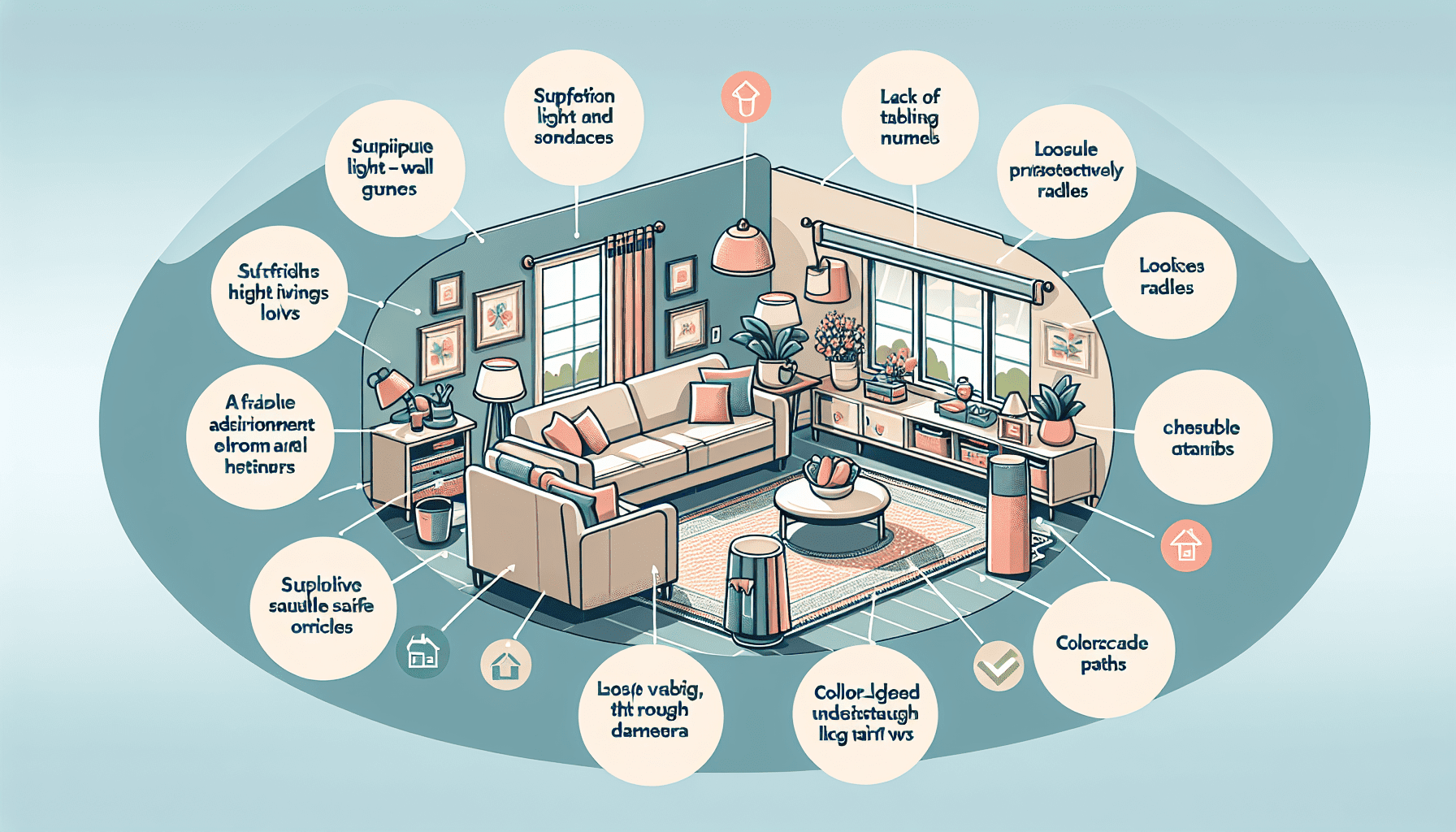
Creating a safe environment is crucial for the well-being of someone with dementia. As the disease progresses, individuals may become more prone to accidents and injuries. To minimize these risks, it’s important to remove potential hazards from their living space. This may include securing loose rugs, removing clutter, and ensuring that furniture is safely arranged to prevent falls.
Proper lighting is another essential aspect of a safe environment for someone with dementia. Poor lighting can cause confusion and disorientation, so it’s important to ensure that all areas are well lit, especially during the evening and nighttime. Installing nightlights or motion sensor lights can also be beneficial to prevent falls in the dark.
To further enhance safety, consider installing safety devices such as handrails in bathrooms and stairways, grab bars in the shower, and nonslip mats in the bathtub. These simple modifications can significantly reduce the risk of accidents and provide your loved one with a secure living space.
In addition to physical safety, it’s essential to secure medications and toxic substances. People with dementia may have difficulties remembering when and how to take their medications, which can have serious consequences. Ensure that all medications are stored in a locked cabinet or container, and consider using a pill dispenser with alarms or other reminder systems to help them stay on track with their medication regimen.
Establishing a Routine
Creating a daily schedule for your loved one with dementia can bring a sense of stability and familiarity to their lives. Routines can help reduce anxiety and confusion by providing a structured framework for their day-to-day activities. When establishing a routine, consider their preferences and interests while ensuring that it’s realistic and adaptable to their changing needs.
Maintaining consistency is crucial when caring for someone with dementia. Try to keep meal times, medication administration, and other activities consistent from day to day. Predictability can help minimize confusion and reduce agitation.
While following a routine is important, it’s equally essential to allow for flexibility. Dementia can bring about unexpected challenges and changes, and being flexible with your loved one’s routine can help them adapt more easily. Be patient and understanding when alterations are needed, and be open to adjusting the routine as necessary.
Encouraging regular sleep patterns is also important for overall well-being. Help your loved one establish a bedtime routine that promotes relaxation and cues their body for sleep. This may include activities such as listening to soothing music, reading a book, or taking a warm bath. Regular sleep patterns can not only contribute to better physical health but also aid in managing cognitive symptoms.
Effective Communication
Effective communication is essential when caring for someone with dementia as it can help reduce frustration and enhance their overall well-being. By using clear and simple language, you can minimize confusion and maximize understanding. Avoid using complex sentences or abstract concepts and instead opt for straightforward and concise communication.
When speaking, it’s important to maintain a calm and patient tone. Speak slowly, allowing your loved one enough time to process what you’re saying. Rushing them or speaking in a hurried manner can lead to frustration or feelings of being overwhelmed.
To facilitate better understanding, give one instruction at a time. Break down complex tasks into smaller, manageable steps, and guide your loved one through each step. By providing clear directions and focusing on one task at a time, you can help maintain their attention and improve their ability to follow through.
Listening actively and validating feelings is equally important in effective communication. Give your loved one your full attention and show empathy by acknowledging and respecting their emotions, even if you may not fully understand their experience. Creating a safe and supportive environment for your loved one to express themselves can foster a greater sense of trust and connection.
Providing Emotional Support
Emotional support plays a vital role in the well-being of someone with dementia. Acknowledging and validating their emotions demonstrates empathy and understanding, helping them feel heard and supported. Even if their words may not always make sense or align with reality, it’s important to recognize their feelings and respond in a compassionate manner.
A key aspect of emotional support is patience and understanding. The cognitive changes associated with dementia can lead to frustration and difficulty expressing oneself. Remember to approach situations with patience and avoid reacting negatively or dismissively to challenging behaviors or repetitive questions. By remaining calm and understanding, you create a more positive atmosphere for your loved one.
Providing comfort and reassurance is another way to offer emotional support. Offer a gentle touch or hug when appropriate, speak soothingly, and use comforting gestures. Engaging in meaningful conversation and activities can also help bolster emotional well-being. Share memories, listen to favorite music, look at photo albums, or participate in hobbies and activities your loved one enjoys. These interactions can provide joy and a sense of connection.
Managing Daily Activities
Even with the progression of dementia, it’s important to help your loved one maintain a sense of purpose and engagement. Breaking tasks into smaller steps can make them more manageable and reduce feelings of overwhelm. For example, instead of asking them to complete a complex task like folding laundry, break it down into smaller steps, such as sorting clothes or folding one item at a time.
Visual cues and reminders can also be helpful in assisting your loved one with daily activities. Labels, signs, and pictures can serve as prompts, especially for frequently performed tasks such as personal hygiene routines or meal preparation. These visual cues can help maintain independence and reduce the need for constant verbal reminders.
Personal care and hygiene are especially important to address when caring for someone with dementia. Assist your loved one in tasks such as bathing, dressing, and grooming, being sensitive to their preferences and maintaining their dignity. Break down each task into manageable steps, and offer reassurance and support throughout the process.
Incorporating stimulating activities into your loved one’s daily routine can help maintain cognitive function and promote overall well-being. Activities such as puzzles, crafts, gardening, or listening to music can provide mental stimulation and a sense of accomplishment. Tailor the activities to their interests and abilities, and be flexible in adapting them as needed.
Promoting Independence
Promoting independence is essential for the dignity and well-being of someone with dementia. Encouraging decision-making and choices whenever possible can help maintain a sense of control and empowerment. For example, allow your loved one to choose their clothing, meal preferences, or leisure activities. Respect their decisions, even if they may seem unconventional or differ from your own preferences.
Supporting engagement in familiar activities is another way to promote independence. Encourage your loved one to participate in hobbies or tasks they enjoyed before the onset of dementia. This could include activities like gardening, cooking, or engaging in social activities within their comfort zone. These familiar activities can provide a sense of accomplishment and identity.
Enabling participation in household tasks can also foster independence. Involve your loved one in simple tasks such as setting the table, folding laundry, or watering plants. Although they may need assistance or supervision, these activities can help maintain a sense of purpose and value.
Adaptive technologies and aids can further enhance independence for someone with dementia. Devices such as medication organizers with alarms, memory aids, or wearable GPS trackers can provide practical support and reassurance. Explore these options and consult with healthcare professionals to determine which assistive technologies may be most beneficial for your loved one’s specific needs.
Seeking Professional Help
Caring for someone with dementia can be physically and emotionally challenging, and seeking professional help is vital for both your loved one and yourself as a caregiver. Consult with healthcare professionals, such as doctors, geriatric specialists, or dementia care experts, to ensure you have access to the most up-to-date information and guidance on managing the disease.
Support groups and resources can also provide valuable assistance. Connecting with other caregivers who are going through similar experiences can offer a sense of community, validation, and practical advice. Explore local support groups, online forums, or organizations specializing in dementia care to find the resources and support that best fit your needs.
Respite care options can be beneficial for both the caregiver and the person with dementia. Respite care provides temporary relief for the caregiver by allowing them to take a break while their loved one receives care from trained professionals. This can help prevent caregiver burnout and ensure that you have the necessary time and energy to provide quality care in the long run.
Caregiving for someone with dementia often involves navigating legal and financial matters. Seek legal and financial guidance to ensure that you have the necessary documents and strategies in place. Long-term care planning, power of attorney, and creating an advance directive can all contribute to ensuring your loved one’s wishes are respected and their needs are met.
Caring for Yourself
As a caregiver, it’s essential to prioritize your own well-being. Taking breaks and practicing self-care is not selfish but necessary for maintaining your physical and mental health. Allow yourself time to rest, engage in activities you enjoy, and recharge your energy. Even short breaks can make a significant difference in preventing burnout and enhancing your ability to provide quality care.
Maintain a support network of family, friends, and professionals who can offer assistance and emotional support. Communicate your needs and concerns to your support system, and be open to accepting help when it’s offered. Remember, you don’t have to navigate this journey alone.
In addition to emotional support, seek out resources for physical and practical assistance. Consider utilizing home healthcare services, meal delivery, or respite care options to lighten your caregiving load. Taking advantage of these resources can help alleviate stress and allow you to focus on your own well-being.
Managing stress is crucial when caring for someone with dementia. Find healthy coping mechanisms that work for you, such as exercising, practicing relaxation techniques, or engaging in hobbies. Prioritize stress-reducing activities and make time for them regularly. Your well-being directly impacts your ability to provide compassionate care, so it’s essential to take care of yourself.
Planning for the Future
While it may be difficult to think about, planning for the future is essential when caring for someone with dementia. Discuss long-term care options with your loved one, considering their preferences and needs. Explore possibilities such as in-home care, assisted living facilities, or memory care units to determine the best fit for their evolving requirements.
Preparing legal and financial documents is important to ensure that your loved one’s wishes are respected and their affairs are managed appropriately. Consult with an attorney specializing in elder law to establish legal documents such as power of attorney, healthcare proxies, and guardianship arrangements. Consider creating an advance directive to provide guidance regarding medical decisions and end-of-life care.
Addressing end-of-life wishes is crucial for both your loved one’s comfort and your own peace of mind. Engage in open and honest conversations about their preferences for end-of-life care, funeral arrangements, and other important decisions. While these discussions may be difficult, they can ensure that their wishes are honored and relieve some of the burden on you as a caregiver.
Supporting a loved one with dementia is a challenging yet rewarding journey. By understanding the disease, creating a safe environment, establishing a routine, communicating effectively, providing emotional support, managing daily activities, promoting independence, seeking professional help, caring for yourself, and planning for the future, you are taking vital steps to ensure the well-being of your loved one and yourself. Remember to seek support and resources along the way, and celebrate the small victories as you navigate this path together.