Depression is a common mental health condition that affects millions of people worldwide. It can significantly impact one’s mood, energy levels, and overall well-being. In order to effectively combat depression, it is crucial to have a comprehensive understanding of its symptoms and learn how to manage them. By recognizing the signs and knowing how to cope with them, individuals can take control of their mental health and work towards a happier and healthier life.
Recognizing the Symptoms of Depression
Sadness or feelings of emptiness
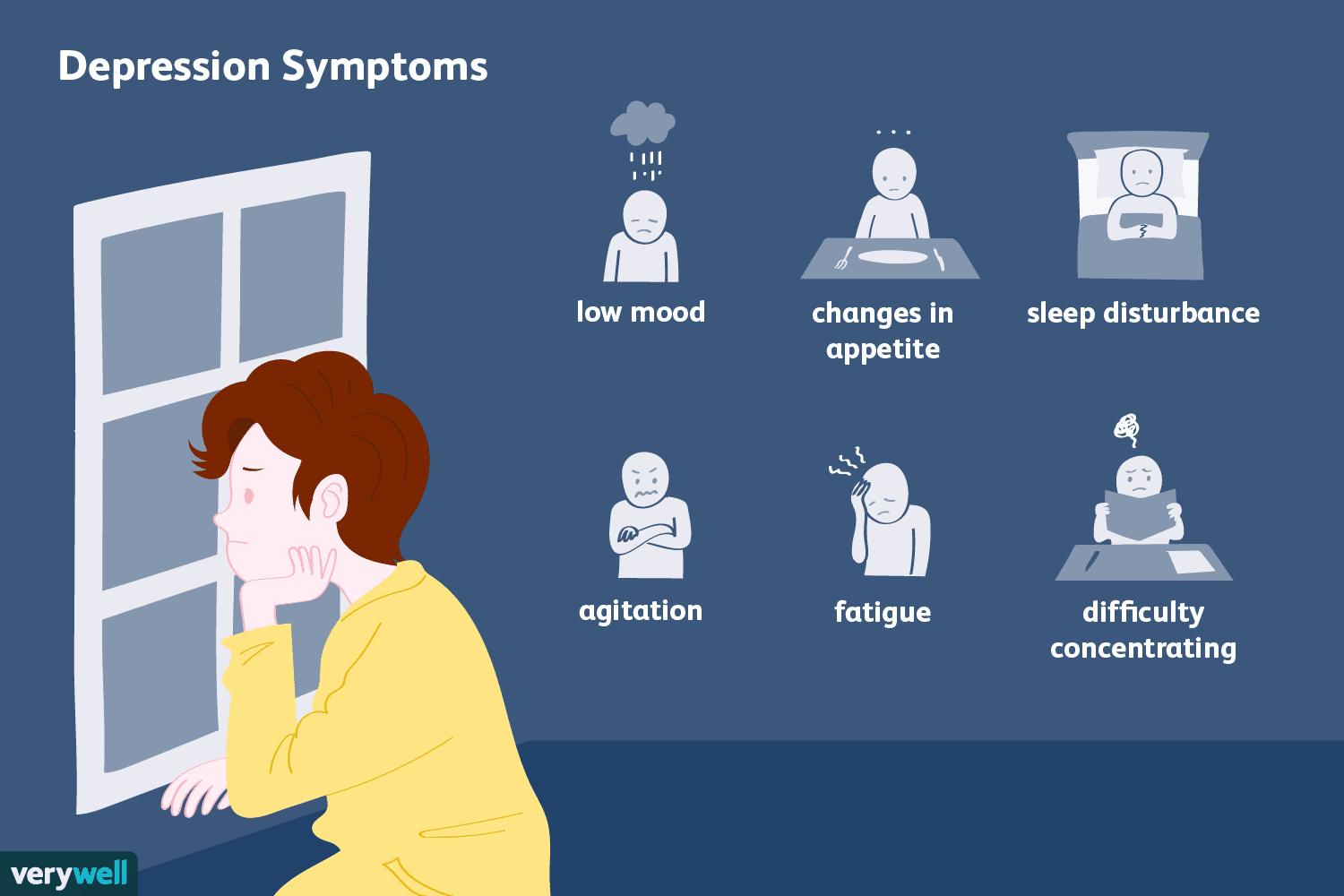
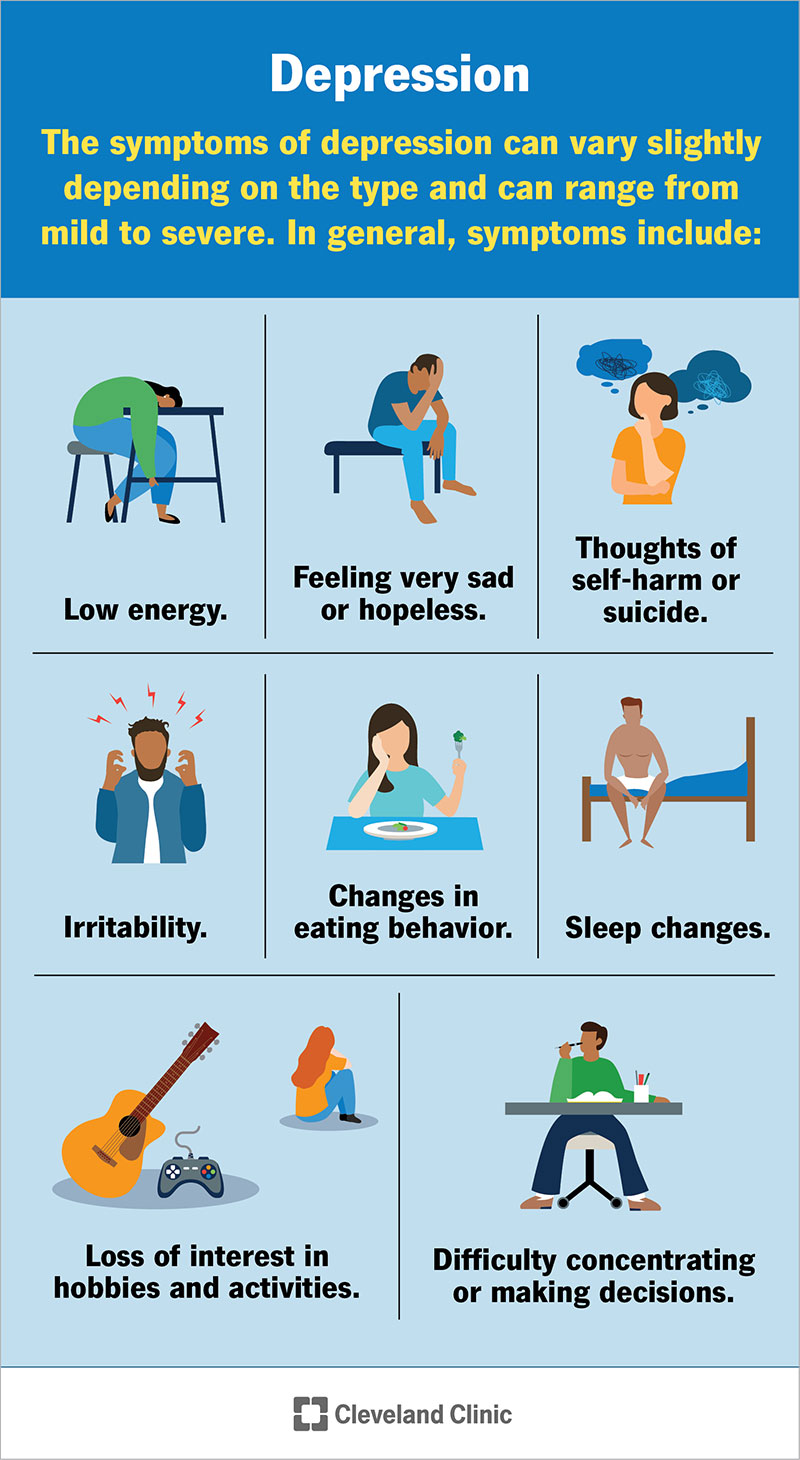
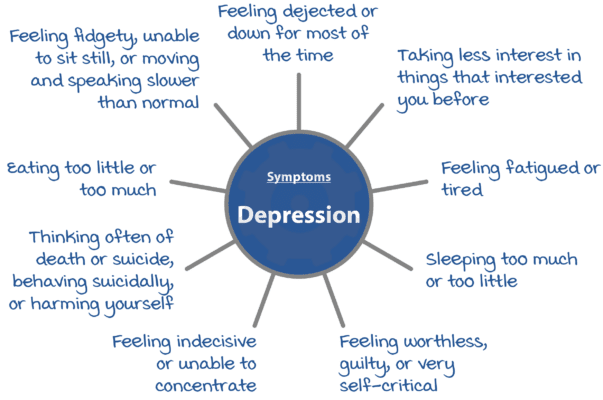
One of the most common symptoms of depression is a persistent feeling of sadness or emptiness. You may experience a deep and overwhelming sadness that seems to linger for weeks or even months. This sadness can hinder your ability to find joy in things that once brought you happiness and can make even simple tasks feel overwhelming.
Loss of interest or pleasure in activities
Another symptom of depression is a sudden loss of interest or pleasure in activities that you used to enjoy. You may find that hobbies, socializing, or pursuing your passions no longer hold any appeal for you. This can lead to a sense of detachment from the things that once brought you fulfillment and a decrease in motivation to engage in activities that used to excite you.
Changes in appetite or weight
Depression can also manifest in changes in appetite or weight. Some individuals may experience a decrease in appetite, leading to weight loss, while others may turn to food as a way to cope with their emotions and experience weight gain. These fluctuations in appetite and weight can have significant impacts on both physical and emotional well-being.
Sleep disturbances
Sleep disturbances are a common symptom of depression. You may find yourself having difficulty falling asleep or staying asleep throughout the night. On the other hand, you may find that you sleep excessively and still feel fatigued upon waking. These disruptions in sleep can worsen feelings of fatigue and make it difficult to function during the day.
Fatigue or loss of energy
Feeling constantly fatigued or experiencing a loss of energy is another common symptom of depression. Even simple tasks may feel exhausting, and you may find it difficult to summon the motivation or energy to complete them. The exhaustion can be both physical and mental, leaving you feeling drained and unable to engage fully in your daily life.
Feelings of worthlessness or guilt
Depression often brings about feelings of worthlessness or guilt. You may find yourself constantly self-critical, believing that you are a burden to those around you or that you are responsible for your current state of unhappiness. These feelings can be incredibly overwhelming and can contribute to a negative self-image and low self-esteem.
Difficulty concentrating or making decisions
Depression can impair your ability to concentrate or make decisions. You may find that you have to reread sentences multiple times or struggle to focus on tasks at work or school. Making even simple decisions, such as what to have for dinner, can feel overwhelming and may lead to indecisiveness or avoidance.
Persistent physical symptoms
In addition to the emotional and cognitive symptoms, depression can also manifest in persistent physical symptoms. These can include headaches, digestive issues, body aches, and other vague physical complaints. It’s important to recognize that these physical symptoms may be linked to your mental health and seek appropriate help.
Thoughts of death or suicide
Perhaps one of the most severe symptoms of depression is experiencing thoughts of death or suicide. These dark thoughts may range from fleeting contemplation to detailed plans. It is crucial to take these thoughts seriously and seek immediate help. There are helplines and resources available to support you during these difficult times.
Types of Depression
Major Depressive Disorder (MDD)
Major Depressive Disorder, often referred to as MDD, is a common form of depression characterized by persistent feelings of sadness, hopelessness, and a lack of interest in activities. It can significantly impact one’s daily life, affecting relationships, work/study performance, and overall well-being.
Persistent Depressive Disorder (PDD)
Persistent Depressive Disorder, also known as PDD or dysthymia, is a chronic form of depression that lasts for two or more years. The symptoms may be less severe compared to those of MDD, but they can persist for an extended period, making it challenging to experience sustained happiness or satisfaction.
Postpartum Depression
Postpartum depression is a type of depression that occurs after giving birth, affecting approximately 10-15% of women. It is often characterized by feelings of sadness, anxiety, or irritability, and can interfere with a new mother’s ability to care for herself and her baby. Seeking help and support is crucial for both the mother and the baby’s well-being.
Seasonal Affective Disorder (SAD)
Seasonal Affective Disorder, or SAD, is a form of depression that is associated with seasonal changes, typically occurring during the winter months. Reduced exposure to sunlight can disrupt the body’s internal clock, leading to symptoms such as low mood, low energy, and increased need for sleep. Light therapy and other treatments can help alleviate these symptoms.
Bipolar Disorder
Bipolar Disorder, previously referred to as manic depression, is a mood disorder characterized by extreme mood swings. People with bipolar disorder experience episodes of depression, as well as periods of intense euphoria, known as manic episodes. Proper diagnosis and management are crucial for individuals with bipolar disorder, as it can significantly impact their daily functioning.
Causes and Triggers of Depression
Biological factors
There is evidence to suggest that biological factors, such as imbalances in brain chemicals and genetics, play a role in the development of depression. Certain neurotransmitters, such as serotonin and norepinephrine, can affect mood regulation. Understanding these biological factors can help in finding the most suitable treatment options.
Genetics and family history
If you have a family history of depression, you may be at a higher risk of developing the condition yourself. While genetics alone do not guarantee that you will experience depression, being aware of your family history can be helpful in recognizing potential risk factors and seeking appropriate support if needed.
Changes in brain structure and function
Research indicates that depression can cause changes in brain structure and function. Parts of the brain responsible for mood regulation, such as the amygdala and prefrontal cortex, can be affected. Understanding these neurobiological changes can help in formulating personalized treatment plans.
Environmental factors
Environmental factors, including life events and daily stressors, can contribute to the onset of depression. Significant life changes such as job loss, grief, or relationship issues can trigger or exacerbate depressive symptoms. Identifying and addressing these environmental factors is crucial to managing depression effectively.
Traumatic life events
Experiencing trauma, such as physical or emotional abuse, can significantly increase the risk of developing depression. Traumatic events can have long-lasting effects on emotional well-being and may require specialized therapy to help individuals cope with and heal from the trauma.
Chronic illness or medical conditions
Living with chronic illness or medical conditions can also contribute to the development of depression. The physical and emotional toll of managing a long-term health condition can be overwhelming and may require additional support and treatment to maintain overall well-being.
Substance abuse
Substance abuse and depression often coexist, with each condition worsening the other. Substance use can temporarily alleviate the symptoms of depression but can ultimately lead to increased feelings of sadness and hopelessness. Treating both the substance abuse and depression concurrently is crucial for long-term recovery.
Stressful situations
High levels of chronic stress can have a significant impact on mental health, increasing the risk of depression. Managing stress effectively through stress reduction techniques, self-care, and seeking support when needed is essential in preventing the onset or worsening of depressive symptoms.
Seeking Professional Help
Recognizing when to seek help
Recognizing when to seek professional help for depression can be challenging, but it is a crucial step in managing the condition. If your symptoms significantly impact your daily functioning, relationships, work, or academic performance, it is important to reach out for support. Trust your instincts and remember that seeking help is a sign of strength, not weakness.
Choosing a mental health professional
When seeking professional help for depression, finding the right mental health professional is essential. Look for licensed therapists, psychologists, or psychiatrists with experience in treating depression. You may also consider factors such as therapy approach, communication style, and availability to ensure a good fit.
Treatment options available
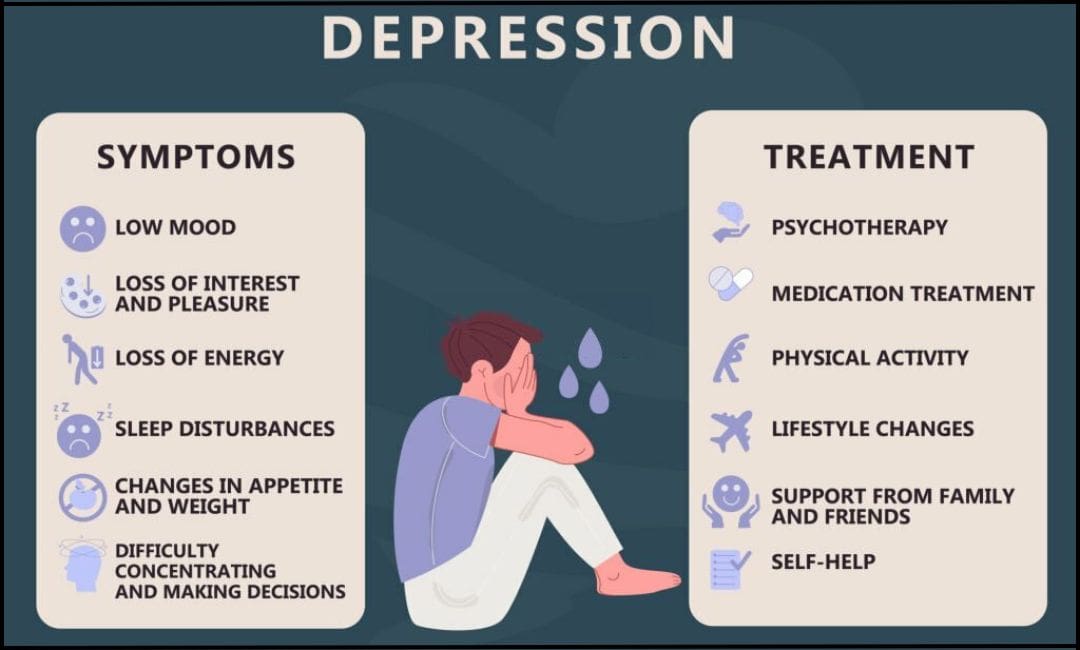
Multiple treatment options are available for depression, and the most effective approach varies from person to person. Common treatment options include medication, therapy (such as cognitive-behavioral therapy or interpersonal therapy), and self-help strategies. A comprehensive approach that combines different treatments may be most beneficial.
Medication
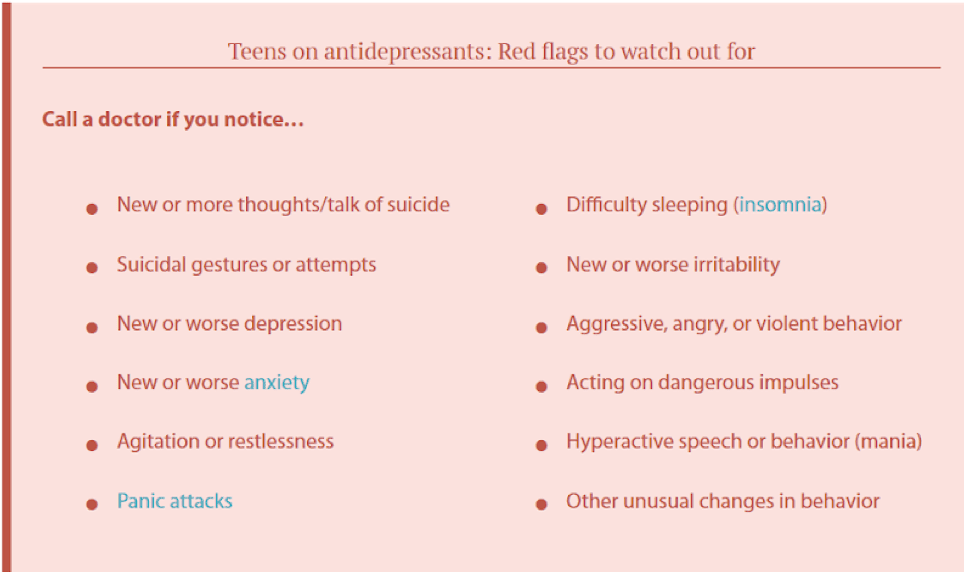
Antidepressant medication is often prescribed for moderate to severe depression. This medication is designed to balance brain chemicals and reduce depressive symptoms. It is important to work closely with a prescribing doctor, to monitor for side effects, and adjust medication if necessary.
Therapy
Therapy, such as cognitive-behavioral therapy (CBT) or interpersonal therapy (IPT), is a common treatment for depression. Therapy can help individuals develop coping strategies, identify negative thought patterns, and address underlying issues contributing to their depression. The supportive environment of therapy can provide emotional validation and guidance.
Support groups
Joining a support group can provide a sense of community and understanding for individuals with depression. Connecting with others who have similar experiences can help reduce feelings of isolation and offer additional perspectives and coping strategies.
Self-help strategies
In addition to professional help, self-help strategies can be a beneficial tool in managing depression. These may include engaging in regular exercise, practicing mindfulness or relaxation techniques, journaling, and setting realistic goals. Self-help strategies can empower individuals to take an active role in their recovery journey.
Self-Care Strategies for Managing Depression
Establishing a daily routine
Creating and sticking to a daily routine can provide structure and stability, promoting a sense of control and well-being. Plan out your day, including activities, meals, and rest periods. Consistency and predictability can help manage depressive symptoms and increase overall functioning.
Engaging in regular physical exercise
Physical exercise is known to have positive effects on mental health. Engaging in regular physical activity can help reduce symptoms of depression by boosting mood through the release of endorphins. Find a form of exercise that you enjoy and make it a part of your routine.
Eating a balanced and nutritious diet
Eating a balanced diet rich in fruits, vegetables, whole grains, and lean protein can have a positive impact on mood and overall well-being. Avoid excessive caffeine, sugary snacks, and processed foods, as they can lead to energy crashes and mood fluctuations.
Getting enough sleep
Proper sleep is essential for mental health and well-being. Establish a consistent sleep schedule and practice good sleep hygiene. Create a relaxing bedtime routine, avoid screens before bed, and ensure your sleep environment is comfortable and conducive to restful sleep.
Avoiding alcohol and drug use
Substance use can worsen depressive symptoms and interfere with treatment effectiveness. Avoiding alcohol and drug use, particularly as a means of self-medication, is crucial for managing depression. Seek healthier coping mechanisms and reach out for support if you are struggling with substance use.
Practicing stress management techniques
Stress can exacerbate symptoms of depression. Incorporate stress management techniques such as deep breathing exercises, meditation, or engaging in hobbies or activities that help you relax. Finding healthy outlets for stress can improve overall well-being and reduce the impact of depressive symptoms.
Engaging in enjoyable activities
Even when you don’t feel like it, engaging in activities that you once enjoyed can help counteract depressive symptoms. Rediscover hobbies or activities that bring you joy or explore new interests. Engaging in these activities, even in small doses, can improve your mood and overall outlook on life.
Building a support system
Having a support system in place can provide invaluable emotional support and understanding. Cultivate relationships with friends, family, or support groups who can offer empathy, encouragement, and a sense of belonging. Sharing your experiences with others who understand can help alleviate feelings of isolation.
Monitoring and challenging negative thoughts
Depression often comes with a barrage of negative thoughts and beliefs about oneself. Monitor your thoughts and challenge negative self-talk with more positive and realistic statements. Cognitive-behavioral therapy techniques can be particularly helpful in identifying and reframing these negative thought patterns.
Coping with Depression in Relationships
Effective communication
Open and honest communication is crucial when navigating depression in relationships. Share your feelings and needs with your partner, friends, or family, and listen actively to their concerns and perspectives. Effective communication can foster understanding and strengthen your support system.
Seeking couples therapy
Couples therapy can offer a safe space to discuss and address the impact of depression on your relationship. A trained therapist can help both partners develop effective coping strategies, improve communication, and regain intimacy in the face of this challenging condition.
Understanding the impact of depression on relationships
Depression can strain relationships, as individuals with depression may struggle with emotional availability, motivation, and interpersonal connection. Understanding the impact of depression on relationships can help both partners be more patient, compassionate, and supportive.
Supporting a partner with depression
Supporting a partner with depression means being empathetic, patient, and non-judgmental. Educate yourself about depression, listen actively, and offer encouragement. Understand that you cannot “fix” your partner’s depression, but your support can make a significant difference.
Managing conflicts and emotional intimacy
Depression can sometimes lead to heightened conflicts and difficulties in emotional intimacy. It is important to address conflicts calmly and constructively, focusing on understanding and compromise. Building emotional intimacy may involve creating a safe space for vulnerability and seeking professional help if needed.
Managing Depression at Work or School
Open communication with superiors and colleagues
If you are experiencing depression, open communication with your superiors or colleagues can be crucial. Explain the challenges you are facing, discuss any necessary workplace accommodations, and work together to create a supportive environment that allows you to thrive.
Accommodations and support
Talk to your employer or school about potential accommodations or support services that may be available to help manage your depression. This may include flexible work hours, reduced workload, access to mental health resources, or counseling services.
Prioritizing self-care
Prioritizing self-care is essential when managing depression in a work or academic setting. Ensure you are practicing good self-care habits, such as maintaining healthy boundaries between work/school and personal life, taking breaks when needed, and engaging in stress-reducing activities.
Creating a conducive work or study environment
Creating an environment that promotes productivity and well-being is crucial when managing depression at work or school. Incorporate elements that promote relaxation and focus, such as natural light, comfortable furniture, and a clutter-free workspace.
Setting realistic goals
Setting realistic, achievable goals can help manage feelings of overwhelm and increase motivation. Break tasks into smaller, manageable steps, and celebrate each accomplishment along the way. Remember that progress, no matter how small, is still progress.
Identifying and Managing Triggers
Recognizing personal triggers
Understanding your personal triggers for depression is a crucial step in managing the condition. Take note of situations, people, or activities that consistently worsen your mood or increase feelings of sadness and incorporate strategies to avoid or mitigate them when possible.
Keeping a mood journal
Keeping a mood journal can help identify patterns and triggers that may contribute to depressive episodes. Record daily mood, activities, and any notable events or thoughts. By recognizing these patterns, you can better understand your triggers and develop strategies to manage them.
Implementing strategies for avoiding triggers
Once you have identified your triggers, implement strategies to avoid or minimize exposure to them. For example, if certain situations or environments consistently worsen your mood, consider adjusting your routines or finding alternative options that promote a more positive mindset.
Developing coping mechanisms
When triggers cannot be entirely avoided, it is important to develop healthy coping mechanisms. These may include deep breathing exercises, engaging in relaxation techniques, seeking support from a trusted friend or therapist, or engaging in activities that bring you joy and help distract from negative emotions.
Strengthening Emotional Resilience
Building resilience through therapy
Therapy can be a valuable tool in building emotional resilience. A therapist can help you develop coping skills, challenge negative thinking patterns, and strengthen your ability to bounce back from challenges. Therapy can provide a supportive and non-judgmental space to explore and enhance your emotional well-being.
Practicing mindfulness and relaxation techniques
Mindfulness and relaxation techniques, such as meditation, deep breathing exercises, and yoga, can help cultivate emotional resilience. These practices promote self-awareness, grounding, and stress reduction, allowing you to better cope with adversity and build a stronger emotional foundation.
Cultivating a positive support network
Surrounding yourself with positive and supportive individuals can contribute to emotional resilience. Cultivate relationships with people who uplift and encourage you, and seek out opportunities to connect and share your experiences. Remember, you are not alone, and opening up to your support network can provide invaluable strength and encouragement.
Focusing on personal strengths and achievements
Recognizing and celebrating personal strengths and achievements can enhance emotional resilience. Make a conscious effort to acknowledge your abilities and accomplishments, both big and small. By focusing on these positive aspects, you can build self-confidence and increase your capacity to overcome challenges.
Setting healthy boundaries
Setting healthy boundaries is crucial for emotional well-being and resilience. Learn to prioritize your needs and say no when necessary. By establishing clear boundaries, you can protect your emotional energy and prevent feelings of overwhelm or burnout.
Supporting Others with Depression
Educating yourself about depression
Educating yourself about depression is an essential first step in supporting someone with the condition. Learn about the symptoms, treatments, and available resources to better understand what your loved one is experiencing.
Offering empathy and understanding
Offering empathy and understanding can make a significant difference in supporting someone with depression. Validate their feelings, listen actively without judgment, and provide a safe space for them to express themselves. Let them know that their emotions are valid and that you are there for support.
Encouraging professional help-seeking
If someone you care about is experiencing depression, encourage them to seek professional help. Help them research mental health professionals, accompany them to appointments if desired, and provide emotional support throughout the process. Remind them that seeking help is a sign of strength, and treatment can greatly improve their quality of life.
Being patient and non-judgmental
Patience and non-judgmental attitudes are key when supporting someone with depression. Remember that depression is a complex condition, and recovery can take time. Avoid making assumptions, and offer support and understanding without pressuring them to “snap out of it” or “get better” quickly.
Maintaining regular check-ins and support
Maintaining regular check-ins and support is crucial for someone with depression. Reach out to them regularly, ask how they are doing, and provide a listening ear when needed. Your consistent presence and support can make a significant difference in their journey towards recovery.
Understanding and managing the symptoms of depression is a journey that requires patience, self-compassion, and support. By recognizing the symptoms, seeking professional help, implementing self-care strategies, and building a strong support network, you can navigate through depression and regain control of your life. Remember, you are not alone, and there is help and hope available.