Welcome to a guide on managing chronic anxiety without relying on medication. In this article, you will discover practical tips and techniques to help you cope with anxiety in a natural and holistic way. From mindfulness practices to relaxation exercises, you will learn how to take control of your anxiety and lead a more peaceful and balanced life. Let’s explore these strategies together and start your journey towards managing chronic anxiety without medication. Have you been struggling with chronic anxiety and looking for ways to manage it without relying on medication? You’re not alone. Many people are seeking alternative methods to cope with their anxiety in a natural way. In this article, we will explore various tips and strategies that can help you manage chronic anxiety without the use of medication. From lifestyle changes to relaxation techniques, we will cover a wide range of effective approaches that you can incorporate into your daily routine. Let’s dive in!
Understanding Chronic Anxiety
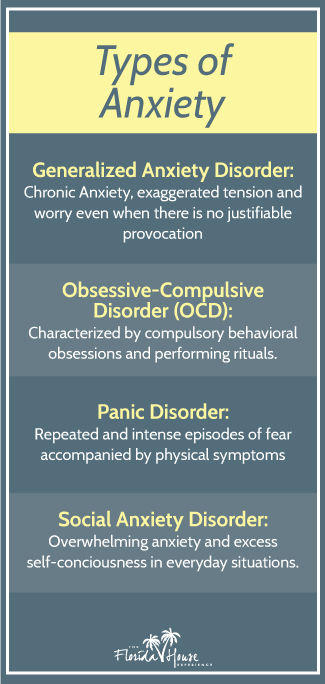
Chronic anxiety is a condition characterized by persistent and excessive worry, fear, or uneasiness. It can interfere with your daily life, affecting your relationships, work performance, and overall well-being. The key to managing chronic anxiety without medication is to first understand its root causes and triggers. By gaining insight into what is fueling your anxiety, you can develop effective coping strategies to address it.
Identify Your Triggers
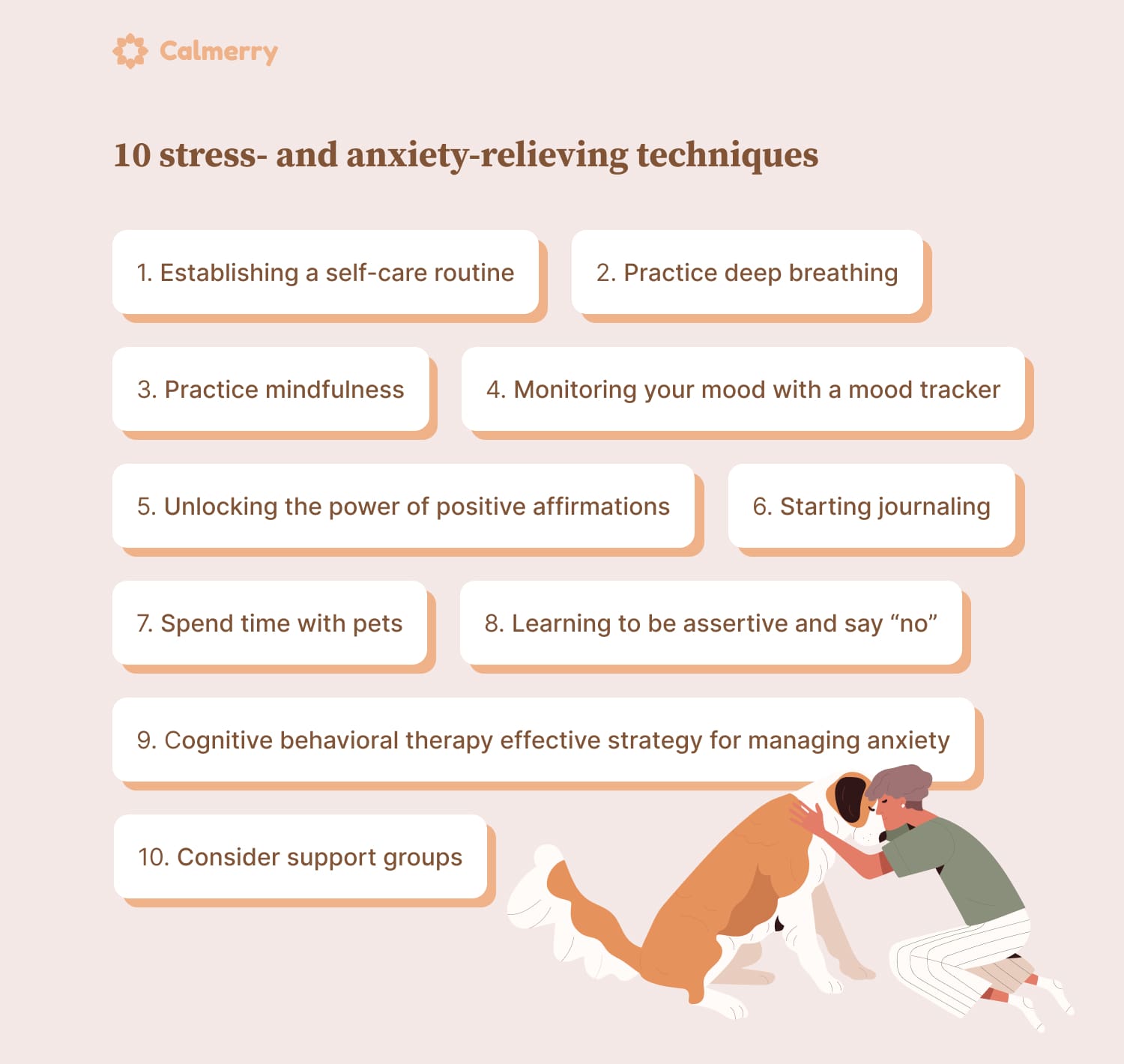
Start by identifying the specific situations, events, or thoughts that tend to trigger your anxiety. Keep a journal to track these triggers and note how they make you feel. By recognizing patterns and common triggers, you can begin to take proactive steps to avoid or cope with them effectively.
Lifestyle Changes
Making positive lifestyle changes can have a significant impact on managing chronic anxiety. From improving your sleep habits to incorporating regular exercise into your routine, small adjustments to your daily habits can make a big difference in reducing anxiety levels.
Get Adequate Sleep
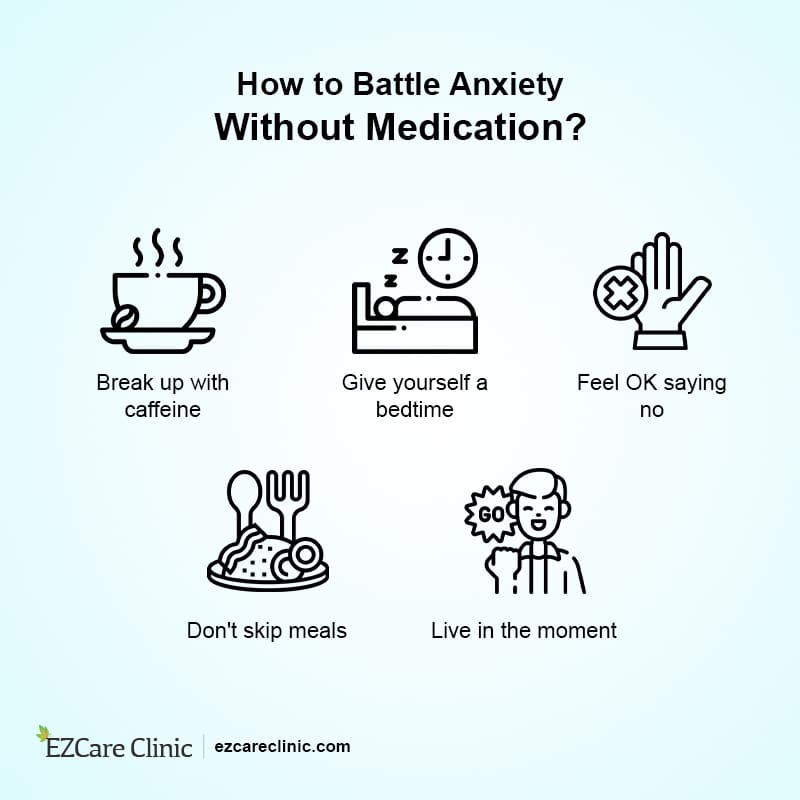
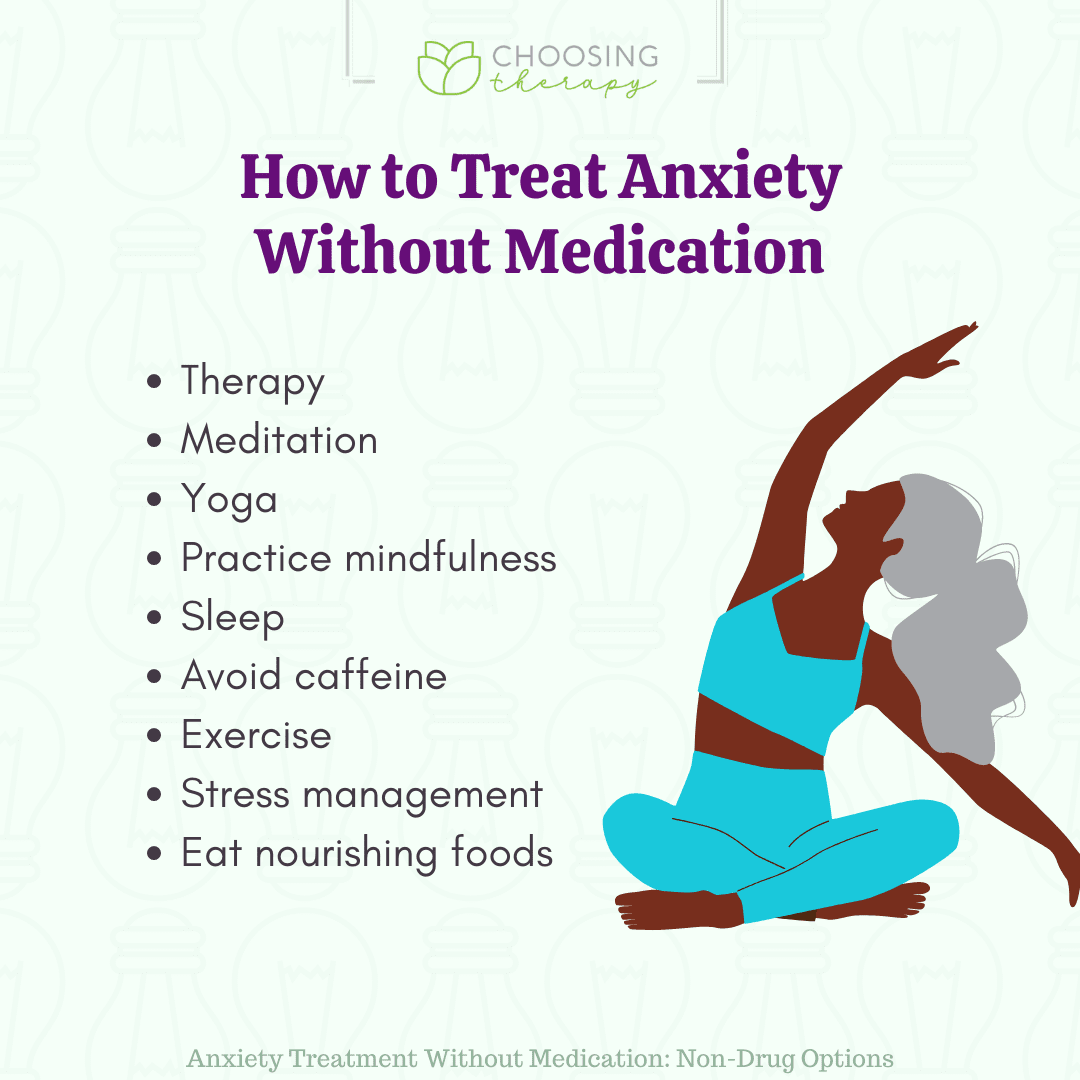
Lack of sleep can exacerbate anxiety symptoms and make it harder to cope with daily stressors. Make sure you prioritize getting enough rest each night by establishing a bedtime routine and creating a relaxing sleep environment. Avoid caffeine and electronics before bed, and practice relaxation techniques to help you unwind and prepare for sleep.
Eat a Balanced Diet
What you eat can also influence your mental health and anxiety levels. Focus on eating a balanced diet rich in fruits, vegetables, whole grains, and lean proteins. Limit your intake of processed foods, sugar, and caffeine, as these can contribute to anxiety symptoms. Stay hydrated and consider adding supplements like omega-3 fatty acids or magnesium, which have been shown to benefit mental health.
Stay Active
Exercise is a powerful tool for managing anxiety, as it helps release endorphins and reduce stress levels. Aim to incorporate regular physical activity into your routine, whether it’s going for a walk, practicing yoga, or hitting the gym. Find activities that you enjoy and make exercise a priority to reap the mental health benefits.
Limit Alcohol and Caffeine
While it may be tempting to turn to alcohol or caffeine to cope with anxiety, these substances can actually worsen symptoms in the long run. Instead, opt for healthier ways to manage stress, such as mindfulness meditation, deep breathing exercises, or spending time in nature. By reducing your intake of alcohol and caffeine, you can support your mental health and overall well-being.
Relaxation Techniques
Incorporating relaxation techniques into your daily routine can help reduce anxiety and promote a sense of calm and balance. From deep breathing exercises to progressive muscle relaxation, there are various approaches you can try to ease anxiety symptoms.
Practice Deep Breathing
Deep breathing is a simple yet effective way to calm your mind and body during moments of anxiety. Try taking slow, deep breaths, focusing on filling your lungs with air and releasing tension with each exhale. You can use apps or guided recordings to help you practice deep breathing exercises and incorporate them into your daily life.
Try Progressive Muscle Relaxation
Progressive muscle relaxation involves tensing and relaxing different muscle groups in your body to reduce physical tension and stress. Start by tensing your muscles for a few seconds, then releasing the tension and focusing on the sensation of relaxation. Move through each muscle group, from your toes to your head, to promote a sense of relaxation and release built-up tension.
Engage in Mindfulness Meditation
Mindfulness meditation is a practice that involves focusing on the present moment without judgment. By cultivating awareness of your thoughts and sensations, you can learn to observe them without getting caught up in them. Regular mindfulness meditation can help you develop a more mindful and compassionate relationship with your anxiety, reducing its intensity and impact on your daily life.
Social Support
Building a strong support network can be invaluable in managing chronic anxiety without medication. Surround yourself with understanding and compassionate individuals who can provide emotional support, encouragement, and practical assistance when needed.
Lean on Loved Ones
Don’t hesitate to reach out to friends, family members, or support groups for help and guidance. Share your feelings and experiences with trusted individuals who can offer empathy, reassurance, and a listening ear. Sometimes, simply talking about your anxiety can help alleviate its burden and bring a sense of relief.
Consider Therapy
Therapy can be a beneficial tool for exploring the root causes of your anxiety, learning coping strategies, and developing resilience. Cognitive-behavioral therapy (CBT) and other evidence-based approaches can help you challenge negative thought patterns, build effective coping mechanisms, and enhance your emotional well-being. A trained therapist can provide guidance and support as you work through your anxiety and cultivate a more positive mindset.
Mind-Body Practices
Mind-body practices like yoga, tai chi, and qigong can help integrate the mind and body, promoting relaxation and stress reduction. By incorporating these holistic practices into your routine, you can enhance your overall well-being and cultivate a greater sense of inner peace.
Explore Yoga
Yoga is a gentle and holistic practice that combines physical postures, breathwork, and mindfulness to promote relaxation and flexibility. Whether you practice gentle yoga, restorative yoga, or power yoga, there are different styles to suit your needs and preferences. Consider attending a local class or following online tutorials to explore the benefits of yoga for anxiety management.
Try Tai Chi
Tai chi is a martial art that emphasizes slow, deliberate movements and deep breathing to cultivate balance, strength, and relaxation. Practicing tai chi can help you develop mindfulness, body awareness, and a sense of calm and centeredness. Look for local classes or instructional videos to learn the basics of tai chi and incorporate it into your routine.
Experiment with Qigong
Qigong is a Chinese healing practice that involves gentle movements, meditation, and breathwork to promote energy flow and balance in the body. By practicing qigong regularly, you can enhance your vitality, resilience, and emotional well-being. Consider attending workshops, retreats, or online classes to explore the principles and practices of qigong and experience its benefits for anxiety relief.
Mindfulness and Gratitude
Mindfulness and gratitude are powerful tools for managing chronic anxiety and cultivating a positive mindset. By practicing mindfulness and gratitude daily, you can shift your focus from worries and fears to moments of presence and appreciation.
Cultivate Mindfulness
Mindfulness involves paying attention to the present moment with openness, curiosity, and acceptance. By practicing mindfulness, you can become more aware of your thoughts, emotions, and sensations, without getting caught up in them. Engage in mindful activities like walking, eating, or breathing to anchor yourself in the present moment and foster a sense of calm and clarity.
Practice Gratitude
Gratitude involves acknowledging and appreciating the positive aspects of your life, even in the midst of challenges and difficulties. Keep a gratitude journal to write down three things you are grateful for each day, no matter how big or small. By focusing on the good in your life, you can shift your perspective from fear and scarcity to abundance and joy.
Setting Boundaries
Setting boundaries is essential for protecting your mental health and well-being, especially when dealing with chronic anxiety. By establishing clear boundaries in your relationships, work, and personal life, you can create a sense of safety, autonomy, and balance.
Learn to Say No
It’s okay to say no to requests, obligations, or activities that create stress or overwhelm you. Prioritize your needs and well-being by setting limits and boundaries that honor your physical, emotional, and mental health. Practice assertiveness and self-advocacy to communicate your boundaries effectively and respectfully with others.
Establish Self-Care Routines
Self-care is essential for managing anxiety and nurturing your overall well-being. Make time for activities that rejuvenate and replenish you, whether it’s taking a bath, reading a book, or spending time in nature. Prioritize self-care practices that bring you joy, comfort, and relaxation, and make them a non-negotiable part of your routine.
Conclusion
Managing chronic anxiety without medication is possible with the right strategies and support systems in place. By incorporating lifestyle changes, relaxation techniques, social support, mind-body practices, mindfulness, gratitude, and setting boundaries, you can effectively cope with your anxiety and improve your quality of life. Remember that it’s essential to be patient and compassionate with yourself as you navigate the ups and downs of managing chronic anxiety. Seek professional help if needed, and don’t hesitate to reach out to loved ones for support. You are not alone in this journey, and with dedication and perseverance, you can learn to manage your anxiety in a holistic and sustainable way.