
Living with chronic immune disorders can be a daunting journey, as it involves navigating through a plethora of physical, emotional, and social challenges. Whether you are personally affected by a chronic immune disorder or know someone who is, this ultimate guide aims to provide you with valuable insights, advice, and resources to help you navigate the complexities of daily life. From understanding the different types of immune disorders to managing symptoms and seeking support, this comprehensive guide is your go-to resource for living a fulfilling and empowered life despite the challenges you may face.
Understanding Chronic Immune Disorders
Chronic immune disorders are complex conditions that affect the normal functioning of the immune system, leading to chronic inflammation, tissue damage, and a range of symptoms. There are several types of chronic immune disorders, each with its own unique characteristics and effects on the body.
Types of Chronic Immune Disorders
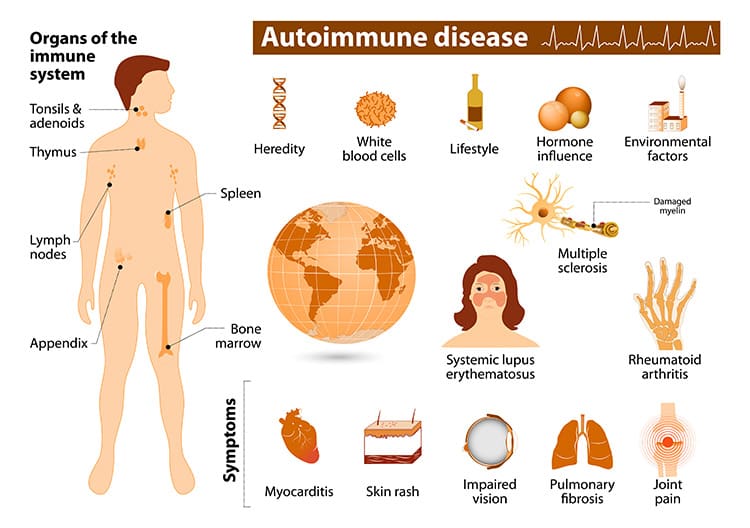
- Rheumatoid arthritis: This autoimmune disorder primarily affects the joints, leading to pain, stiffness, and swelling.
- Lupus: Lupus is a systemic autoimmune disease that can affect various organs and systems in the body, causing fatigue, joint pain, skin rashes, and other symptoms.
- Multiple sclerosis: This chronic immune disorder affects the central nervous system, leading to communication problems between the brain and the rest of the body. Symptoms can vary widely, including muscle weakness, fatigue, and difficulties with coordination.
- Crohn’s disease: Crohn’s disease is an inflammatory bowel disorder that can cause abdominal pain, diarrhea, and weight loss.
- Psoriasis: Psoriasis is a chronic autoimmune condition that affects the skin, causing red, scaly patches and itchiness.
Causes of Chronic Immune Disorders
The exact cause of chronic immune disorders is not fully understood. However, it is believed that a combination of genetic predisposition and environmental triggers play a role in their development. Factors such as infections, hormonal imbalances, certain medications, and a family history of autoimmune disorders may contribute to an increased risk of developing these conditions.
Symptoms of Chronic Immune Disorders
The symptoms of chronic immune disorders can vary depending on the specific condition and the organs or systems affected. However, some common symptoms include fatigue, joint pain, swelling, fever, skin rashes, digestive problems, and cognitive difficulties. These symptoms can significantly impact a person’s quality of life and require proper management and treatment.
Diagnosis and Treatment Options
If you suspect you may have a chronic immune disorder, it is crucial to seek a proper diagnosis from a healthcare professional who specializes in these conditions.
Getting a Proper Diagnosis
The diagnostic process for chronic immune disorders usually involves a thorough medical history review, physical examination, and various tests. Blood tests, imaging studies, and biopsies may be used to help identify specific markers or signs characteristic of certain immune disorders. It is important to provide your doctor with detailed information about your symptoms and any family history of autoimmune diseases to aid in an accurate diagnosis.
Treatment Options for Chronic Immune Disorders
While there is no cure for chronic immune disorders, there are various treatment options available to manage symptoms, slow disease progression, and improve overall quality of life. The treatment approach will depend on the specific condition and the severity of symptoms. Common treatment options include:
- Medications: Disease-modifying antirheumatic drugs (DMARDs), immunosuppressants, nonsteroidal anti-inflammatory drugs (NSAIDs), and corticosteroids are often prescribed to reduce inflammation and control immune system activity.
- Physical therapy: Physical therapy can help improve joint mobility, muscle strength, and overall function for individuals with chronic immune disorders that affect the musculoskeletal system.
- Occupational therapy: For individuals with limitations in daily activities due to their condition, occupational therapy can provide strategies and adaptations to enhance independence and productivity.
- Alternative therapies: Some people find relief through complementary and alternative therapies like acupuncture, massage, and herbal supplements, but it is important to discuss these options with a healthcare professional before incorporating them into your treatment plan.
Medications for Chronic Immune Disorders
Different medications may be prescribed depending on the specific chronic immune disorder and individual needs. For example, nonsteroidal anti-inflammatory drugs (NSAIDs) can be used to manage pain and inflammation in conditions like rheumatoid arthritis and lupus. Disease-modifying antirheumatic drugs (DMARDs), including methotrexate and hydroxychloroquine, are often prescribed to slow the progression of certain autoimmune conditions. Additionally, biologic drugs, such as tumor necrosis factor (TNF) inhibitors, can be effective in targeting specific immune pathways to reduce symptoms and prevent damage.
Diet and Nutrition
Maintaining a healthy and well-balanced diet is essential for managing chronic immune disorders. Proper nutrition can play a crucial role in supporting overall immune system function and reducing inflammation.
Importance of a Healthy Diet
A healthy diet is essential for individuals living with chronic immune disorders. Eating a variety of nutrient-dense foods helps provide the body with essential vitamins, minerals, and antioxidants. This promotes overall wellness, supports immune system function, and aids in managing symptoms.
Foods to Include in Your Diet
When it comes to a diet for chronic immune disorders, incorporating certain foods can be beneficial. Some examples include:
- Fruits and vegetables: These are rich in antioxidants, vitamins, and minerals that help reduce inflammation and support immune function.
- Omega-3 fatty acids: Found in fatty fish, walnuts, and flaxseeds, omega-3 fatty acids have anti-inflammatory properties and can help manage symptoms.
- Whole grains: Opting for whole grains such as quinoa, brown rice, and whole wheat bread can provide fiber that aids in digestion and supports gut health.
- Lean proteins: Sources such as fish, poultry, and legumes can provide essential amino acids that support muscle repair and overall immune function.
Foods to Avoid
Inflammatory foods should be limited or avoided in the diet of individuals with chronic immune disorders. These can include:
- Processed foods: High in additives, preservatives, and unhealthy fats, processed foods can contribute to inflammation.
- Added sugars: Consuming excessive amounts of added sugars, such as those found in sugary drinks and sweets, can promote inflammation and negatively impact overall health.
- Trans fats: Commonly found in fried foods and some baked goods, trans fats can trigger inflammation and worsen symptoms.
Supplements and Vitamins for Chronic Immune Disorders
While a well-rounded diet should ideally provide all the necessary nutrients, some individuals with chronic immune disorders may benefit from supplements or vitamins. It is important to consult with a healthcare professional before starting any supplements, as they can interact with medications and may not be suitable for everyone. Vitamin D, omega-3 fatty acids, and probiotics are commonly recommended for their potential immune system benefits.
Exercise and Physical Activity
Engaging in regular exercise and physical activity can offer numerous benefits for individuals with chronic immune disorders. It can help improve overall strength, flexibility, and cardiovascular fitness, as well as boost mood and energy levels.
Benefits of Regular Exercise
Regular exercise provides several benefits for individuals with chronic immune disorders. These can include:
- Improved joint mobility and muscle strength
- Enhanced cardiovascular fitness
- Weight management and maintenance of healthy body weight
- Stress reduction and improved mental well-being
- Increased energy levels and reduced fatigue
Choosing the Right Types of Exercise
When selecting exercise activities, it is important to consider the specific condition and individual limitations or restrictions. Low-impact exercises, such as swimming, walking, and yoga, can be gentle on the joints while still providing a range of benefits. Resistance training with light weights or resistance bands can help strengthen muscles and improve joint stability. It is essential to listen to your body and modify activities as needed to avoid exacerbating symptoms.
Adapting Exercise for Chronic Immune Disorders
Individuals with chronic immune disorders may experience fluctuations in symptoms, and it is important to adapt exercise routines accordingly. On days when symptoms are more severe, it may be necessary to modify the intensity or duration of exercise. Rest and recovery days are crucial to prevent overexertion and minimize the risk of flare-ups. Staying in tune with your body and adjusting your exercise routine as needed will help ensure a safe and effective approach to physical activity.
Managing Stress and Mental Health
Stress can have a significant impact on chronic immune disorders, potentially triggering flare-ups and intensifying symptoms. Managing stress and prioritizing mental health is essential for overall well-being and symptom management.
Understanding the Impact of Stress on Chronic Immune Disorders
Stress triggers various biochemical responses in the body that can disrupt immune system function and exacerbate inflammation. In individuals with chronic immune disorders, stress can increase the likelihood of flare-ups, worsen symptoms, and contribute to emotional distress. By recognizing the connection between stress and their condition, individuals can take proactive steps to manage stress levels effectively.
Stress-Relief Techniques
Incorporating stress-relief techniques into daily life can significantly impact both physical and mental well-being. Some effective stress-reduction strategies include:
- Mindfulness and meditation: Engaging in mindfulness exercises or meditation can help calm the mind, reduce anxiety, and promote a sense of relaxation.
- Deep breathing exercises: Practicing deep breathing techniques can activate the body’s relaxation response, alleviating stress and reducing tension.
- Regular exercise: Physical activity releases endorphins, which act as natural mood boosters and stress reducers.
- Engaging in hobbies: Finding activities that bring joy and provide a sense of fulfillment can help distract from stressors and promote a positive mindset.
Coping with Emotional Challenges
Living with chronic immune disorders can present emotional challenges, including frustration, anxiety, and depression. It is important to acknowledge and address these emotions to support mental well-being. Seeking support from loved ones, participating in therapy or counseling, and engaging in activities that promote relaxation and self-care can all contribute to emotional resilience.
Support and Community
Living with a chronic immune disorder can feel isolating at times, but it is important to remember that there is a supportive community ready to offer understanding, encouragement, and advice.
Seeking Support from Friends and Family
Friends and family can provide crucial emotional support for individuals living with chronic immune disorders. Talking openly about your condition, sharing concerns, and seeking their understanding can help strengthen relationships and create a support network. Loved ones can also provide practical assistance with daily tasks when needed.
Joining Support Groups and Online Communities
Connecting with others who share the same experiences can be beneficial for managing a chronic immune disorder. Support groups and online communities offer a space to share experiences, exchange tips and advice, and find a sense of belonging. These groups can provide valuable emotional support, as well as the opportunity to learn from others who have navigated similar challenges.
Finding Healthcare Professionals Who Specialize in Chronic Immune Disorders
Seeking out healthcare professionals who specialize in chronic immune disorders is crucial for optimal management and treatment of these conditions. These professionals have a deep understanding of the complexities of these disorders and can provide personalized care and guidance. Building a strong healthcare team is essential for managing symptoms and ensuring the best possible quality of life.
Maintaining a Balanced Lifestyle
Maintaining a balanced lifestyle is key to effectively managing a chronic immune disorder while still pursuing personal goals and aspirations.
Creating a Daily Routine
Establishing a daily routine can provide stability and structure, allowing for efficient management of symptoms. Prioritizing rest and incorporating regular self-care activities, such as meditation, hobbies, or spending time with loved ones, helps foster a sense of balance.
Setting Realistic Goals
Setting realistic goals is important when living with chronic immune disorders. Understanding and accepting limitations, pacing activities, and seeking support as needed can help minimize undue stress and avoid exacerbating symptoms. Celebrating achievements, no matter how small, is also important for maintaining a positive mindset.
Balancing Work and Personal Life
Managing a chronic immune disorder can present unique challenges in the workplace. Open communication with employers or supervisors about your condition and potential accommodations can help ensure a supportive work environment. Balancing work demands with personal rest and self-care is crucial for preventing burnout and minimizing the risk of flare-ups.
Managing Flare-Ups and Exacerbations
Flare-ups and exacerbations are common experiences for individuals living with chronic immune disorders. Understanding the warning signs, implementing appropriate strategies, and seeking medical attention when necessary can help effectively manage these episodes.
Recognizing Warning Signs
Recognizing the warning signs of a flare-up is important for prompt intervention. These signs can vary depending on the specific condition but may include increased pain, swelling, fatigue, skin rashes, or gastrointestinal symptoms. By being aware of these indicators, individuals can take proactive steps to prevent the exacerbation from worsening.
Steps to Take During a Flare-Up
During a flare-up, it is important to prioritize self-care and engage in strategies that can help minimize symptoms and promote healing. This may include:
- Resting and conserving energy
- Applying cold or warm packs to affected areas for pain relief
- Taking prescribed medications as directed
- Practicing stress-relief techniques to minimize emotional distress
- Consult your healthcare professional if symptoms worsen or new symptoms develop
Preventing or Minimizing Flare-Ups
While it may not always be possible to completely avoid flare-ups, there are steps individuals can take to reduce their frequency and severity. These include:
- Following a personalized treatment plan as prescribed by your healthcare professional
- Prioritizing self-care activities, such as rest, healthy eating, and stress management
- Identifying and avoiding triggers that may worsen symptoms
- Regularly attending medical appointments and discussing any concerns or changes in symptoms with your healthcare team
Dealing with Medical Expenses
Managing chronic immune disorders often involves regular medical visits, tests, and medications, which can incur significant expenses. Understanding insurance coverage, exploring financial assistance options, and budgeting for medical costs can help individuals navigate this aspect of their condition.
Understanding Insurance Coverage
Understanding the details of your health insurance coverage is essential for effectively managing medical expenses. Familiarize yourself with the terms and conditions of your policy, including coverage amounts, deductibles, copayments, and any restrictions. Knowing which services or treatments are covered can help avoid unexpected costs.
Exploring Financial Assistance Options
Financial assistance options may be available to individuals facing high medical expenses associated with chronic immune disorders. Look into programs offered by pharmaceutical companies, nonprofit organizations, or local community resources that provide support for medical costs. Social workers or patient advocates at healthcare facilities can often provide information and guidance in accessing these resources.
Budgeting for Medical Costs
Creating a budget specifically tailored to medical costs is an effective way to manage expenses and reduce financial stress. Consider expenses such as medications, doctor visits, laboratory tests, and specialized treatments. Arrange payment plans with healthcare providers when necessary and explore prescription assistance programs that may offer reduced medication costs.
Planning for the Future
While it may be difficult to predict the long-term course of chronic immune disorders, planning for the future can help ensure that individuals have support and care in place as their needs evolve.
Creating an Advanced Care Plan
An advanced care plan outlines an individual’s healthcare preferences and decisions in the event that they are unable to communicate their wishes themselves. This can include decisions about life-sustaining treatments, hospitalization, and end-of-life care. Creating an advanced care plan ensures that your wishes are respected and can alleviate the burden on loved ones should a health crisis occur.
Considering Long-Term Support Options
As chronic immune disorders can be unpredictable and progressive, it is important to consider long-term support options. This may include exploring assisted living facilities, home healthcare services, or even the possibility of living with family members who can provide necessary care. Engaging in discussions with loved ones and healthcare professionals about long-term support can help ensure future needs are met.
Maintaining a Positive Outlook
Maintaining a positive outlook is crucial when living with a chronic immune disorder. While the daily challenges and unpredictability can be overwhelming at times, fostering a positive mindset can contribute to emotional well-being and resilience. Surrounding yourself with supportive friends and family, seeking professional help when needed, and engaging in activities that bring joy and fulfillment can all contribute to a positive outlook on life.
Living with a chronic immune disorder presents unique challenges, but it is important to remember that you are not alone. By understanding the different aspects of these disorders, seeking appropriate support and care, and implementing strategies to manage symptoms and improve overall well-being, you can navigate this journey with confidence and resilience. Remember to prioritize self-care, stay informed, and surround yourself with a supportive network of healthcare professionals, loved ones, and fellow individuals experiencing similar challenges. With the right tools and resources, it is possible to live a fulfilling life while managing a chronic immune disorder.