
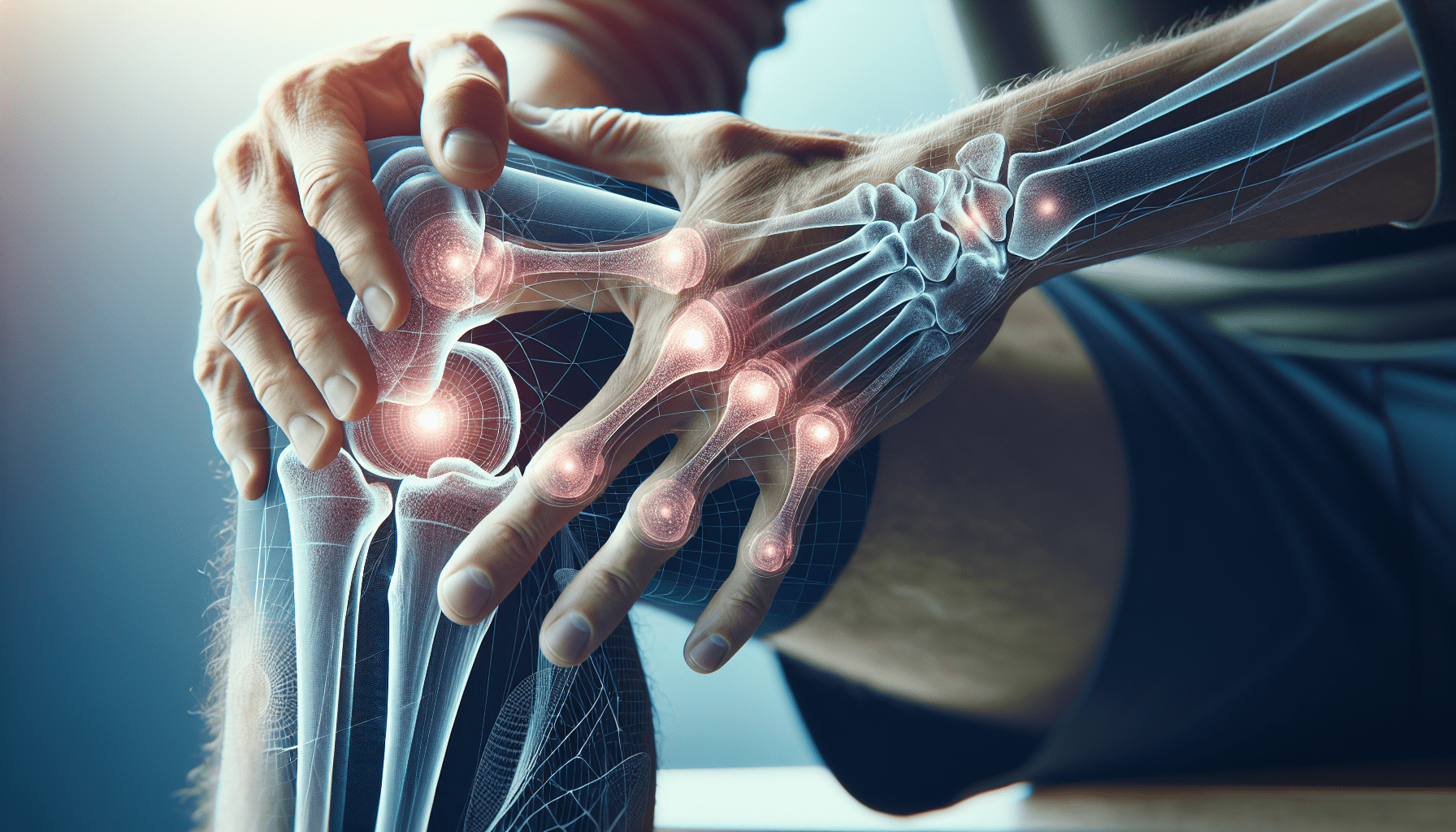
Managing osteoarthritis can be challenging, but with the right lifestyle changes and pain relief strategies, you can effectively control the symptoms and improve your quality of life. This article explores various methods such as exercise, weight management, and medication to help you better understand how to take charge of your osteoarthritis management. From simple adjustments to your daily activities to incorporating targeted exercises into your routine, you’ll discover practical solutions that can make a significant difference in managing this chronic condition. Say hello to a pain-free and fulfilling life!
Exercise
Regular exercise is an essential component of an effective management plan for osteoarthritis. Engaging in certain types of exercises can help improve joint flexibility, reduce pain, and increase overall function. When it comes to osteoarthritis, it is important to choose exercises that are low impact and gentle on the joints.
Types of exercises
There are several types of exercises that are particularly beneficial for individuals with osteoarthritis. First and foremost, aerobic exercises such as walking, swimming, and cycling can help improve cardiovascular health while putting minimal stress on the joints. These exercises also help in maintaining a healthy weight, which is crucial for managing osteoarthritis.
In addition to aerobic exercises, strength training exercises can help strengthen the muscles surrounding the affected joints, providing better support and stability. Examples of such exercises include weightlifting, resistance band exercises, and bodyweight exercises like squats and lunges. It is important to start with low weights or resistance and gradually increase as tolerated.
Flexibility exercises, such as stretching and yoga, can also be beneficial in managing osteoarthritis. These exercises help improve joint range of motion and reduce stiffness. It is important to perform these exercises gently and avoid overstretching or putting excessive strain on the joints.
Benefits of exercise
Regular exercise has numerous benefits for individuals with osteoarthritis. Firstly, it helps in maintaining a healthy weight, which is crucial as excess weight can put additional strain on the joints. Furthermore, exercise can help strengthen the muscles around the affected joints, providing better support and reducing pain. Engaging in physical activity also helps improve joint flexibility, reducing stiffness and improving overall function.
Exercise also has psychological benefits, as it can improve mood and reduce symptoms of anxiety and depression, which are often associated with chronic conditions like osteoarthritis. Additionally, exercise increases the production of endorphins, which are natural pain relievers, providing further relief for those suffering from osteoarthritis.
Tips for exercising with osteoarthritis
When exercising with osteoarthritis, it is important to listen to your body and not push yourself too hard. Start with low-impact exercises and gradually increase the intensity and duration as tolerated. It is recommended to warm up before exercising and cool down afterwards to reduce the risk of injury.
Choose exercises that are appropriate for your level of fitness and joint condition. If certain activities cause pain or discomfort, modify or avoid them. It is advisable to consult with a healthcare professional or a physical therapist to develop an exercise program tailored to your specific needs and abilities.
Remember to always use proper form and technique during exercises to minimize the risk of injury. If you experience increased pain or swelling after exercising, it is important to rest and allow your body to recover. Do not hesitate to seek medical advice if necessary.
Incorporating regular exercise into your daily routine can greatly benefit your overall well-being and help manage the symptoms of osteoarthritis. By following these tips, you can ensure a safe and effective exercise regimen that will contribute to a healthier and more active lifestyle.
Weight management
Maintaining a healthy weight is crucial for individuals with osteoarthritis, as excess weight can put additional strain on the joints. Effective weight management is an important aspect of managing and reducing the symptoms of osteoarthritis.
Importance of weight management
Maintaining a healthy weight is beneficial for individuals with osteoarthritis in numerous ways. Firstly, excessive weight can increase the load on weight-bearing joints such as the knees and hips, leading to increased pain and joint damage. By achieving and maintaining a healthy weight, individuals can alleviate the stress on their joints and slow down the progression of osteoarthritis.
Weight management also plays a role in reducing inflammation in the body. Excessive weight can contribute to a state of chronic low-grade inflammation, which can exacerbate the symptoms of osteoarthritis. By maintaining a healthy weight, inflammation levels can be reduced, leading to improved joint health and decreased pain.
Tips for weight management
When it comes to weight management for individuals with osteoarthritis, a multifaceted approach is typically recommended. Here are some tips that can help in effectively managing weight:
-
Healthy Eating: Adopt a balanced diet consisting of whole, unprocessed foods. Include plenty of fruits, vegetables, lean proteins, whole grains, and healthy fats in your diet. Avoid excessive consumption of processed foods, sugary beverages, and foods high in saturated and trans fats.
-
Portion Control: Pay attention to portion sizes and avoid overeating. Use smaller plates and bowls to help control portions and be mindful of your hunger and fullness cues.
-
Regular Physical Activity: Engage in regular exercise, as discussed in the previous section. Physical activity not only helps in maintaining a healthy weight but also offers additional benefits for managing osteoarthritis symptoms.
-
Seek Professional Guidance: Consult with a registered dietitian or a healthcare professional to develop a personalized meal plan and receive guidance on healthy weight management strategies.
By following these tips, individuals can achieve and maintain a healthy weight, which will have a positive impact on their overall joint health and help manage the symptoms of osteoarthritis.
Dietary changes
Making certain dietary changes can have a significant impact on managing osteoarthritis symptoms. By incorporating certain foods into the diet and avoiding others, individuals can reduce inflammation, promote joint health, and alleviate pain associated with osteoarthritis.
Foods to include in the diet
Certain foods have been shown to possess anti-inflammatory properties and can help reduce inflammation in the body. Including these foods in the diet can be beneficial for individuals with osteoarthritis. Some examples of anti-inflammatory foods include:
- Fatty Fish: Salmon, tuna, and sardines are rich in omega-3 fatty acids, which have been shown to reduce inflammation and promote joint health.
- Berries: Blueberries, strawberries, and cherries are high in antioxidants, which can help reduce inflammation.
- Leafy Greens: Spinach, kale, and other leafy greens are packed with vitamins and minerals that support joint health.
- Turmeric: This spice contains curcumin, which has potent anti-inflammatory properties. Adding turmeric to meals or consuming it as a supplement can help reduce inflammation.
- Nuts and Seeds: Walnuts, almonds, and chia seeds are rich in omega-3 fatty acids and antioxidants, which can help reduce inflammation.
Including these foods in your diet can provide you with essential nutrients and help manage osteoarthritis symptoms.
Foods to avoid
On the other hand, there are certain foods that may contribute to inflammation and worsen symptoms of osteoarthritis. It is advisable to limit or avoid the following foods:
- Processed Foods: Processed snacks, fast food, and pre-packaged meals often contain high amounts of unhealthy fats, added sugars, and artificial ingredients, which can contribute to inflammation.
- Sugary Beverages: Drinks like soda, sweetened tea, and energy drinks are high in sugar and may increase inflammation in the body.
- Trans Fats: Found in many processed and fried foods, trans fats have been associated with increased inflammation and joint pain.
- Excessive Alcohol: While moderate alcohol consumption may not have a significant impact, excessive alcohol intake can contribute to inflammation and worsen osteoarthritis symptoms.
By avoiding these foods and making healthier choices, individuals can manage inflammation and potentially experience a reduction in osteoarthritis symptoms.
Supplements for osteoarthritis
In addition to dietary changes, certain supplements may be beneficial for individuals with osteoarthritis. Consultation with a healthcare professional is advised before starting any new supplement regimen. Some commonly recommended supplements for osteoarthritis include:
- Glucosamine and Chondroitin: These supplements, either taken separately or together, are popular for their potential to reduce joint pain and improve joint function.
- Omega-3 Fatty Acids: Fish oil supplements can provide omega-3 fatty acids, which have anti-inflammatory properties.
- Vitamin D: Adequate levels of vitamin D are important for bone and joint health. A deficiency in vitamin D may worsen symptoms of osteoarthritis.
- Turmeric/Curcumin: As previously mentioned, turmeric contains curcumin, which has anti-inflammatory properties. Consuming turmeric supplements may help reduce inflammation and alleviate pain.
While supplements may offer some relief, it is important to remember that they should not replace a balanced diet and should be taken under the guidance of a healthcare professional.
Pain relief medications
Pain relief medications play a significant role in managing osteoarthritis symptoms. Both over-the-counter pain relievers and prescription medications can help alleviate pain, reduce inflammation, and improve overall quality of life.
Over-the-counter pain relievers
Over-the-counter (OTC) pain relievers are readily available without a prescription and can be effective in managing mild to moderate osteoarthritis pain. Commonly used OTC pain relievers for osteoarthritis include:
- Nonsteroidal Anti-Inflammatory Drugs (NSAIDs): Medications such as ibuprofen and naproxen sodium help reduce inflammation and alleviate pain. These should be used cautiously, as long-term and high-dose usage may have side effects.
- Acetaminophen: Also known as paracetamol, acetaminophen is a pain reliever that is not an anti-inflammatory. It can be an effective option for individuals who cannot take NSAIDs due to contraindications or other medical conditions.
It is important to carefully read and follow the instructions on the packaging or consult a healthcare professional before using any OTC pain relievers.
Prescription medications
When OTC pain relievers are not sufficient in managing osteoarthritis pain, prescription medications may be recommended. Some commonly prescribed medications for osteoarthritis include:
- Oral NSAIDs: Prescribed NSAIDs such as meloxicam, diclofenac, or celecoxib may be more potent than OTC NSAIDs and provide greater pain relief.
- Topical NSAIDs: These medications are applied directly to the skin over the affected joint and can be effective in reducing pain and inflammation.
- Tramadol: An opioid-like pain reliever, tramadol is prescribed for individuals with moderate to severe osteoarthritis pain who do not respond to other treatment options.
- Corticosteroids: Injected directly into the affected joint, corticosteroids can provide temporary relief from pain and inflammation.
Prescription medications should be taken under the guidance of a healthcare professional, who can determine the most appropriate medication and dosage based on an individual’s specific needs and medical history.
Side effects and considerations
When taking pain relief medications, it is important to be aware of potential side effects and considerations. NSAIDs, whether OTC or prescription, may cause gastrointestinal symptoms such as stomach upset, ulcers, or bleeding. Long-term use of NSAIDs can also increase the risk of cardiovascular events. Acetaminophen, while generally considered safe, can cause liver damage if taken in high doses or in combination with alcohol.
Prescription medications, such as opioids, carry a risk of dependence and addiction, and should be used with caution. It is important to discuss any concerns or questions about medication side effects and interactions with a healthcare professional.
Topical treatments
Topical treatments provide a localized approach to managing osteoarthritis pain and can be a valuable addition to a comprehensive treatment plan.
Creams and gels
Topical creams and gels containing active ingredients such as capsaicin or menthol can be applied directly to the affected joint to provide temporary relief from pain and inflammation. Capsaicin creams work by blocking pain signals, while menthol-based products have a cooling effect that can help alleviate discomfort.
Before using any topical creams or gels, it is important to read and follow the instructions provided and consult a healthcare professional if necessary. Some individuals may experience skin irritation or allergic reactions when using certain topical treatments.
Hot and cold therapy
Hot and cold therapy are commonly used methods for managing osteoarthritis pain. These treatments can help reduce inflammation, alleviate pain, and improve joint mobility.
Hot therapy involves the application of heat to the affected area, typically through the use of hot packs, warm towels, or warm baths. Heat helps relax muscles and increase blood flow to the joint, providing relief from stiffness and discomfort.
Cold therapy, on the other hand, involves applying a cold pack, ice pack, or cold towel to the affected joint. Cold helps reduce inflammation and numbs the area, providing temporary pain relief.
It is important to use caution when applying hot or cold therapy and avoid prolonged exposure to extreme temperatures, as this can cause skin damage. It is recommended to consult with a healthcare professional to determine the appropriate duration and frequency of hot and cold therapy for your specific condition.
TENS units
Transcutaneous Electrical Nerve Stimulation (TENS) units are small devices that deliver low-level electrical currents through electrodes placed on the skin near the affected joint. TENS therapy works by stimulating the nerves, which can help reduce pain signals and provide relief from osteoarthritis symptoms.
TENS units are generally considered safe and can be used at home under the guidance of a healthcare professional. It is important to follow the instructions provided and consult with a healthcare professional to determine the appropriate settings and duration for TENS therapy.
Assistive devices
Assistive devices can play a significant role in improving mobility, reducing pain, and enhancing daily activities for individuals with osteoarthritis. These devices provide support, stability, and alleviate stress on the affected joints.
Braces and supports
Braces and supports are commonly used to provide stability and reduce pain in joints affected by osteoarthritis. Knee braces, for example, can help redistribute weight and reduce pressure on the knee joint. Ankle braces, wrist supports, and thumb splints are some other types of braces and supports that can provide relief for different joints affected by osteoarthritis.
Individuals using braces or supports should consult with a healthcare professional to ensure proper fit and usage. It is important to follow the guidelines provided by the manufacturer and seek professional guidance if needed.
Canes and walkers
Canes and walkers are valuable tools for individuals with osteoarthritis who experience difficulty in walking or maintaining balance. These assistive devices provide support, stability, and improve mobility.
Canes come in various styles, such as standard canes, quad canes, and offset canes, and can be chosen based on individual needs and preferences. Walkers, on the other hand, provide additional stability and support for individuals who require more assistance with walking.
It is important to consult with a healthcare professional to determine the most appropriate type of cane or walker based on individual needs and ensure proper fit and usage.
Adaptive tools
Adaptive tools are designed to help individuals with osteoarthritis perform daily activities more easily and with less pain. These tools assist in tasks such as opening jars, gripping objects, and reaching objects in high or low places.
Examples of adaptive tools include jar openers, gripping aids, long-handled reachers, and specialized kitchen utensils. These tools can significantly reduce joint stress and make daily tasks more manageable for individuals with osteoarthritis.
It is advisable to consult with an occupational therapist or a healthcare professional who specializes in assistive devices to assess individual needs and provide recommendations on appropriate adaptive tools.
Physical therapy
Physical therapy is a key component of the management plan for osteoarthritis. It involves various exercises, stretches, and modalities aimed at improving joint flexibility, reducing pain, and enhancing overall function.
Benefits of physical therapy
Physical therapy offers numerous benefits for individuals with osteoarthritis. Firstly, it helps improve joint flexibility and range of motion, reducing stiffness and increasing functional abilities. Physical therapists can also provide education on proper body mechanics and techniques to protect the joints during daily activities.
Furthermore, physical therapy exercises help strengthen the muscles around the affected joints, providing better support and stability. This can contribute to reduced pain and improved joint function. Physical therapists can also assist in developing an individualized exercise program tailored to specific needs and abilities.
Exercises and stretches
Physical therapy involves a wide range of exercises and stretches. Some commonly prescribed exercises for osteoarthritis include:
- Range of Motion Exercises: These exercises help maintain and improve joint flexibility. Examples include shoulder circles, ankle pumps, and wrist rolls.
- Strengthening Exercises: Targeting specific muscle groups can help improve joint stability and reduce pain. Common examples include leg presses, bicep curls, and shoulder raises.
- Low-Impact Aerobic Exercises: Engaging in activities such as water aerobics, stationary cycling, or elliptical training can improve cardiovascular health without putting excessive stress on the joints.
- Balance and Proprioceptive Exercises: These exercises help improve balance, coordination, and body awareness, reducing the risk of falls. Examples include standing on one leg, heel-to-toe walk, and balance board exercises.
In addition to exercises, physical therapists may utilize various modalities such as heat or ice therapy, ultrasound, or electrical stimulation to further manage pain and inflammation.
Modalities used in physical therapy
Physical therapists often incorporate modalities into treatment plans to help manage pain and facilitate healing. Some commonly used modalities include:
- Heat Therapy: Applying heat to the affected joint can help relax muscles, increase blood flow, and reduce stiffness.
- Ice Therapy: Cold therapy can help reduce inflammation and numb the area, providing temporary pain relief.
- Ultrasound: Ultrasonic waves are used to generate heat deep within the tissues, promoting circulation and reducing pain and inflammation.
- Electrical Stimulation: Electric currents are applied to the affected area to relieve pain, reduce muscle spasms, and promote tissue healing.
Physical therapy treatment plans are tailored to individual needs and goals, and it is important to adhere to the recommended exercises and attend scheduled sessions for maximum benefit.
Alternative therapies
In addition to conventional treatments, certain alternative therapies may offer additional relief for individuals with osteoarthritis. It is important to note that while some alternative therapies may provide symptom relief, evidence supporting their efficacy can be limited. Consultation with a healthcare professional is advised before starting any alternative therapy.
Acupuncture
Acupuncture involves the insertion of thin needles into specific points on the body to alleviate pain and promote healing. It is believed to stimulate the release of endorphins, which are natural pain relievers. Some individuals with osteoarthritis may find acupuncture beneficial in managing pain and improving overall well-being.
Chiropractic care
Chiropractic care involves the manipulation of the spine and other joints to improve alignment and reduce pain. While evidence for chiropractic care in osteoarthritis is mixed, some individuals may find relief from joint pain and improved mobility through this form of therapy.
Massage therapy
Massage therapy involves the manipulation of soft tissues to relieve muscle tension, reduce pain, and improve circulation. It can provide temporary relief from osteoarthritis symptoms, particularly in the hands and knees. However, it is important to choose a qualified massage therapist with experience in treating individuals with osteoarthritis.
It is recommended to discuss alternative therapy options with a healthcare professional to assess their potential benefits and risks and determine if they are appropriate for individual needs and circumstances.
Stress management
Stress can have a significant impact on osteoarthritis symptoms, as it can worsen pain and inflammation. Incorporating stress management techniques into your daily routine can help improve overall well-being and enhance the effectiveness of other treatment strategies.
The impact of stress on osteoarthritis
Stress can trigger the release of stress hormones in the body, such as cortisol, which can contribute to increased inflammation and pain. Moreover, stress can lead to muscle tension, decreased joint mobility, and poor sleep, all of which can exacerbate osteoarthritis symptoms.
Relaxation techniques
Practicing relaxation techniques can help reduce stress levels and promote a sense of calm. Some effective relaxation techniques for managing osteoarthritis include:
- Deep Breathing: Taking slow, deep breaths can help trigger a relaxation response and reduce stress.
- Meditation: Engaging in meditation practices, such as mindfulness meditation or guided imagery, can help quiet the mind and reduce stress.
- Progressive Muscle Relaxation: This technique involves systematically tensing and relaxing muscle groups to promote relaxation and reduce muscle tension.
- Yoga and Tai Chi: These mind-body practices combine physical movement, breathing exercises, and meditation, promoting relaxation and stress reduction.
Incorporating these relaxation techniques into your daily routine can help manage stress and potentially alleviate osteoarthritis symptoms.
Mind-body therapies
Mind-body therapies, such as cognitive-behavioral therapy (CBT) or biofeedback, can be valuable tools in managing stress and improving coping skills for individuals with osteoarthritis. These therapies focus on identifying and modifying negative thought patterns, managing emotions, and developing effective stress management strategies.
Cognitive-behavioral therapy helps individuals develop more adaptive thought patterns and coping mechanisms, which can reduce stress and improve overall well-being. Biofeedback techniques provide real-time information about physiological responses to stress, allowing individuals to learn to control their physical responses and promote relaxation.
It is important to consult with a healthcare professional to explore the various mind-body therapy options and determine the most suitable approach for individual needs.
Surgery options
In severe cases of osteoarthritis where conservative treatments have not provided sufficient relief, surgery may be considered. Different surgical options are available depending on the specific joint affected and the severity of the condition.
Joint replacement surgeries
Joint replacement surgery, also known as arthroplasty, involves replacing a damaged joint with an artificial prosthesis. This procedure is commonly performed for severe osteoarthritis in the hips or knees. Joint replacement surgery can significantly alleviate pain, improve joint function, and enhance overall quality of life. The decision to undergo joint replacement surgery is typically made in consultation with an orthopedic surgeon, considering factors such as joint damage, functional limitations, and pain levels.
Joint fusion surgeries
Joint fusion surgery, also known as arthrodesis, involves surgically fusing two or more bones in a joint to create a solid, immobile joint. This procedure is typically considered for small joints, such as those in the wrists, fingers, or ankles, where joint replacement may not be feasible. Joint fusion can eliminate pain and stabilize the joint but will result in a loss of mobility.
Arthroscopy
Arthroscopy is a minimally invasive surgical procedure that involves inserting a small camera and surgical instruments into the joint through small incisions. This procedure is used for both diagnostic and therapeutic purposes in osteoarthritis. Arthroscopy can be used to smooth damaged joint surfaces, remove loose cartilage or fragments, and clean the joint of debris. While arthroscopy does not reverse the underlying osteoarthritis, it can provide symptom relief and delay the need for more invasive procedures.
Surgery is considered a last resort option for individuals with severe osteoarthritis that significantly impacts daily function and quality of life. It is important to thoroughly discuss the potential risks, benefits, and anticipated outcomes of surgery with a healthcare professional to make an informed decision.
In conclusion, effective management of osteoarthritis involves a multifaceted approach that combines lifestyle changes, pain relief strategies, and the utilization of various therapies and treatments. By incorporating regular exercise, maintaining a healthy weight, making dietary changes, and utilizing pain relief medications and topical treatments, individuals with osteoarthritis can effectively manage their symptoms and improve their overall quality of life. It is important to consult with a healthcare professional to develop a personalized management plan that best suits individual needs and conditions.