
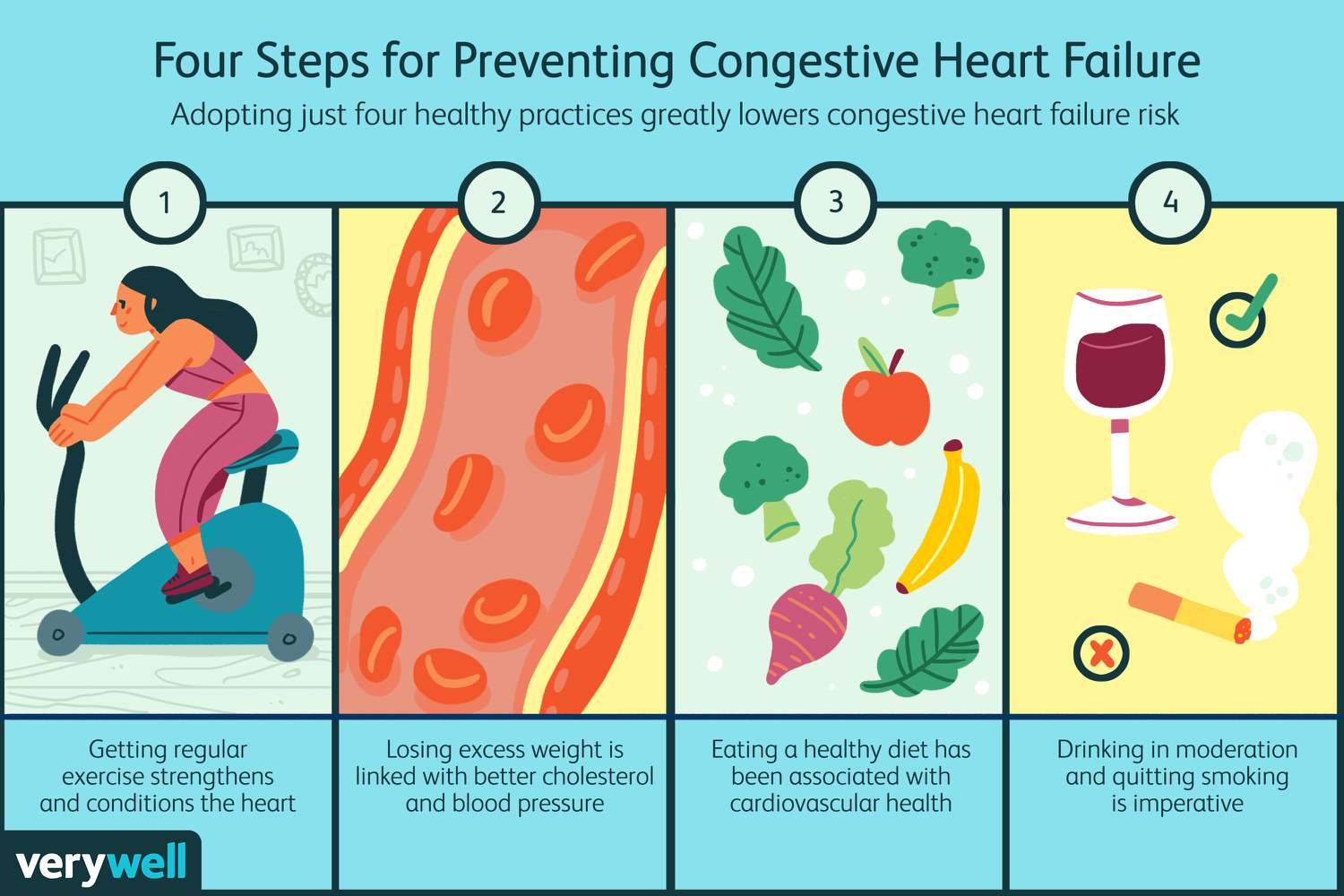
Heart disease is a prevalent and serious health issue that affects millions of individuals worldwide. In this informative article, you will discover effective strategies and practical tips on how to prevent and manage heart disease. By embracing a heart-healthy lifestyle, making smart dietary choices, engaging in regular exercise, and seeking appropriate medical care, you can significantly reduce the risk of developing heart disease and live a longer, healthier life. So, let’s explore these invaluable preventive measures together and take charge of our heart health.
Understanding Heart Disease
Heart disease is a term used to describe a range of conditions that affect the heart, including coronary artery disease, heart failure, and arrhythmias. It is important to have a basic understanding of the different types of heart disease in order to effectively prevent and manage them.
Types of Heart Disease
-
Coronary Artery Disease (CAD): This is the most common type of heart disease and occurs when the arteries that supply blood to the heart become narrowed or blocked, usually due to the build-up of cholesterol and plaque.
-
Heart Failure: This condition occurs when the heart is unable to pump enough blood to meet the body’s needs. It can be caused by conditions such as coronary artery disease, high blood pressure, or previous heart attacks.
-
Arrhythmias: These are abnormal heart rhythms that can range from harmless to life-threatening. They can be caused by factors such as a faulty electrical system in the heart or damage from a heart attack.
-
Valvular Heart Disease: This occurs when the heart valves do not function properly, leading to problems with blood flow. Valvular heart disease can be congenital or develop due to conditions such as infection or aging.
Understanding these different types of heart disease can help you take the necessary steps to prevent and manage them effectively.
Causes of Heart Disease
While the exact causes of heart disease may vary depending on the type, there are some common factors that contribute to its development:
-
High Blood Pressure: Uncontrolled high blood pressure puts strain on the heart, increasing the risk of heart disease.
-
High Cholesterol: When there is an excessive amount of cholesterol in the blood, it can build up in the arteries and lead to blockages.
-
Smoking: Smoking damages the blood vessels and increases the risk of heart disease.
-
Obesity: Being overweight or obese puts extra pressure on the heart and increases the likelihood of developing heart disease.
-
Diabetes: People with diabetes are at a higher risk of developing heart disease, as high blood sugar can damage blood vessels and the heart.
-
Family History: If you have a family history of heart disease, you are more likely to develop it yourself.
-
Age and Gender: The risk of heart disease increases with age, and men are generally more prone to heart disease than women.
Understanding these causes can help you make informed choices and take steps to reduce your risk of developing heart disease.
Common Risk Factors
In addition to the causes mentioned above, there are several other risk factors associated with heart disease:
-
Lack of Physical Activity: Not getting enough exercise increases the risk of heart disease.
-
Unhealthy Diet: A diet high in saturated and trans fats, cholesterol, and sodium can contribute to heart disease.
-
Stress: Chronic stress can contribute to the development of heart disease.
-
Excessive Alcohol Consumption: Drinking alcohol excessively can increase blood pressure and contribute to heart disease.
-
Sleep Apnea: This condition, characterized by interrupted breathing during sleep, can increase the risk of heart disease.
By understanding and addressing these risk factors, you can take proactive measures to prevent heart disease and maintain a healthy heart.
Preventive Lifestyle Changes
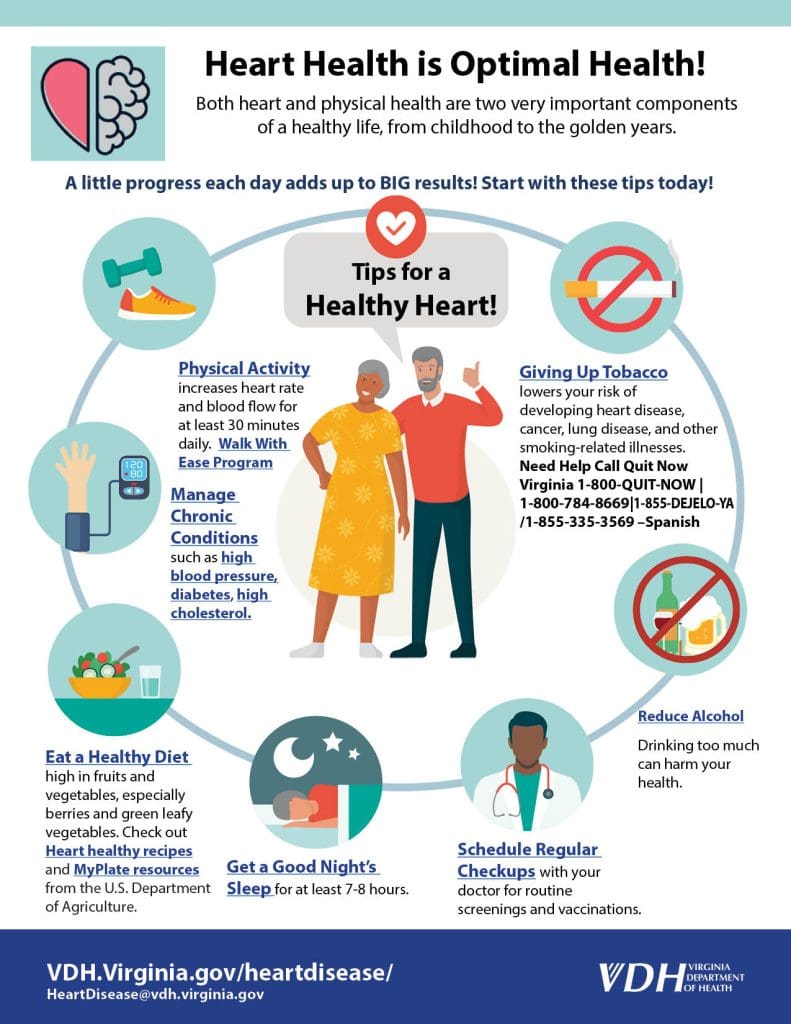
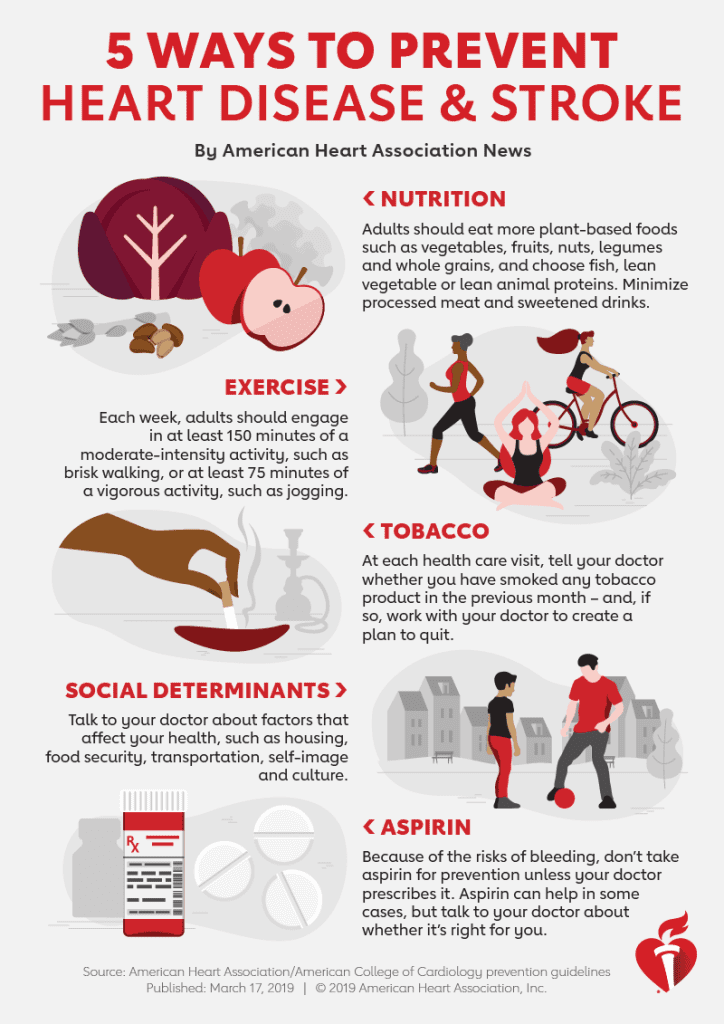
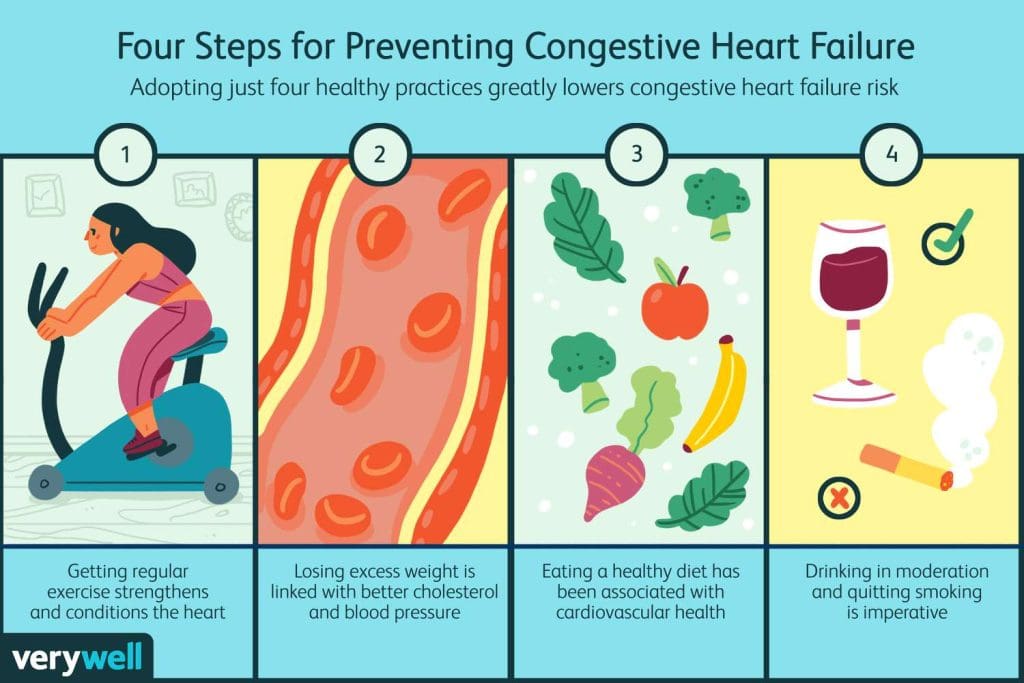
Preventing heart disease involves making certain lifestyle changes that can greatly reduce your risk. These changes are not only beneficial for preventing heart disease but can also have a positive impact on overall health and well-being.
Maintain a Healthy Diet
A healthy diet is crucial for maintaining a healthy heart. Here are some important principles to keep in mind:
-
Choose Heart-Healthy Foods: Include a variety of fruits, vegetables, whole grains, lean proteins, and healthy fats in your diet.
-
Monitor Portion Sizes: Be aware of appropriate portion sizes to avoid overeating and maintain a healthy weight.
-
Reduce Sodium Intake: Limit the consumption of salt and high-sodium foods to help control blood pressure.
-
Limit Saturated and Trans Fats: Minimize the intake of foods that are high in saturated and trans fats, such as fatty meats and processed snacks.
-
Increase Fiber Intake: Consuming fiber-rich foods like whole grains, legumes, fruits, and vegetables can help lower cholesterol levels and improve heart health.
Regular Exercise
Physical activity is essential for maintaining cardiovascular health. Incorporating the following types of exercise into your routine can be beneficial:
-
Aerobic Exercises: Engage in activities that increase your heart rate, such as walking, jogging, cycling, swimming, or dancing.
-
Strength Training: Include strength training exercises at least twice a week to build and maintain muscle strength.
-
Flexibility and Balance Exercises: Incorporate stretching and balance exercises, such as yoga or tai chi, to improve flexibility and coordination.
Manage Stress
Chronic stress can have a negative impact on your heart health. Here are some strategies to help manage stress:
-
Identify Stress Triggers: Recognize the factors that contribute to stress in your life and develop coping mechanisms to deal with them effectively.
-
Practice Relaxation Techniques: Engage in activities like deep breathing exercises, meditation, or progressive muscle relaxation to calm your mind and body.
-
Engage in Stress-Relieving Activities: Participate in activities that bring you joy and help you relax, such as hobbies, spending time with loved ones, or pursuing creative outlets.
Avoid Smoking and Limit Alcohol Intake
Smoking and excessive alcohol consumption are detrimental to heart health. Here’s what you can do:
-
Quit Smoking: If you smoke, it’s important to quit as soon as possible. Seek support from friends, family, or healthcare professionals to help you quit successfully.
-
Seek Support and Assistance: If you struggle with quitting smoking or limiting alcohol intake, reach out to support groups or healthcare professionals who can provide guidance and strategies for managing addiction.
-
Drink in Moderation or Quit Alcohol Consumption: If you choose to drink alcohol, do so in moderation. For men, this means no more than two drinks per day, and for women, no more than one drink per day.
Get Enough Sleep
Adequate sleep is vital for overall health, including heart health. Aim for 7-9 hours of quality sleep each night. Establish a regular sleep schedule, create a soothing bedtime routine, and ensure your sleep environment is conducive to restful sleep.
By adopting these preventive lifestyle changes, you can greatly reduce your risk of heart disease and maintain a healthy heart for years to come. Remember, small steps can make a big difference when it comes to your heart health.
Maintaining a Healthy Diet
Maintaining a healthy diet is one of the key pillars of preventing heart disease. By making wise food choices, you can nourish your body and keep your heart in good shape.
Choose Heart-Healthy Foods
Opting for heart-healthy foods can significantly impact your cardiovascular health. Here are some food choices to consider:
-
Fruits and Vegetables: These are packed with essential vitamins, minerals, and antioxidants that can help protect your heart. Aim for a variety of colorful fruits and vegetables, both raw and cooked.
-
Whole Grains: Incorporate whole grains such as oats, brown rice, quinoa, and whole wheat bread into your diet. They are rich in fiber, which can help lower cholesterol levels and promote heart health.
-
Lean Proteins: Choose lean sources of protein such as skinless poultry, fish, legumes, and tofu. Limit red meat consumption and opt for lean cuts when you do have it.
-
Healthy Fats: Include foods that provide healthy fats like avocados, nuts, seeds, and olive oil. These fats can help reduce bad cholesterol levels in the blood.
Monitor Portion Sizes
Portion control is essential for maintaining a healthy weight and preventing overeating. Here are some tips to help you manage portion sizes:
-
Use Smaller Plates: Opt for smaller plates and bowls to create the illusion of a fuller plate, which can help control portion sizes.
-
Read Food Labels: Pay attention to serving sizes on food labels and adjust your portions accordingly.
-
Be Mindful of Restaurant Portions: Restaurants often serve larger portions, so consider sharing a meal or asking for a take-out container to portion control your meal.
Reduce Sodium Intake
Excess sodium can contribute to high blood pressure, which is a risk factor for heart disease. Here’s how you can reduce your sodium intake:
-
Read Food Labels: Be aware of the sodium content listed on food labels and choose lower sodium options whenever possible.
-
Cook from Scratch: Preparing meals at home allows you to control the amount of salt you add to your dishes.
-
Limit Processed Foods: Processed and packaged foods like canned soups, frozen meals, and snacks tend to be high in sodium. Opt for fresh, whole foods whenever possible.
Limit Saturated and Trans Fats
Saturated and trans fats can raise your LDL cholesterol levels and increase the risk of heart disease. Here are some tips to reduce your intake:
-
Choose Lean Meats: When consuming meat, choose lean cuts and trim off visible fat before cooking.
-
Opt for Healthy Cooking Methods: Grill, bake, steam, or sauté foods instead of frying them.
-
Read Labels: Avoid foods that contain hydrogenated or partially hydrogenated oils, as they often indicate the presence of trans fats.
Increase Fiber Intake
Fiber is beneficial for heart health as it can help lower cholesterol levels and regulate blood sugar. Here’s how you can increase your fiber intake:
-
Eat Plenty of Fruits and Vegetables: These are rich in fiber, so aim to include a variety of them in your daily meals and snacks.
-
Choose Whole Grains: Opt for whole grain bread, pasta, and cereals instead of refined grains to increase your fiber intake.
-
Include Legumes: Legumes like beans, lentils, and chickpeas are excellent sources of fiber. Try incorporating them into soups, salads, or main dishes.
By making these changes to your diet, you can promote heart health and reduce the risk of heart disease significantly.
Regular Exercise
Regular exercise plays a critical role in preventing and managing heart disease. It strengthens the heart, improves blood circulation, and helps maintain a healthy weight. Here are different types of exercises that contribute to heart health:
Aerobic Exercises
Aerobic exercises, also known as cardiovascular exercises, are activities that get your heart pumping and increase your breathing rate. These exercises offer numerous benefits for your heart:
-
Walking: A brisk walk is an accessible and low-impact aerobic exercise that can be done almost anywhere.
-
Jogging/Running: More vigorous than walking, jogging or running can help improve cardiovascular fitness.
-
Cycling: Whether outdoors or on a stationary bike, cycling is a great option for getting your heart rate up.
-
Swimming: A low-impact exercise, swimming provides a full-body workout that is gentle on the joints.
-
Dancing: Not only a fun activity, dancing can be a great aerobic exercise that gets your heart rate up.
Engaging in at least 150 minutes of moderate-intensity aerobic exercise or 75 minutes of vigorous-intensity aerobic exercise per week can help improve heart health.
Strength Training
Strength training exercises are vital for maintaining muscle strength and preventing muscle loss associated with aging. Here’s how strength training benefits your heart:
-
Resistance Bands: These colorful bands provide resistance during exercises and are especially useful for strength training.
-
Free Weights: Dumbbells or kettlebells can be used to perform exercises that target different muscle groups.
-
Bodyweight Exercises: Push-ups, squats, lunges, and planks are examples of bodyweight exercises that can enhance muscle strength.
By incorporating strength training exercises into your routine, you can increase your metabolism, improve bone density, and aid in weight management.
Flexibility and Balance Exercises
While flexibility and balance exercises may not directly impact heart health, they contribute to overall fitness and reduce the risk of falls and injuries. Here are some activities to consider:
-
Yoga: Practicing yoga enhances flexibility, balance, and body awareness. It also promotes relaxation and stress reduction.
-
Tai Chi: A form of Chinese martial arts, tai chi focuses on slow, controlled movements that increase flexibility and balance.
-
Pilates: Pilates strengthens core muscles, improves flexibility, and enhances overall body strength and posture.
These exercises help improve mobility, reduce muscle imbalances, and promote overall physical well-being.
By combining aerobic exercises, strength training, and flexibility activities, you can develop a well-rounded exercise routine that supports heart health and overall fitness.
Managing Stress
Effectively managing stress is crucial for heart health. Chronic stress can contribute to the development of heart disease, so it is essential to incorporate stress management techniques into your daily life. Here’s how you can keep stress in check:
Identify Stress Triggers
Understanding your stress triggers is the first step in managing stress. Pay attention to situations, people, or events that consistently lead to stress and find healthy ways to cope with them.
Practice Relaxation Techniques
Relaxation techniques are effective in reducing stress and promoting overall well-being. Incorporate the following practices into your routine:
-
Deep Breathing: Deep breathing exercises help calm the body and mind. Take slow, deep breaths, expanding your diaphragm as you inhale and exhaling slowly.
-
Meditation: Find a quiet space and spend a few minutes each day focusing on your breath, a specific word, or a guided meditation.
-
Progressive Muscle Relaxation: Tense and release each muscle group in your body, starting from your toes and moving up to your head, to promote relaxation and reduce tension.
Engage in Stress-Relieving Activities
Participating in activities that help you relax and unwind can effectively reduce stress levels. Some stress-relieving activities include:
-
Spending Time in Nature: Take a walk in a park, hike in the woods, or simply sit by a body of water to enjoy the calming effects of nature.
-
Engaging in Hobbies: Find activities that bring you joy and allow you to escape from daily stressors. This could include painting, gardening, playing a musical instrument, or any other hobby you enjoy.
-
Connecting with Loved Ones: Social support can be incredibly beneficial in managing stress. Spend quality time with friends and family, engage in meaningful conversations, or seek support when needed.
By incorporating these stress management techniques into your daily routine, you can significantly reduce the impact of stress on your heart and overall well-being.
Avoiding Smoking and Limiting Alcohol Intake
Smoking and excessive alcohol consumption are significant risk factors for heart disease. Quitting smoking and limiting alcohol intake are essential steps in maintaining a healthy heart.
Quit Smoking
Smoking is a leading cause of heart disease and many other health issues. Quitting smoking is the best thing you can do for your heart health. Here’s how you can start the process:
-
Set a Quit Date: Choose a specific date to quit smoking and stick to it.
-
Seek Support: Reach out to friends, family, or support groups that can provide encouragement and assistance throughout the quitting process.
-
Nicotine Replacement Therapy (NRT): Consider using nicotine gum, patches, or other NRT products to help manage withdrawal symptoms.
-
Create a Smoke-Free Environment: Remove tobacco products from your home and avoid situations where you are likely to be exposed to secondhand smoke.
Quitting smoking is challenging, but the benefits to your heart and overall health are immeasurable.
Seek Support and Assistance
If you are struggling with quitting smoking or limiting alcohol intake, don’t hesitate to seek support and assistance. There are many resources available to help you on your journey to a healthier lifestyle.
-
Support Groups: Joining a support group, either in person or online, can connect you with individuals who are going through similar challenges and offer guidance and encouragement.
-
Counseling or Therapy: Seeking professional help from a counselor or therapist can provide you with the tools and strategies necessary to overcome addiction and manage stress effectively.
-
Medications: Consult with your healthcare provider about medications that may assist in quitting smoking or managing alcohol dependence.
Remember, reaching out for support is a sign of strength, and with the right resources, you can successfully overcome addiction and protect your heart.
Drink in Moderation or Quit Alcohol Consumption
While moderate alcohol consumption has been associated with certain health benefits, excessive drinking can have detrimental effects on the heart. Consider the following when it comes to alcohol:
-
Moderate Drinking: Guidelines suggest limiting alcohol consumption to one drink per day for women and up to two drinks per day for men.
-
Evaluate Your Relationship with Alcohol: Assess your drinking habits and be honest with yourself about whether you are consuming alcohol responsibly.
-
Seek Professional Assistance: If you find it challenging to moderate your drinking or suspect you may have alcohol dependence, consult with a healthcare professional or addiction specialist for guidance.
Maintaining a healthy heart involves making informed choices about your alcohol consumption. Consider reducing or eliminating alcohol intake based on your personal health situation and consult a healthcare provider if necessary.

Maintaining a Healthy Weight
Maintaining a healthy weight is essential for preventing heart disease. Excess weight can strain the heart and increase the risk of developing cardiovascular conditions. Here’s how you can achieve and maintain a healthy weight:
Calculate BMI and Set Goals
Start by calculating your Body Mass Index (BMI), which is a measure of body fat based on your height and weight. Use online BMI calculators or consult with a healthcare professional to determine your BMI. Once you have your value:
-
Identify Your Goal Weight: Discuss with your healthcare provider what a healthy weight range is for you based on your BMI and overall health.
-
Set Realistic Goals: Establish achievable weight loss goals that prioritize long-term health and well-being. Aim to lose weight gradually rather than through crash diets or extreme measures.
Eat a Balanced Diet for Weight Management
Maintaining a balanced diet is crucial for achieving and maintaining a healthy weight. Here are some principles to help you manage your weight effectively:
-
Caloric Balance: Consume a moderate amount of calories that align with your weight goals and activity level. Avoid excessive calorie intake, which can lead to weight gain.
-
Portion Control: Be mindful of portion sizes and avoid super-sized or extra-large food portions, especially when dining out.
-
Incorporate a Variety of Foods: Include a wide range of fruits, vegetables, whole grains, lean proteins, and healthy fats to ensure balanced nutrition.
-
Limit Processed Foods and Added Sugars: Processed foods often contain excess calories, unhealthy fats, and added sugars. Choose whole, unprocessed foods whenever possible.
Engage in Regular Physical Activity
Physical activity is a crucial component of maintaining a healthy weight. Here’s how exercise can support your weight management goals:
-
Incorporate Both Aerobic and Strength Training Exercises: Combine cardiovascular exercises, such as walking or swimming, with strength training exercises to burn calories, build muscle, and improve overall fitness.
-
Find Activities You Enjoy: Choose exercises that you genuinely enjoy and that fit seamlessly into your lifestyle. This will increase the likelihood of adhering to a regular exercise routine.
-
Be Consistent: Aim for at least 150 minutes of moderate-intensity aerobic exercise or 75 minutes of vigorous-intensity aerobic exercise each week, along with strength training exercises at least twice a week.
Remember, achieving and maintaining a healthy weight is a lifelong journey that necessitates sustainable habits and regular physical activity. Consult with a healthcare provider or registered dietitian to develop a personalized plan based on your specific needs and goals.
Monitoring Blood Pressure and Cholesterol Levels
Regular monitoring of blood pressure and cholesterol levels is crucial for maintaining heart health. High blood pressure and cholesterol levels are significant risk factors for heart disease. Here’s how you can monitor and manage them effectively:
Regularly Check Blood Pressure
Monitoring your blood pressure is essential for identifying any abnormalities and taking appropriate action. Here’s what you can do:
-
Home Blood Pressure Monitoring: Invest in a reliable home blood pressure monitor to track your blood pressure regularly. Follow the instructions provided and consult with a healthcare professional if you have concerns.
-
Regular Check-ups: Schedule regular appointments with your healthcare provider to have your blood pressure checked. Discuss with them what blood pressure range is healthy for your individual situation.
-
Maintain Healthy Lifestyle Habits: Adhering to preventive lifestyle changes, such as a healthy diet, regular exercise, stress management, and avoiding smoking, can help control blood pressure levels.
Maintain Healthy Cholesterol Levels
Elevated cholesterol levels, specifically LDL (bad) cholesterol, can contribute to the development of heart disease. It is essential to manage cholesterol levels effectively. Here’s how:
-
Cholesterol Testing: Regularly undergo cholesterol testing to assess your LDL cholesterol levels. Consult with a healthcare professional to determine your target cholesterol levels based on your overall health.
-
Dietary Changes: Adopt a heart-healthy diet that is low in saturated and trans fats and high in fruits, vegetables, whole grains, and lean proteins. These dietary changes can help manage cholesterol levels.
-
Medications: In some cases, lifestyle changes may not be sufficient, and medication may be necessary to manage high cholesterol levels. Consult with a healthcare provider to discuss medication options, if needed.
It’s crucial to work closely with your healthcare provider to monitor and manage blood pressure and cholesterol levels effectively. By doing so, you can significantly reduce your risk of heart disease.
Managing Diabetes
Diabetes is a condition that affects blood sugar levels and can increase the risk of heart disease. Proper management of diabetes is crucial for maintaining heart health. Here are key steps to manage diabetes effectively:
Monitor and Control Blood Sugar Levels
Consistently monitoring and managing blood sugar levels is essential for individuals with diabetes. Here’s what you can do:
-
Blood Glucose Monitoring: Use a blood glucose meter to monitor your blood sugar levels regularly. Follow your healthcare provider’s recommendations and seek guidance if your levels are consistently outside the target range.
-
Medication Management: Take your diabetes medications as prescribed by your healthcare provider. Follow instructions carefully and communicate any concerns or side effects to your healthcare team.
Follow a Diabetic Diet
Adopting a diabetic-friendly diet is crucial for managing blood sugar levels. Here are some dietary considerations for individuals with diabetes:
-
Carbohydrate Management: Understand how different foods affect blood sugar levels and control carbohydrate intake accordingly. Focus on consuming complex carbohydrates from whole grains, fruits, and vegetables.
-
Portion Control: Watch portion sizes to avoid excessive calorie intake and blood sugar spikes. A registered dietitian can provide specific guidance on portion control.
-
Consistent Meal Timing: Establish a routine for meal times and avoid skipping meals to maintain stable blood sugar levels throughout the day.
Take Medications as Prescribed
For individuals with diabetes, adhering to medication regimens is crucial. Consult with your healthcare provider to ensure you understand how and when to take your medications, as well as any potential side effects to watch for.
Regular Check-ups
Regular check-ups with your healthcare provider are vital for managing diabetes effectively. Here’s what you can expect during these appointments:
-
Blood Sugar Monitoring: Your healthcare provider will review your blood sugar levels and make any necessary adjustments to your treatment plan.
-
Medication Management: Your healthcare provider may adjust your diabetes medications based on your current health status and blood sugar control.
-
Lifestyle Counseling: Utilize this opportunity to discuss any challenges you may be facing in managing diabetes, such as diet or exercise changes. Your healthcare provider can offer guidance and support.
Working closely with a healthcare team that includes doctors, nurses, and registered dietitians can help ensure effective diabetes management and reduce the risk of heart disease associated with diabetes.
Regular Medical Check-ups
Regular medical check-ups are essential for staying on top of your heart health and preventing heart disease. Here’s what you can expect during annual check-ups:
Schedule Annual Check-ups
Schedule yearly appointments with your healthcare provider to discuss your heart health and overall well-being. During these check-ups, your healthcare provider will:
-
Review Medical History: Discuss any changes in your medical history, medications, or symptoms that may be relevant to your heart health.
-
Perform Physical Examinations: Your healthcare provider will conduct a physical examination, checking your blood pressure, heart rate, and other vital signs.
-
Order Tests if Necessary: Depending on your individual health status, your healthcare provider may order blood tests, such as a lipid profile or blood glucose test, to assess heart disease risk factors.
Monitor Health Indicators
During your regular check-ups, your healthcare provider will monitor key health indicators related to heart disease. These may include:
-
Blood Pressure: Regular checks of your blood pressure to ensure it is within a healthy range.
-
Cholesterol Levels: Periodic lipid profile tests to assess your cholesterol levels, including total cholesterol, LDL, HDL, and triglycerides.
-
Blood Sugar Levels: Testing blood sugar levels to monitor diabetes management, if applicable.
Discuss Heart Disease Prevention with Healthcare Provider
Your annual check-ups provide an opportunity to discuss heart disease prevention strategies and develop a personalized plan with your healthcare provider. Be proactive in communicating your goals, concerns, and any changes in your lifestyle or habits.
Regular medical check-ups allow your healthcare provider to assess your heart health, identify potential risk factors, and offer guidance on preventive measures. By maintaining consistent communication with your healthcare provider, you can work together to promote heart health and prevent heart disease effectively.
In conclusion, preventing and managing heart disease requires a comprehensive approach that involves understanding the different types and causes of heart disease, identifying common risk factors, and making necessary lifestyle changes. By maintaining a healthy diet, engaging in regular exercise, managing stress, avoiding smoking and excessive alcohol consumption, monitoring blood pressure and cholesterol levels, managing diabetes, and scheduling regular medical check-ups, you can greatly reduce your risk of heart disease and maintain a healthy heart for years to come. Remember, small changes in your daily habits can have a significant impact on your heart health, so start implementing these preventive measures today to protect your most vital organ.
