
Are you tired of dealing with the constant discomfort and pain of chronic sinusitis? Look no further! In this article, you will discover practical and natural ways to manage and alleviate the symptoms of chronic sinusitis. Say goodbye to endless rounds of medications and hello to a healthier, more natural approach that will help you find long-term relief. From soothing saline rinses to herbal remedies, we’ve got you covered. Say goodbye to those pesky sinus troubles and hello to a breath of fresh air!
Maintaining a Healthy Diet
Avoiding Foods that Trigger Sinusitis
Managing chronic sinusitis involves taking care of your diet to minimize symptoms and reduce inflammation. Certain foods can trigger sinusitis symptoms and should be avoided. These include dairy products, fried foods, processed foods, and foods high in sugar and artificial additives. By avoiding these trigger foods, you can help prevent flare-ups and keep your sinusitis under control.
Including Foods that Reduce Inflammation
On the other hand, incorporating foods that reduce inflammation can be beneficial in managing chronic sinusitis. Foods rich in antioxidants, such as fruits and vegetables, can help reduce inflammation and boost your immune system. Some examples of anti-inflammatory foods include broccoli, kale, berries, turmeric, and ginger. By adding these foods to your diet, you can support your body’s natural defense mechanisms and minimize the severity of sinusitis symptoms.
Staying Hydrated
Staying hydrated is crucial for maintaining healthy sinuses and managing sinusitis symptoms. Drinking plenty of water throughout the day helps to thin mucus and promote proper drainage, reducing congestion and pressure in the sinuses. It is recommended to drink at least 8 glasses of water per day. Additionally, incorporating herbal teas and warm fluids like soups can provide additional hydration and soothing effects. Remember, staying hydrated is not only important for your sinuses but for overall health and well-being.
Using Natural Sinus Rinse
Preparing a Saline Solution
A natural sinus rinse can help flush out irritants, allergens, and excessive mucus from your sinuses, providing relief from chronic sinusitis symptoms. To prepare a saline solution, mix 1 teaspoon of salt with 2 cups of distilled or sterile lukewarm water. Make sure the salt is fully dissolved before using the solution.
Using a Neti Pot or Nasal Irrigation Bottle
Once you have prepared the saline solution, use a neti pot or a nasal irrigation bottle to administer the rinse. Tilt your head over a sink and pour the solution into one nostril, allowing it to flow out through the other nostril. This will help cleanse and moisturize your nasal passages, reducing inflammation and promoting better sinus health. Be sure to follow the instructions provided with your neti pot or nasal irrigation bottle.
Practicing Sinus Irrigation Regularly
To effectively manage chronic sinusitis, it is important to incorporate sinus irrigation into your daily routine. Regularly practicing sinus irrigation can help remove allergens, bacteria, and other irritants that may contribute to sinusitis symptoms. Aim to perform sinus irrigation once or twice a day, or as recommended by your healthcare provider. Remember to always use a freshly prepared saline solution and clean your neti pot or nasal irrigation bottle after each use.
Steam Inhalation
Boiling Water and Adding Essential Oils
Steam inhalation is a natural remedy that can provide immediate relief from sinusitis symptoms. Boil water in a pot or kettle, and once it reaches a rolling boil, remove it from the heat source. Add a few drops of essential oils such as eucalyptus, peppermint, or lavender to the hot water. These oils have antimicrobial and anti-inflammatory properties that can help open up your nasal passages and reduce congestion.
Covering the Head with a Towel and Inhaling Steam
As the steam rises, position your face a safe distance above the pot, ensuring the water is not too hot to avoid burns. Cover your head with a towel to create a steam tent, trapping the steam and directing it towards your face. Inhale deeply through your nose and exhale through your mouth, allowing the steam to penetrate your sinuses and provide relief. Repeat this process several times a day to alleviate sinusitis symptoms.
Repeat Steam Inhalation Several Times a Day
Steam inhalation can be repeated several times a day to manage chronic sinusitis symptoms effectively. The warm steam helps to moisturize and soothe the sinus passages, reducing inflammation and promoting sinus drainage. By incorporating steam inhalation into your daily routine, you can alleviate congestion, relieve pressure, and facilitate better breathing.
Natural Supplements
Vitamin C and Vitamin D
Taking natural supplements can also support your body’s immune system and help manage chronic sinusitis. Vitamin C helps boost the immune system and reduces the duration and severity of colds and upper respiratory infections. Vitamin D, on the other hand, has anti-inflammatory properties and plays a role in immune system regulation. Consult with your healthcare provider to determine the appropriate dosage of these supplements based on your individual needs.
Probiotics
Probiotics are beneficial bacteria that can help restore balance to your gut flora and strengthen your immune system. By promoting a healthy gut environment, probiotics can support your body’s defense against infections and reduce the frequency and severity of sinusitis flare-ups. You can find probiotics in foods like yogurt, sauerkraut, kimchi, and kefir, or as supplements.
Quercetin
Quercetin is a natural compound found in many fruits and vegetables, known for its anti-inflammatory properties. It helps reduce allergic responses and can be beneficial in managing chronic sinusitis caused by allergies. Adding foods rich in quercetin, such as onions, apples, and berries, or taking quercetin supplements, can help minimize inflammation and alleviate sinusitis symptoms.
Bromelain
Bromelain is an enzyme found in pineapple that has been shown to have anti-inflammatory effects. It can help reduce swelling and inflammation in the sinuses, promoting better drainage and relieving congestion. Bromelain supplements are available in capsule or tablet form, but consult with your healthcare provider before starting any new supplements.
Herbal Remedies
Eucalyptus Oil
Eucalyptus oil is a popular herbal remedy known for its decongestant and anti-inflammatory properties. It can help soothe irritated sinus tissues, relieve nasal congestion, and promote easier breathing. Mix a few drops of eucalyptus oil with a carrier oil, such as coconut or almond oil, and apply it to your chest or throat area. You can also add a few drops of eucalyptus oil to hot water for inhalation during steam sessions.
Peppermint Oil
Peppermint oil is another herbal remedy that can provide relief from sinusitis symptoms. It has a cooling effect that helps soothe inflammation, reduce congestion, and relieve headaches associated with sinus pressure. Dilute a few drops of peppermint oil in a carrier oil and apply it to your temples, forehead, or sinus areas for relief. You can also add a few drops to hot water for steam inhalation.
Ginger
Ginger is a natural anti-inflammatory spice known for its medicinal properties. It can help reduce sinus inflammation, relieve congestion, and improve sinus drainage. Incorporate fresh ginger into your diet by adding it to teas, smoothies, or dishes. You can also make ginger compresses by boiling sliced ginger in water, soaking a cloth in the ginger-infused liquid, and applying it to your sinuses for soothing relief.
Turmeric
Turmeric is a vibrant yellow spice with powerful anti-inflammatory properties. It contains curcumin, a compound known for its therapeutic effects. Adding turmeric to your diet can help reduce sinus inflammation and alleviate symptoms of chronic sinusitis. You can use turmeric in various culinary preparations or take it as a supplement, following the recommended dosage provided by your healthcare provider.
Sinus Massage
Applying Pressure to Sinus Pressure Points
Massaging specific sinus pressure points can help relieve congestion, promote drainage, and alleviate sinusitis symptoms. Apply gentle pressure with your fingertips or thumbs to areas such as the bridge of your nose, between your eyebrows, along the sides of your nose, and under your cheekbones. Use circular motions and gradually increase pressure to stimulate the sinus passages and promote better airflow.
Using Essential Oils During Massage
Enhance the effectiveness of sinus massage by incorporating essential oils known for their decongestant and anti-inflammatory properties. Dilute a few drops of eucalyptus, peppermint, or lavender oil with a carrier oil and apply it to your fingertips before massaging the sinus pressure points. The combination of massage and essential oils can help reduce congestion, relieve sinus pressure, and provide soothing relief.
Acupuncture
Consulting with a Licensed Acupuncturist
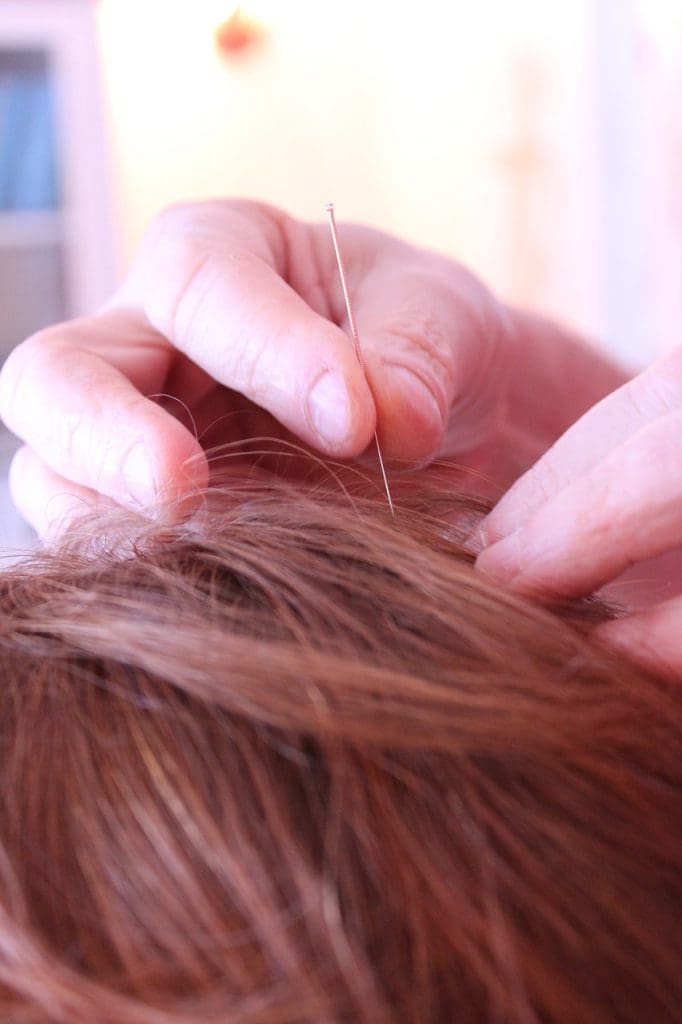
Acupuncture is an alternative therapy that involves inserting thin needles into specific points of the body to stimulate healing and relieve symptoms. To explore acupuncture as a natural treatment for chronic sinusitis, consult with a licensed acupuncturist. They will evaluate your condition, determine the appropriate acupuncture points, and develop a personalized treatment plan to address your specific needs.
Undergoing Regular Acupuncture Sessions
Undergoing regular acupuncture sessions can help manage chronic sinusitis naturally. Acupuncture promotes better circulation, reduces inflammation, and balances the flow of energy throughout the body. By stimulating specific points related to the sinuses and immune system, acupuncture can alleviate congestion, promote sinus drainage, and strengthen your body’s natural defenses against sinusitis. Stay consistent with your acupuncture sessions to experience the long-term benefits.
Avoiding Irritants
Minimizing Exposure to Allergens
Allergens can trigger and worsen chronic sinusitis symptoms. Minimize your exposure to common allergens such as dust mites, pollen, pet dander, and mold by keeping your living spaces clean and well-ventilated. Use allergen-proof covers for pillows and mattresses, wash bedding regularly in hot water, and consider using an air purifier with a HEPA filter to trap airborne allergens and provide cleaner air.
Eliminating Environmental Irritants
In addition to allergens, environmental irritants such as tobacco smoke, air pollution, and strong odors can irritate the sinuses and worsen symptoms of chronic sinusitis. Try to avoid or limit exposure to these irritants as much as possible. If you are a smoker, consider quitting or reducing your smoking habits. Keep your home well-ventilated and use exhaust fans when cooking or using cleaning products to minimize exposure to harsh chemicals.
Using Air Purifiers and Humidifiers
Investing in an air purifier with a HEPA filter can help remove airborne allergens and pollutants from your indoor environment. Place it in your bedroom or other frequently used spaces to ensure cleaner air quality and reduce the risk of sinusitis flare-ups. Additionally, using a humidifier can help maintain optimal humidity levels in your home, preventing dryness and irritation in your nasal passages. Be sure to clean and maintain both devices regularly to prevent mold or bacterial growth.
Maintaining Good Hygiene
Frequent Hand Washing
Practicing good hygiene habits, such as frequent hand washing, can reduce the risk of sinus infections and help manage chronic sinusitis. Washing your hands frequently with soap and water for at least 20 seconds helps prevent the spread of germs that can lead to sinus infections. Remember to wash your hands before touching your face, especially your nose and eyes, to minimize the introduction of bacteria into your sinuses.
Using Clean and Dust-Free Beddings
Your beddings can harbor dust mites, pollen, and other allergens that can irritate your sinuses and worsen chronic sinusitis symptoms. Wash your beddings, including sheets, pillowcases, and blankets, regularly in hot water to kill dust mites and remove allergens. Use hypoallergenic pillow and mattress covers to create a barrier against allergens and keep your sleeping environment clean and dust-free.
Keeping Surfaces Clean and Dust-Free
Regularly cleaning surfaces in your home, especially those prone to accumulating dust, can help minimize allergens and irritants that can trigger or aggravate sinusitis symptoms. Dust surfaces with a damp cloth or microfiber cloth to trap dust particles instead of dispersing them into the air. Vacuum carpets and rugs regularly using a vacuum with a HEPA filter to effectively capture allergens. By maintaining a clean and dust-free environment, you can create a healthier living space for managing chronic sinusitis.
Stress Management
Practicing Relaxation Techniques
Stress can worsen chronic sinusitis symptoms by suppressing your immune system and making you more susceptible to infections. Incorporating relaxation techniques into your daily routine can help manage stress and improve your overall well-being. Try practices like deep breathing exercises, meditation, yoga, or tai chi to reduce stress levels. Find activities that help you unwind and make time for self-care, as reducing stress can have a positive impact on your sinus health.
Getting Sufficient Sleep
A good night’s sleep is essential for overall health and can also contribute to managing chronic sinusitis. During sleep, your body repairs and restores itself, including your immune system. Aim for 7-9 hours of quality sleep each night to support your immune function and help reduce inflammation in your sinuses. Create a sleep-friendly environment by keeping your bedroom dark, quiet, and at a comfortable temperature.
Engaging in Stress-Relieving Activities
Engaging in stress-relieving activities on a regular basis can significantly improve your quality of life and help manage chronic sinusitis naturally. Find activities that you enjoy and that help you relax, such as reading, listening to music, spending time in nature, or practicing hobbies. Engaging in physical activity, such as walking, swimming, or practicing yoga, can also help reduce stress levels and promote overall well-being. Remember to make time for activities that bring you joy and help you unwind from daily stressors.