Boosting your immune system is essential for maintaining good health and preventing illnesses. In this article, we will explore various natural approaches that can help strengthen your immune system. From incorporating immune-boosting foods into your diet to practicing stress-reducing techniques, these simple lifestyle changes can have a profound impact on your immune system’s ability to fight off pathogens. Whether you’re looking for ways to stay healthy during flu season or simply want to support your body’s natural defense mechanism, these natural approaches will provide you with valuable insights and practical tips to boost your overall immune health.

Dietary Choices
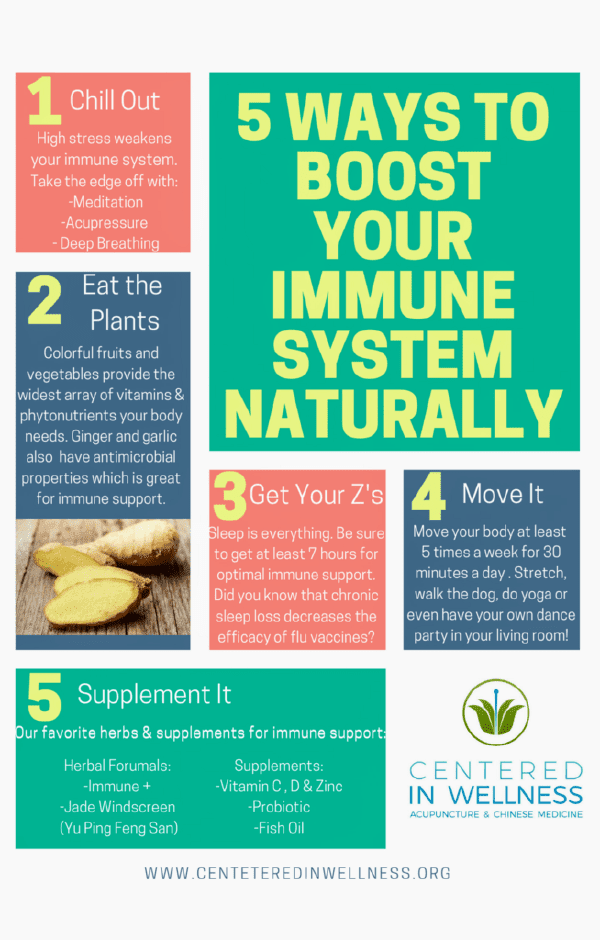
When it comes to boosting your immune system, one of the most important factors to consider is your dietary choices. Eating a variety of fruits and vegetables is essential for providing your body with the vitamins, minerals, and antioxidants it needs to function optimally. Each fruit and vegetable offers a unique combination of nutrients, so it’s important to include a colorful array of options in your diet.
Incorporating immune-boosting superfoods into your meals can also provide an extra punch of immune support. Superfoods like blueberries, spinach, turmeric, and green tea are rich in antioxidants and other compounds that can help strengthen your immune system. By adding these superfoods to your diet on a regular basis, you can give your immune system the extra boost it needs to fight off infections and stay healthy.
Another important aspect of your dietary choices is consuming probiotic-rich foods. Probiotics are beneficial bacteria that can help support a healthy gut microbiome, which plays a crucial role in immune function. Foods like yogurt, kefir, sauerkraut, and kimchi are excellent sources of probiotics and can help promote a strong and balanced immune system.
Lastly, reducing your intake of sugar and processed foods is key to maintaining a robust immune system. Excessive sugar consumption can weaken your immune response and make you more susceptible to infections. Processed foods are often stripped of nutrients and contain additives that can harm your immune system. By prioritizing whole, unprocessed foods in your diet, you can ensure that your body is receiving the nutrients it needs to function optimally and keep your immune system strong.
Lifestyle Factors
In addition to making smart dietary choices, certain lifestyle factors can also have a significant impact on your immune system. Getting enough sleep is crucial for immune function as it allows your body to repair and regenerate. Aim for 7-8 hours of uninterrupted sleep each night to give your immune system the opportunity to recharge.
Managing stress levels is another important factor in maintaining a strong immune system. Chronic stress can suppress immune function and make you more vulnerable to illnesses. Find healthy ways to cope with stress such as practicing mindfulness or engaging in stress-reducing hobbies like painting or gardening.
Regular exercise is not only great for physical fitness, but it can also boost your immune system. Engaging in moderate-intensity activities like brisk walking or cycling for at least 30 minutes a day can help strengthen your immune response. It’s also beneficial to incorporate strength training exercises into your routine as they can enhance immune function and improve overall health.
It’s no secret that smoking and excessive alcohol consumption can harm your immune system. If you want to boost your immune system, it’s essential to avoid smoking and limit your alcohol intake. Both of these habits can weaken your immune response and make you more susceptible to infections. Instead, opt for healthier alternatives like herbal teas or mocktails to support your immune system.
Vitamins and Minerals
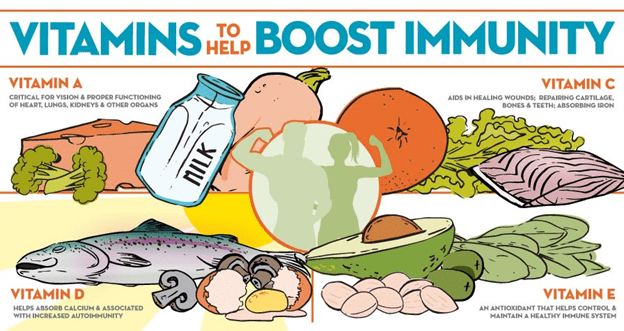
Certain vitamins and minerals play a crucial role in supporting a strong immune system. Ensuring sufficient intake of vitamin C is essential as it is known to boost immune function and promote the production of white blood cells, which are key players in the immune response. Citrus fruits, red bell peppers, strawberries, and kiwi are all excellent sources of vitamin C.
Optimizing vitamin D levels is also important for immune health. Vitamin D plays a role in regulating immune function and deficiencies have been linked to an increased risk of infection. Sun exposure is the best way to naturally obtain vitamin D, but it can be challenging depending on where you live or the time of year. In this case, consider taking a vitamin D supplement to ensure you’re getting adequate levels.
Including zinc-rich foods in your diet is another way to support a healthy immune system. Zinc is involved in immune cell development and function and deficiencies can impair immune response. Foods like oysters, beef, pumpkin seeds, and lentils are all excellent sources of zinc and can help keep your immune system strong.
Additionally, considering selenium supplementation may be beneficial for immune support. Selenium is an essential trace mineral that acts as an antioxidant and plays a role in immune function. However, it’s important to consult with a healthcare professional before starting any supplementation regimen to determine the appropriate dosage for your needs.
Herbal Supplements
Herbal supplements can be a valuable addition to your immune-boosting toolkit. Echinacea is a popular herb known for its immune-supporting properties. It can help stimulate the production of white blood cells, which are important for fighting off infections. Taking echinacea as a supplement or using it in tea form can enhance your immune response.
Astragalus is another herb that has been used in traditional Chinese medicine to enhance immunity. It is believed to stimulate the immune system and strengthen the body’s defense against infections. Incorporating astragalus into your daily routine can provide an extra layer of immune support.
Garlic is well-known for its antimicrobial properties and can help fend off infections. It contains compounds that have been shown to have antibacterial and antiviral effects. Adding garlic to your meals or taking it in supplement form can boost your immune system and keep you healthy.
Elderberry is a powerful immune-modulating herb that has gained popularity for its ability to strengthen the immune response. It contains antioxidants that can protect against oxidative stress and inflammation, both of which can impair immune function. Including elderberry in your diet or taking it as a supplement can help support a healthy immune system.
Hydration and Fluid Intake
Staying hydrated is crucial for overall health, including a strong immune system. Drinking an adequate amount of water throughout the day helps flush out toxins and supports the proper functioning of your immune system. Aim for at least 8 glasses of water per day, or more if you exercise or live in a hot climate.
Incorporating herbal teas into your fluid intake can provide additional benefits for your immune system. Certain herbal teas, such as chamomile or ginger tea, have immune-boosting properties and can help soothe your body. They are also a great way to stay hydrated while enjoying a warming and comforting beverage.
Consuming nourishing broths and soups is another way to support your immune system through hydration. Broths made from vegetables, bones, or seaweed contain essential nutrients that can support immune function. They are also comforting and easy to digest, making them an excellent choice when you’re feeling under the weather.
Regular Exercise
Engaging in regular physical exercise is an essential part of maintaining a strong immune system. Moderate-intensity activities like brisk walking, swimming, or cycling can help enhance immune function. Aim for at least 30 minutes of exercise most days of the week to reap the immune-boosting benefits.
Incorporating strength training into your exercise routine can also support immune health. Strength training exercises, such as lifting weights or using resistance bands, can help increase immune cell production and improve overall health. Don’t forget to include regular strength training sessions to keep your immune system strong and resilient.
Trying immune-boosting exercises like yoga or tai chi can also have a positive impact on your immune system. These mind-body practices not only improve flexibility and balance but also help reduce stress and inflammation. By incorporating these types of exercises into your routine, you can enhance your immune response and promote overall well-being.
Adequate Sleep
Getting enough quality sleep is vital for a healthy immune system. Establishing a consistent sleep schedule and prioritizing sleep in your daily routine is essential. Aim for 7-8 hours of uninterrupted sleep each night to allow your body to repair and rejuvenate.
Creating a bedtime routine can help signal to your body that it’s time to wind down and prepare for sleep. Engaging in relaxing activities like reading a book, taking a warm bath, or practicing gentle stretching can help calm your mind and promote better sleep.
Optimizing your sleep environment is also important. Make sure your bedroom is cool, dark, and quiet to create the ideal conditions for a restful night’s sleep. Consider using blackout curtains, earplugs, or a white noise machine if necessary.
Avoiding electronic devices before bed is crucial as the blue light emitted from screens can disrupt your sleep-wake cycle. Try to power down your devices at least an hour before bedtime and engage in calming activities instead. Your immune system will thank you for the improved sleep quality.
Stress Reduction
Stress can take a toll on your immune system, so finding effective ways to manage stress is key to maintaining a healthy immune response. Practicing mindfulness and meditation can be powerful tools for reducing stress and promoting overall well-being. Taking a few moments each day to focus on your breath and cultivate inner peace can have a profound impact on your immune health.
Engaging in stress-reducing hobbies can also help alleviate stress and boost your immune system. Whether it’s painting, gardening, or playing a musical instrument, finding activities that bring you joy and help you relax can have a positive effect on your immune response. Make time for yourself and prioritize self-care activities that bring you a sense of calm and happiness.
Seeking social support is another important aspect of stress reduction. Connecting with loved ones, whether in person or virtually, can help reduce feelings of loneliness and anxiety. Having a strong support system can provide comfort and a sense of belonging, which can in turn strengthen your immune system.
Limiting exposure to negative news and setting boundaries with media consumption is also vital for stress reduction. Constant exposure to negative or distressing information can increase stress levels and impact your immune function. Stay informed, but be mindful of how much news you consume and take breaks when needed to protect your mental well-being and immune health.
Hygiene Practices
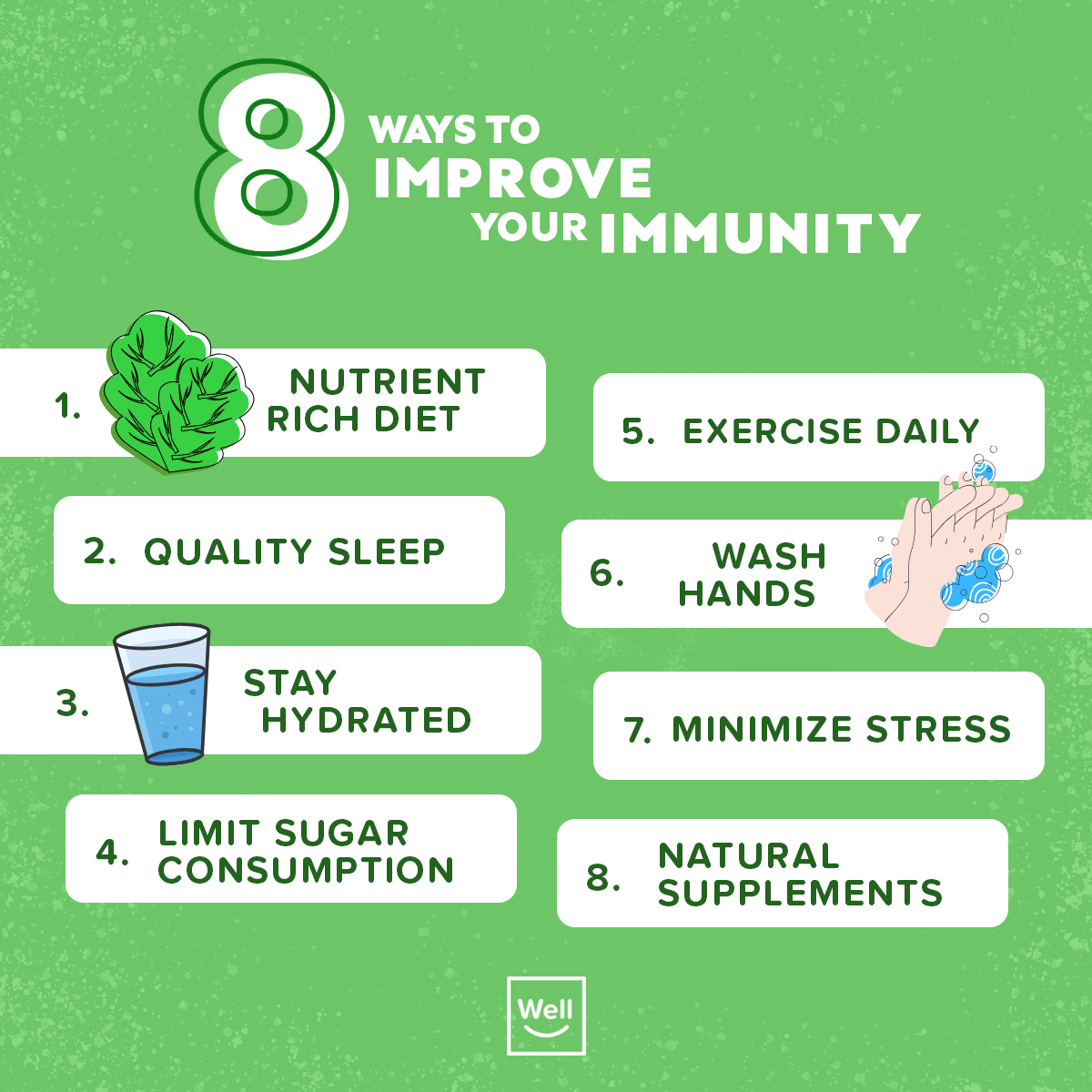
Practicing good hygiene is essential for preventing the spread of infections and keeping your immune system strong. Washing your hands frequently with soap and water for at least 20 seconds is one of the most effective ways to reduce the risk of infections. Make sure to lather all surfaces of your hands, including the back, between fingers, and under nails, before rinsing thoroughly.
Using hand sanitizers when necessary is also important, especially when soap and water are not readily available. Look for hand sanitizers that contain at least 60% alcohol and apply enough to cover all surfaces of your hands. Rub your hands together until dry.
Maintaining a clean and sanitized living environment is crucial for preventing the spread of pathogens. Regularly clean and disinfect frequently touched surfaces like doorknobs, light switches, and countertops. Use cleaning products that are effective against viruses and bacteria and follow the instructions for proper use.
Avoiding close contact with sick individuals is another important hygiene practice. If someone in your household is ill, try to minimize contact and take extra precautions to protect yourself and others. Encourage proper cough and sneeze etiquette, and use separate towels, utensils, and plates to prevent the spread of germs.
Limiting Environmental Toxins
Limiting exposure to environmental toxins can help support a healthy immune system. Avoiding exposure to tobacco smoke is crucial as it can significantly impair immune function and increase the risk of respiratory infections. If you smoke, consider quitting, and avoid secondhand smoke whenever possible.
Using natural cleaning and personal care products is another way to limit your exposure to toxins. Many conventional products contain harsh chemicals that can harm your immune system and overall health. Look for natural alternatives that are free of synthetic fragrances, parabens, and other potentially harmful ingredients.
Filtering indoor air and purifying drinking water can also help reduce your exposure to toxins. Indoor air can be polluted with allergens and toxins from cleaning products or mold, so invest in a high-quality air purifier and regularly change your air filters. Additionally, filtering your drinking water can help remove contaminants like chlorine or heavy metals that may compromise your immune system.
By incorporating these natural approaches into your daily routine, you can strengthen your immune system and optimize your overall health. Remember, a strong immune system is your body’s best defense against infections and illnesses, so make these practices a priority and enjoy the benefits of a vibrant and resilient immune system. Stay well!